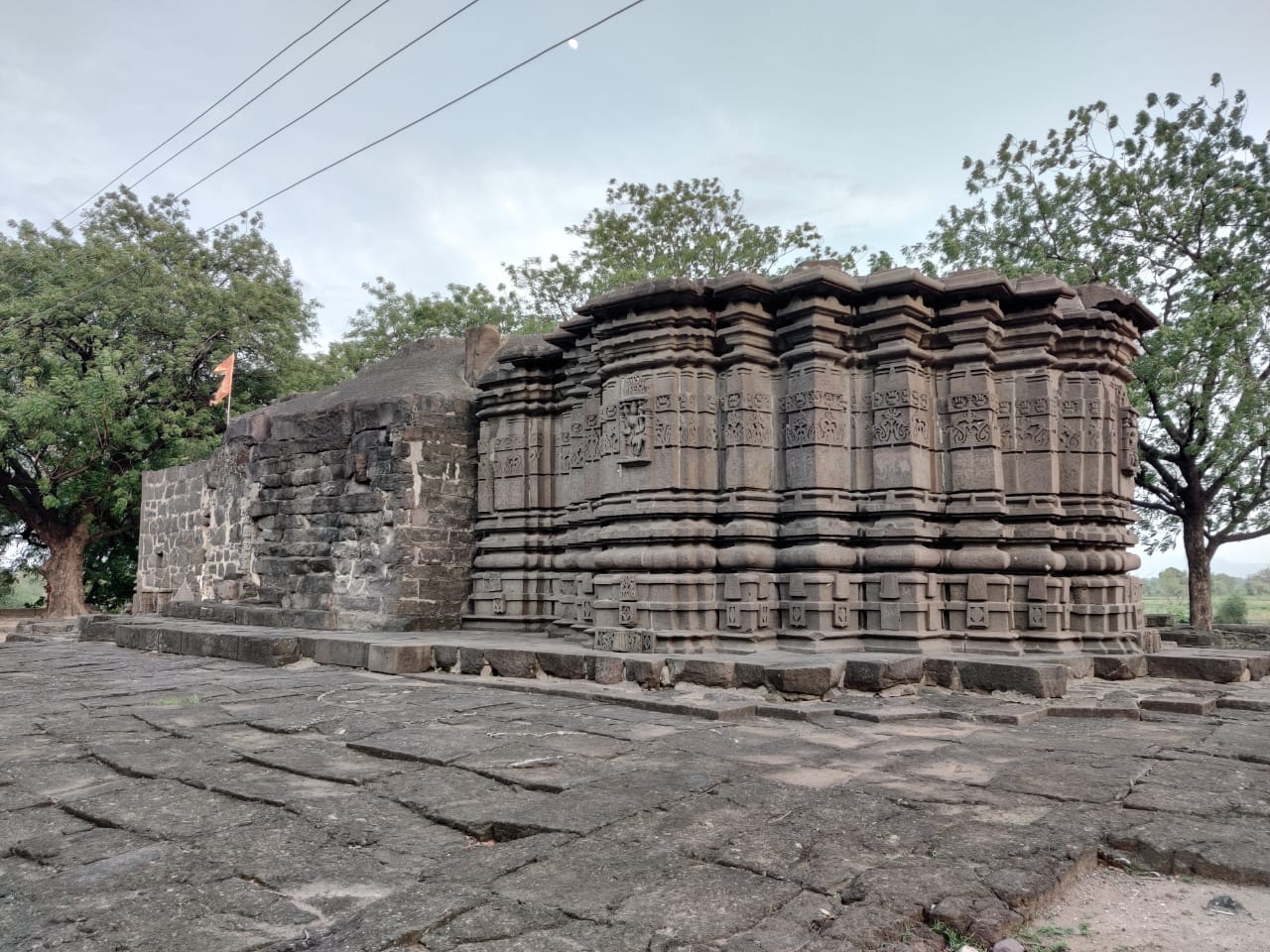
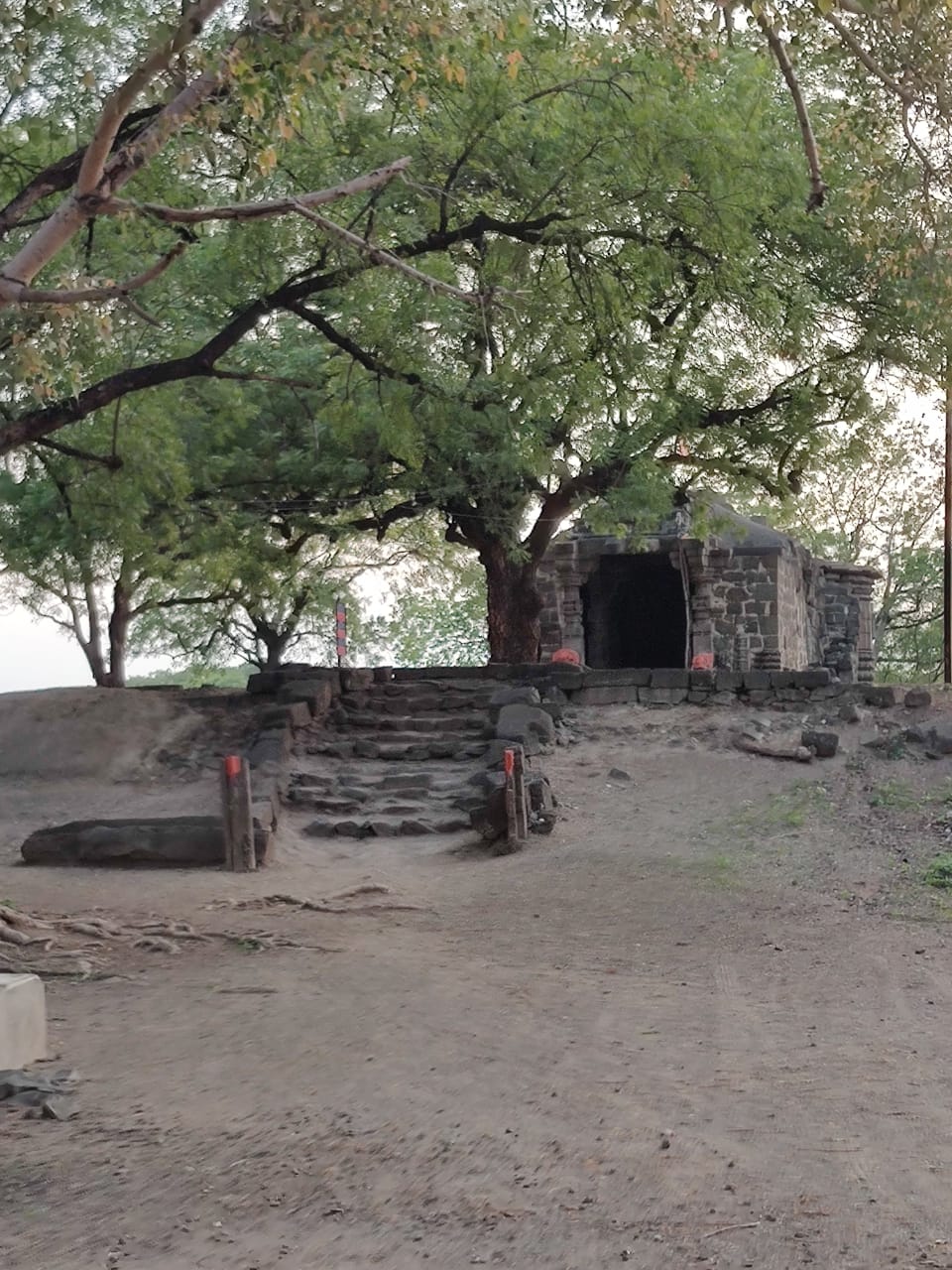
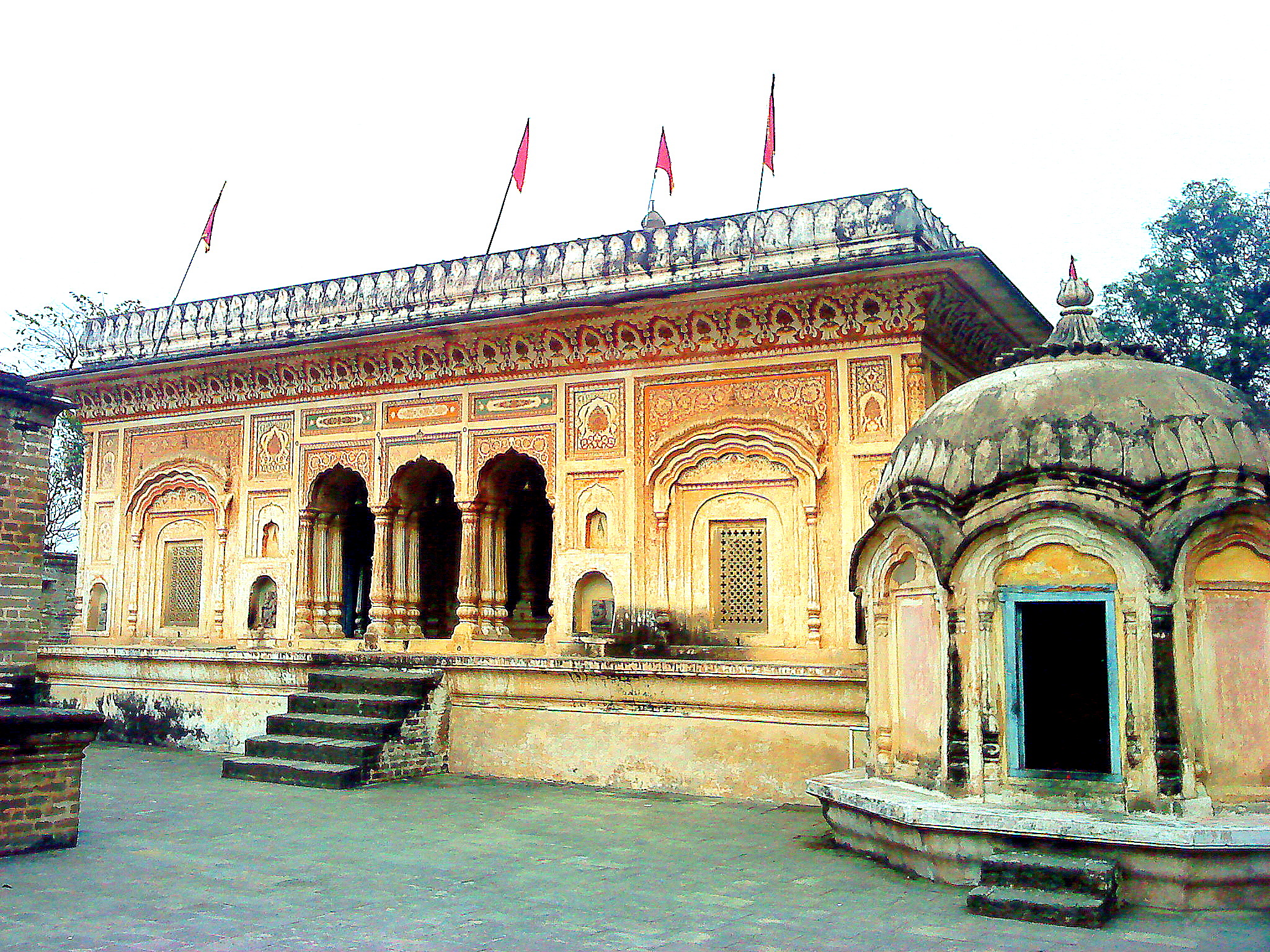
Mudhai Devi temple
About Mudhai Devi temple
Specific darshan timings and aarti schedules are not documented in available sources. Visitors planning to attend should contact the temple directly or make local inquiries before travelling to confirm current opening hours and the timing of ritual observances. As with most Hindu temples, the practice of pradakshina—circumambulation in a clockwise direction around the deity—forms part of worship here.
Modest dress is customary when visiting. Covering shoulders and knees demonstrates respect for the sacred space. Footwear is typically removed before entering the sanctum, following standard temple etiquette. These practices reflect the reverent atmosphere maintained within the shrine.
Festivals and Observances
The temple observes several significant festivals throughout the year. Guru Purnima, falling in July, honours spiritual teachers and attracts devotees seeking blessings related to learning and guidance. Maha Shivaratri in February involves night-long vigils and ritual bathing of the deity, reflecting the temple's deep connection to Shaivite worship. Chhath Puja in November brings worship focused on Surya, the sun deity, and draws particular observance from devotees originating from Bihar and eastern regions.
During festival periods, the temple is elaborately decorated, and these occasions draw larger numbers of visitors. Those planning to attend festivals should confirm exact dates and any special darshan arrangements with temple authorities beforehand, as ritual timings may differ from regular schedules. Diwali and Vasant Panchami also mark significant observances at the temple.
Visiting Information and Etiquette
Winter season offers the most comfortable conditions for visiting, with early morning hours recommended to avoid crowds. The temple is situated in Waghali village within Chalisgaon tehsil of Jalgaon district in the Khandesh region. The precise coordinates—20.50239363°N, 75.09473027°E—can be entered into mapping applications for navigation.
The village location means that private transport or local arrangements are advisable for reaching Waghali from larger towns. Jalgaon district lies in Maharashtra's Khandesh region, and visitors should plan their journey accordingly, allowing time for local travel once arriving in the district. The temple's position on an artificial mound should be considered when planning your visit.
Getting There
Waghali village is accessible via Chalisgaon tehsil in Jalgaon district. Visitors arriving from larger urban centres should arrange transport to the village, as public connectivity to smaller settlements may be limited. Planning ahead for local travel arrangements ensures a smoother visit. The site's archaeological significance makes it of particular interest to those studying medieval Hindu temple architecture and regional religious history, and this scholarly dimension may enhance a visit for those with such interests.
How to reach
You may also visit
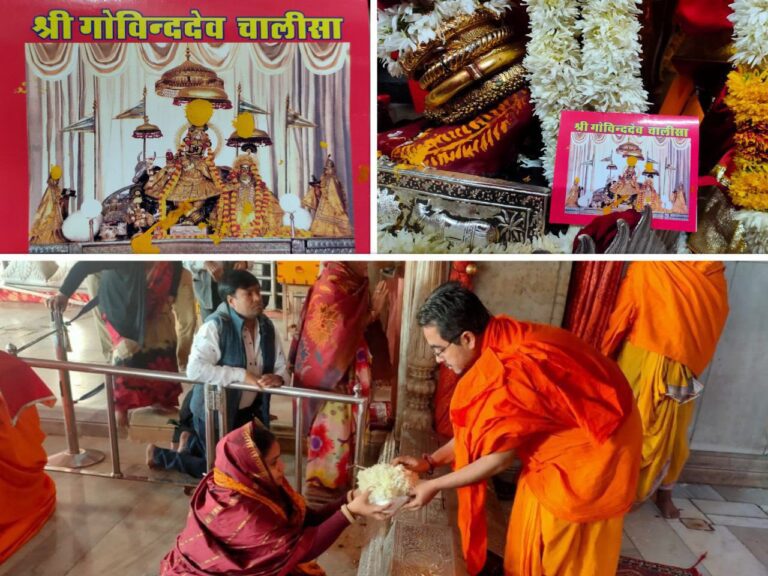
Kalyanji Temple
Kalyanji Temple in Jaipur's Chandpol Bazaar is approximately two centuries old and renowned for displaying the twenty-four avatars of Krishna, visible only twice yearly during Akha Teej and Patottsav festival.
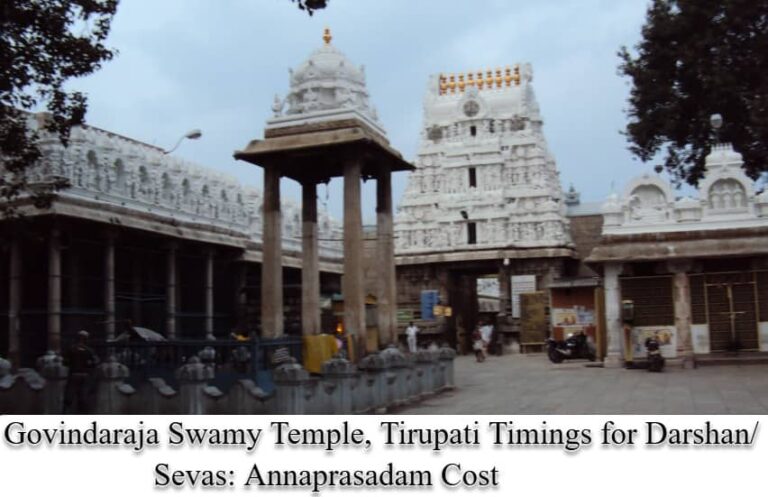
Govindarajaswamy Temple
Sri Govindarajaswamy Temple in Tirupati is an ancient Vaishnavaite shrine consecrated in 1130 AD by Saint Ramanuja, where the presiding deity rests in eternal Yoga Nidra on the serpent Adisesha.
Narbadeshwar Temple
The Narbadeshwar Temple in Hamirpur district, Himachal Pradesh, is a shrine dedicated to Lord Shiva, located in the Sujanpur Tira area.