Grishneshwar temple
About Grishneshwar temple
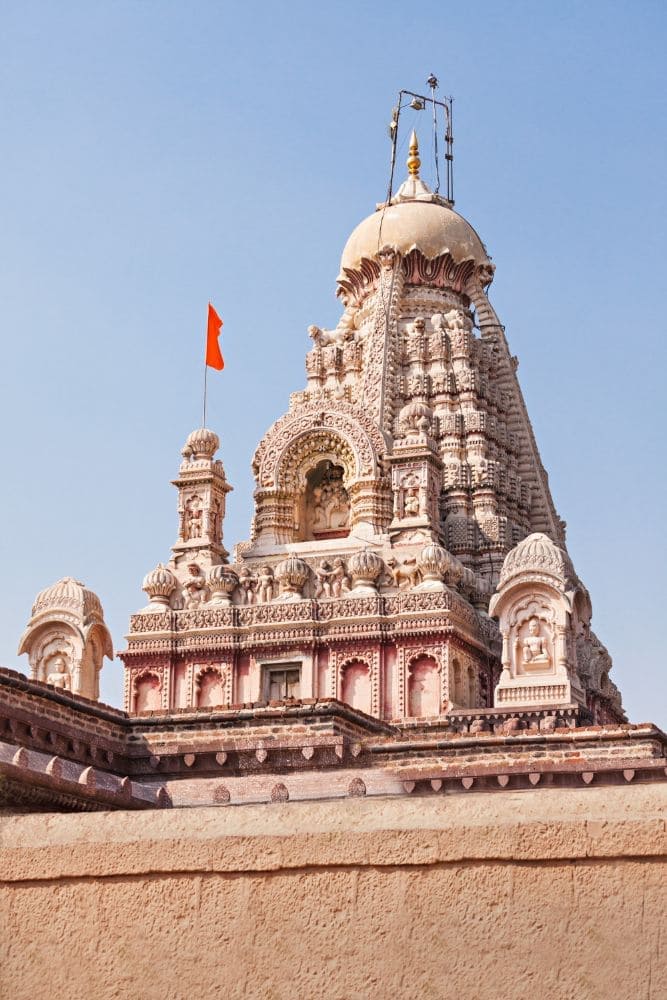
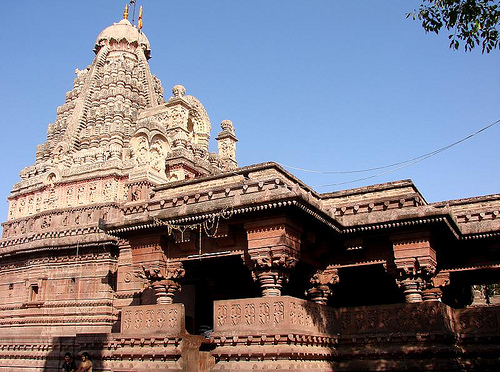
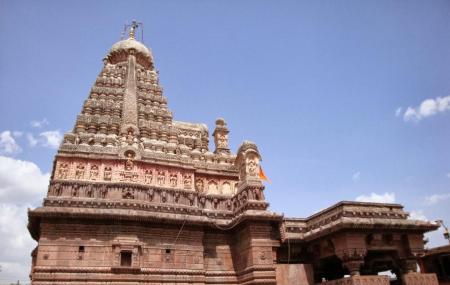
The temple's current structure reflects centuries of devotion and patronage. The original shrine was rebuilt in the 16th century by Maloji Bhosale, grandfather of Chhatrapati Shivaji Maharaj. The temple was later reconstructed in its present form during the 18th century by Queen Ahilyabai Holkar, whose architectural contributions shaped many sacred sites across India.
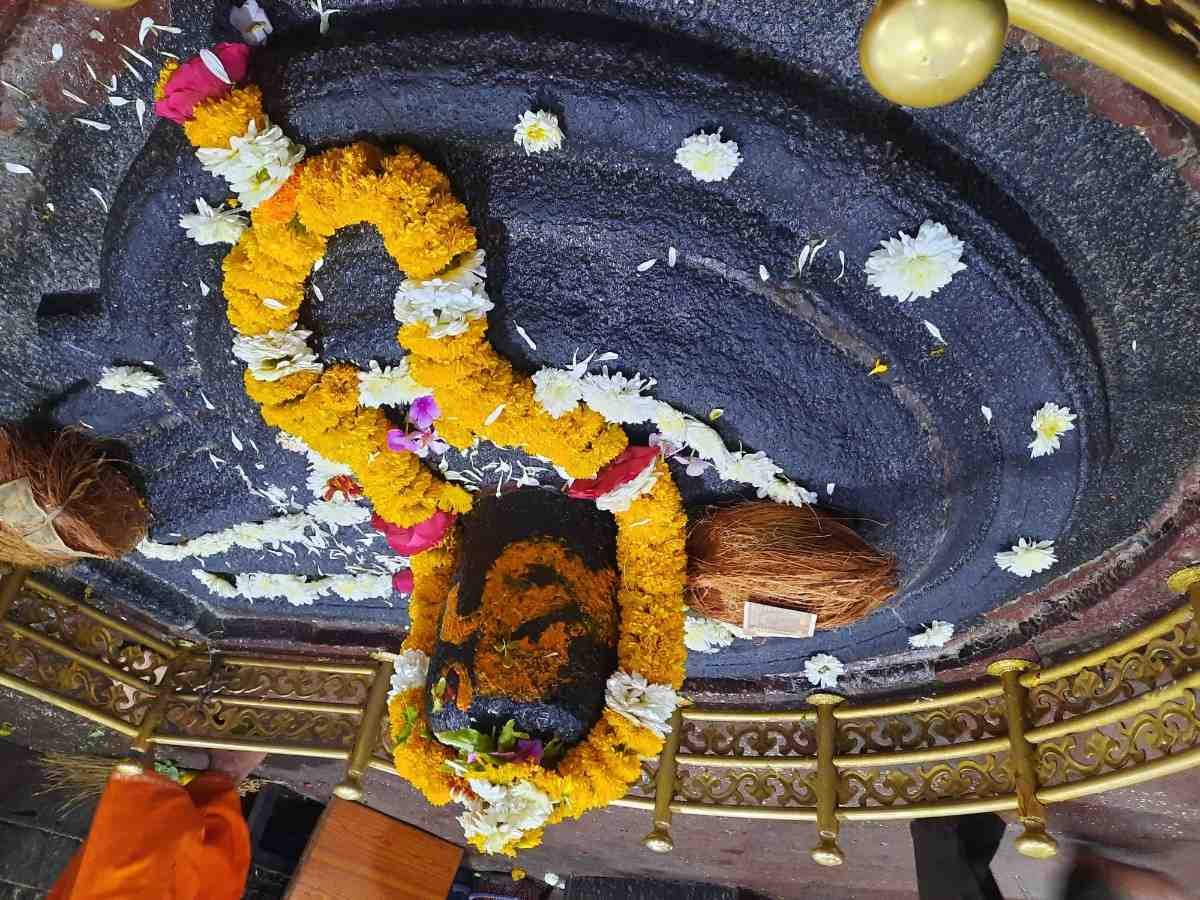
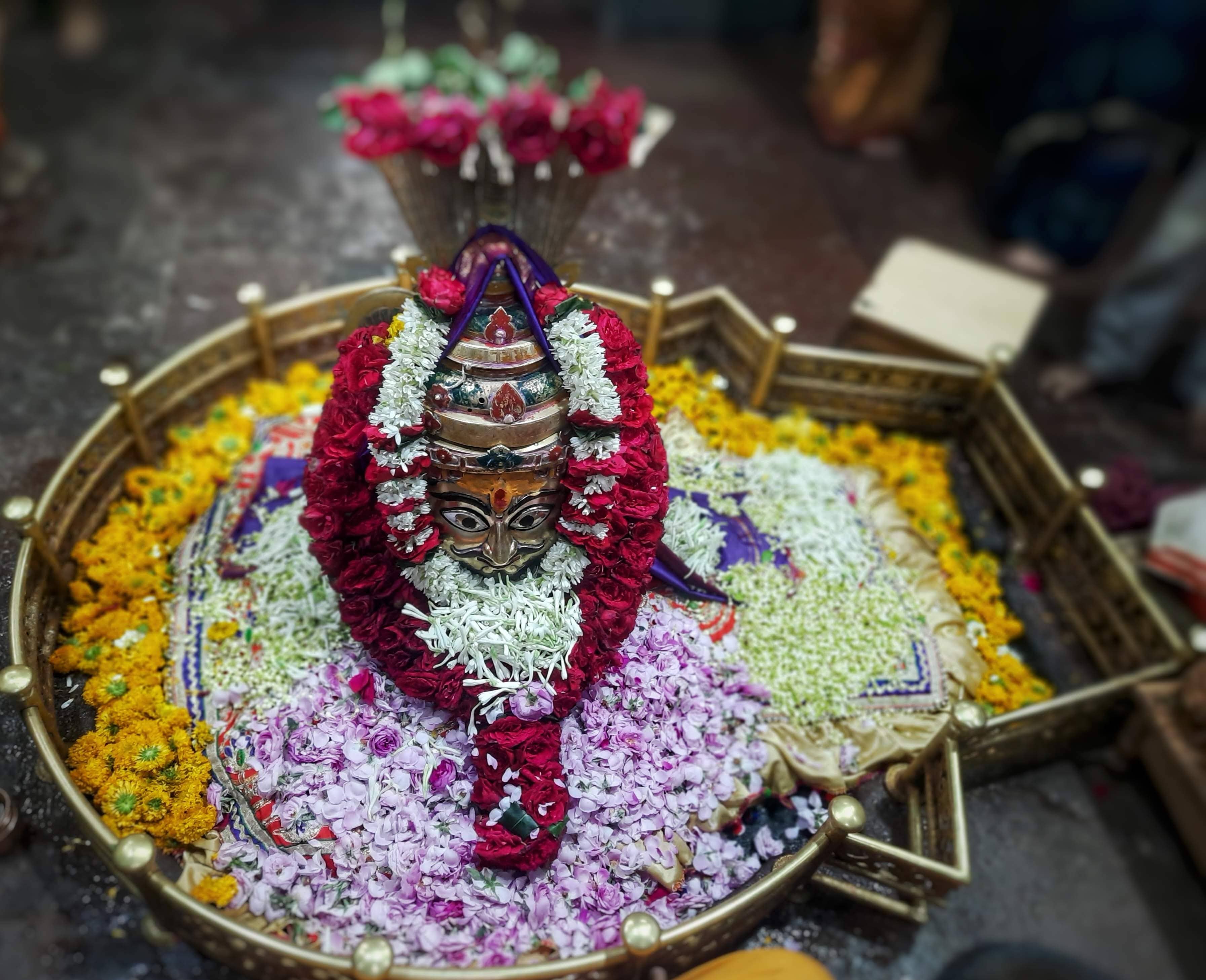
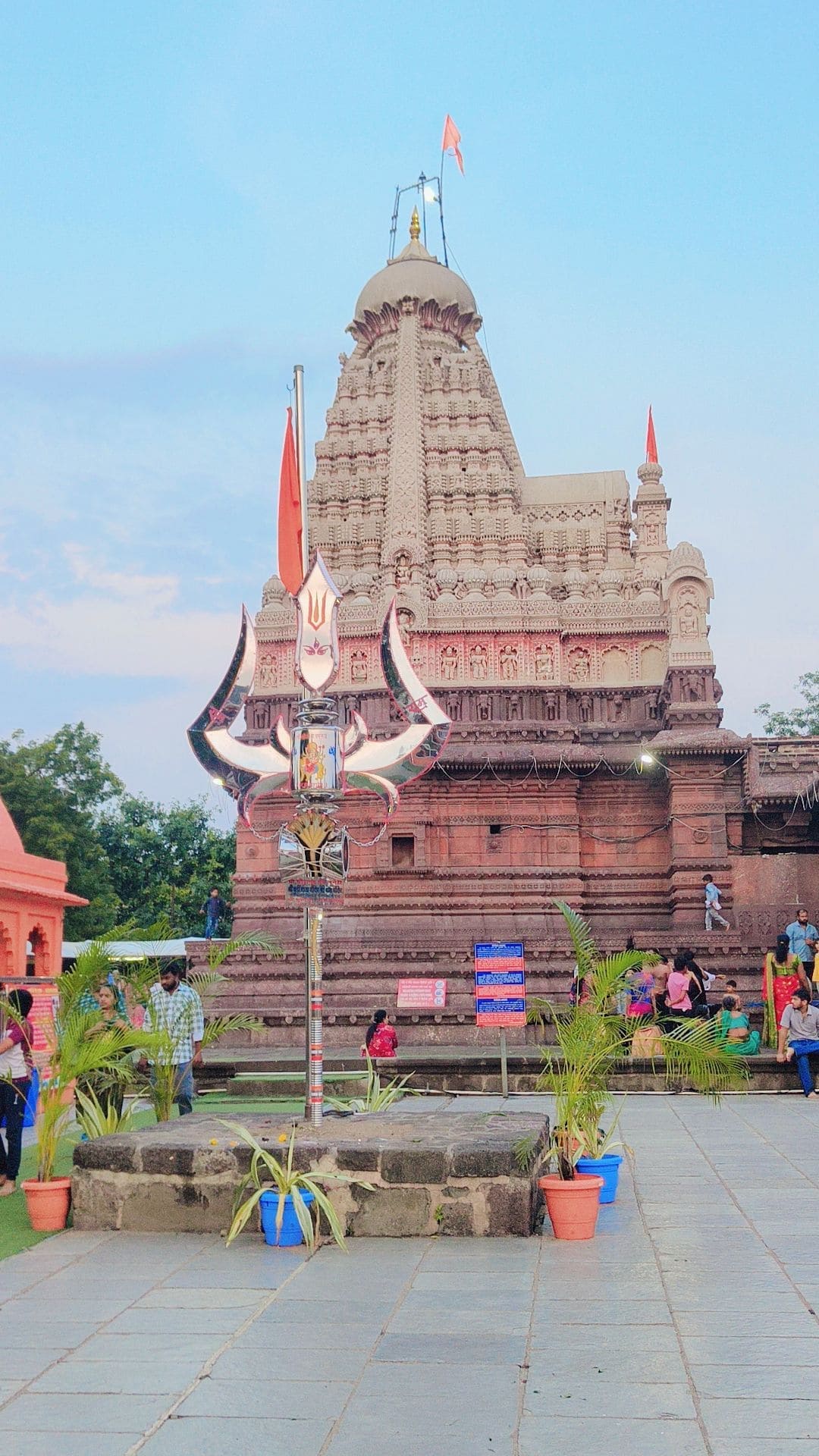
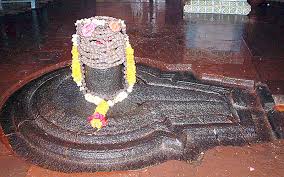
The temple is constructed from red stone and spans 44,000 square feet, displaying a South Indian architectural style that is uncommon in Maharashtra. The structure features golden finishing alongside the red stone, creating a distinctive appearance. Within the inner sanctum (Garbhagriha), the sacred Shivling is installed. At the entrance stands a Nandi statue, the sacred bull associated with Lord Shiva. The walls and pillars are adorned with carved representations of Lord Shiva, Goddess Parvati, and other divine figures.
Daily Darshan and Rituals
The temple maintains regular hours for devotees to receive darshan. Morning darshan begins at 5:30 AM and continues until noon, with an afternoon break. Evening darshan resumes at 1:00 PM and extends until 9:00 PM. Three principal aartis mark the day: the morning aarti at 5:00 AM, the Bhog Aarti at noon, and the evening aarti at 8:00 PM.
Puja services are available during designated hours—morning pujas from 6:00 AM to 11:30 AM and afternoon pujas from 2:00 PM to 7:00 PM. The temple offers several forms of worship, including Panchamrut Pujan, Jal Abhishek, Panchamrut Abhishek, Rudra Abhishek, and Mahapuja. For those unable to visit in person, arrangements can be made for priests to perform pujas on behalf of devotees, with prasad delivered by postal service. Devotees wishing to arrange such services should provide their full name, gotra, and postal address to the temple authorities.
Visiting Information and Etiquette
Visitors should plan their visit according to the temple's operating hours: morning darshan from 5:30 AM to 12:00 PM and evening darshan from 1:00 PM to 9:00 PM. The temple is located at Verul village, approximately 2 kilometers from the Ellora Caves. Modest dress is customary when visiting Hindu temples; devotees typically remove footwear before entering the inner sanctum. Photography policies may vary, so it is advisable to inquire with temple staff upon arrival.
For those seeking to perform specific pujas or rituals, the temple provides contact information through its official channels. Sanjay Dadarao Vaidya, the temple priest and trustee of the Grishneshwar Mandir Devasthan Trust, can be reached for arrangements and inquiries.
Nearby Places of Interest
The temple's location near Ellora offers visitors the opportunity to explore significant historical and religious sites. The Ellora Caves, a UNESCO World Heritage Site, lie just 2 kilometers away and represent an extraordinary example of rock-cut architecture spanning multiple faiths. Bhadra Maruti Temple, a historical monument, is situated 5.1 kilometers from Grishneshwar. Daulatabad Fort, a substantial historical fortification, stands 13.9 kilometers distant. The Aurangabad Caves, an important Buddhist site, are approximately 25 kilometers away. The Chhatrapati Shivaji Maharaj Museum and the Jain Temple at Ellora provide additional cultural and historical context for visitors exploring the region.
How to Reach
Grishneshwar Temple is accessible by multiple modes of transport. The nearest major city is Aurangabad, which has air, rail, and road connections. From Aurangabad, the temple can be reached by road via Verul village. The temple's proximity to the Ellora Caves makes it convenient for visitors planning to explore both sites during a single trip.
How to reach
Temples near Grishneshwar temple
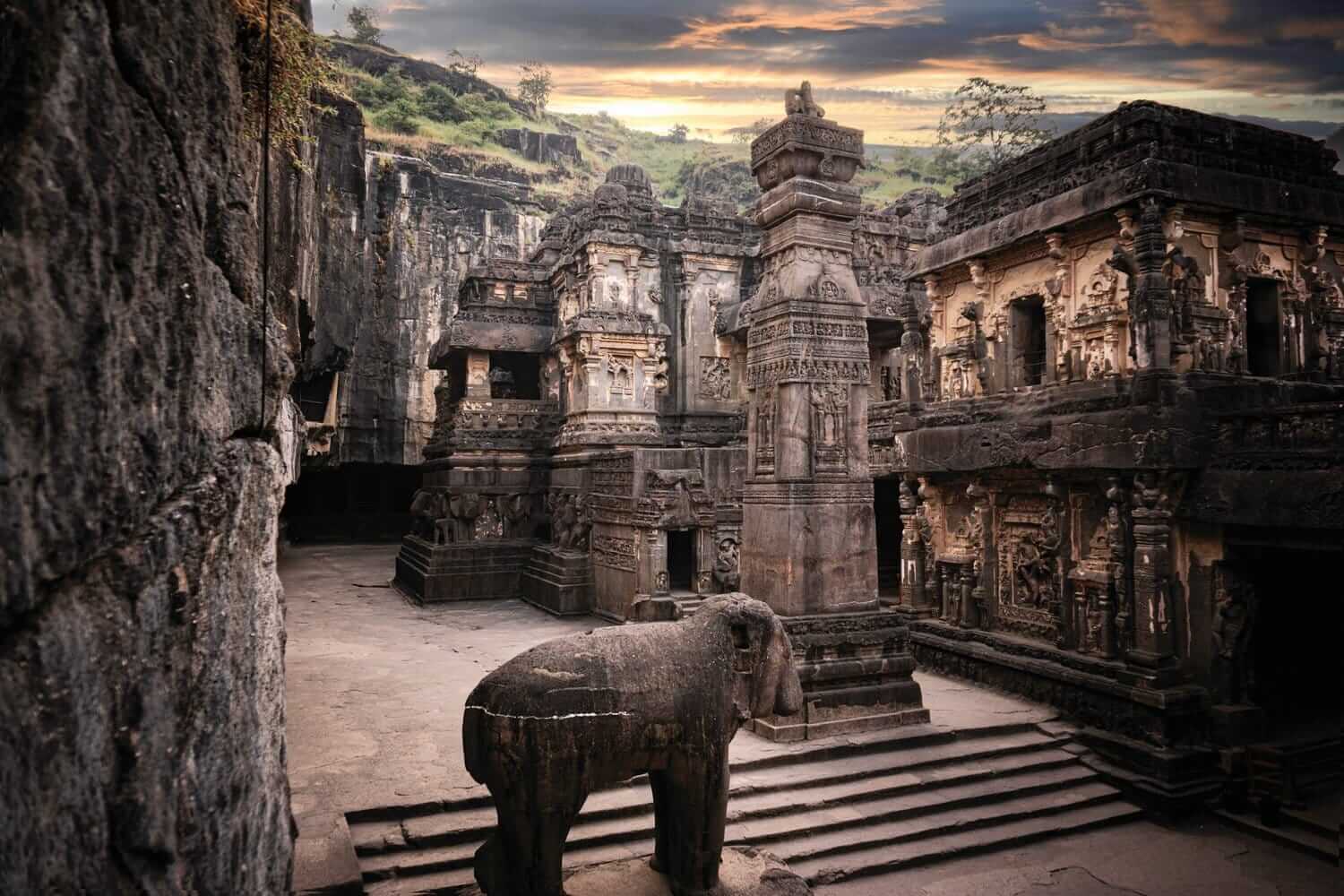
Ellora Caves
Ellora Caves is a UNESCO World Heritage Site comprising approximately 100 rock-cut caves representing Buddhist, Hindu, and Jain traditions, with the monolithic Kailasa Temple as…
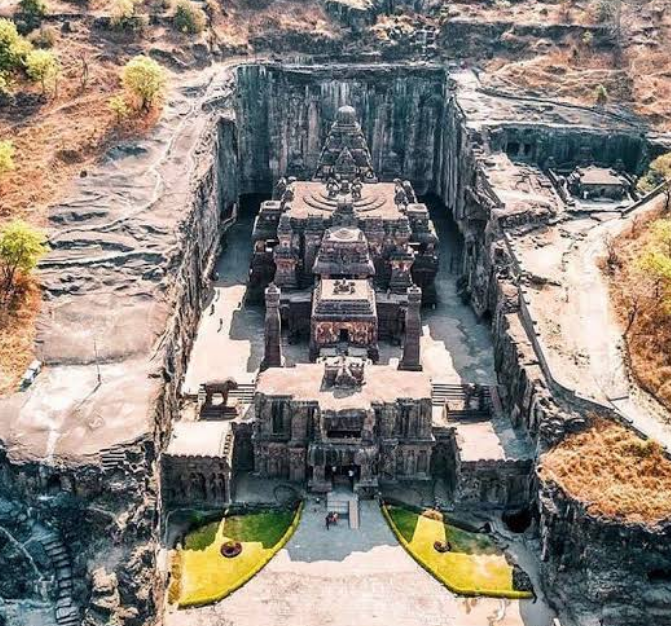
Kailasa Temple, Ellora
The Kailasa Temple at Ellora Caves is the largest rock-cut Hindu temple in India, carved downward from solid volcanic basalt by eighth-century artisans under Rashtrakuta king Kr…

Bhadra Maruti Temple
Bhadra Maruti Temple in Khuldabad, Maharashtra, enshrines Lord Hanuman in a rare reclining posture known as Bhava Samadhi, one of only three such temples in India. The white mar…

Siddheshwar temple, Toka
The Siddheshwar temple in Toka village showcases exceptional Yadava architecture from the 12th-13th century, featuring intricate sculptures and a sacred Shivlingam dedicated to…
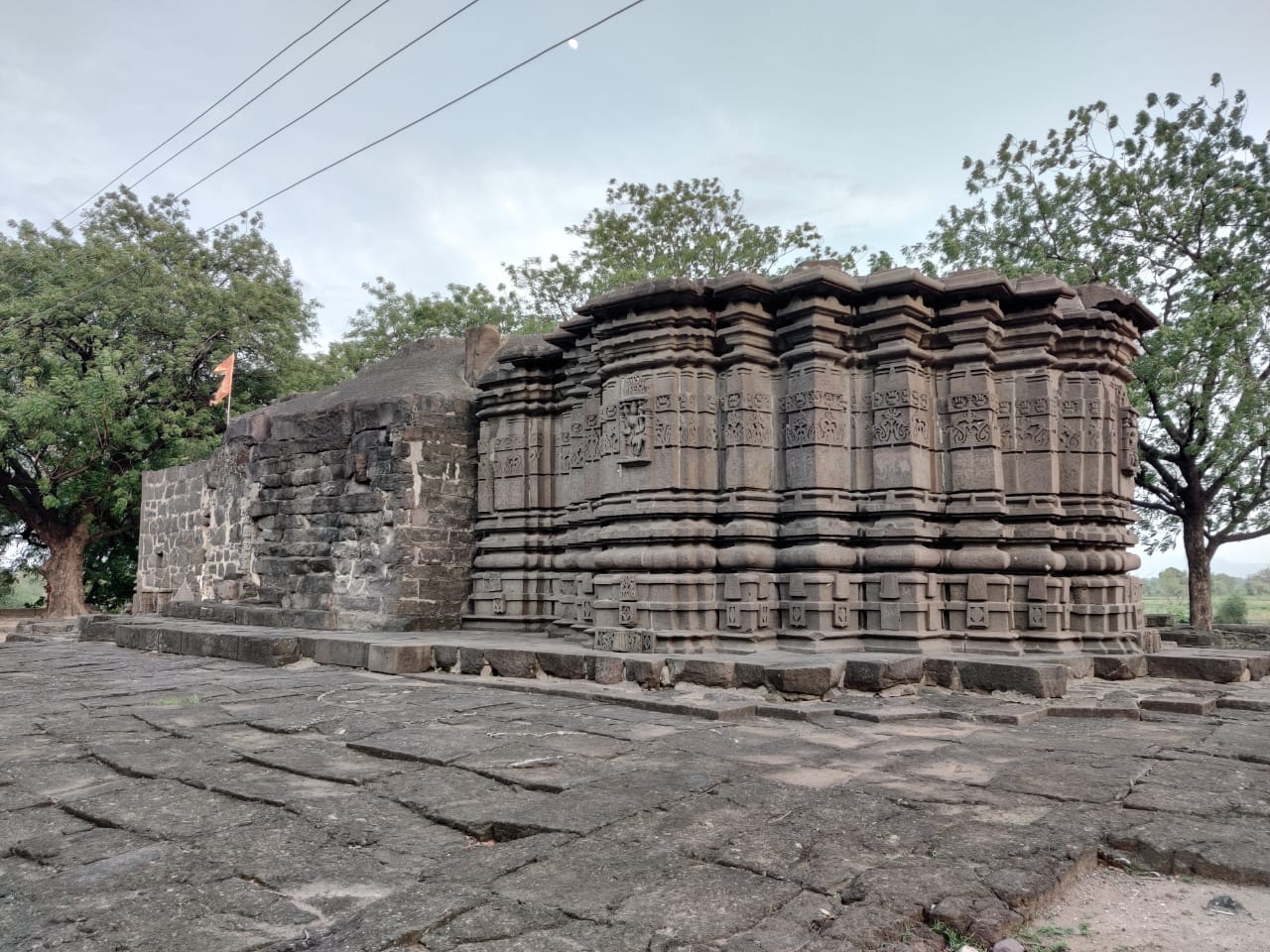
Mudhai Devi temple
Mudhai Devi temple is a medieval Hemadpanti structure dedicated to Goddess Mudhai, located in Waghali village within Jalgaon district's Khandesh region of Maharashtra.
Sai Tapovan
Sai Tapovan in Shirdi is the primary temple dedicated to Sai Baba, featuring his samadhi and hosting four daily aartis that form the spiritual rhythm of the complex.