Ellora Caves
About Ellora Caves
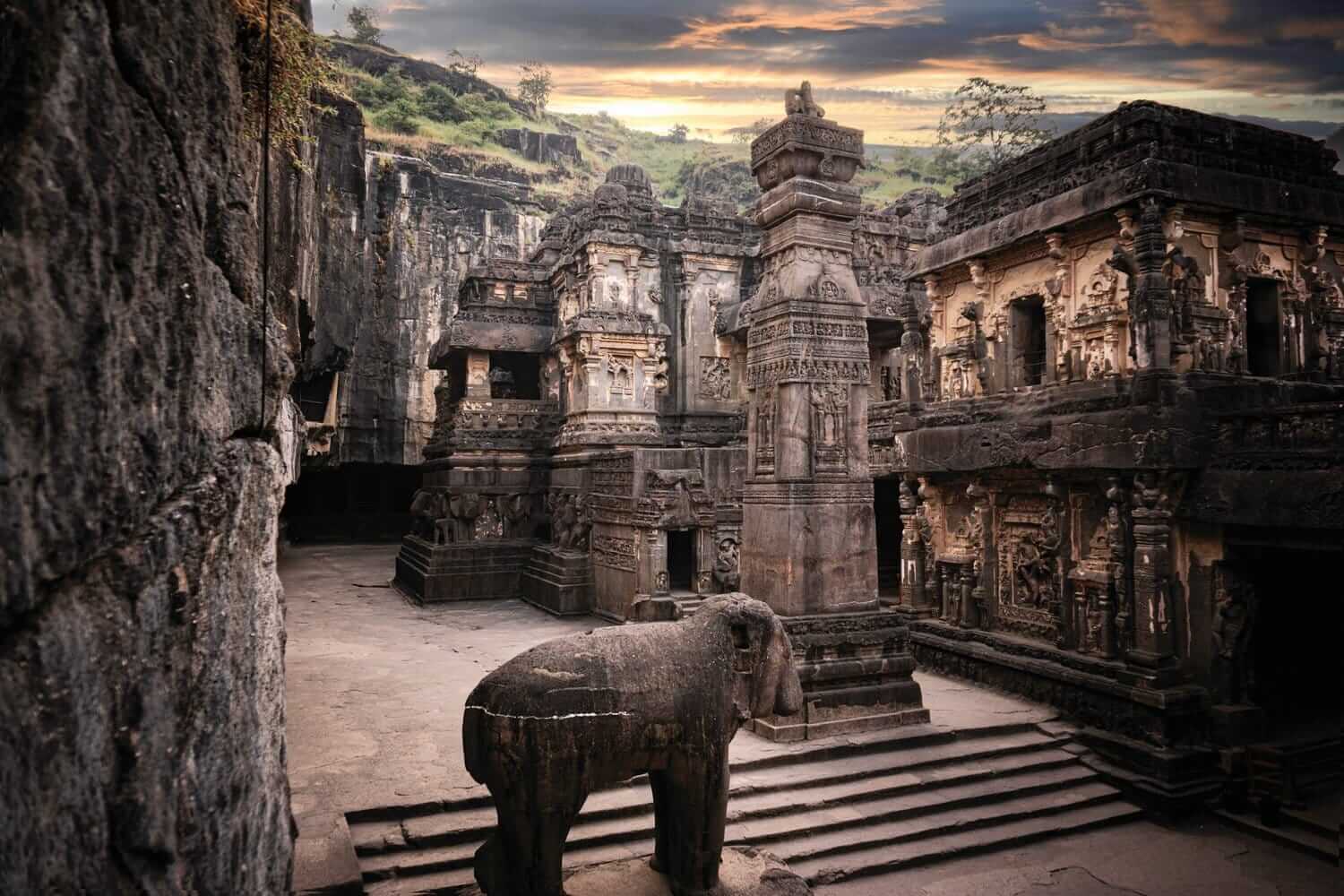
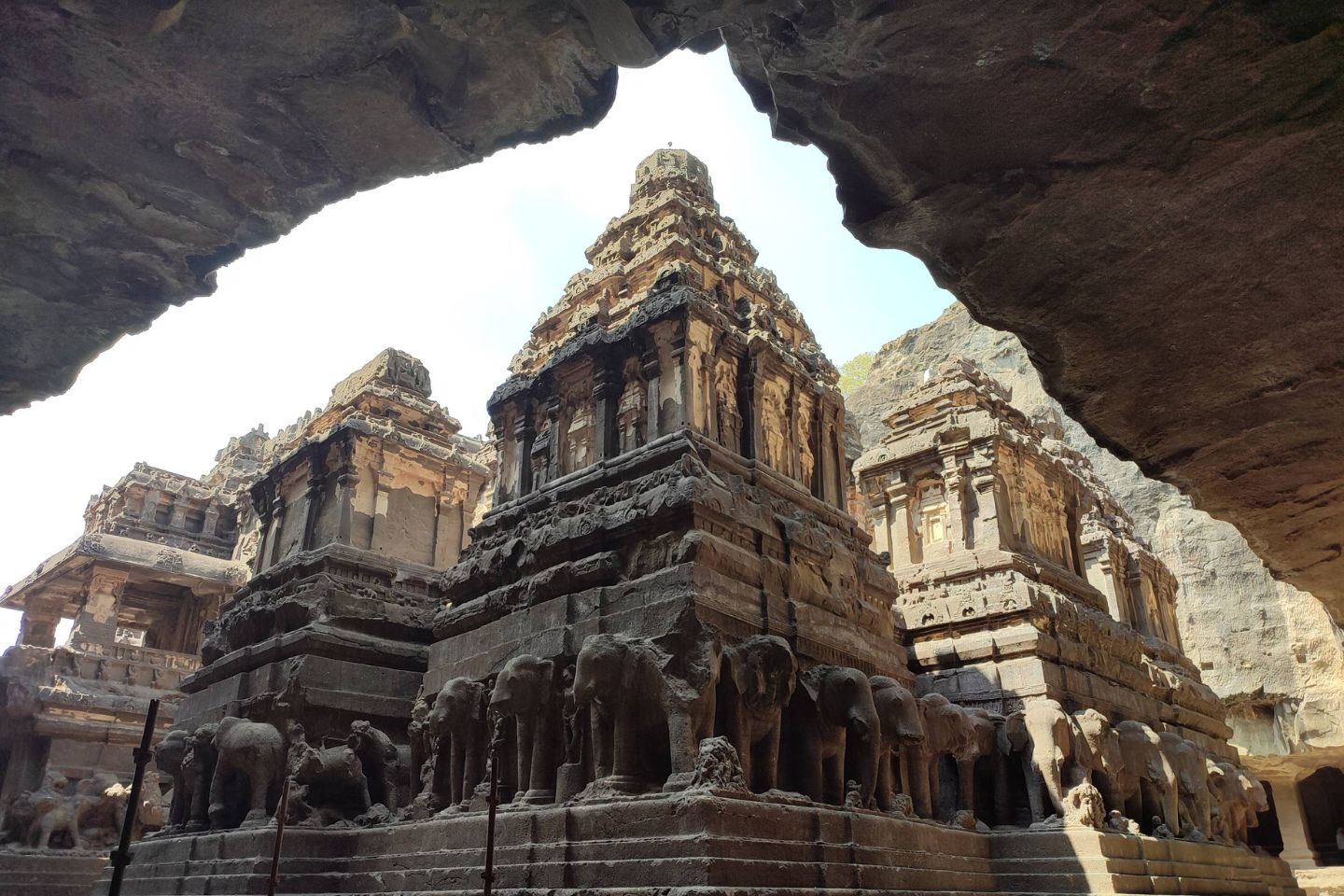
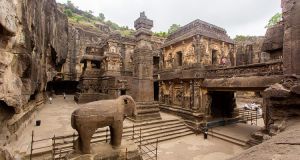
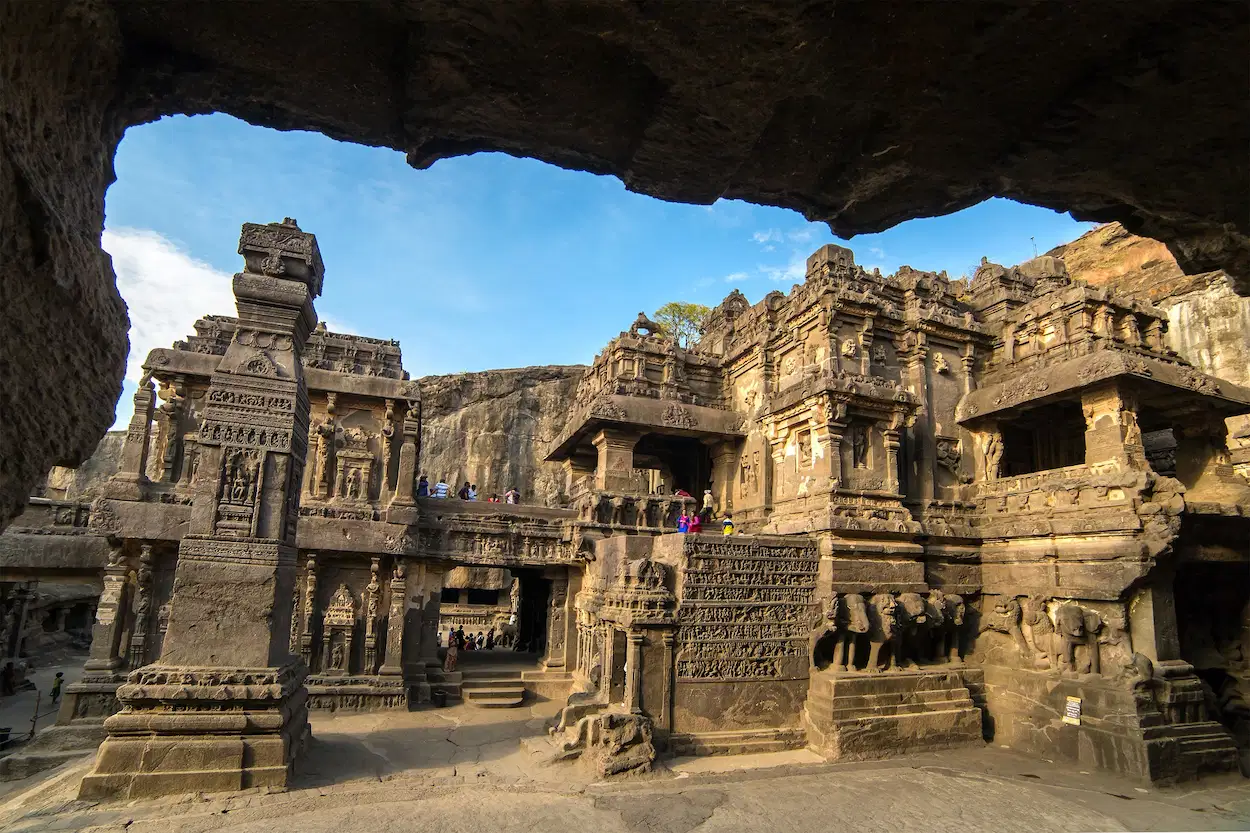
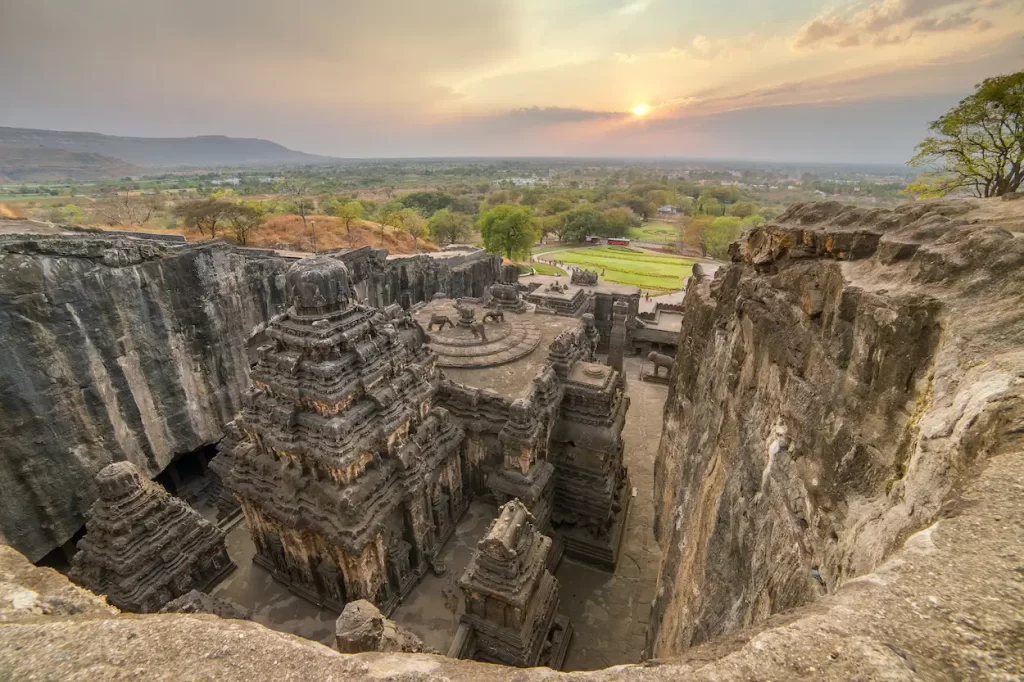
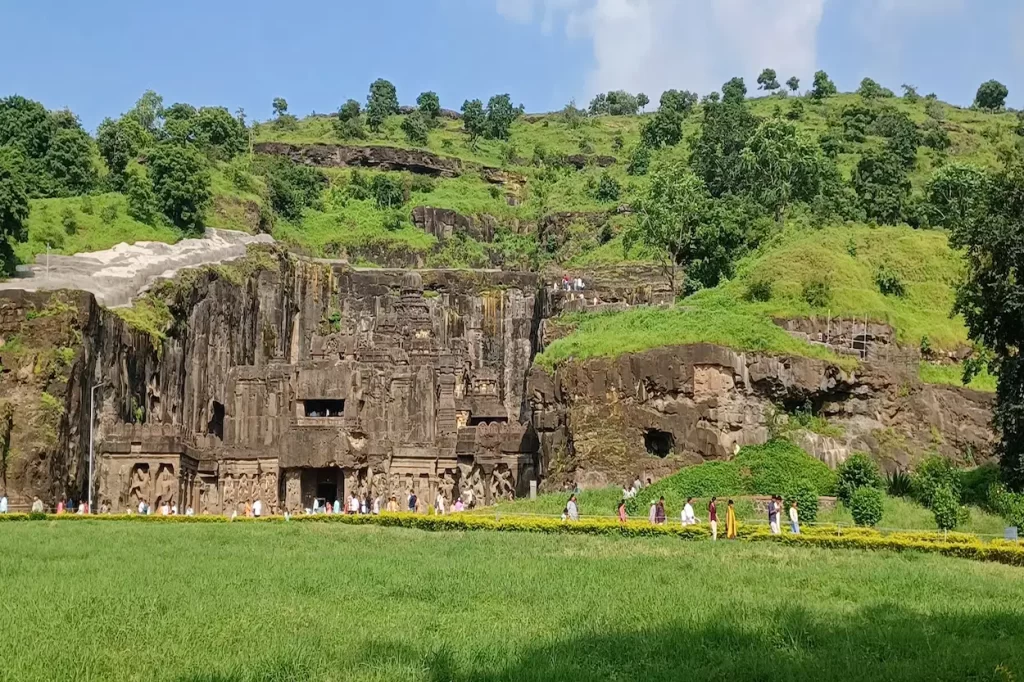
The Kailasa Temple dominates the Ellora complex and represents the pinnacle of rock-cut architecture from this era. Carved from top to bottom rather than built upward, this structure required the removal of approximately 200,000 tons of rock. The temple's design and execution reflect sophisticated understanding of both engineering and devotional aesthetics. Visitors approaching the site encounter this monumental work first, and its scale—carved entirely from the hillside—creates an immediate sense of the ambition behind its creation. The architectural techniques employed here influenced later temple construction across India, making Ellora a crucial site for understanding how medieval builders approached sacred space.
Visiting Hours and Practical Information
The caves are open Wednesday through Monday from 9:00 AM to 5:30 PM, with Tuesday as the weekly closure day. Entry fees are ₹40 for Indian citizens and ₹600 for foreign tourists, with children under 15 admitted free. A camera fee of ₹25 applies for non-professional photography; video and drone photography require special permission from the Archaeological Survey of India.
The best time to visit is November through February, when temperatures are moderate. Within these months, morning hours between 9:00 AM and 11:00 AM offer optimal conditions for photography and exploration, with cooler temperatures and clearer light. Most visitors spend 3 to 4 hours exploring the site. Arriving by 8:45 AM allows time to purchase tickets before the main crowds arrive. The last entry occurs around 4:30 PM, so late arrivals risk incomplete exploration. Carry small cash notes, as card payments are unreliable due to weak network signals in the area.
Facilities and Guidance
A single main entrance provides access to ticket counters, parking, restrooms, drinking water, and an MTDC restaurant. Certified guides are available for hire at the ticket counter—local guides typically charge ₹500–₹800 for 1.5 to 2 hours, while ASI-licensed group guides cost ₹1,000–₹1,500 for 2 to 3 hours. Always verify an ASI identification badge before engaging a guide. Hiring a guide significantly enhances understanding of the site's 1,500-year-old artistic and historical context.
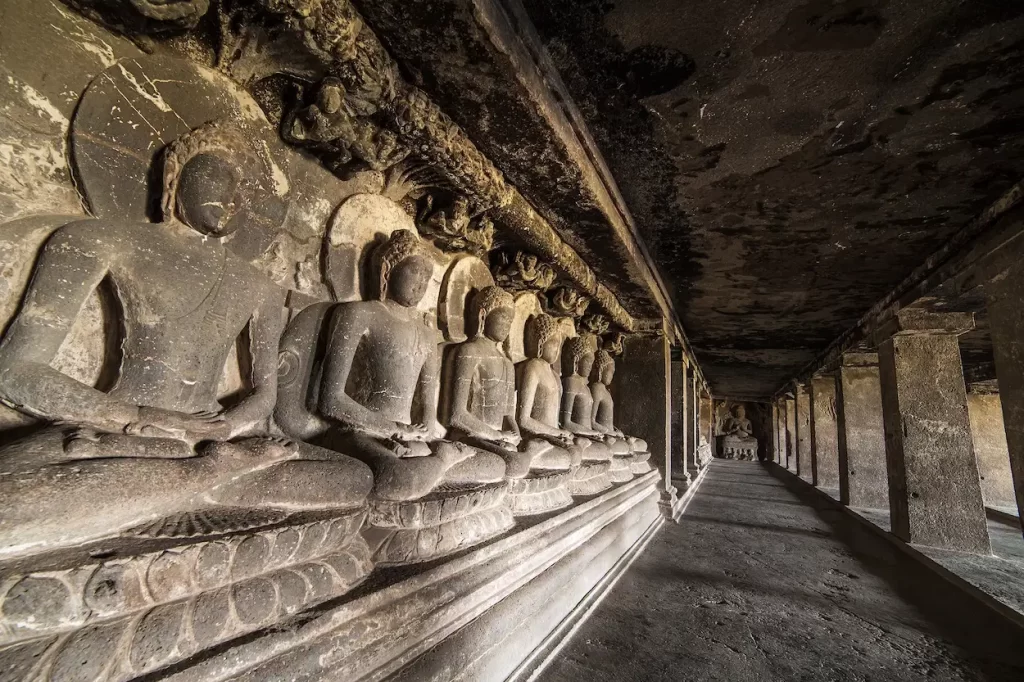
The caves themselves are naturally shaded in places, making midday (11:30 AM to 2:00 PM) a practical time to explore the Buddhist caves when external temperatures peak. The Jain caves benefit from afternoon light after 3:00 PM. Parking is located near the main entrance, a short walk from the caves themselves.
What to Know Before You Visit
Ellora's significance lies in its archaeological and artistic value rather than in active daily worship rituals. Visitors should approach the site with respect for its sacred character across multiple traditions. Modest dress is appropriate, particularly when entering cave interiors where devotional imagery is present. The terrain involves walking and climbing, so sturdy footwear is essential. Water and sun protection are necessary, especially during midday hours.
Photography is permitted with the camera fee, making the site popular with those documenting medieval Indian architecture. The interplay of light and shadow within the caves creates compelling visual conditions, particularly in early morning and late afternoon. However, be mindful that some interior spaces have limited lighting, and flash photography may be restricted in certain areas to protect carved surfaces.
Location and Access
Ellora Caves are located in Ellora, Aurangabad District, Maharashtra, at coordinates 20.0268, 75.1771. The site is recognized as a UNESCO World Heritage property. Visitors can obtain step-by-step directions via standard mapping applications. The Archaeological Survey of India maintains the site and provides official information through its website (asi.nic.in).
How to reach

Temples near Ellora Caves
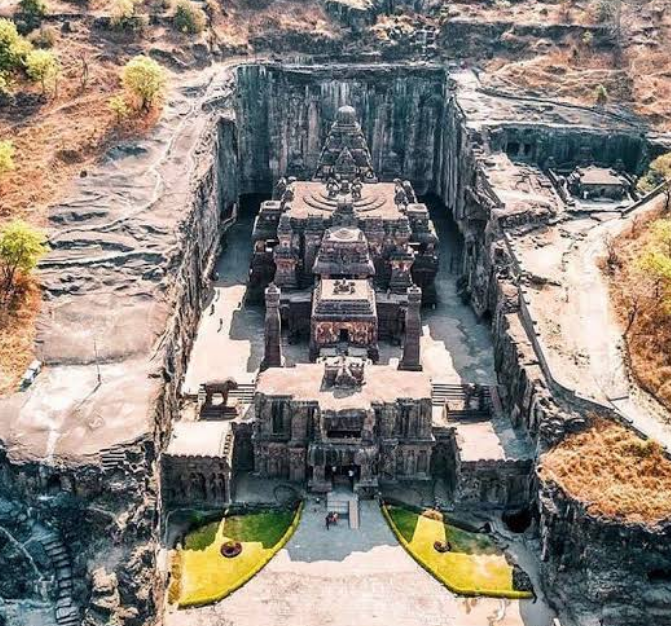
Kailasa Temple, Ellora
The Kailasa Temple at Ellora Caves is the largest rock-cut Hindu temple in India, carved downward from solid volcanic basalt by eighth-century artisans under Rashtrakuta king Kr…
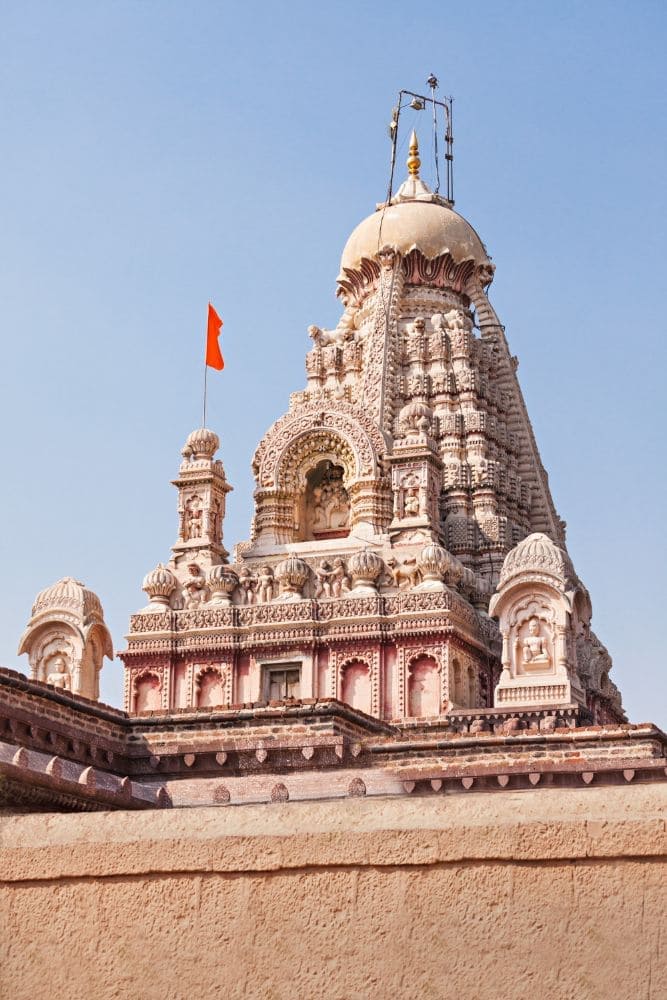
Grishneshwar temple
Grishneshwar Jyotirlinga is the twelfth and final Jyotirlinga of Lord Shiva, located near the Ellora Caves in Maharashtra. Rebuilt by Queen Ahilyabai Holkar in the 18th century,…

Bhadra Maruti Temple
Bhadra Maruti Temple in Khuldabad, Maharashtra, enshrines Lord Hanuman in a rare reclining posture known as Bhava Samadhi, one of only three such temples in India. The white mar…

Siddheshwar temple, Toka
The Siddheshwar temple in Toka village showcases exceptional Yadava architecture from the 12th-13th century, featuring intricate sculptures and a sacred Shivlingam dedicated to…
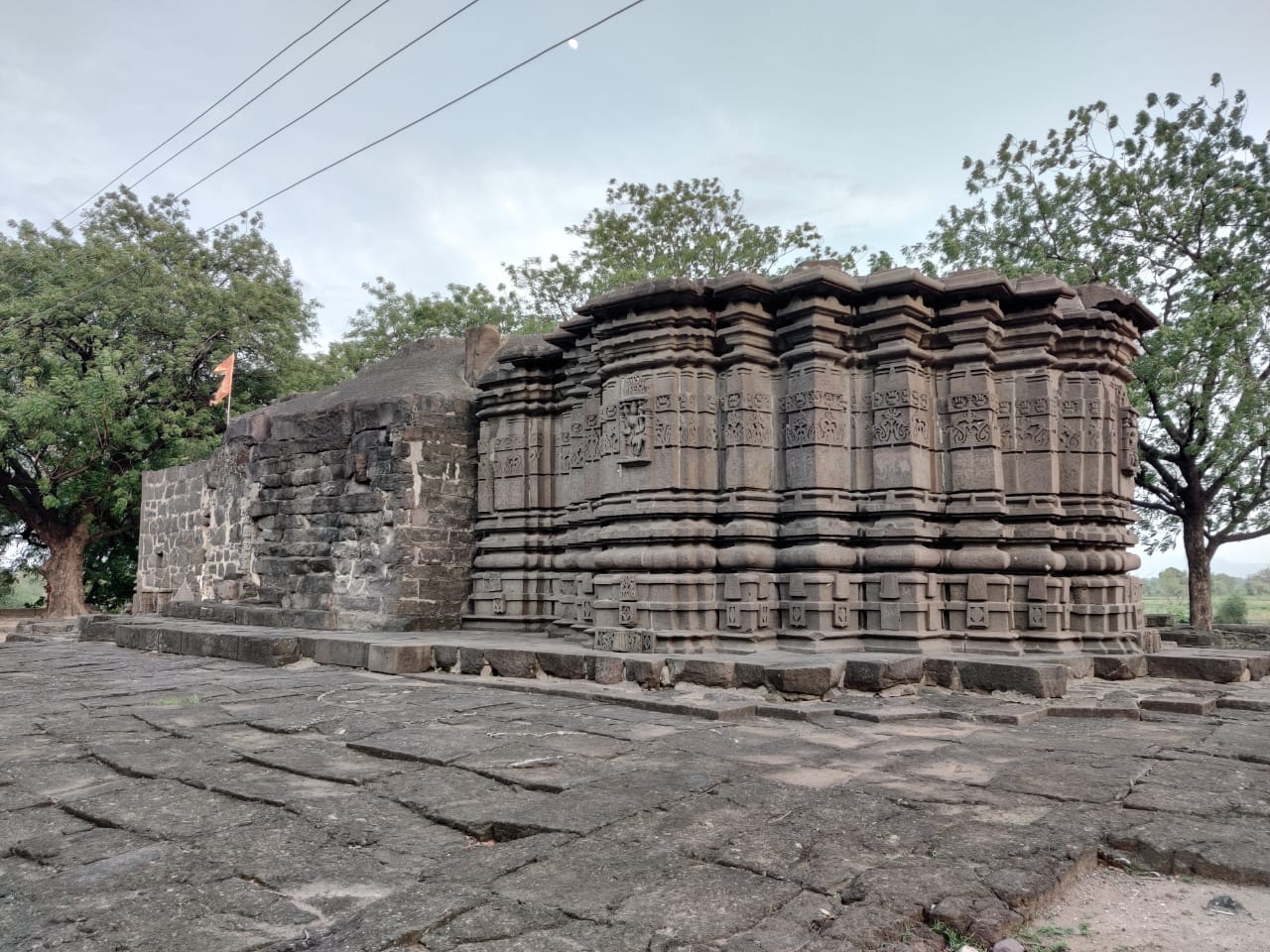
Mudhai Devi temple
Mudhai Devi temple is a medieval Hemadpanti structure dedicated to Goddess Mudhai, located in Waghali village within Jalgaon district's Khandesh region of Maharashtra.
Sai Tapovan
Sai Tapovan in Shirdi is the primary temple dedicated to Sai Baba, featuring his samadhi and hosting four daily aartis that form the spiritual rhythm of the complex.