


Dhandai Devi
About Dhandai Devi
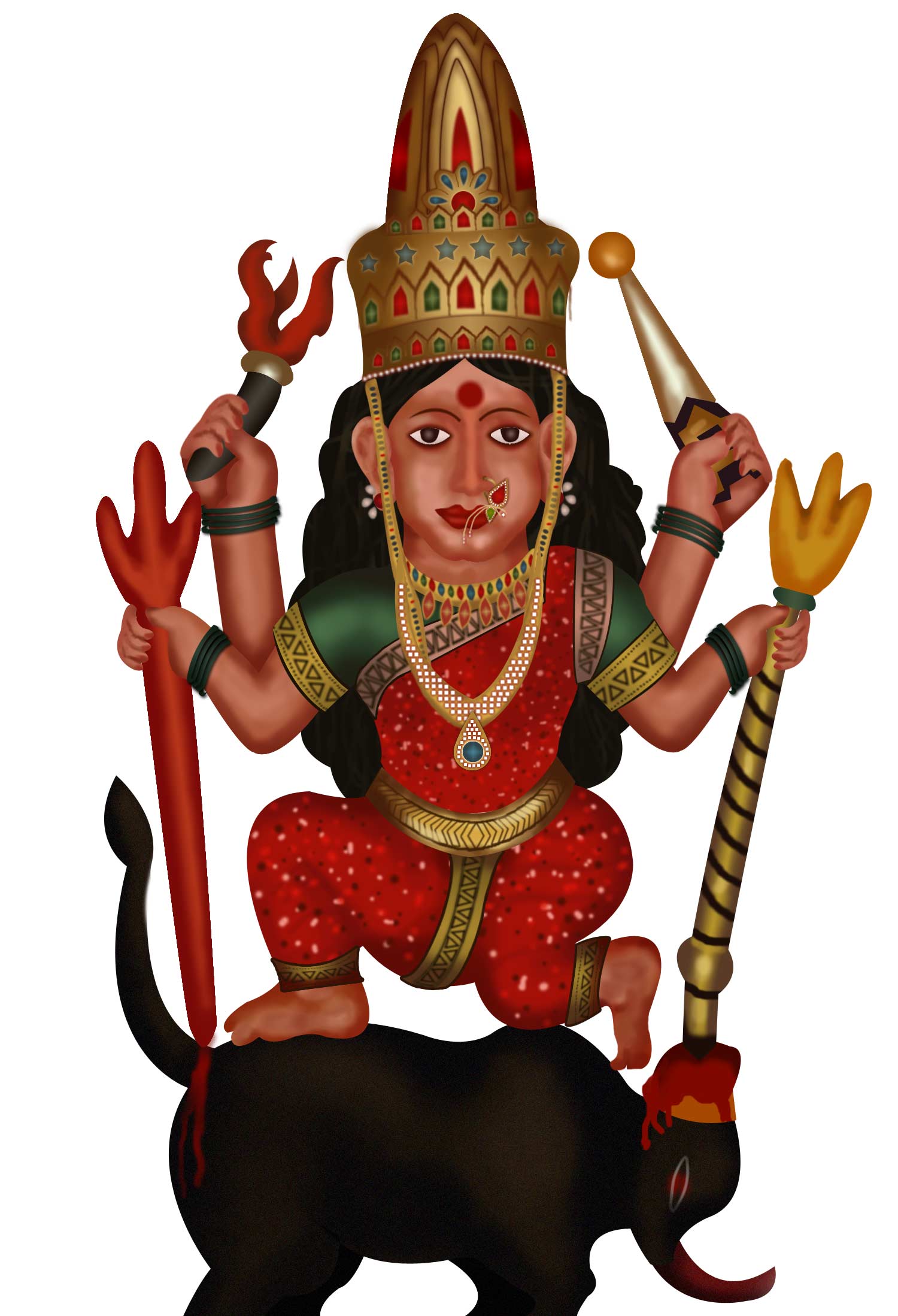
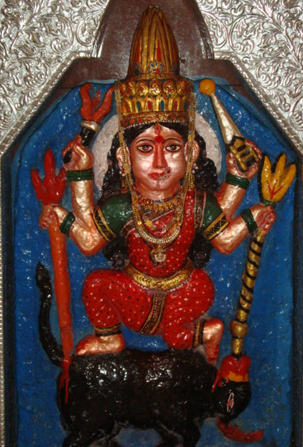
The temple's origins predate 1964, though the shrine fell into neglect over time. The structure was eventually abandoned, and local Bhil communities living in the surrounding forest area maintained the site as best they could. The temple's return to active worship came through an extraordinary event in 1964. A woman named Pramilā Kulkarnī, wife of the postmaster in Sakri, experienced visions of the goddess appearing to her in dreams. Moved by these experiences, she traveled to Mhasdi village and visited the neglected shrine. Upon arrival, she became possessed by the deity's presence and, in a state of divine absorption, rushed toward the temple. Villagers who followed her to the site witnessed her embrace the original stone idol. When they carefully removed the accumulated vermillion paste that had built up over generations of worship, they discovered beneath it a finely carved stone murti approximately three and a half feet in height, complete with an ornate crown. This discovery transformed the temple from a forgotten ruin into an active place of pilgrimage once again.
Location and Access
The temple stands approximately one and a half kilometers from Mhasdi village in Sakri taluka, Dhule district. Mhasdi itself lies about twenty kilometers from Sakri town. Visitors traveling via National Highway 6 (NH-6) can reach the area by road. The temple's coordinates are 20.886448, 74.4160043. Recent visitor accounts note that signage from the highway to the temple entrance could be improved, and travelers unfamiliar with the route may benefit from seeking local directions upon arrival in Mhasdi village.
The Sacred Idol and Temple Grounds
The primary object of worship is the stone murti of Dhandai Mata, carved in the classical style and crowned with an ornate headdress. The idol's rediscovery in its original form—freed from centuries of ritual vermillion application—became the central event in the temple's modern history. The temple grounds are situated in a naturally forested setting that devotees describe as peaceful and conducive to meditation. Recent years have seen improvements to the temple's maintenance and facilities, reflecting growing devotional activity at the site.
Visiting the Temple
Visitors should approach the shrine with the respect due to a family deity temple. Modest dress is appropriate, and shoes are typically removed before entering the sanctum. The temple welcomes pilgrims from the communities for whom Dhandai Mata serves as kuldevata, as well as other devotees drawn to worship Adi Shakti. The natural surroundings make the site suitable for quiet prayer and reflection. Contact information for the temple is available through the official website (dhandaimata.com) and by phone at +91 99222 28307 for those wishing to inquire about specific visiting times or ceremonies.
The Living Tradition
Dhandai Mata remains an active place of worship for families maintaining her as their ancestral guardian. The temple's significance lies not in grand festivals or elaborate ceremonies documented in historical records, but in the ongoing spiritual connection between the goddess and the communities she protects. For members of the lineages listed as her devotees, pilgrimage to Mhasdi represents a renewal of family bonds with the divine and with one another. The 1964 rediscovery transformed a forgotten shrine into a living center of devotion, demonstrating how sacred sites can be restored to active worship through the faith and experiences of individual devotees.
How to reach
Temples near Dhandai Devi
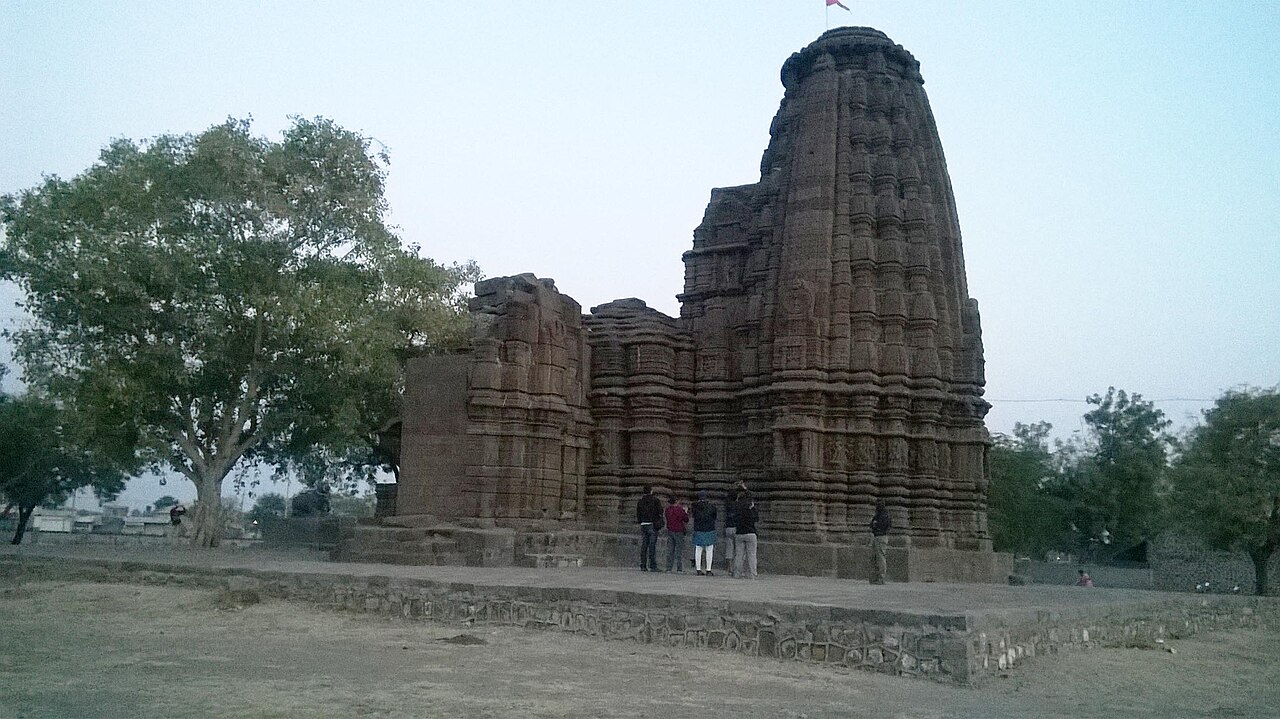
Mankeshwar temple, Zodage
Mankeshwar temple is an ancient Shiva shrine located in Zodage village adjacent to the Mumbai-Agra National Highway in Nashik District, Maharashtra, approximately 128 km from Na…

Saptashrungi
Saptashrungi Devi Temple is a Shakti Peeth located on a seven-peaked mountain range near Vani in Nashik district, Maharashtra. The deity is Saptashrungi Nivasini Devi, believed…
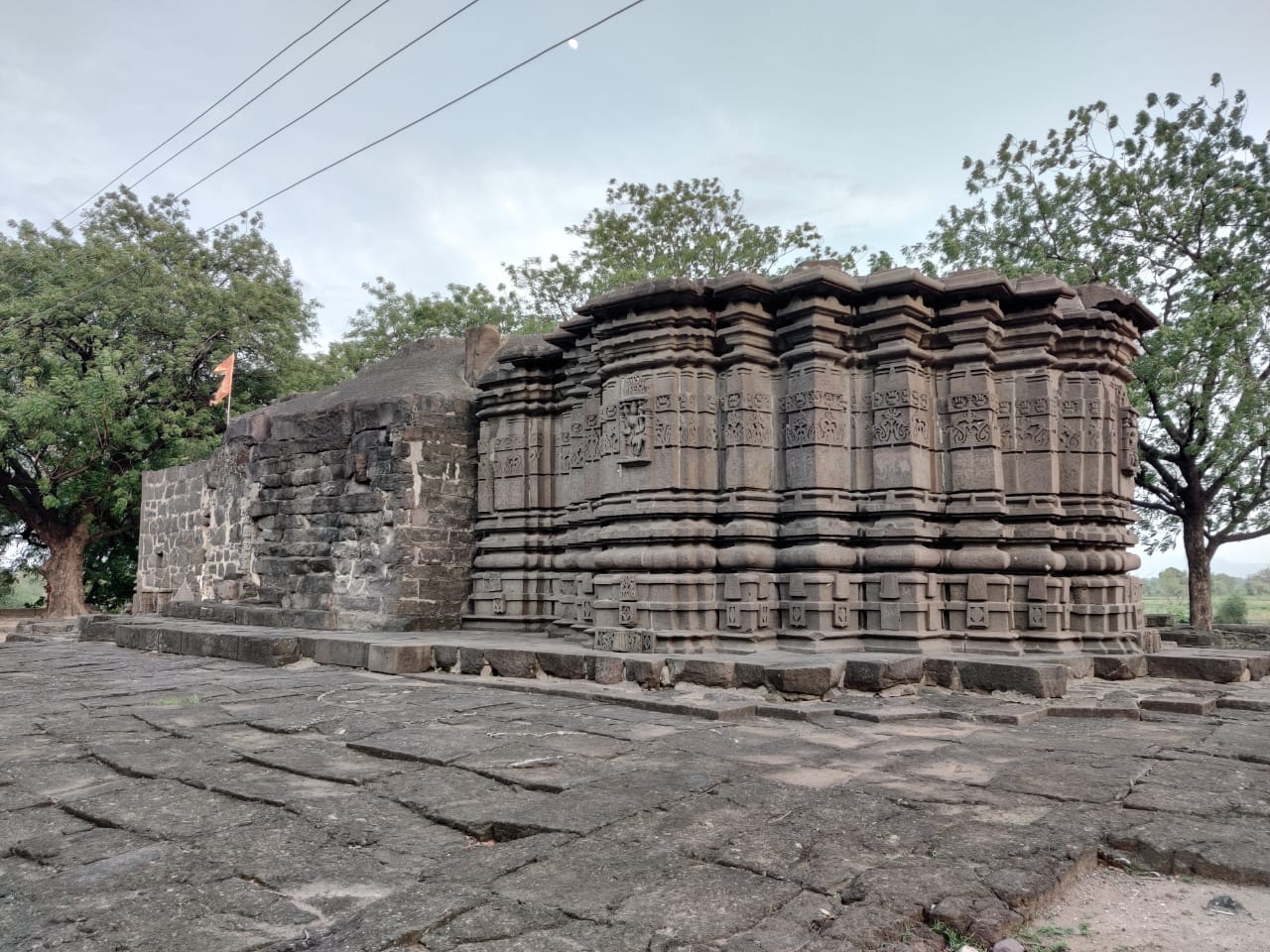
Mudhai Devi temple
Mudhai Devi temple is a medieval Hemadpanti structure dedicated to Goddess Mudhai, located in Waghali village within Jalgaon district's Khandesh region of Maharashtra.
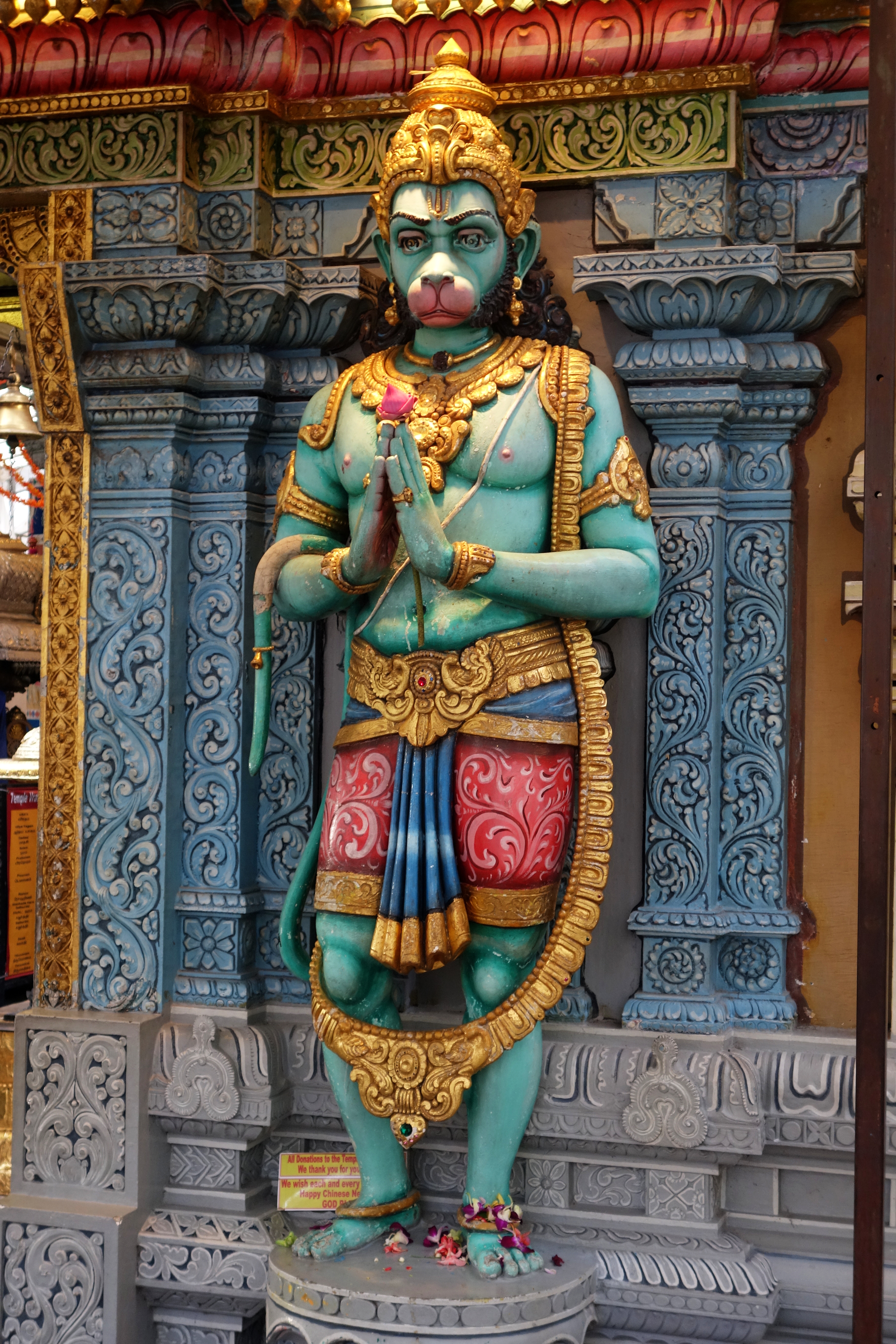
Sankat Mochan Veer Hanuman Mandir
Sankat Mochan Veer Hanuman Mandir in Nashik is a 16th-century temple dedicated to Lord Hanuman, revered as the reliever of troubles and liberator from difficulties.
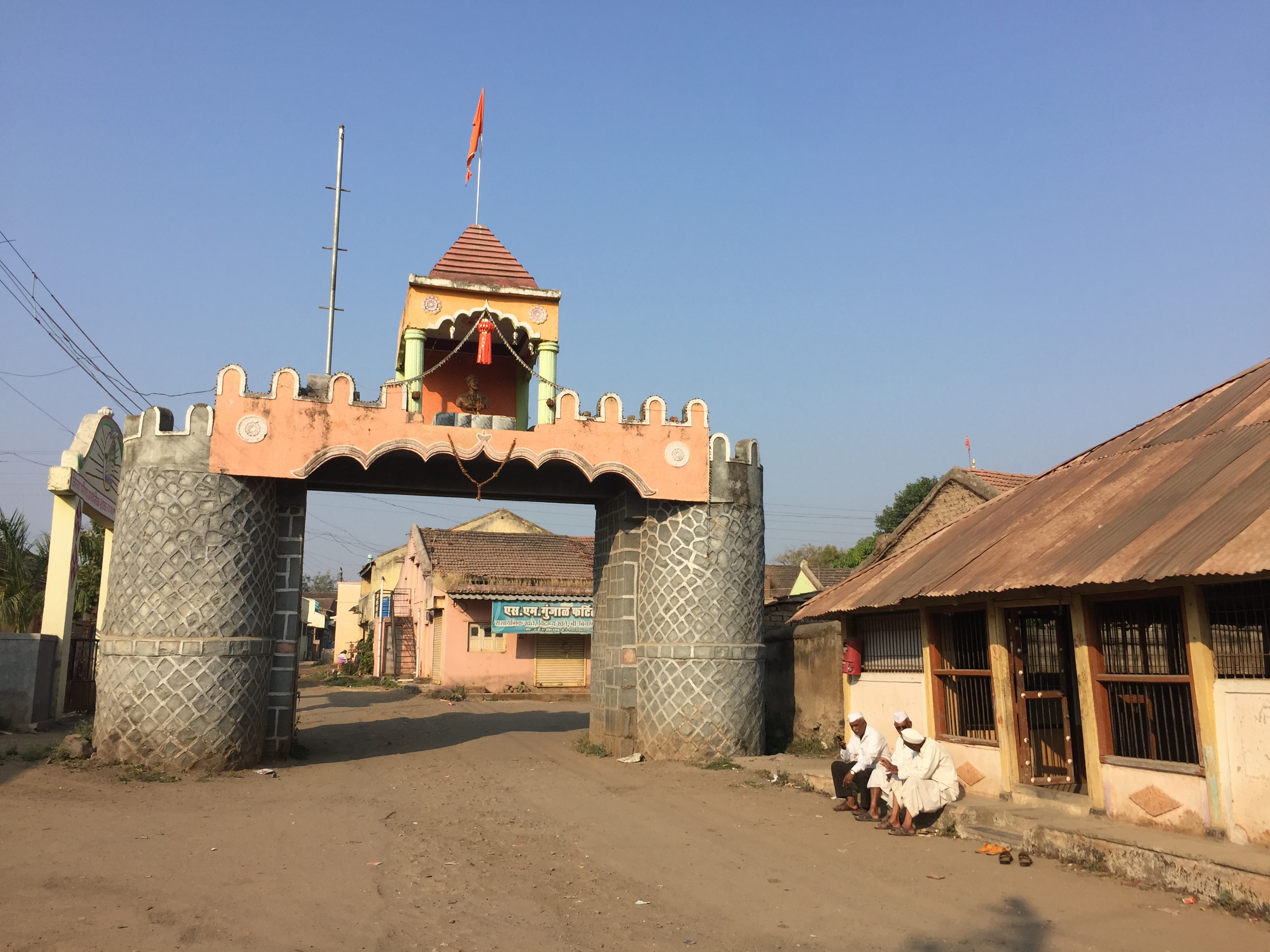
Sant Dnyaneshwar Mauli Mandir
Sant Dnyaneshwar Mauli Mandir in Nashik honors the bhakti saint-poet Dnyaneshwar. The temple operates daily from 6 AM to 9 PM with evening aarti at 7 PM.
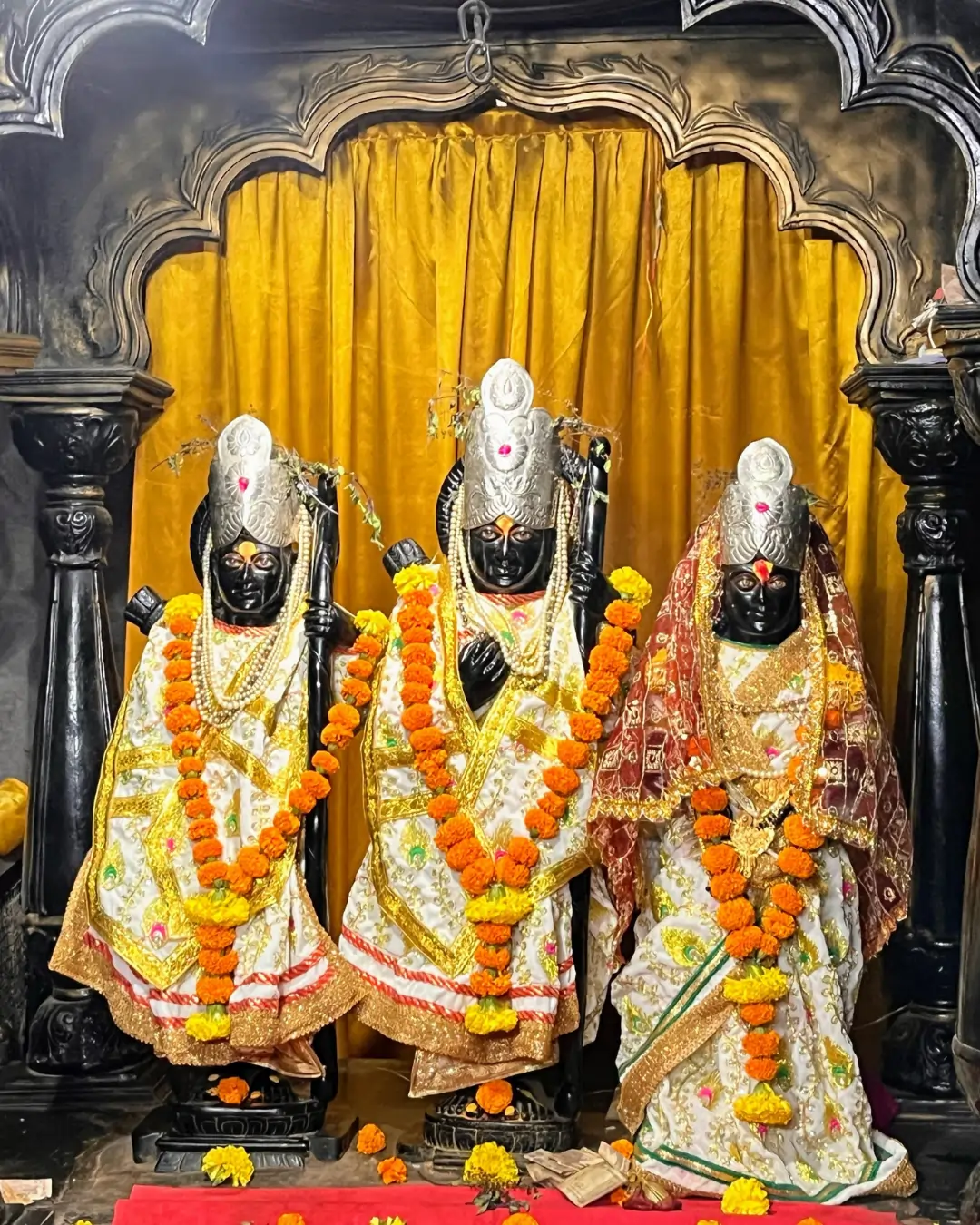
Sita Gufa
Sita Gufa is a sacred natural cave shrine in Nashik's Panchavati region, revered for its connection to Sita from the Ramayana and as a site of Shiva worship.