Kailasa Temple, Ellora
About Kailasa Temple, Ellora
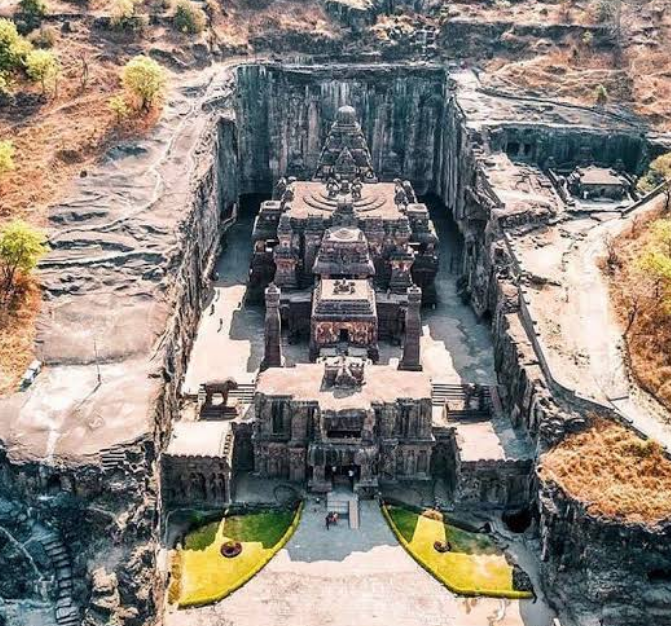
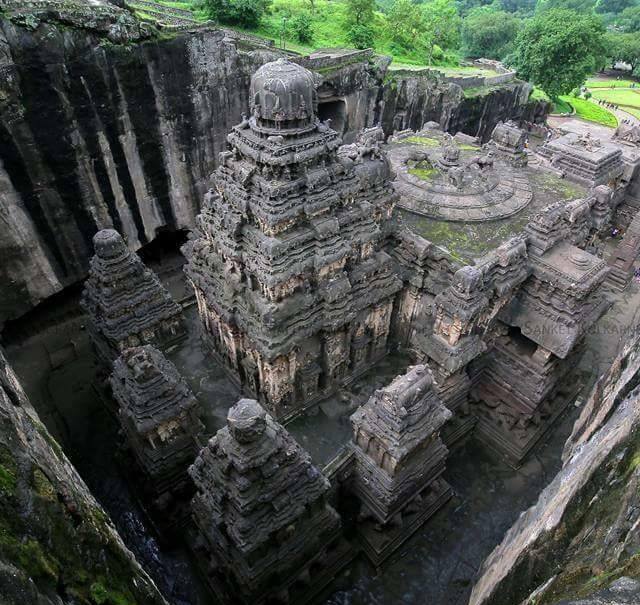
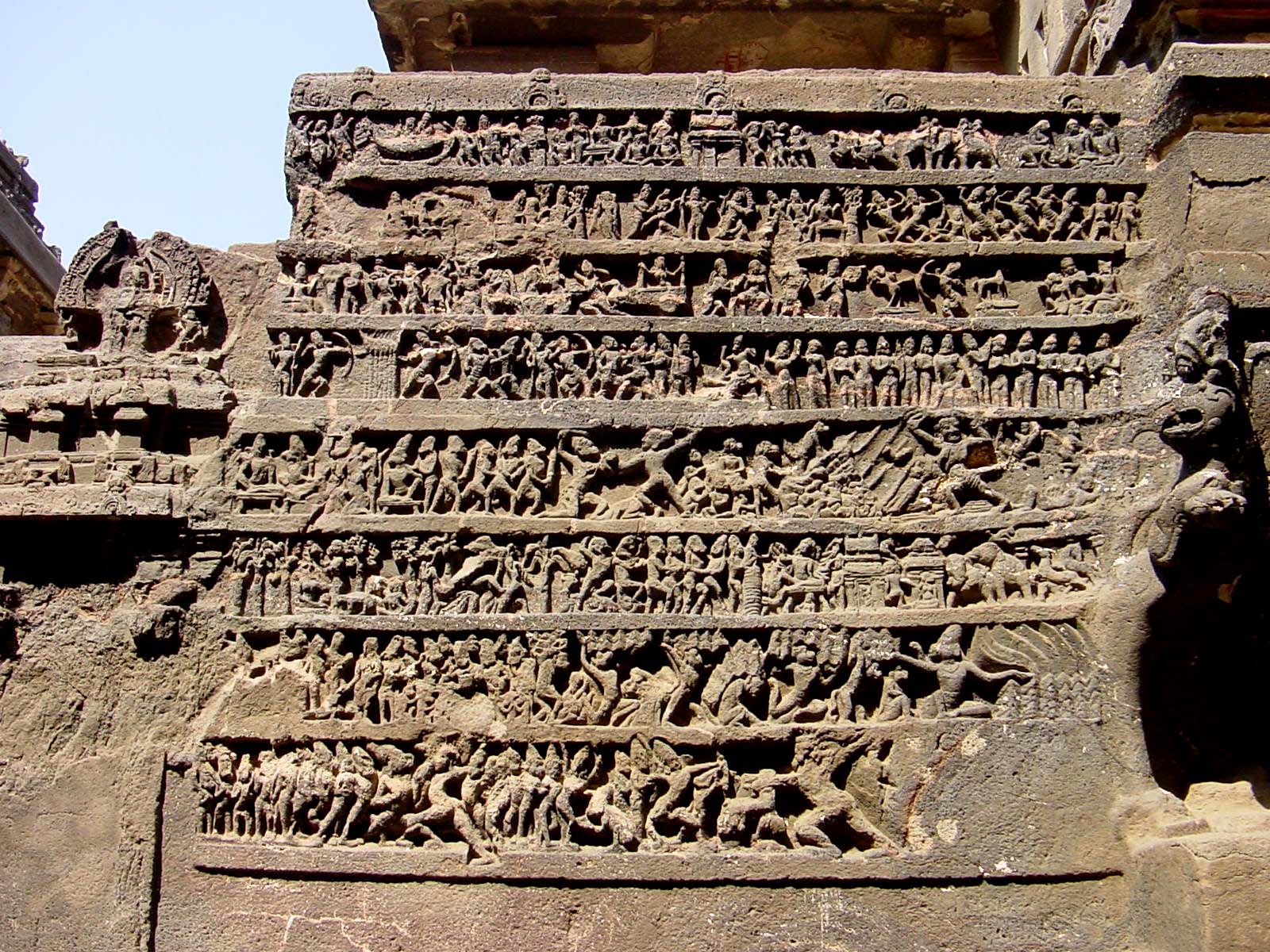
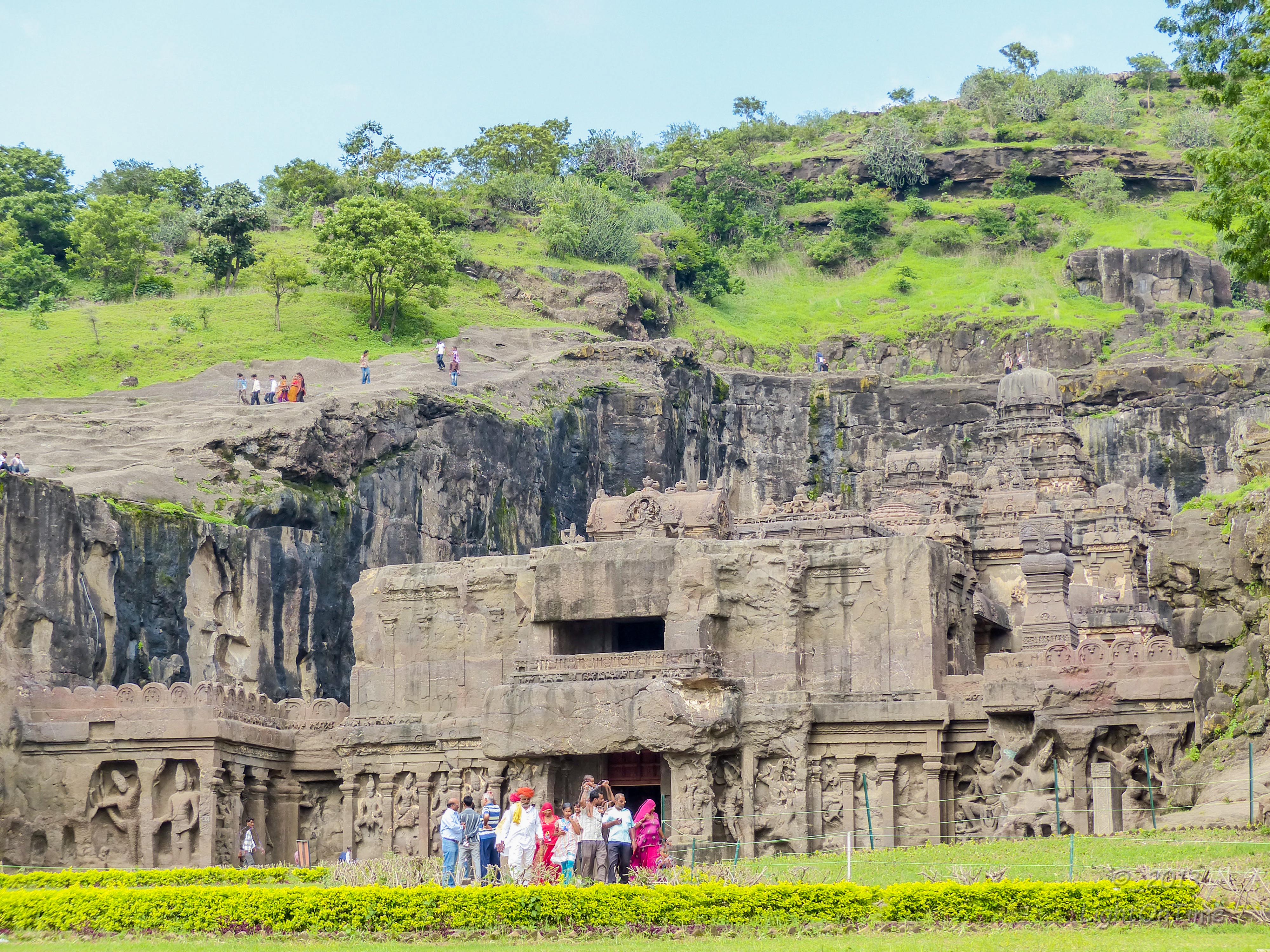
The architectural ambition of Kailasa Temple is evident in its scale and complexity. As a rock-cut structure, it demonstrates sophisticated planning and execution, with artisans working to create multiple levels, chambers, and sculptural elements from the single stone mass. The monolithic character means that every pillar, wall, and decorative element emerged from the same parent rock, creating an integrated whole rather than an assembled composition.
The temple's design reflects the architectural vocabulary of Hindu temple tradition, though the constraints and possibilities of rock-cut construction shaped its particular expression. Visitors approaching the site encounter the results of centuries of skilled labor, with the temple's form gradually revealing itself as one moves through the carved spaces.
Visiting the Temple
The Kailasa Temple is located within the Ellora Caves complex in Chhatrapati Sambhaji Nagar district, accessible by road from nearby towns. The site coordinates are 20.02388889°N, 75.17916667°E. Visitors should plan to spend several hours exploring the temple and its surroundings, as the scale of the carved space and the detail of the work reward careful observation.
Modest dress is appropriate when visiting a Hindu temple; covering shoulders and knees shows respect for the sacred space. The rock-cut nature of the site means uneven surfaces and steps, so sturdy footwear is practical. As with most temples, removing shoes before entering inner sanctums is customary. Visitors should move respectfully through the carved spaces and avoid touching sculptural elements, which are both sacred and fragile.
The Ellora Caves Context
The Kailasa Temple exists as part of the larger Ellora Caves complex, which contains temples and monasteries representing multiple religious traditions carved into the same hillside. This context is significant: the Kailasa Temple's prominence within this multi-faith site reflects the historical religious landscape of the region. The caves themselves represent centuries of artistic and spiritual activity, with the Kailasa Temple representing a particularly ambitious undertaking within this broader tradition of rock-cut sacred architecture.
Practical Information for Visitors
The Ellora Caves site is open to visitors throughout the year. The nearest city with accommodation and transport connections is Aurangabad, located at a reasonable distance from the caves. Visitors should check current opening hours and any access restrictions before planning their visit, as archaeological sites sometimes have seasonal variations or maintenance closures.
The monolithic nature of the temple means that weather—particularly heavy monsoon rains—can affect access to certain areas. Visiting during drier months may provide better conditions for exploring the carved spaces. Bring water and sun protection, as the site offers limited shade in many areas. Photography policies should be confirmed at the entrance, as some sacred spaces may have restrictions.
Worship and Reverence
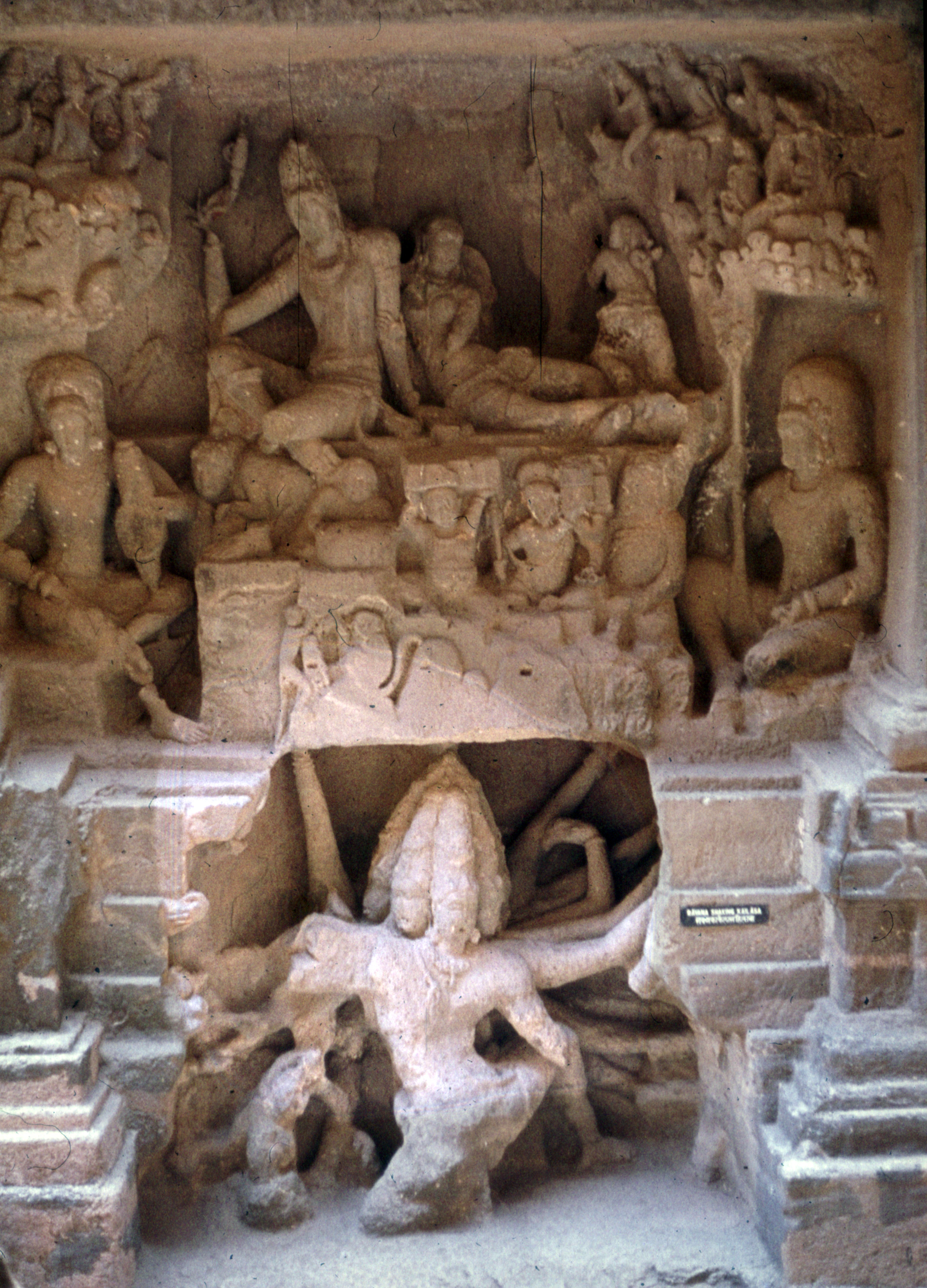
Devotees visiting the Kailasa Temple engage in darshan—the practice of viewing and being in the presence of the sacred space dedicated to Lord Shiva. The carved sanctum and surrounding chambers provide spaces for prayer and contemplation. While the sources do not detail specific daily rituals currently performed at the site, temples dedicated to Shiva typically involve offerings and prayers, particularly during auspicious times.
The temple's significance as a monolithic creation carved in devotion to Shiva adds a layer of meaning to worship here: the physical act of carving the temple from stone itself becomes an expression of spiritual dedication. Visitors of all backgrounds may appreciate both the religious significance and the remarkable human achievement the structure represents.
How to reach
You may also visit
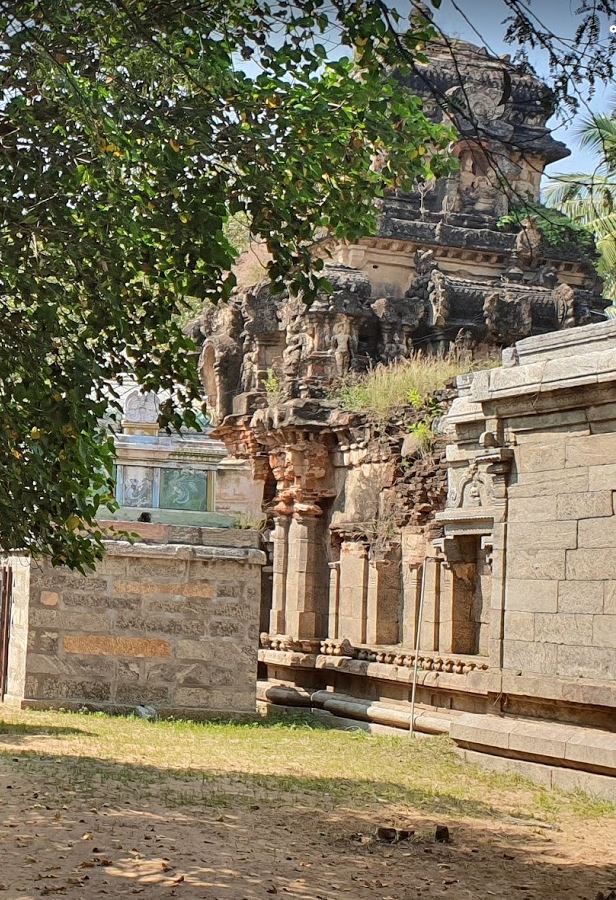
Agatheeswarar Temple, Karur
Agatheeswarar Temple in Thirumukkudalur, Karur district, is an ancient Hindu shrine dedicated to Shiva, situated at the sacred confluence of three rivers and believed to be over 1000 years old.
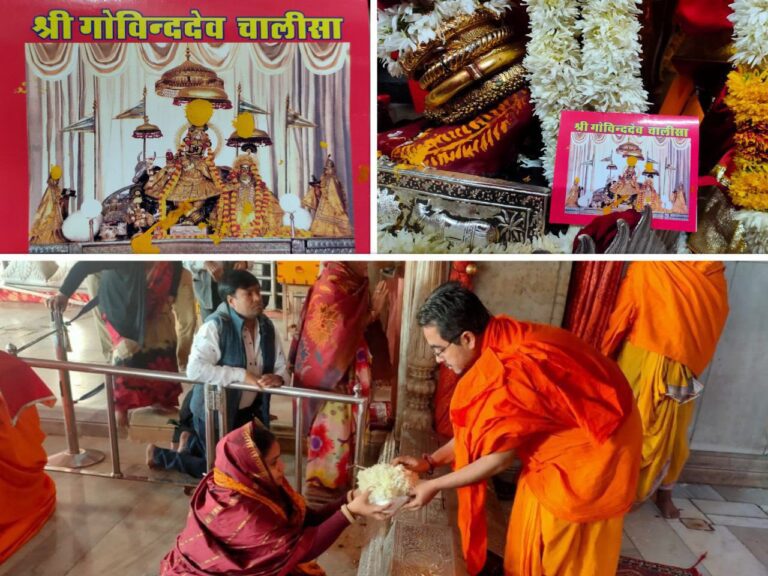
Kalyanji Temple
Kalyanji Temple in Jaipur's Chandpol Bazaar is an ancient Krishna shrine established in the 1820s, renowned for its seven daily aartis and special avatar darshan ceremonies during Akha Teej and Patottsav festivals.
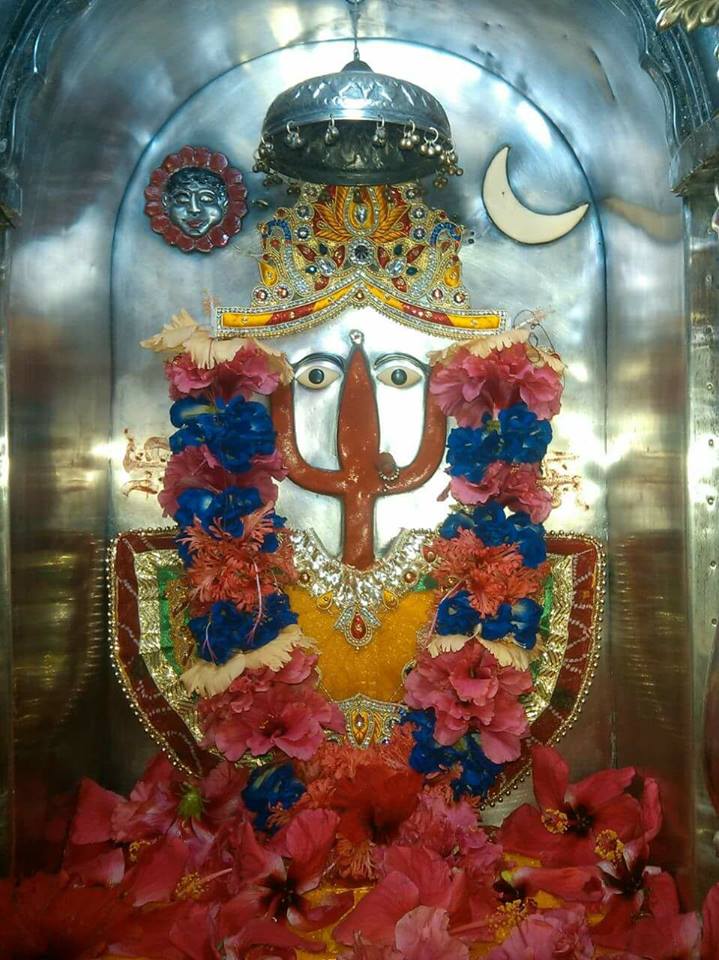
Rani Sati Mandir Mahuda
Rani Sati Mandir in Mahuda, Dhanbad District, is a Hindu temple established in 1992 that serves as a spiritual center for the local community and attracts devotees seeking blessings.