Mangkunegaran Palace
About Mangkunegaran Palace
Mangkunegaran is a royal palace located in Surakarta, Central Java, established in 1757 by Raden Mas Said, who became known as Kanjeng Gusti Pangeran Adipati Arya Mangkoenagoro I. Rather than a temple in the conventional religious sense, Mangkunegaran functions as a living heritage site and seat of Javanese royal culture. The palace serves multiple roles: a residence for the ruling family, a center for cultural preservation and development, and a space for the practice and advancement of Javanese traditions. As one of Central Java's principal guardians of Javanese culture, Mangkunegaran remains actively engaged in responding to contemporary issues through cultural creation that bridges tradition with innovation.
History and Significance
The palace was founded during a period of significant political change in Java. Since its establishment, Mangkunegaran has played an important role in maintaining and evolving Javanese cultural practices. The institution has expanded beyond its original function as a royal residence to become a collaborative space that welcomes people from diverse cultural backgrounds across Indonesia. This openness reflects a commitment to fostering the development of broader Indonesian cultural heritage while maintaining its core identity as a center of Javanese tradition.
Architecture and Layout
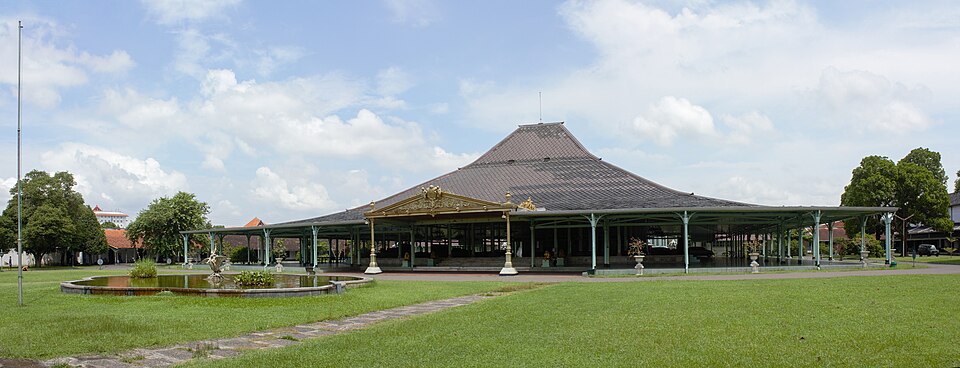
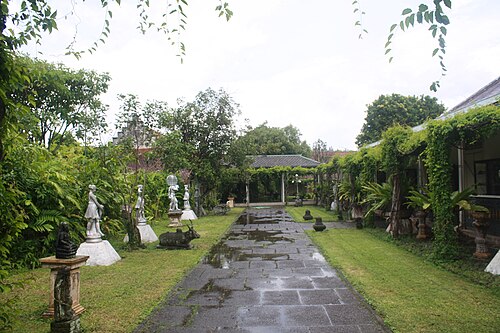
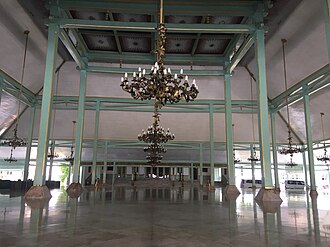
The palace complex features the Grand Pendopo (Grand Hall), which serves as the front and ceremonial center of the compound. The architectural design reflects Javanese royal aesthetics and functional requirements for both residence and cultural practice. The palace grounds encompass several significant structures, including spaces dedicated to cultural activities and heritage preservation. The compound's layout and design embody principles of Javanese palace architecture, though detailed architectural descriptions of specific buildings and their purposes are limited in available sources.
Cultural Activities and Collections
Mangkunegaran functions as an active center for Javanese arts and culture. The palace maintains collections and programs related to traditional Javanese practices, including batik motifs specific to Mangkunegaran, traditional songs and performance arts, and historical texts. The institution regularly engages in cultural education and artistic creation, working with various collaborators to produce works that address contemporary society while remaining grounded in Javanese tradition. Visitors interested in Javanese culture, traditional arts, or the history of Central Java will find the palace a significant destination.
Nearby Sites and Surroundings
The palace is located in the Keprabon Sub-district of Banjarsari District, in a strategically central location within Surakarta. The surrounding area, known as Koridor Ngarsopuro (named for its position in front of the palace), contains several points of interest. Pasar Triwindu, a traditional market established in 1939, lies nearby and originally sold traditional cakes, clothing, and publications. The area also features Masjid Al-Wustho Mangkunegaran, located to the west of the palace on Jalan Kartini, which was established by Mangkoenagoro I. The Monumen Pers Nasional (National Press Monument), a historically significant building constructed in 1918, is also accessible from this central location.
Visiting Information
Mangkunegaran Palace operates as a heritage site open to visitors. The official website (mangkunegaran.id) provides current information about visiting hours, reservations, and any special programs or exhibitions. Visitors should contact the palace directly through their official channels to confirm opening times and any requirements for entry. As an active royal residence and cultural institution rather than a public museum, visiting protocols may differ from standard tourist sites—advance notice or reservation may be necessary. The palace is accessible by road in central Surakarta, with the Ngarsopuro corridor providing direct access to the compound.
How to reach
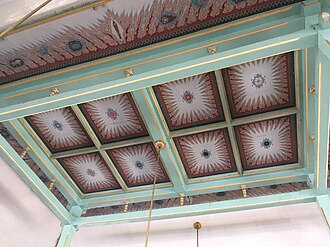
Temples near Mangkunegaran Palace
Ceto Temple
Ceto Temple is a fifteenth-century Javanese-Hindu sanctuary perched on the western slope of Mount Lawu, straddling the border between Central and East Java provinces.
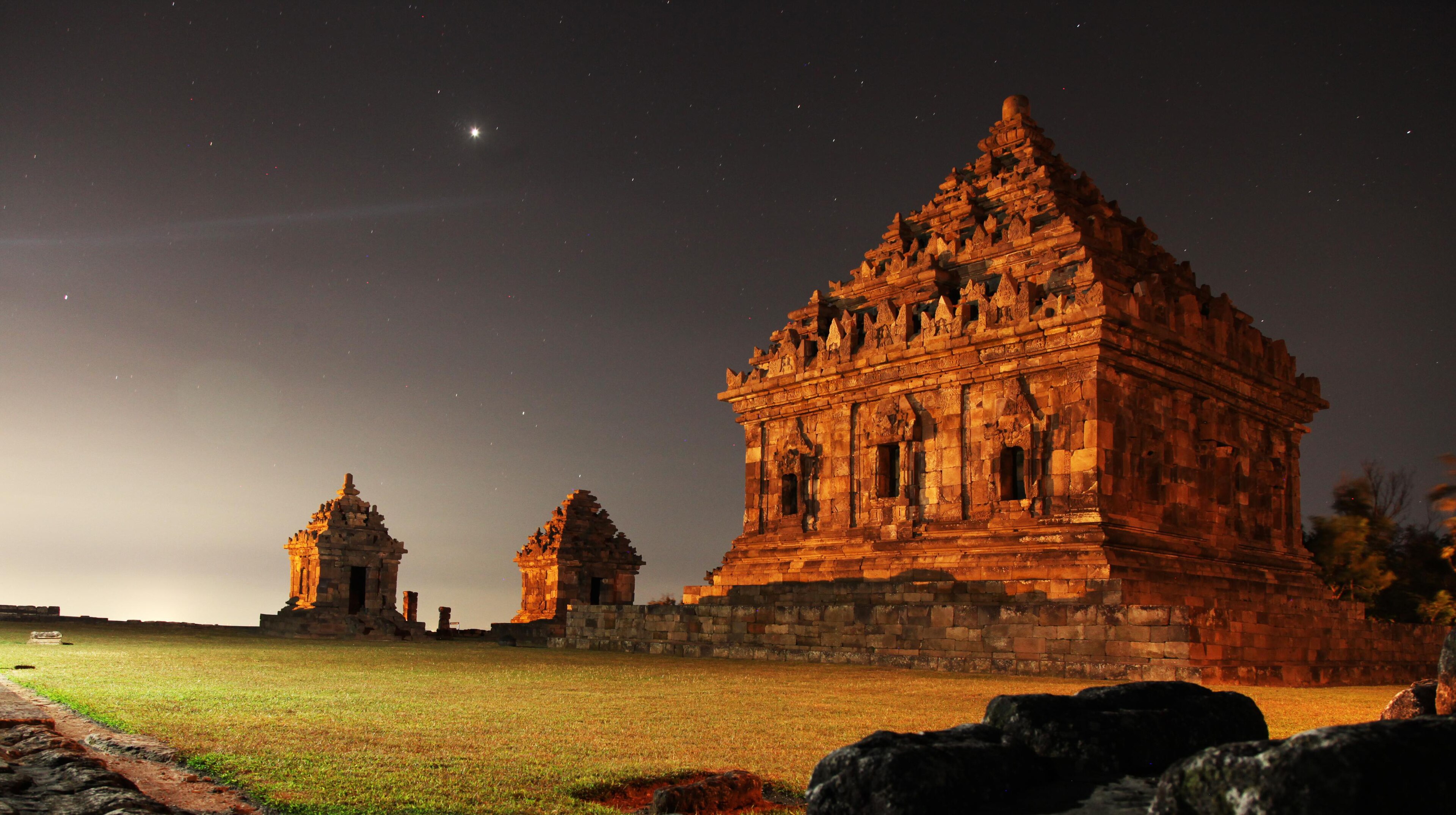
Ijo Temple
Ijo Temple is a 10th-11th century Hindu candi located near Yogyakarta, Indonesia, built during the Mataram kingdom period as an expression of royal religious patronage.
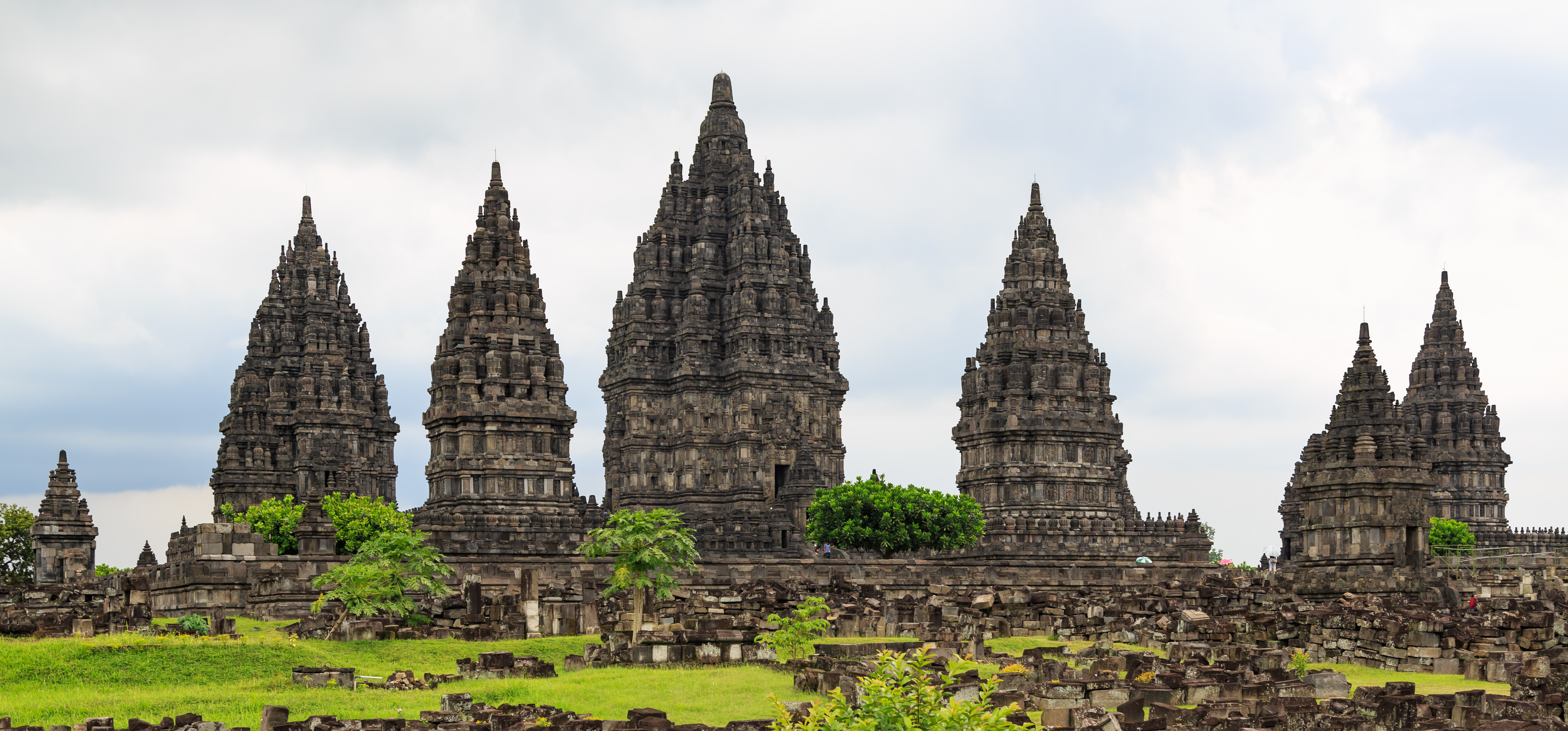
Prambanan
Prambanan is Indonesia's largest Hindu temple complex, built in the 9th century and dedicated to the Trimurti with the central shrine honoring Shiva. Now a UNESCO World Heritage…
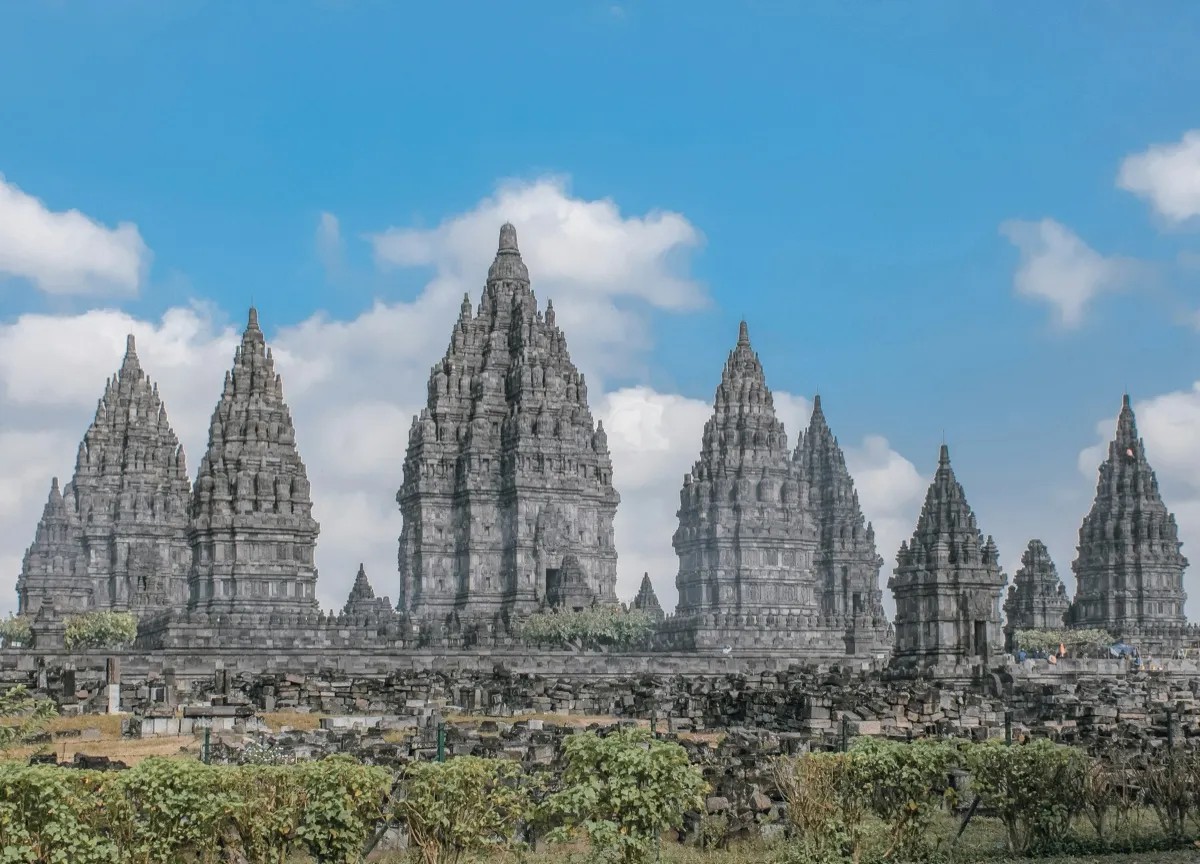
Prambanan Temple Compounds
Prambanan Temple Compounds is Indonesia's largest Hindu temple complex, a UNESCO World Heritage site comprising four temple compounds on the Yogyakarta–Central Java border. Dedi…
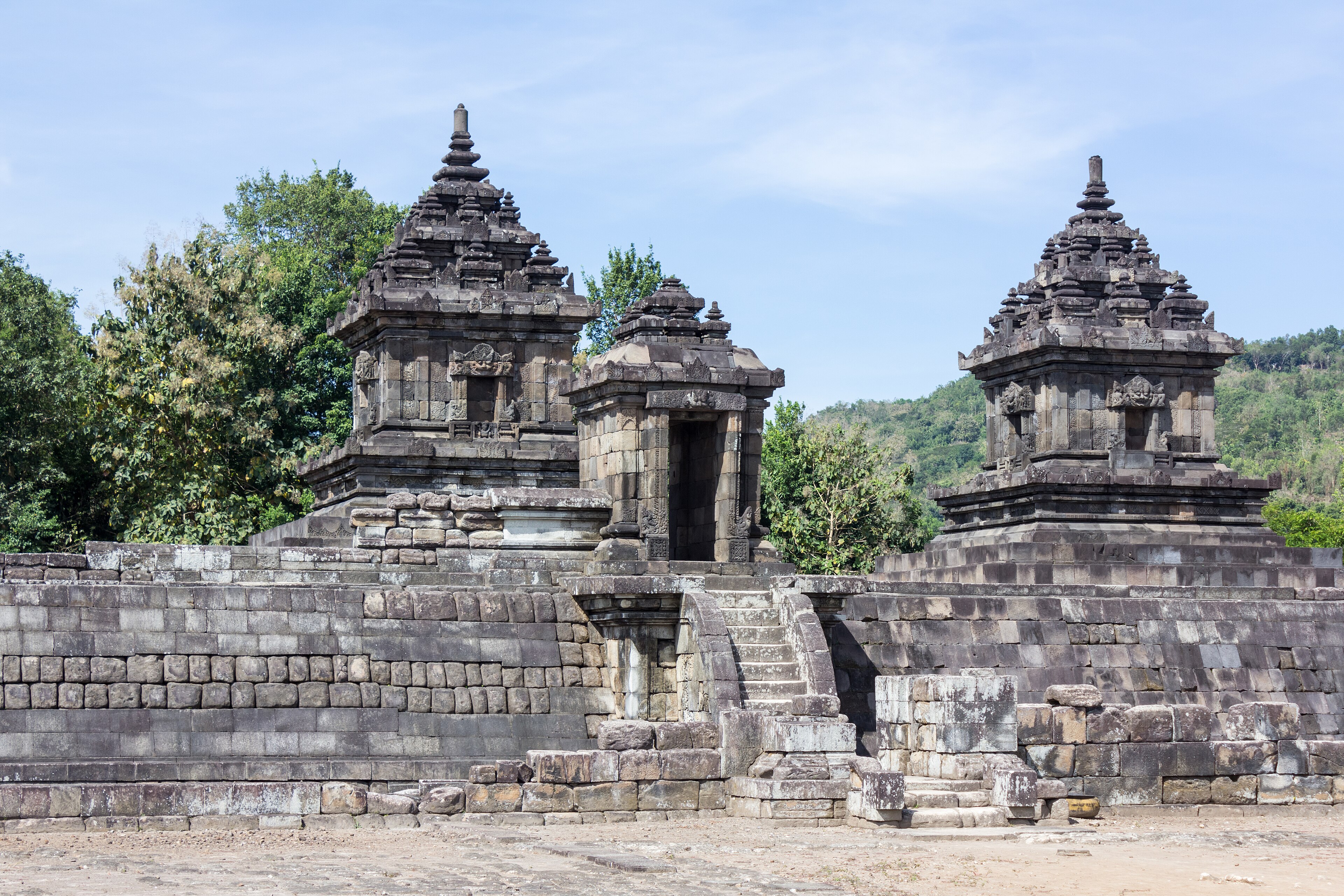
Barong Temple
Barong Temple is a 9th-century Hindu candi located near Ratu Boko in Yogyakarta, Indonesia, named for the distinctive barong-like kala head carvings adorning its temple niches.
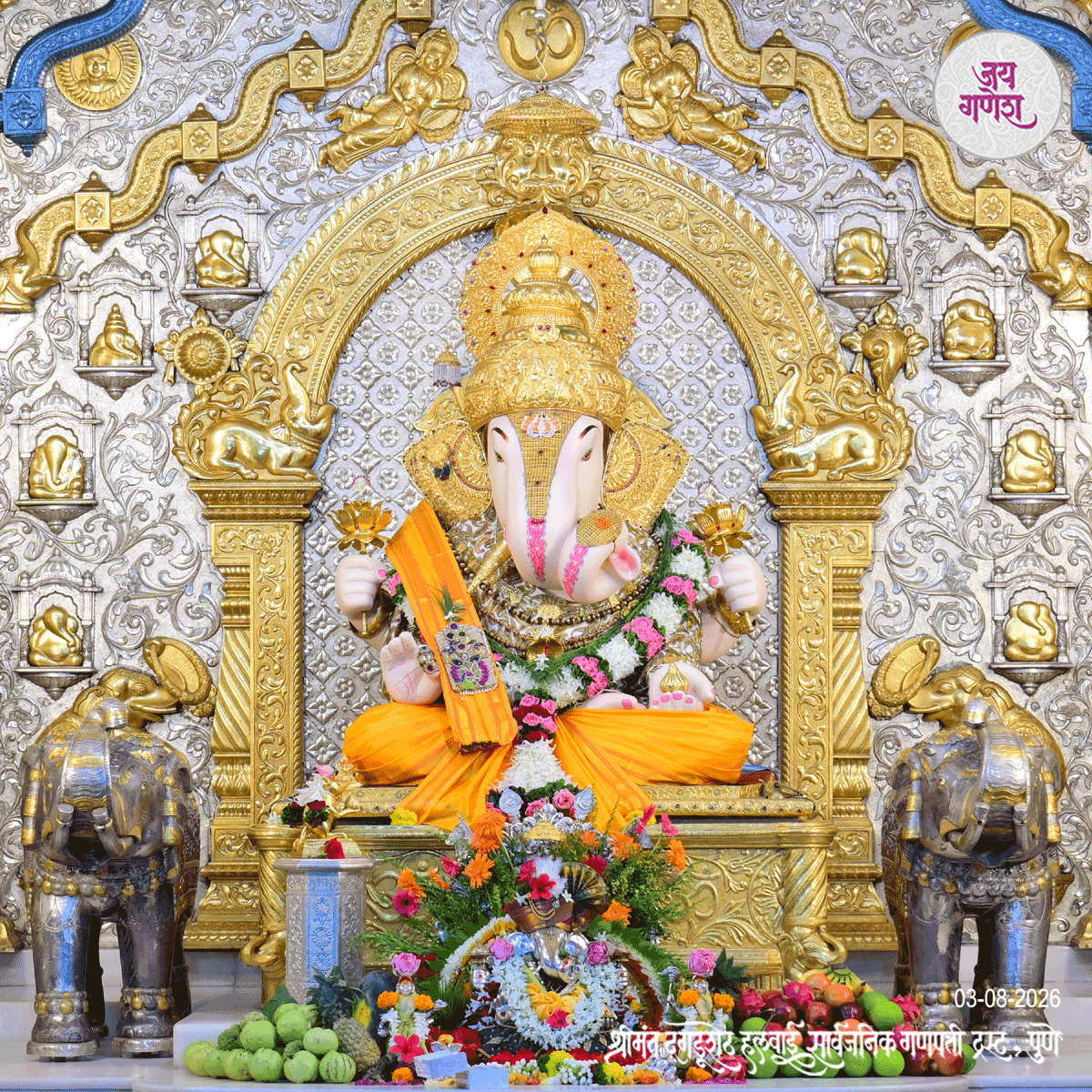
Pura Santiloka
Shrimant Dagdusheth Halwai Ganpati Temple in Pune is one of India's most revered shrines dedicated to Lord Ganesha, established by a devotee family and now an active center for…