Ceto Temple
About Ceto Temple
As a fifteenth-century structure, Ceto reflects the building practices and aesthetic principles of Javanese-Hindu temple construction from that period. The temple's position on a slope would have required builders to adapt their design to the natural topography, working with rather than against the mountainside. The specific architectural features, decorative elements, and structural details of the temple are not described in available sources, making direct observation during a visit the best way to appreciate the stonework, carvings, and overall design.
The relationship between the temple and its mountain location would have influenced how the structure was oriented, how water and drainage were managed, and how devotees moved through the space. Understanding the temple requires attention to how it sits within its landscape.
Planning Your Visit
Ceto Temple's mountain location requires careful preparation before visiting. The site is not situated in an urban center, and access depends on local transportation options and road conditions in the Mount Lawu area. Visitors should confirm current conditions with local authorities before traveling, as mountain temples may experience seasonal closures or access restrictions due to weather or maintenance.
The elevation and terrain of Mount Lawu should be considered when planning your visit, particularly if you have mobility concerns or are traveling with elderly family members or young children. Weather can change rapidly at elevation, so check forecasts before departing. Inquire locally about current access routes, transportation availability, and any permits or permissions required to visit the temple. Those unfamiliar with the area should seek guidance from local residents or tourism offices regarding the best approach to the site.
Visiting the Temple
Visitors should dress respectfully when approaching the temple, following the conventions of Hindu temple etiquette. Footwear is typically removed before entering sacred spaces. The temple's mountain setting means that physical capability and appropriate footwear for uneven terrain are practical considerations for your visit.
Since specific information about daily timings, rituals, or darshan schedules is not available in documented sources, inquire locally about when the temple is open to visitors and whether particular times are designated for worship or darshan. Local guides or temple authorities can provide current information about access and appropriate times to visit.
The Mountain Landscape
Mount Lawu itself holds significance within the spiritual geography of Java. The mountain's elevation, its natural features, and its position on a provincial border all contribute to the temple's character. Visiting Ceto means engaging with both the constructed temple and the natural landscape that surrounds it. The views from the mountainside, the vegetation, and the atmospheric conditions at elevation all form part of the experience of pilgrimage to this site.
The journey to reach the temple—whether on foot, by vehicle, or through a combination of both—is itself part of visiting. The effort required to reach a mountain temple has traditionally been understood as part of the devotional practice.
Practical Information
Before traveling to Ceto Temple, confirm current access conditions with local authorities in the Mount Lawu region. Weather conditions at elevation can change rapidly, so check forecasts and plan accordingly. Bring adequate water and appropriate footwear for mountain terrain. Allow sufficient time for your journey, as travel to the site may take longer than distances suggest due to road conditions and terrain.
The temple's coordinates are -7.59555556, 111.15805556. Local tourism offices, guides, or residents in nearby towns can provide current information about transportation options, road conditions, and any requirements for visiting the site.
How to reach
Temples near Ceto Temple
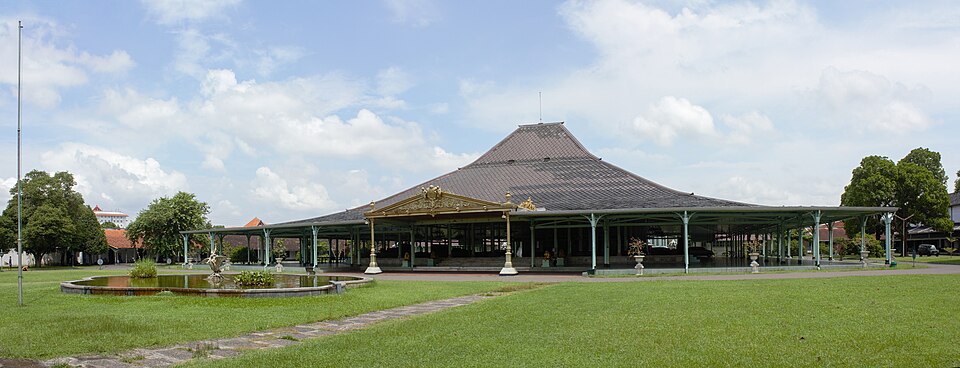
Mangkunegaran Palace
Mangkunegaran Palace is a royal residence established in 1757 by Raden Mas Said (later Mangkunegara I) in Surakarta, Central Java. It serves as a center for Javanese cultural pr…
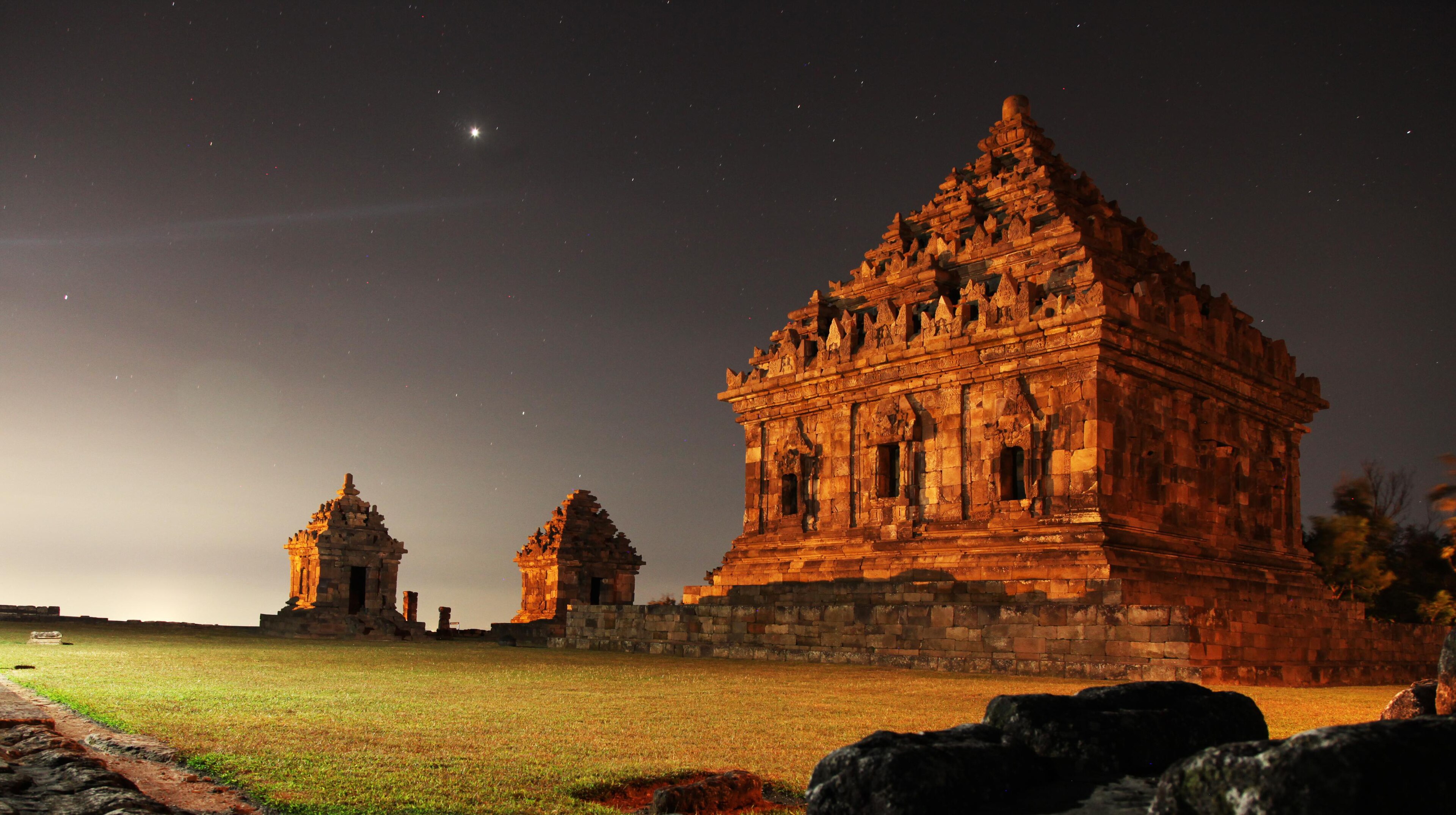
Ijo Temple
Ijo Temple is a 10th-11th century Hindu candi located near Yogyakarta, Indonesia, built during the Mataram kingdom period as an expression of royal religious patronage.
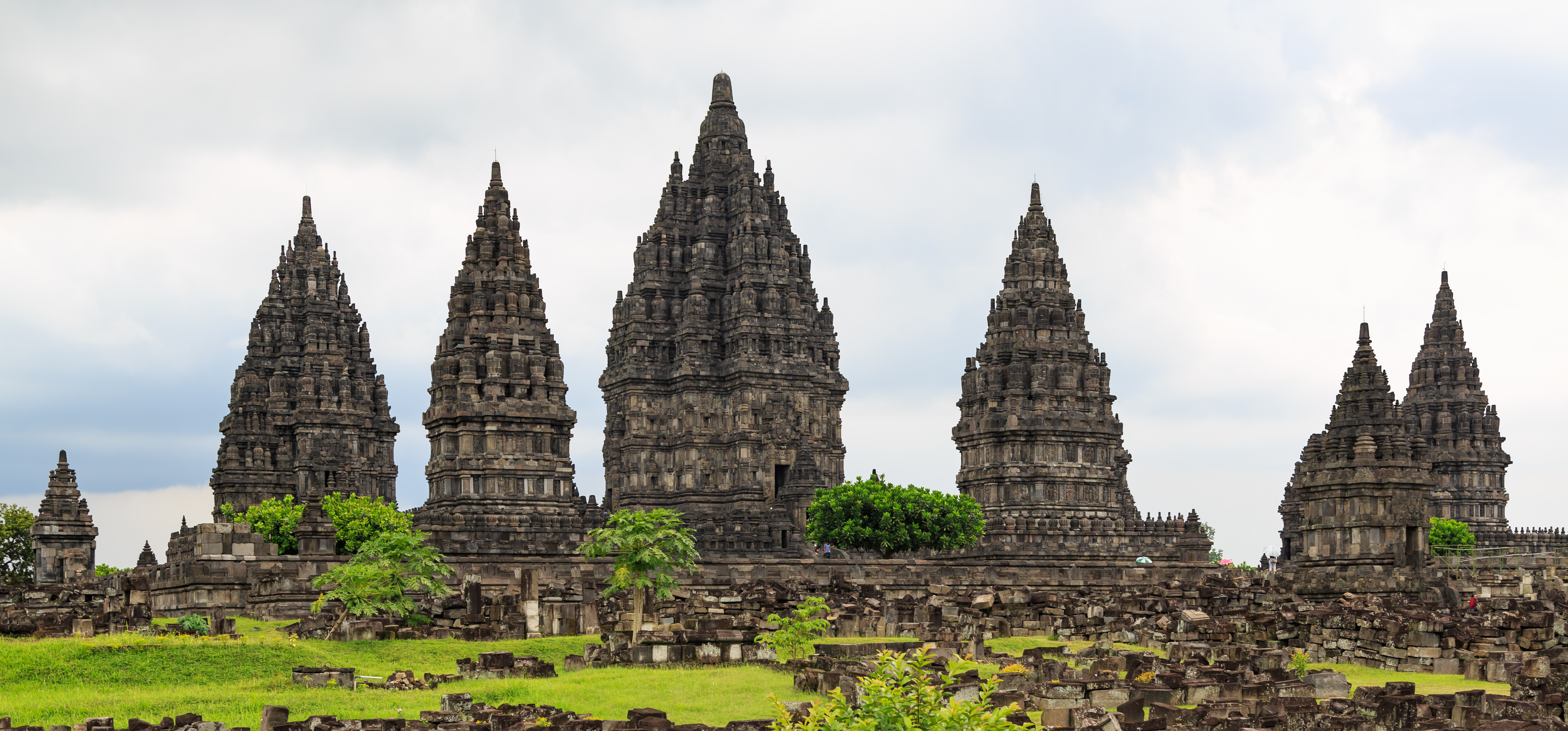
Prambanan
Prambanan is Indonesia's largest Hindu temple complex, built in the 9th century and dedicated to the Trimurti with the central shrine honoring Shiva. Now a UNESCO World Heritage…
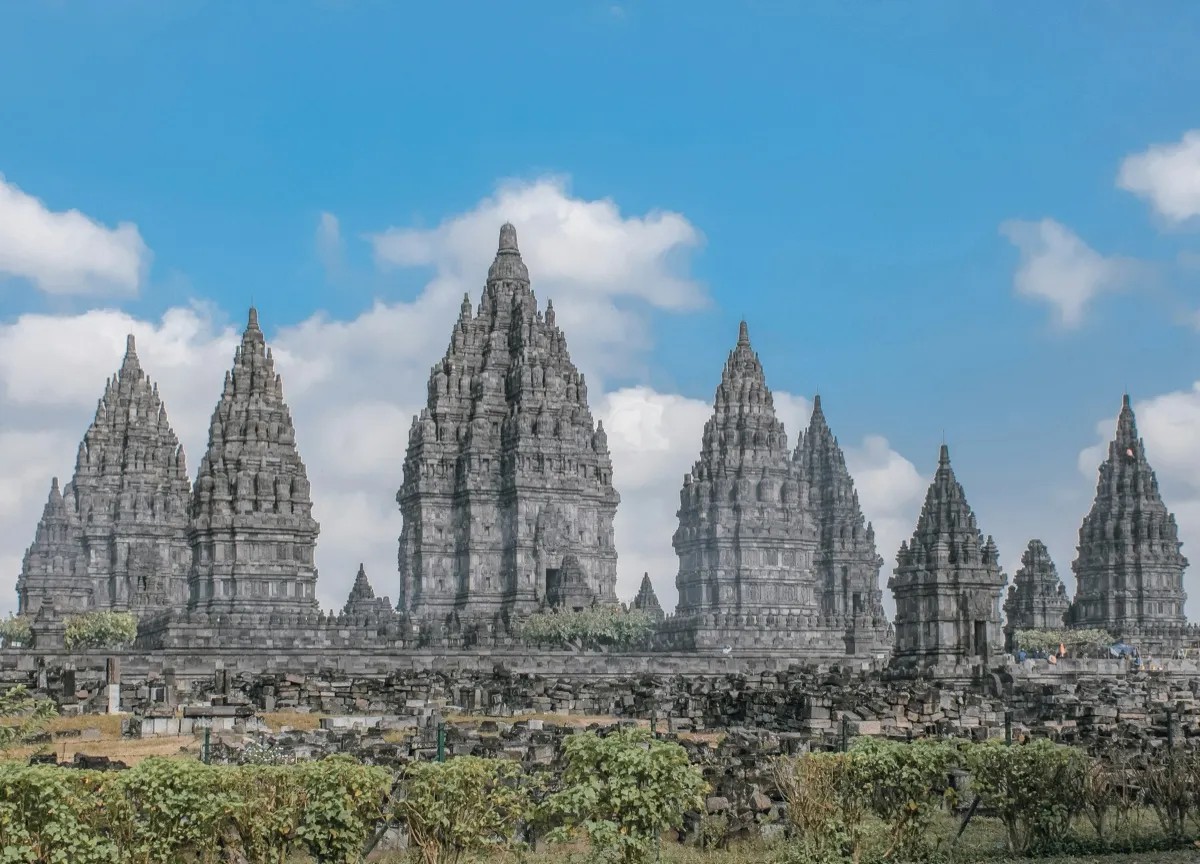
Prambanan Temple Compounds
Prambanan Temple Compounds is Indonesia's largest Hindu temple complex, a UNESCO World Heritage site comprising four temple compounds on the Yogyakarta–Central Java border. Dedi…
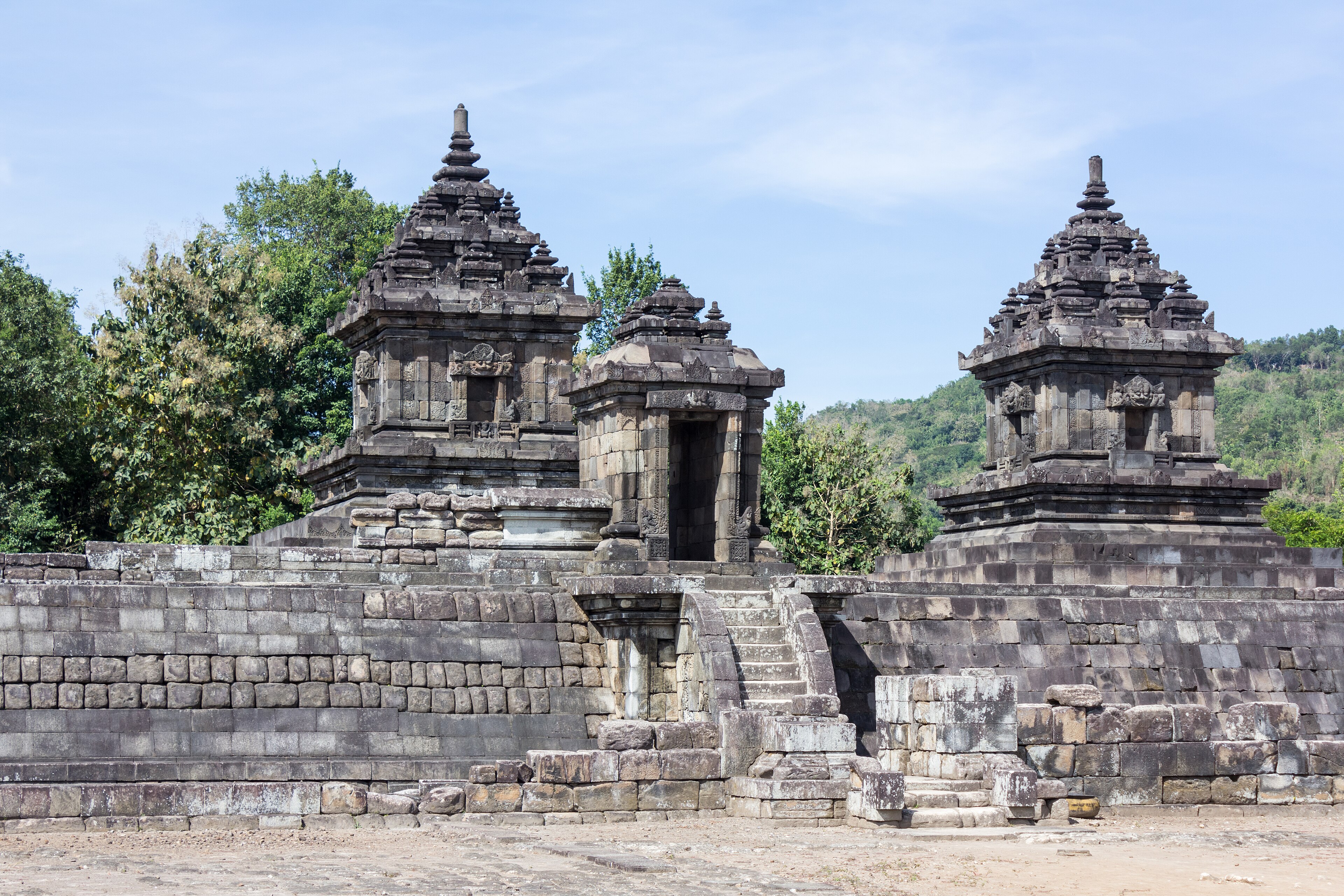
Barong Temple
Barong Temple is a 9th-century Hindu candi located near Ratu Boko in Yogyakarta, Indonesia, named for the distinctive barong-like kala head carvings adorning its temple niches.
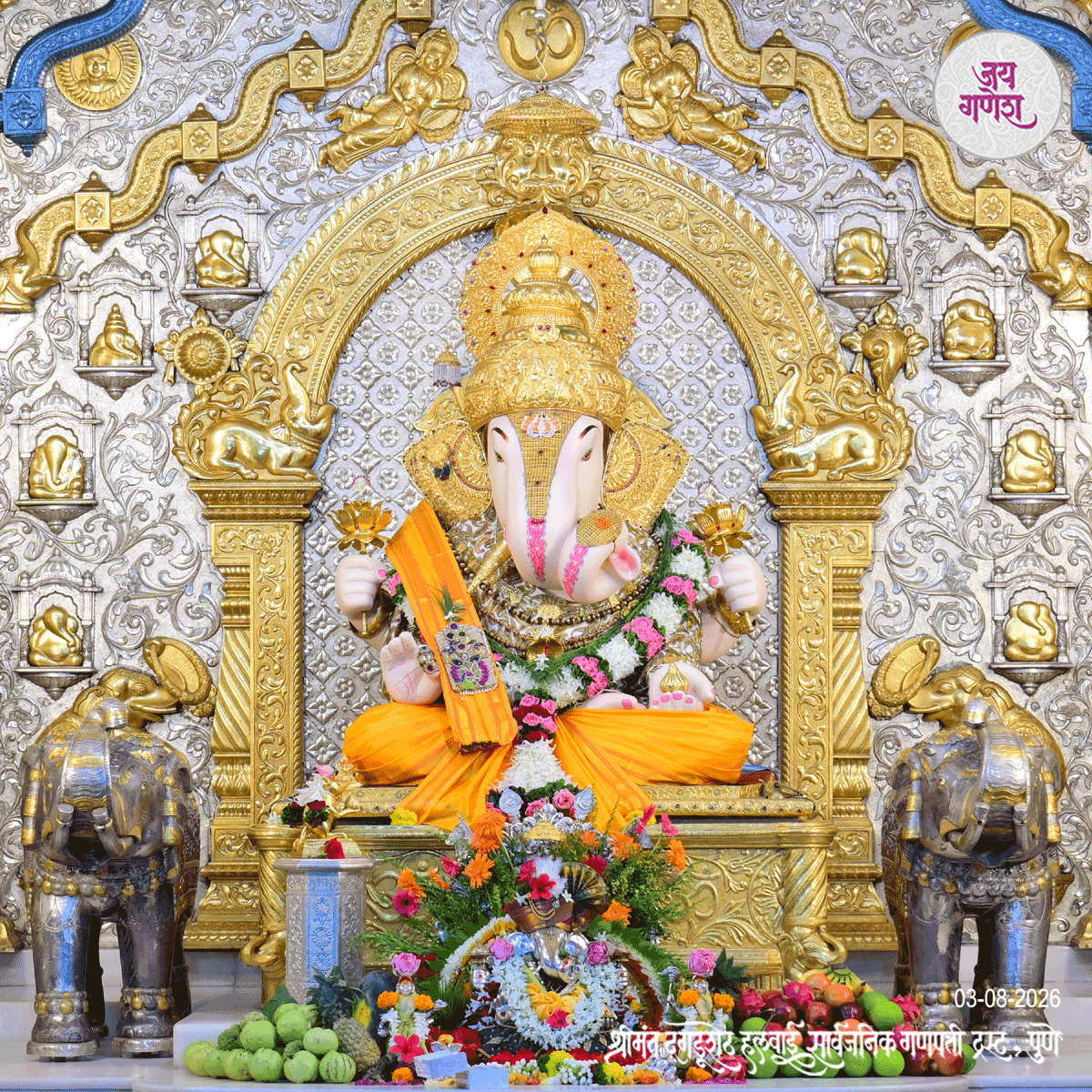
Pura Santiloka
Shrimant Dagdusheth Halwai Ganpati Temple in Pune is one of India's most revered shrines dedicated to Lord Ganesha, established by a devotee family and now an active center for…