
Manakamana Temple
About Manakamana Temple
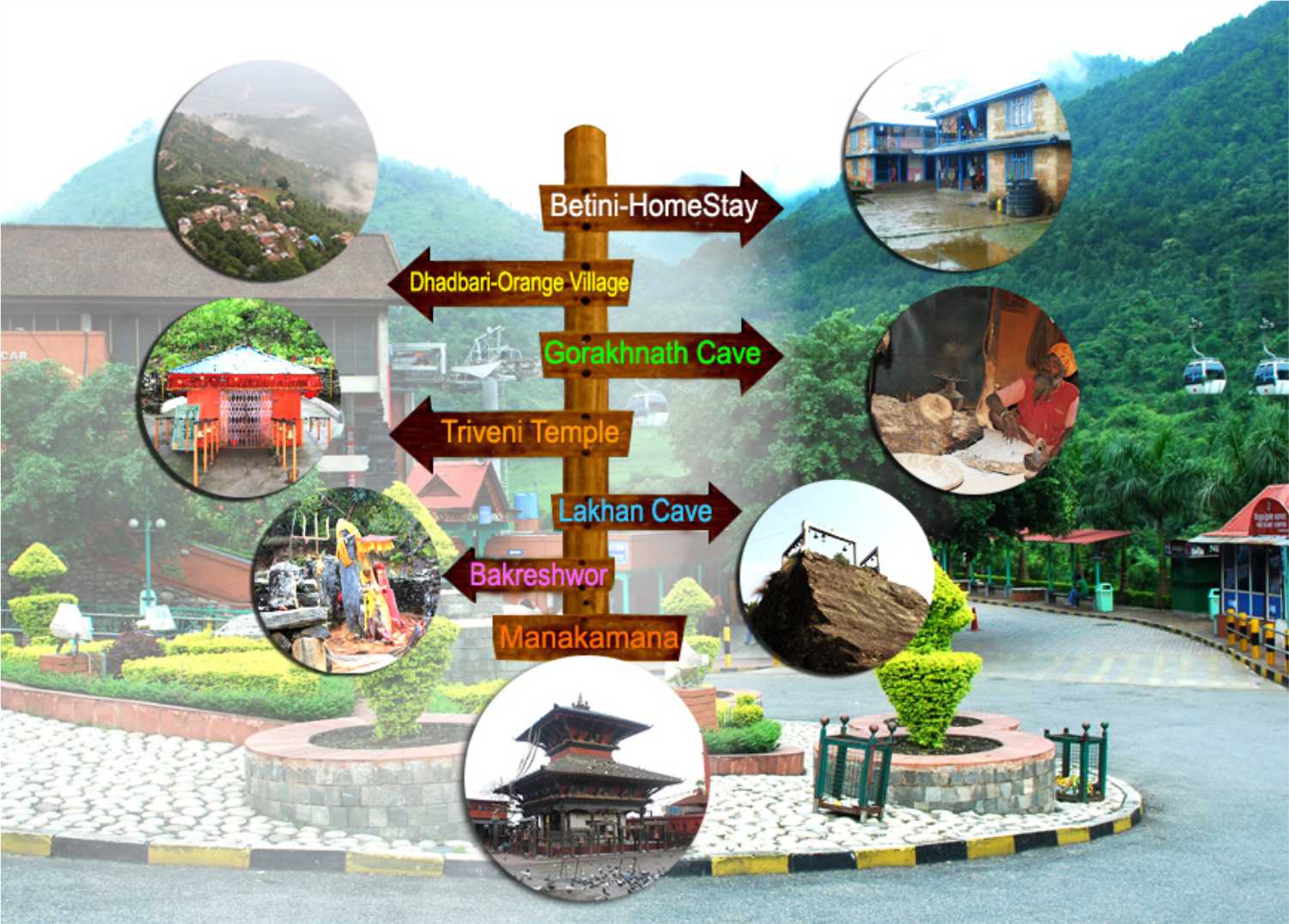
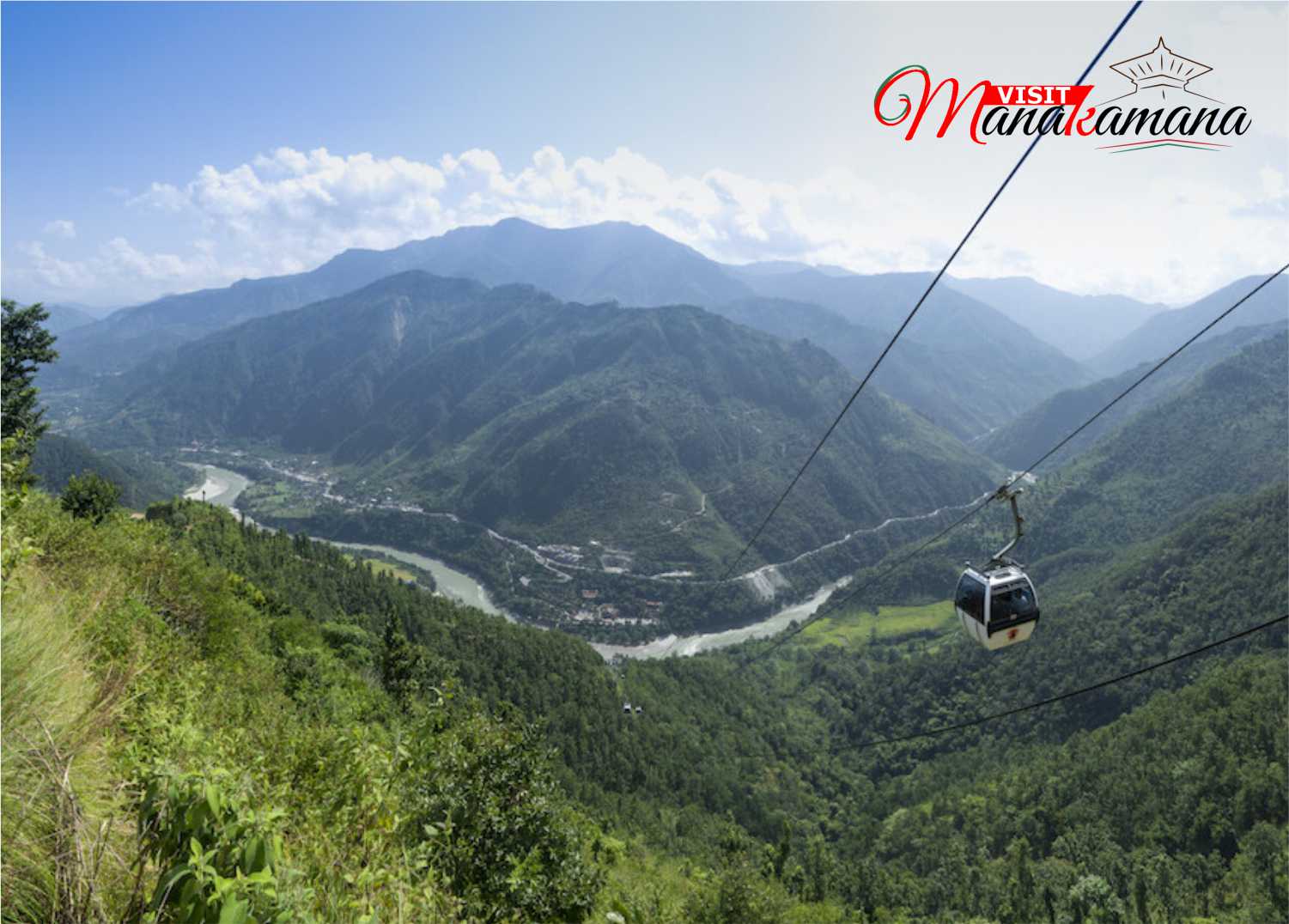
The temple is accessible via cable car from Kurintar, a journey that forms part of the pilgrimage experience itself. Kurintar serves as the base point for visitors arriving by road. The cable car ascent carries pilgrims upward through the landscape, offering a gradual transition from the everyday world to the sacred space above. This mode of access is distinctive to Manakamana and should be factored into travel planning.
Visitors should arrange their journey to Kurintar first, whether by private transport, bus, or taxi from nearby towns. Once at the cable car station, allow time for the ascent and any queuing that may occur, particularly on busy days.
Visiting Patterns and Best Times
Weekdays generally see fewer visitors than weekends, making them preferable for those seeking a less crowded darshan experience. Saturdays attract larger crowds and should be avoided if shorter queues are a priority. The temple observes major festivals including Dashain (falling in September-October) and Kartik Panchami, during which pilgrimage numbers increase significantly. Planning a visit outside festival periods and weekend days will result in a more manageable experience.
The temple authorities manage queue systems strictly, and skip-the-line access is not available. Guided darshan assistance with a temple priest can enhance the visit by providing context and spiritual guidance, though this does not bypass standard queuing procedures.
Darshan and Worship
Temples dedicated to Goddess Bhagwati typically offer darshan—direct viewing of the deity—as the primary form of worship. Devotees approach the sanctum to offer prayers and receive the goddess's blessings. The specific timings for darshan should be confirmed with temple authorities or local sources before visiting, as these may vary seasonally or due to special observances.
Puja services are available at the temple, allowing devotees to commission specific rituals according to their needs and traditions. The range of pujas offered reflects the diverse spiritual requirements of pilgrims visiting this major shrine.
Festivals and Sacred Observances
Dashain, celebrated in September-October, is a major festival at the temple and draws substantial numbers of devotees. Kartik Panchami, another significant observance, also brings pilgrims to Manakamana. During these periods, the temple atmosphere intensifies with heightened devotional activity, though visitor management becomes more challenging. Those planning to visit during festivals should prepare for extended waiting times and larger crowds.
Practical Information for Visitors
Modest dress is appropriate when visiting a Hindu temple; loose-fitting clothing that covers shoulders and knees is standard practice. Footwear is typically removed before entering the inner sanctum, though this should be confirmed upon arrival. Photography policies vary by temple; it is respectful to ask before photographing the deity or inner areas.
The cable car journey itself requires reasonable physical fitness, though the ascent is gradual. Visitors with mobility concerns should assess their capability beforehand. Bring water and sun protection, as the hilltop location offers limited shade in some areas. Basic facilities exist in the temple complex, though amenities may be limited compared to urban temples.
Accommodation options are available in Manakamana village and surrounding areas, though these should be researched and booked in advance, particularly during festival seasons. Many pilgrims complete their visit as a day trip from Kurintar or nearby towns.
How to reach

Temples near Manakamana Temple
Chintang Devi temple
Chintang Devi temple is a Kirati and Hindu shrine in Dhankuta, Nepal, situated along the route to the ancient pilgrimage site of Barahakshetra at the Saptakoshi River confluence.
Bishnupaduka (shrine)
Bishnupaduka is a sacred Hindu shrine in northwest Dharan, Nepal, built around a rock bearing two footprints believed to belong to Lord Vishnu. The site holds spiritual signific…
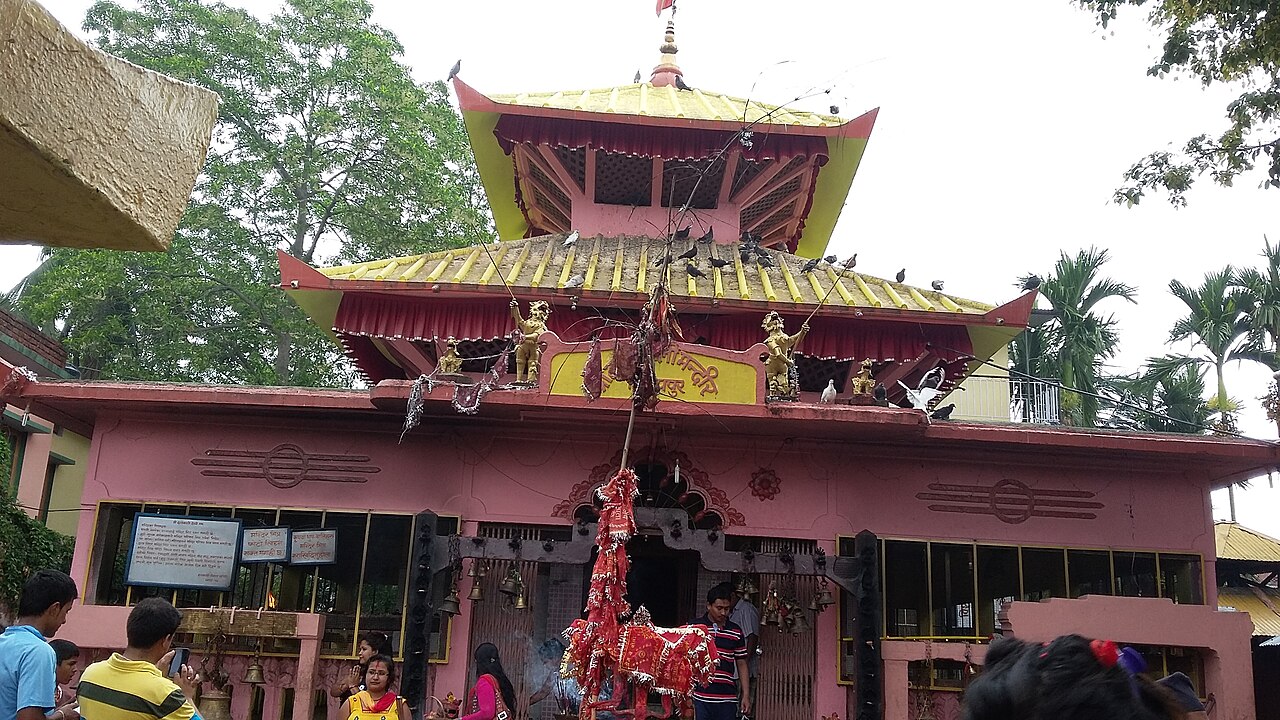
Dantakali Temple
Dantakali Temple is a revered Shakti Peeth nestled on Bijayapur Hill in Dharan, Nepal, believed to mark where the tooth of Goddess Sati fell during Shiva's cosmic journey with h…
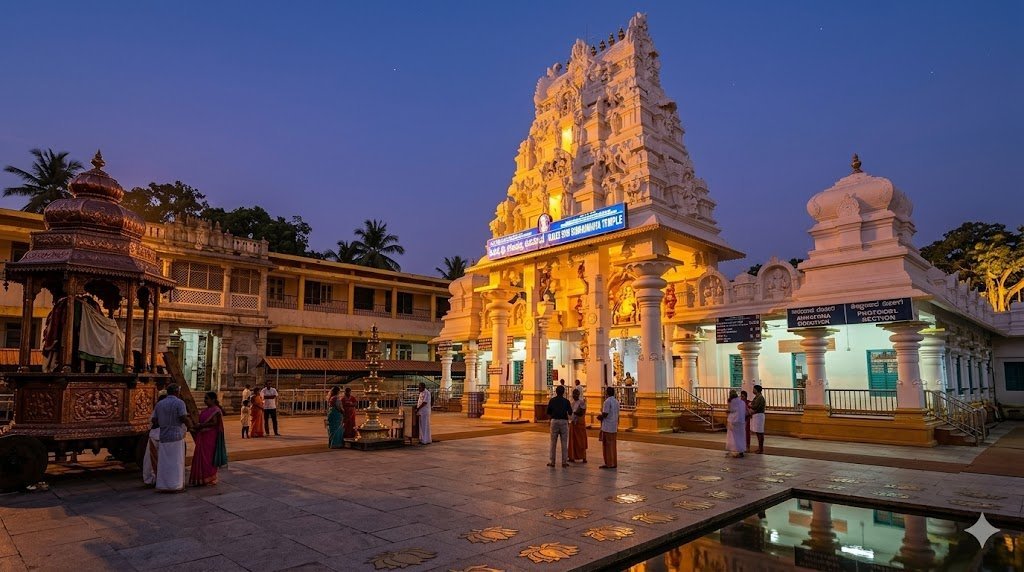
Budhasubba
Kukke Shri Subrahmanya Temple, nestled in the Western Ghats of Karnataka, is one of seven sacred Mukti Kshetras established by sage Parashurama and the foremost centre in India…
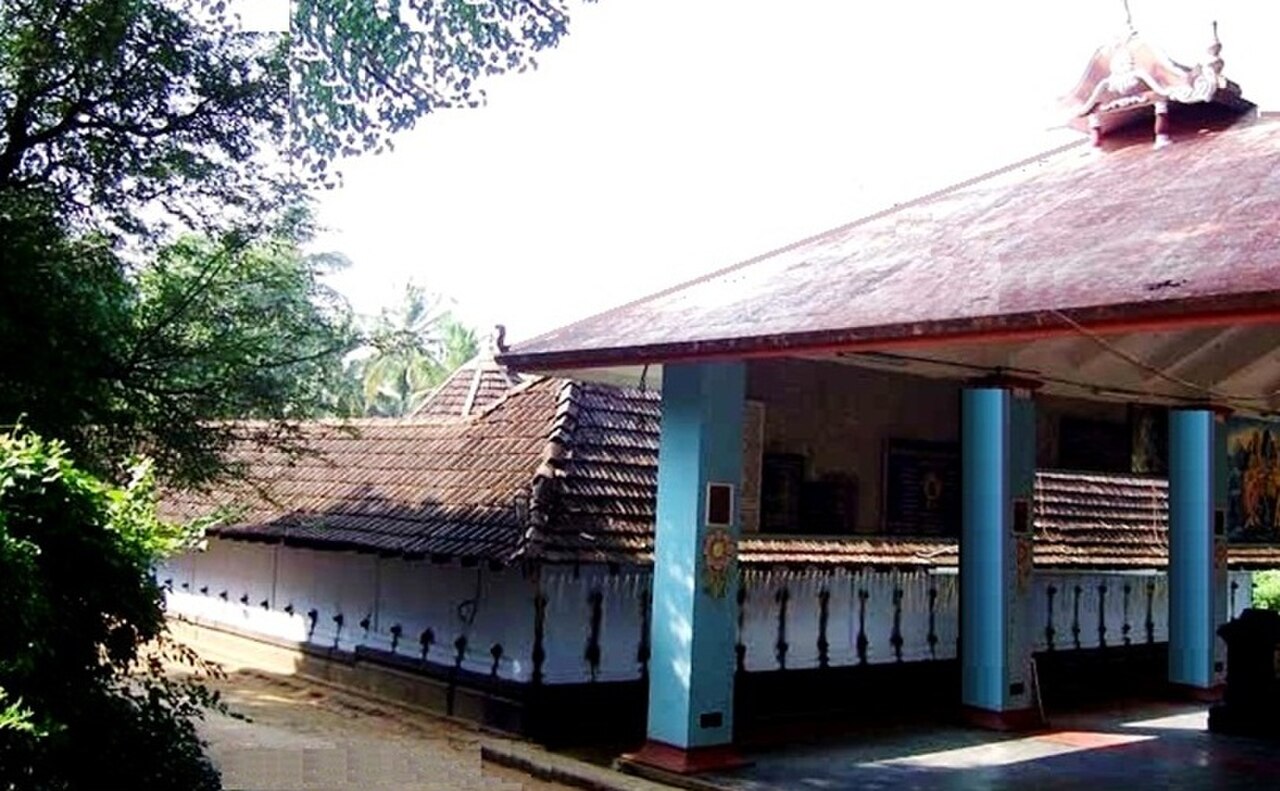
Pananchery Mudikkode Shiva Temple
An ancient Shiva temple in Pananchery, Thrissur District, Kerala, believed to have been established by sage Parashurama according to local tradition. It is recognized as one of…
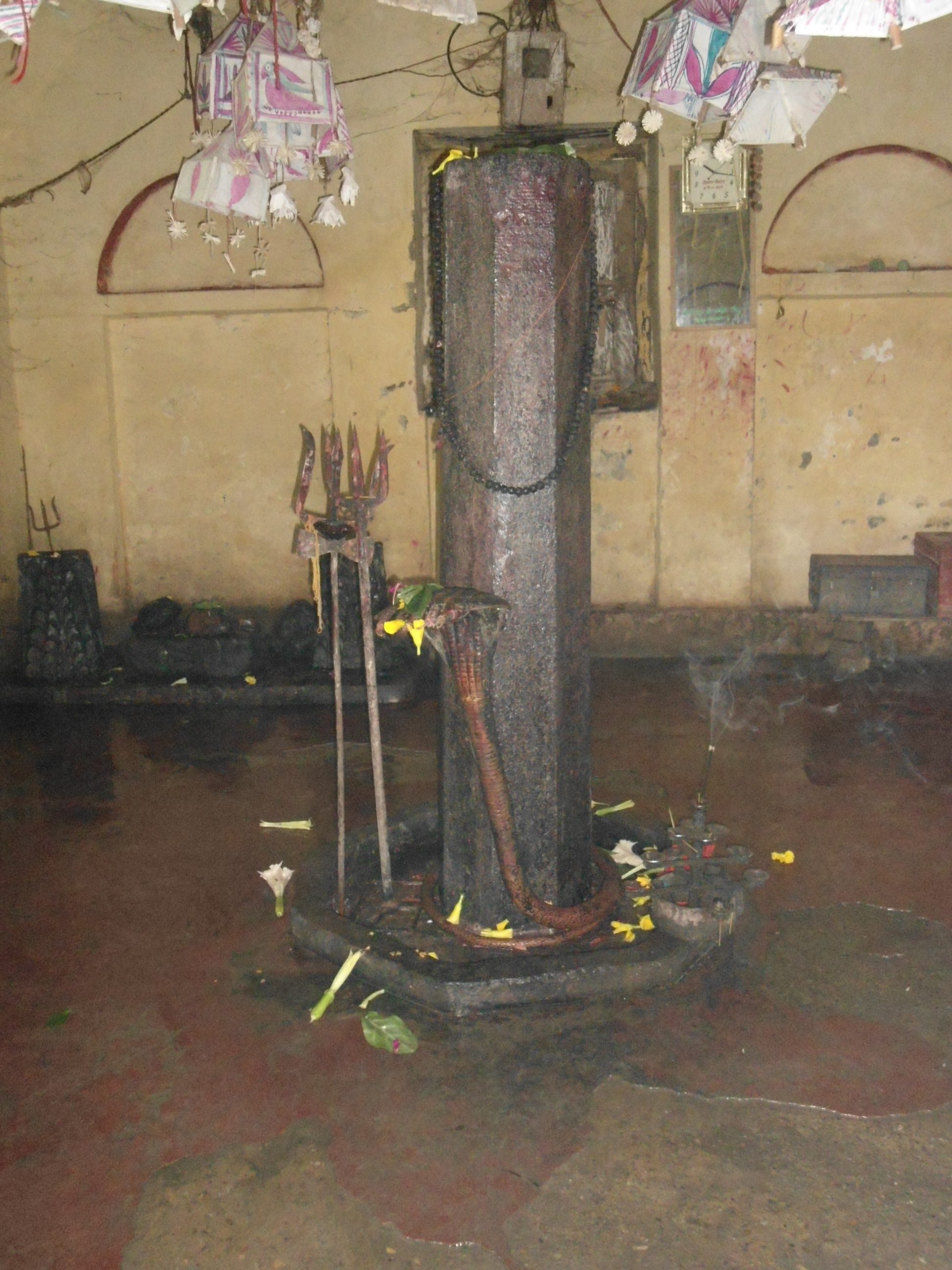
Shambhunath Temple
Shambhunath Temple in Saptari, Nepal is a Hindu shrine dedicated to Lord Shiva, drawing pilgrims from Nepal and India especially during Baishakh month when a month-long fair is…