Chintang Devi temple
About Chintang Devi temple
A Kirati priest maintains the temple and conducts its religious observances. The Kirati priestly tradition carries specific ritual knowledge and practices distinct from Brahminical Hindu priesthood, reflecting the unique religious heritage of the Rai people. The temple operates according to established timings that structure daily worship: morning hours from 08:00 to 11:00, and evening hours from 16:00 to 20:00.
An important restriction governs access to the temple's inner sanctum: women who have begun menstruation are not permitted to enter. This practice reflects traditional purity concepts within certain Hindu and Kirati observances, though it remains a point of ongoing discussion within contemporary religious communities.
Festival Observance
The temple celebrates an annual festival during the full moon of Baisakh, which typically falls in April or May according to the lunar calendar. This festival represents the primary occasion for large-scale worship and community gathering at the site. The full moon holds particular significance in Hindu and Kirati religious calendars, marking auspicious times for worship and pilgrimage. Devotees planning a visit specifically for spiritual purposes may find this festival period especially meaningful, though the temple remains open to visitors throughout the year during its regular hours.
Visiting Information
The temple is accessible during two daily windows: morning darshan from 08:00 to 11:00, and evening darshan from 16:00 to 20:00. Visitors should plan their visit within these hours, as the temple does not remain open continuously. The full moon of Baisakh represents the optimal time for a visit, particularly for those seeking to experience the temple's festival celebrations and the heightened devotional atmosphere that accompanies it.
Visitors should be aware of the restriction on menstruating women entering the temple. Modest dress is appropriate when visiting any Hindu temple; loose-fitting clothing that covers shoulders and knees aligns with respectful practice at sacred sites. Shoes are typically removed before entering temple premises. Photography policies should be confirmed upon arrival, as these vary by site.
Location and Access
Chintang Devi temple is located at coordinates 26.955°N, 87.2041°E in Dhankuta District. The village of Chintang lies in the eastern hills of Nepal, a region characterized by steep terrain and mountain settlements. The temple's position along the Barahakshetra pilgrimage route means it can be incorporated into longer spiritual journeys through the region. Visitors traveling to the site should allow time for the journey from major towns and should inquire locally about current road conditions and transport options, as mountain access can be affected by seasonal weather patterns.
The Pilgrimage Context
The temple's significance extends beyond its own worship to its role within the broader pilgrimage landscape of eastern Nepal. Barahakshetra, the destination shrine for pilgrims using this route, draws devotees seeking the spiritual merit of visiting the Saptakoshi confluence. Chintang Devi functions as both a destination in itself and a meaningful stopping point for those undertaking longer sacred journeys. This dual role reflects how temples in pilgrimage regions often serve both local communities and traveling devotees, creating layers of religious significance and practice.
How to reach
Temples near Chintang Devi temple
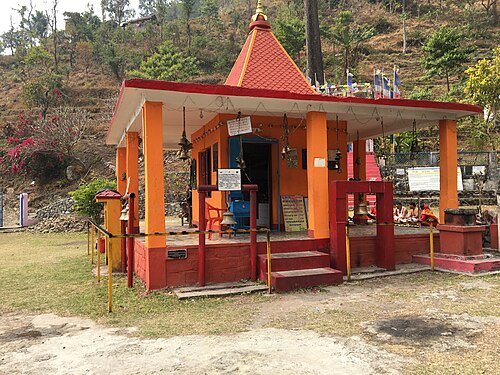
Bishnupaduka (shrine)
Bishnupaduka is a sacred Hindu shrine in northwest Dharan, Nepal, built around a rock bearing two footprints believed to belong to Lord Vishnu. The site holds spiritual signific…
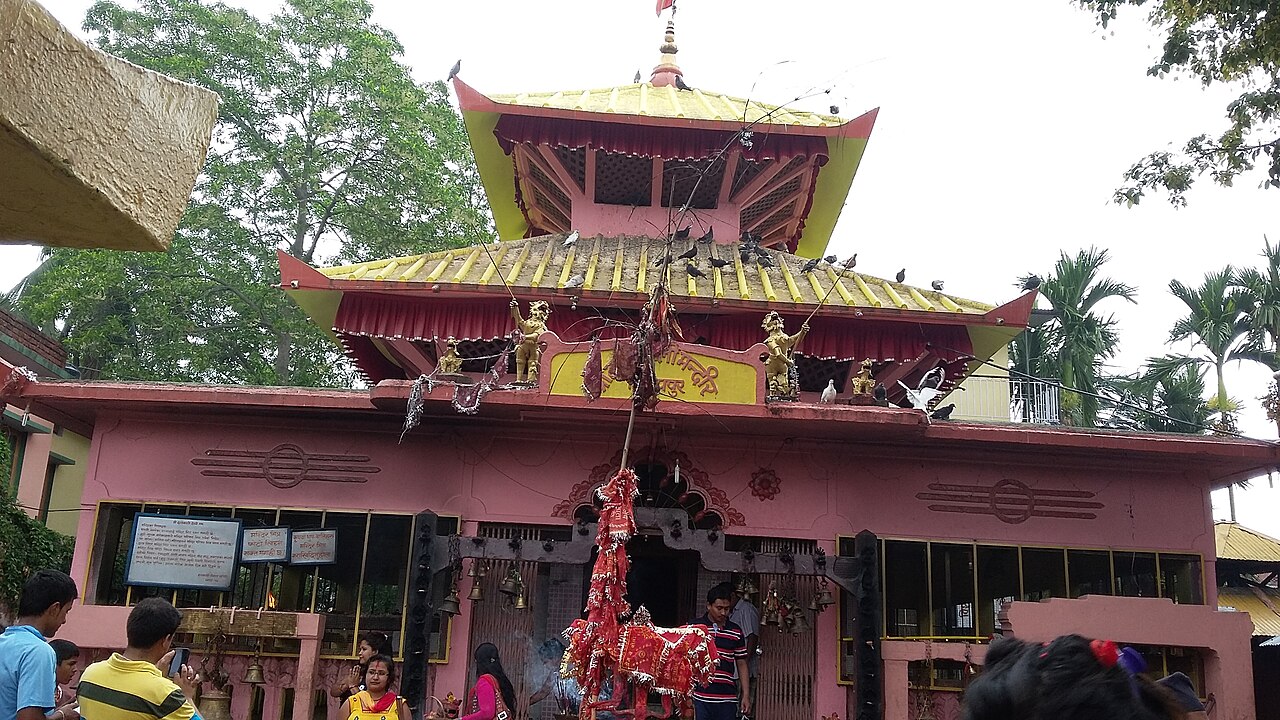
Dantakali Temple
Dantakali Temple is a revered Shakti Peeth nestled on Bijayapur Hill in Dharan, Nepal, believed to mark where the tooth of Goddess Sati fell during Shiva's cosmic journey with h…
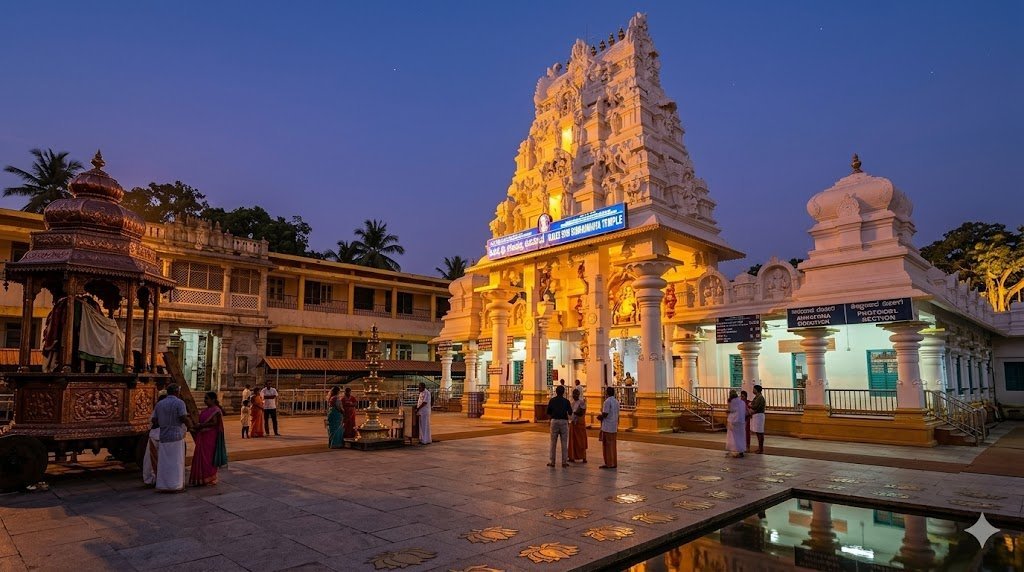
Budhasubba
Kukke Shri Subrahmanya Temple, nestled in the Western Ghats of Karnataka, is one of seven sacred Mukti Kshetras established by sage Parashurama and the foremost centre in India…
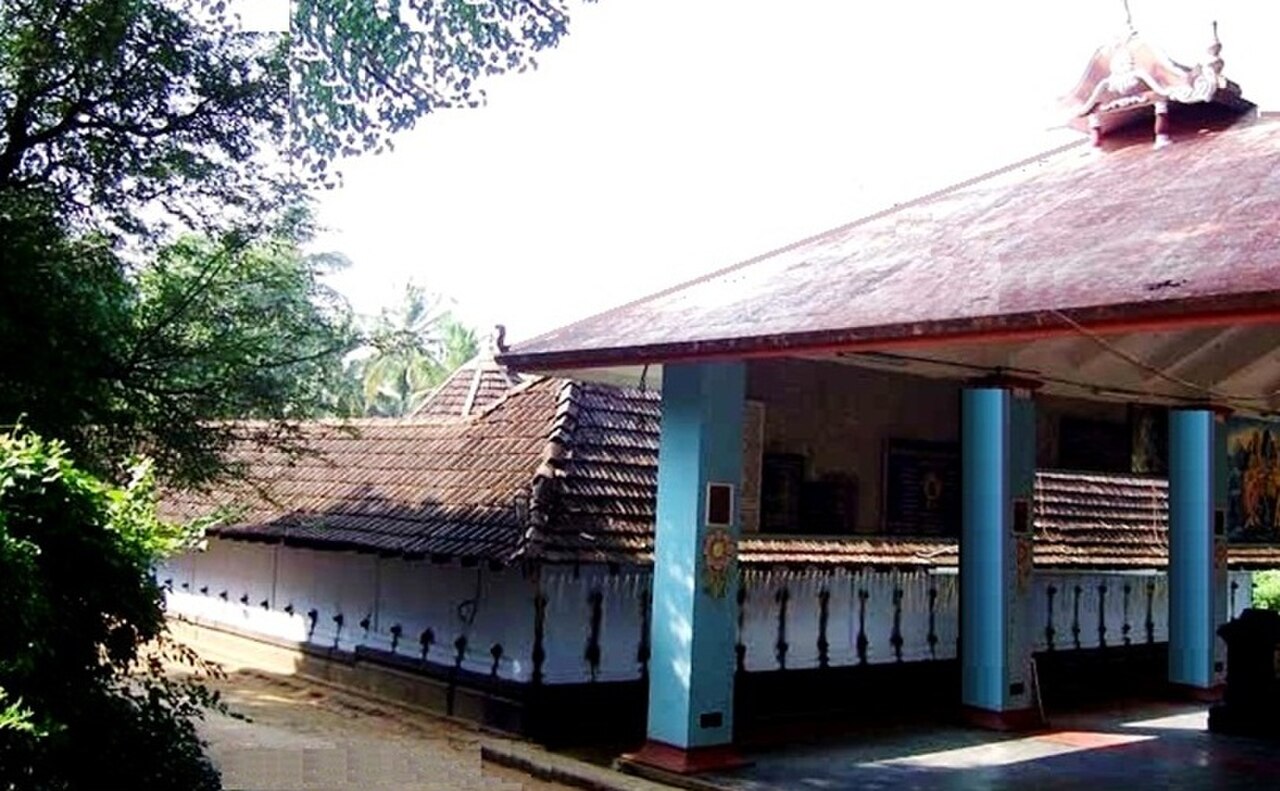
Pananchery Mudikkode Shiva Temple
An ancient Shiva temple in Pananchery, Thrissur District, Kerala, believed to have been established by sage Parashurama according to local tradition. It is recognized as one of…
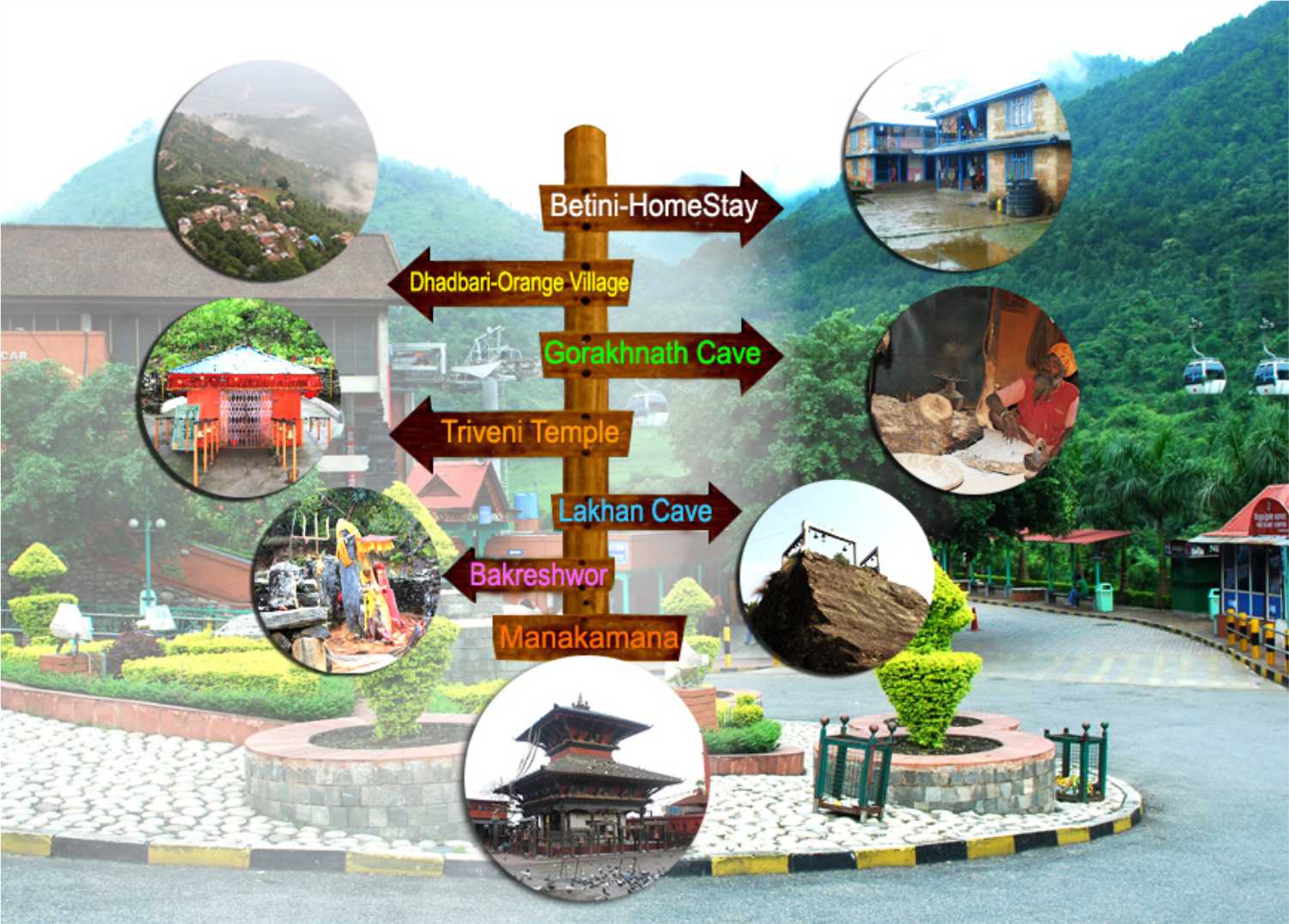
Manakamana Temple
Manakamana Temple in Gorkha, Nepal is dedicated to goddess Bhagwati and attracts devotees seeking wish fulfillment. The temple sits atop a steep hill and is accessible via a mod…
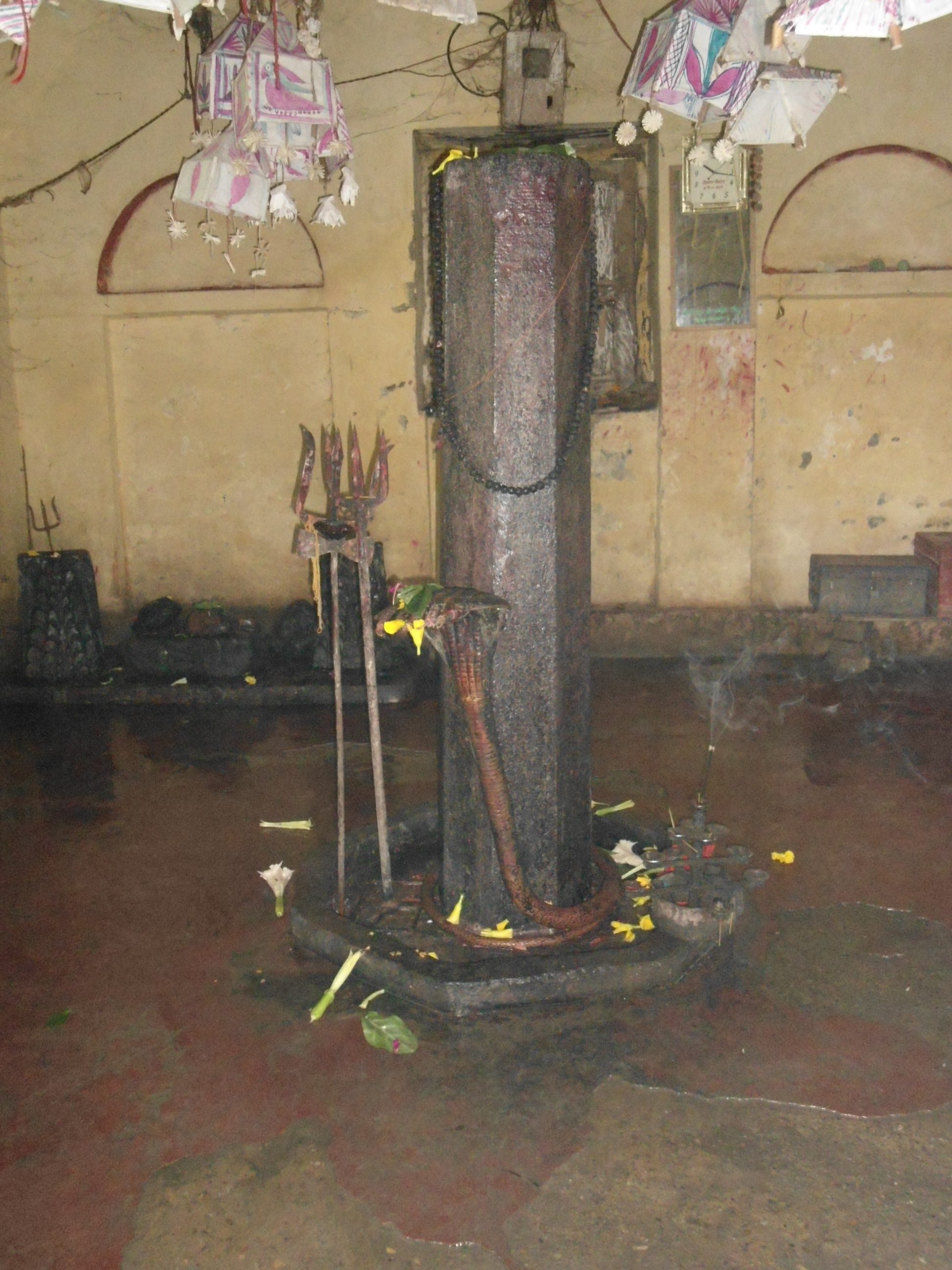
Shambhunath Temple
Shambhunath Temple in Saptari, Nepal is a Hindu shrine dedicated to Lord Shiva, drawing pilgrims from Nepal and India especially during Baishakh month when a month-long fair is…