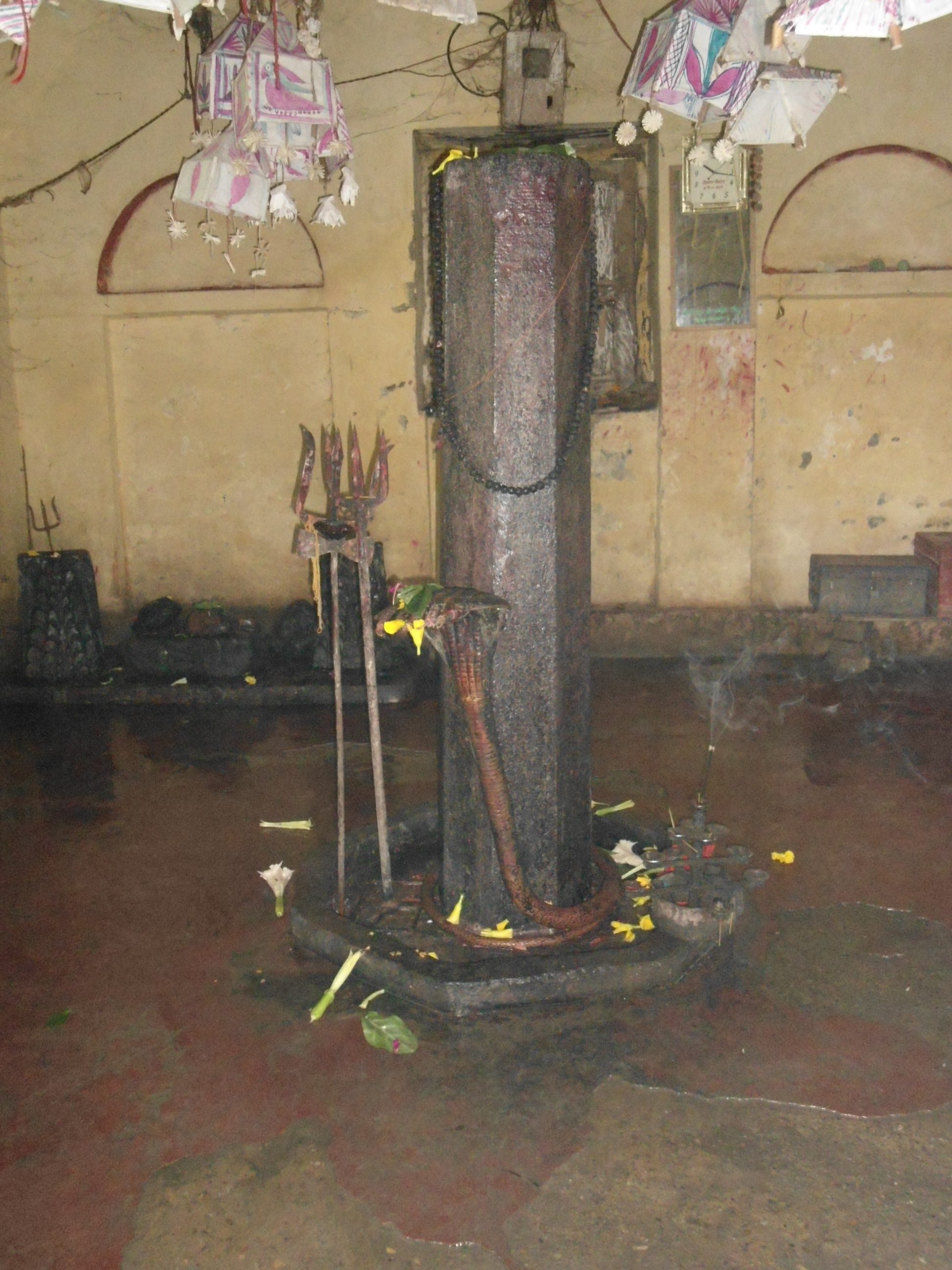
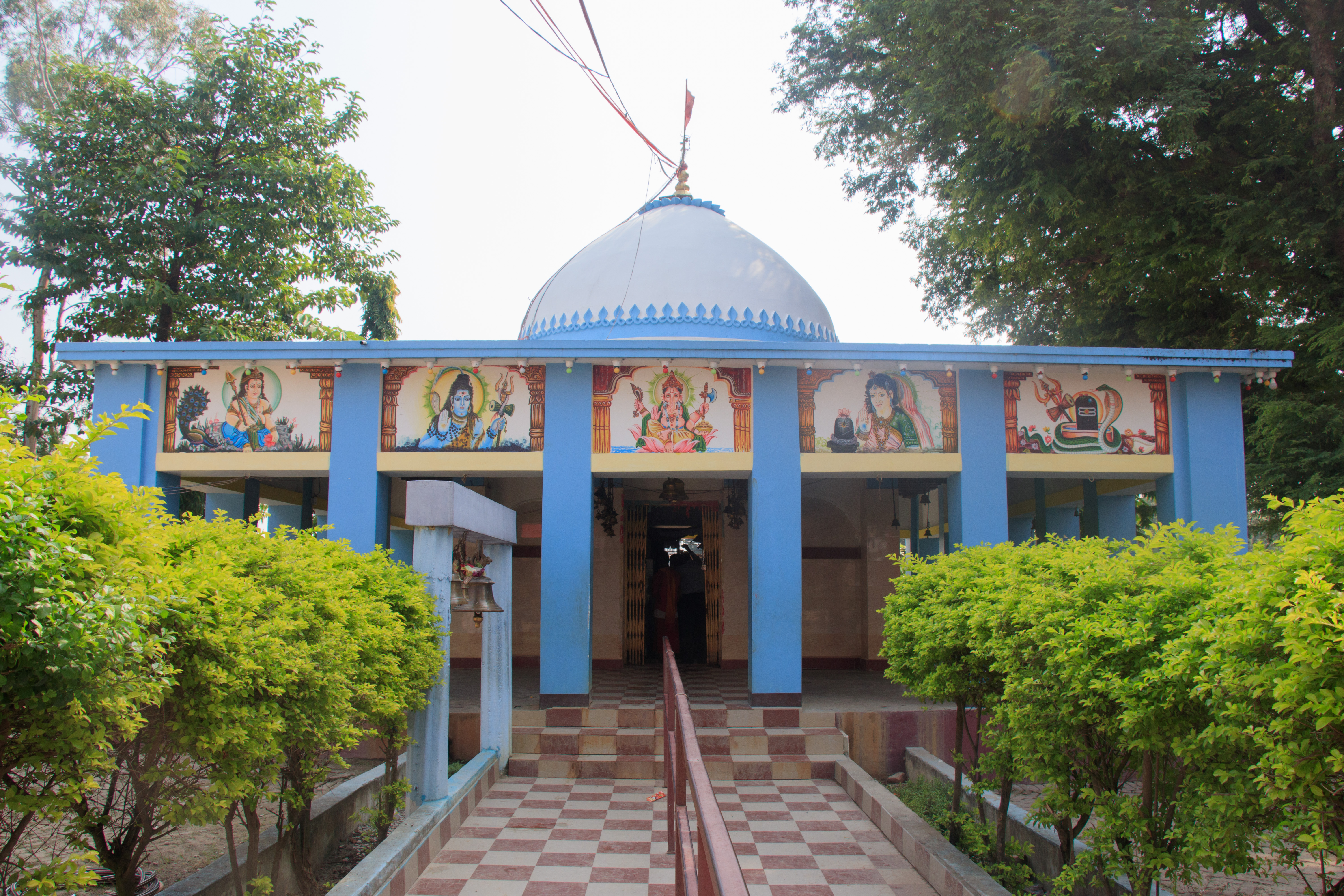
Shambhunath Temple
About Shambhunath Temple
The most significant time to visit Shambhunath Temple is during Baishakh, when a month-long mela transforms the temple into a centre of pilgrimage activity. During this period, the temple draws increased numbers of devotees from across Nepal and India who come to participate in the religious observances and communal worship. The mela creates an atmosphere of collective devotion, though visitors should be prepared for larger crowds during this time.
Those seeking a quieter experience may consider visiting outside this festival month, though the temple remains active throughout the year as a place of worship.
Visiting the Temple: Practical Information
The temple is located at coordinates 26.628691, 86.685865 in Shambhunath, Saptari, Nepal. Visitors planning a trip should note that Baishakh is the optimal time for experiencing the temple's full religious and social significance, though specific opening hours and darshan timings are not documented in available sources. It is advisable to confirm current visiting hours and any entry requirements with local sources or the temple administration before arrival.
Modest dress is customary when visiting Hindu temples, and visitors should be prepared to remove footwear before entering the inner sanctum, as is standard practice in temples of this tradition. Photography policies and other specific conduct guidelines should be verified locally, as these vary between temples.
Reaching Shambhunath
The temple's proximity to the Mahendra Highway—one of Nepal's major east-west routes—makes it reasonably accessible to travellers. The highway connection suggests that visitors travelling through the Saptari district can reach the temple by road, though detailed directions and transport options from nearby towns are not specified in available sources. Travellers should plan their route using current maps and local guidance, particularly if arriving from India or from Kathmandu.
Shiva Worship and Daily Practice
As a Shiva temple, Shambhunath participates in the broader tradition of Shaivism, in which Shiva is honoured through ritual worship and meditation. Temples dedicated to Shiva typically maintain daily worship schedules that include offerings and prayers, though the specific timings of rituals at Shambhunath are not documented here. Devotees visiting the temple should be prepared to participate respectfully in whatever worship practices are underway, and may wish to make offerings as part of their visit.
The temple's role as a pilgrimage site suggests that it holds particular spiritual significance for those who journey there, whether for personal devotion, family observance, or participation in the larger community of worshippers.
Planning Your Visit
Visitors should plan their trip around Baishakh if they wish to experience the temple during its most active period, keeping in mind that crowds will be substantial. Those travelling at other times of year will find a quieter atmosphere. It is recommended to contact the temple or local tourism authorities in Saptari for current information on opening hours, any entry fees, facilities for visitors, and any special observances that may affect access on particular days.
Travellers should allow sufficient time for the journey from the Mahendra Highway to the temple itself, and should carry water and sun protection, as the Terai region can be warm. Local guides or temple staff can provide guidance on worship protocols and the best ways to participate respectfully in the temple's religious life.
How to reach
You may also visit
Agatheeswarar Temple, Karur
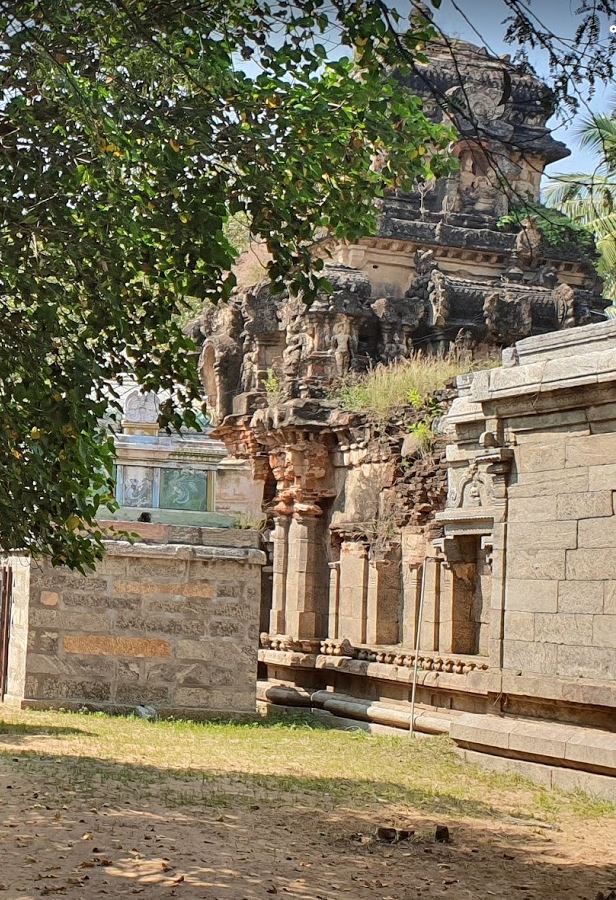
Agatheeswarar Temple in Thirumukkudalur, Karur district, is an ancient Hindu shrine dedicated to Shiva, situated at the sacred confluence of three rivers and believed to be over 1000 years old.
Kalyanji Temple
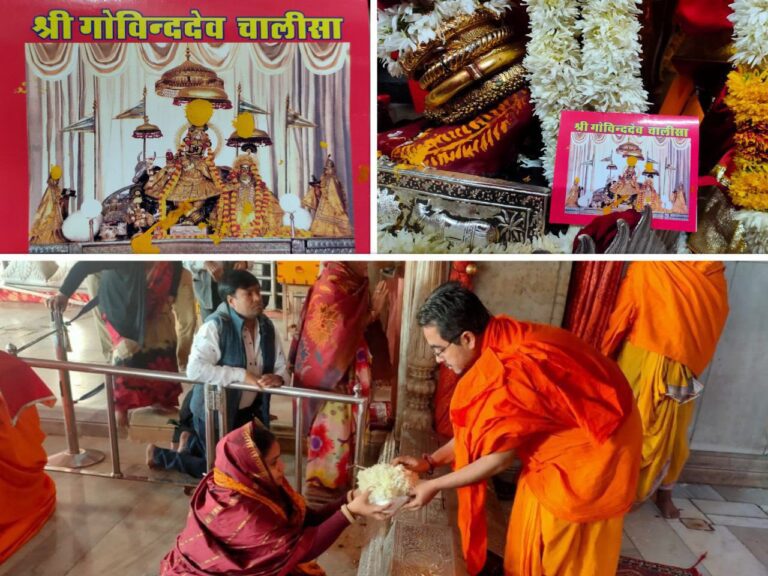
Kalyanji Temple in Jaipur's Chandpol Bazaar is an ancient Krishna shrine established in the 1820s, renowned for its seven daily aartis and special avatar darshan ceremonies during Akha Teej and Patottsav festivals.
Rani Sati Mandir Mahuda
Rani Sati Mandir in Mahuda, Dhanbad District, is a Hindu temple established in 1992 that serves as a spiritual center for the local community and attracts devotees seeking blessings.