Bishnupaduka (shrine)
About Bishnupaduka (shrine)
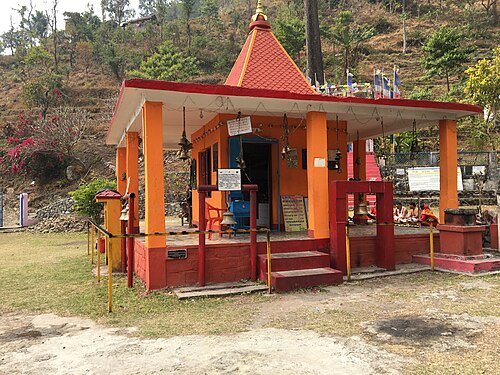
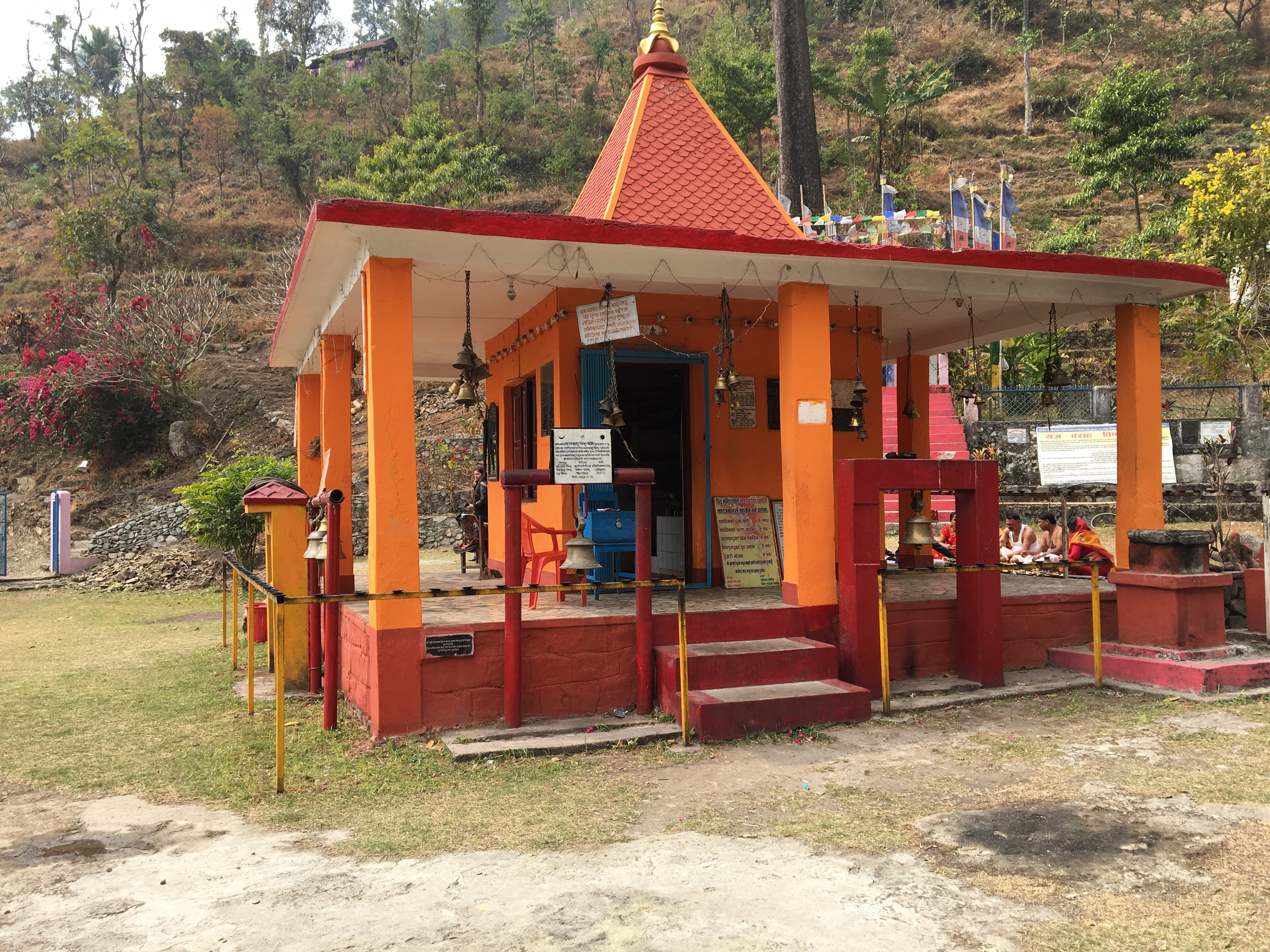
The shrine's origins lie in local discovery rather than ancient textual record. Residents of the Dharan area found the rock bearing footprints and, recognizing their spiritual significance within Vaishnava tradition, constructed a small temple to house and honor the stone. This community-led establishment reflects how sacred sites sometimes emerge from direct encounter with the natural world rather than from established institutional frameworks. The shrine thus represents an organic expression of devotional practice rooted in the landscape itself.
Visiting the Shrine: Practical Information
Detailed information regarding opening hours, entry fees, and specific darshan procedures remains undocumented in available sources. Visitors planning a trip should contact local authorities in Dharan or seek guidance from residents familiar with the shrine's current operations before traveling. As with Hindu temples and shrines generally, visitors are expected to remove footwear before entering the inner sanctum and to dress modestly. Respectful behavior toward the sacred space and fellow worshippers is essential. Those unfamiliar with local customs should observe how other devotees conduct themselves and follow their example.
The Kokaha river near the shrine may feature in the devotional experience—whether through ritual bathing, circumambulation that includes the water source, or the meditative quality of proximity to flowing water. Allow time to experience the interplay between the marked rock, the shrine structure, and the river landscape as a complete pilgrimage setting.
Pilgrimage Season and Shraddha Observances
The month of Paush, falling between December and January, marks the most significant time for pilgrimage to Bishnupaduka. During this period, devotees gather to perform Shraddha ceremonies—rituals honoring deceased ancestors and seeking their spiritual welfare. The convergence of the sacred site, the river's purifying presence, and these ancestral rites creates a particularly potent spiritual occasion. Visitors planning to come during Paush should anticipate larger numbers of pilgrims and prepare accordingly.
Festivals at the Shrine
The shrine observes several festivals throughout the year. Kuse Ausnsi represents a significant observance at this site. Additionally, festivals celebrated in the broader Hindu calendar—including Ugadi or Gudi Padwa (Hindu New Year), Chhath Puja (worship of the sun deity), and Vasant Panchami (marking the onset of spring)—draw devotees to the shrine. The temple becomes more elaborately decorated during these occasions. Visitors should confirm festival dates and any variations in darshan timings before traveling, as festival schedules may affect normal operations.
The Vaishnava Tradition
Bishnupaduka's dedication to Vishnu places it within the Vaishnava tradition of Hinduism, which emphasizes devotion to Vishnu as the cosmic sustainer and preserver. Across the Indian subcontinent and Nepal, countless sacred sites honor Vishnu in various forms. The footprints at this shrine provide a direct, tangible connection to the deity—a physical imprint believed to carry spiritual presence and power. Devotees typically seek blessings, protection, and spiritual merit through darshan and prayer, making the simplicity of the shrine—a small temple built around a natural rock—sufficient to convey sanctity without requiring elaborate architectural or ritual infrastructure.
How to Reach Bishnupaduka
The shrine is located in northwest Dharan, Sunsari district, Nepal, at coordinates 26.8235°N, 87.2479°E. Visitors can use these coordinates with mapping applications to plan their route from Dharan town. Local inquiry upon arrival in the area will help orient travelers to the final approach to the shrine and the river location.
How to reach
You may also visit
Agatheeswarar Temple, Karur
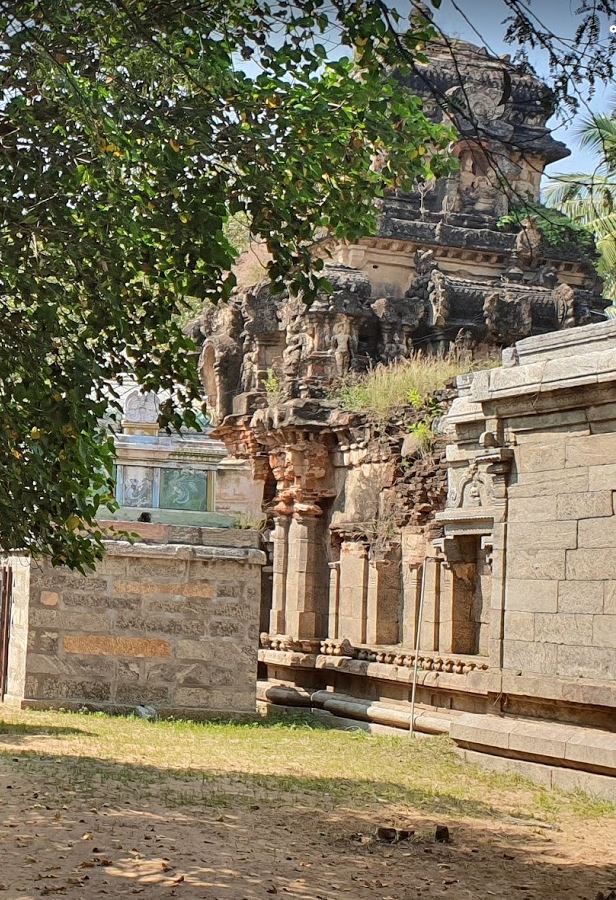
Agatheeswarar Temple in Thirumukkudalur, Karur district, is an ancient Hindu shrine dedicated to Shiva, situated at the sacred confluence of three rivers and believed to be over 1000 years old.
Kalyanji Temple
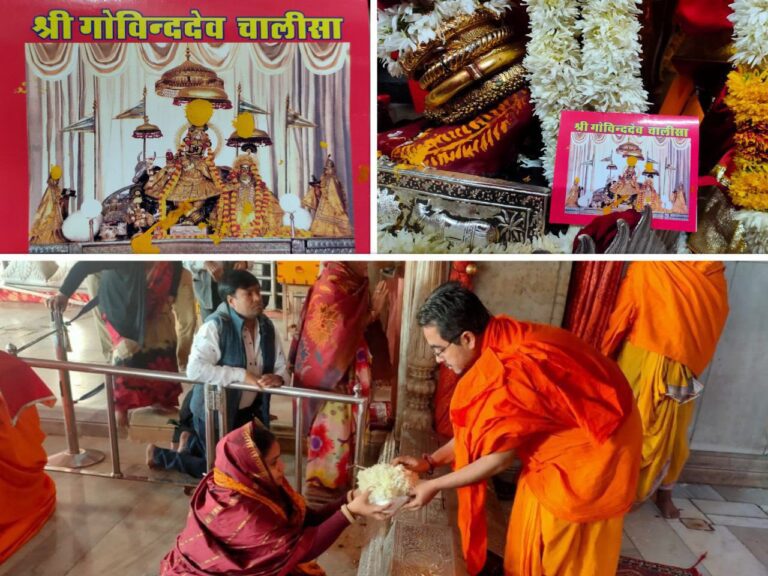
Kalyanji Temple in Jaipur's Chandpol Bazaar is an ancient Krishna shrine established in the 1820s, renowned for its seven daily aartis and special avatar darshan ceremonies during Akha Teej and Patottsav festivals.
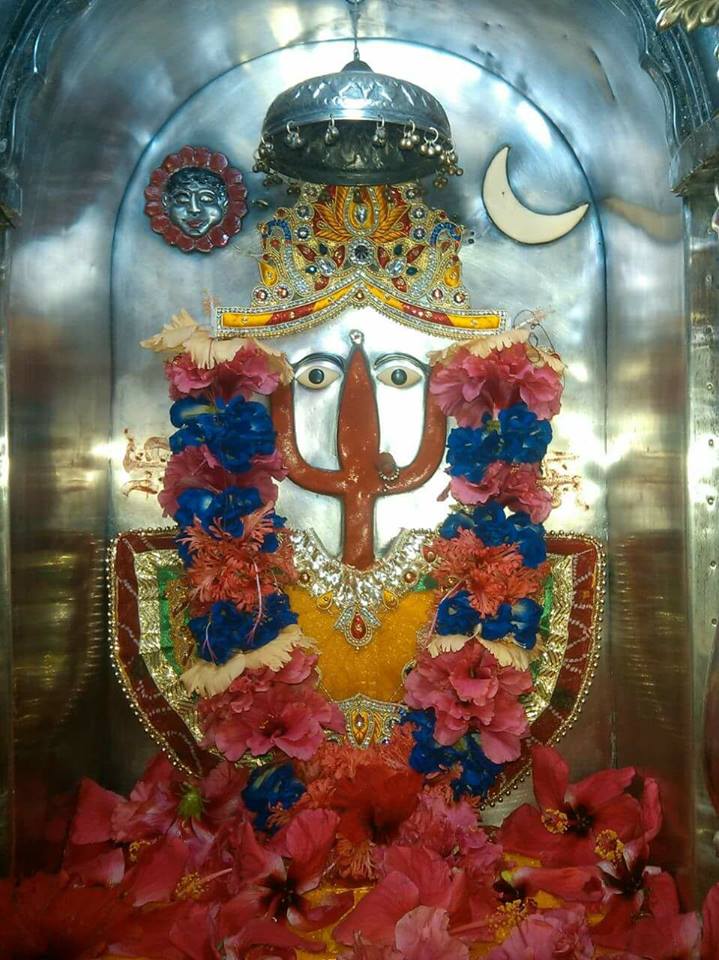
Rani Sati Mandir Mahuda
Rani Sati Mandir in Mahuda, Dhanbad District, is a Hindu temple established in 1992 that serves as a spiritual center for the local community and attracts devotees seeking blessings.