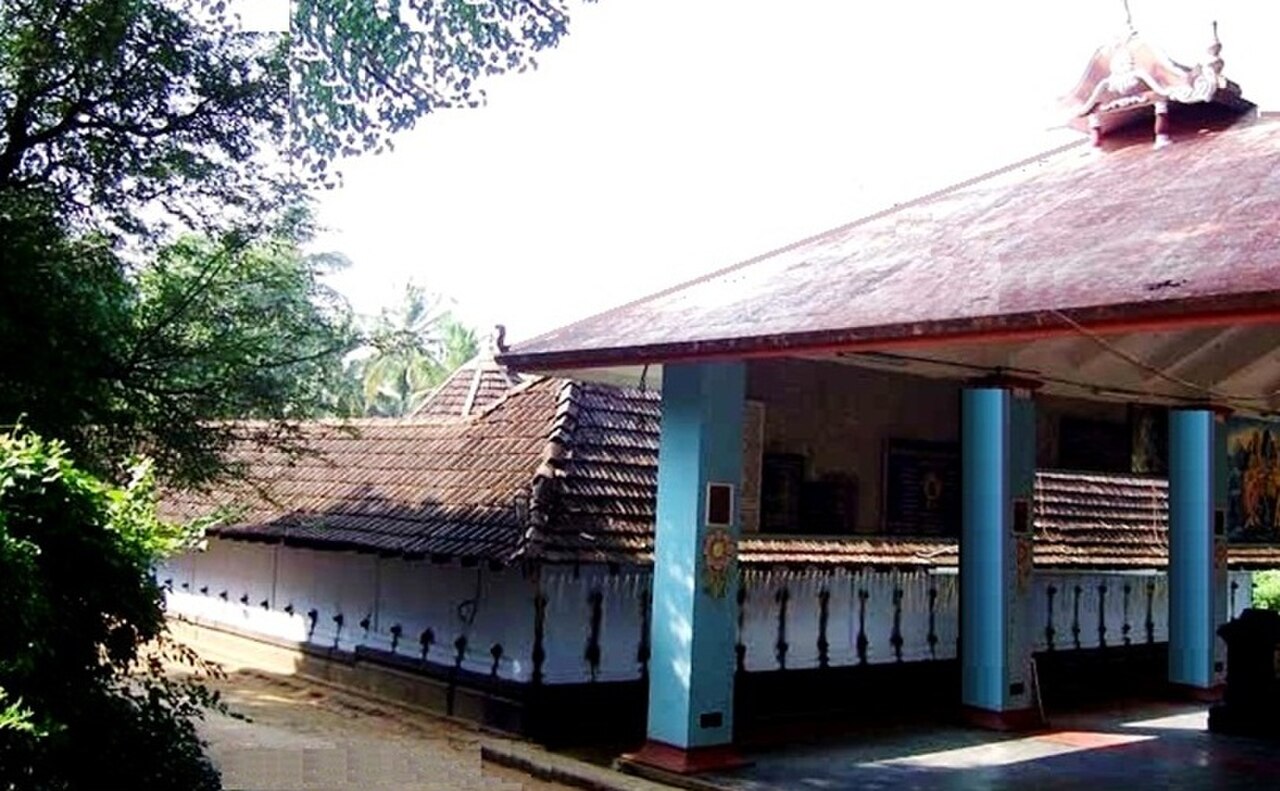

Pananchery Mudikkode Shiva Temple
About Pananchery Mudikkode Shiva Temple
The temple's antiquity and association with Parashurama connect it to Kerala's foundational religious narratives. Parashurama, revered as the creator of Kerala itself in Hindu tradition, is credited with establishing numerous shrines across the region. While specific dates of the temple's construction are not documented in available sources, its status as an ancient shrine suggests it has served devotees for centuries. The temple remains an important spiritual center for local communities and pilgrims who seek connection to this lineage of sacred sites.
Architecture and Atmosphere
The temple is known for its traditional Kerala-style architecture and peaceful setting. The sanctum's westward orientation follows specific architectural principles observed in Kerala temple design. Visitors typically encounter a serene environment suited to contemplation and worship. The temple's physical form reflects the architectural conventions of Kerala's Hindu temple tradition, though detailed descriptions of specific structural features are not available in current sources.
Worship and Daily Rituals
The temple conducts regular Shiva poojas and rituals that form the rhythm of worship. Devotees gather for these ceremonies, which follow the liturgical practices associated with Shiva worship in Kerala temples. The temple serves as an active place of spiritual practice for local devotees, with rituals performed according to traditional schedules. Those wishing to participate in specific ceremonies should contact the temple directly, as detailed darshan timings are not currently verified in available sources.
Maha Shivaratri: The Primary Festival
Maha Shivaratri, the great night dedicated to Lord Shiva, represents the most significant observance at this temple. This festival draws devotees who gather to honor Shiva through extended worship and meditation. The temple celebrates this occasion with particular devotion, making it the recommended time for visitors seeking to experience the shrine at its most vibrant. The festival typically falls in February or March according to the lunar calendar.
Visiting the Temple
The temple is located in Pananchery village, Thrissur District, Kerala. Visitors should plan their journey using the coordinates 26.81, 87.29 for navigation purposes. As with most Hindu temples, modest dress is appropriate—covering shoulders and knees shows respect for the sacred space. Visitors should remove footwear before entering the sanctum and follow any instructions from temple staff regarding ritual participation. Since verified contact details and specific darshan timings are not currently documented, it is advisable to contact the temple in advance or arrive during standard morning and evening worship hours, which are typical for Kerala temples. Photography policies should be confirmed upon arrival.
Getting There
Pananchery is situated in Thrissur District in central Kerala. The temple can be located using GPS coordinates or by inquiring locally in Pananchery village. Those traveling to the region should plan their route through Thrissur, Kerala's major city, from which local transportation can be arranged. Detailed directions and current travel information are best obtained through mapping applications or by contacting local tourism resources in Thrissur District.
How to reach
You may also visit
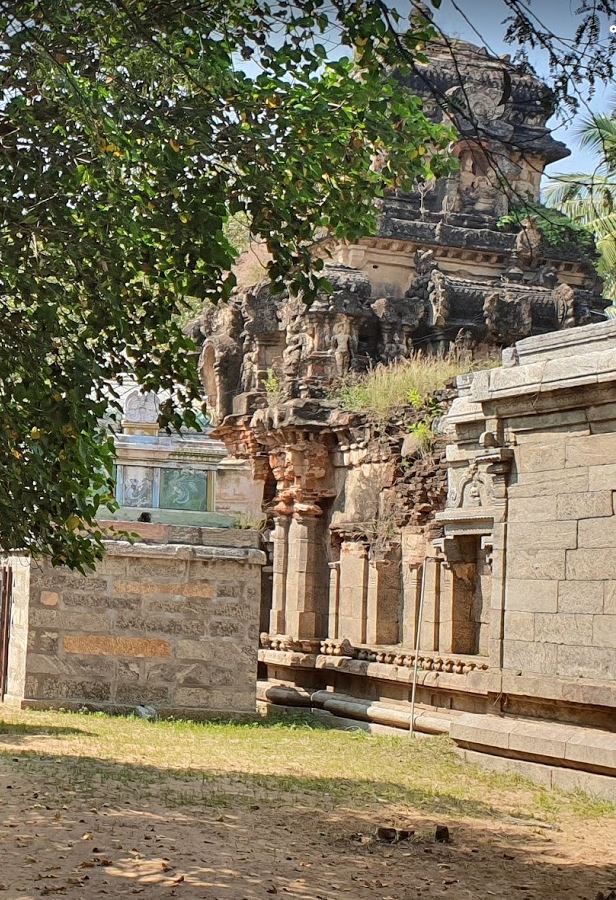
Agatheeswarar Temple, Karur
Agatheeswarar Temple in Thirumukkudalur, Karur district, is an ancient Hindu shrine dedicated to Shiva, situated at the sacred confluence of three rivers and believed to be over 1000 years old.
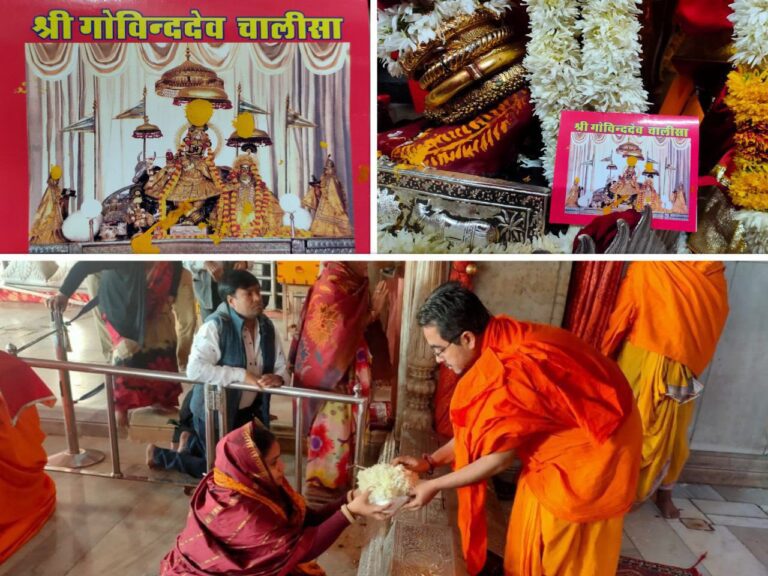
Kalyanji Temple
Kalyanji Temple in Jaipur's Chandpol Bazaar is an ancient Krishna shrine established in the 1820s, renowned for its seven daily aartis and special avatar darshan ceremonies during Akha Teej and Patottsav festivals.
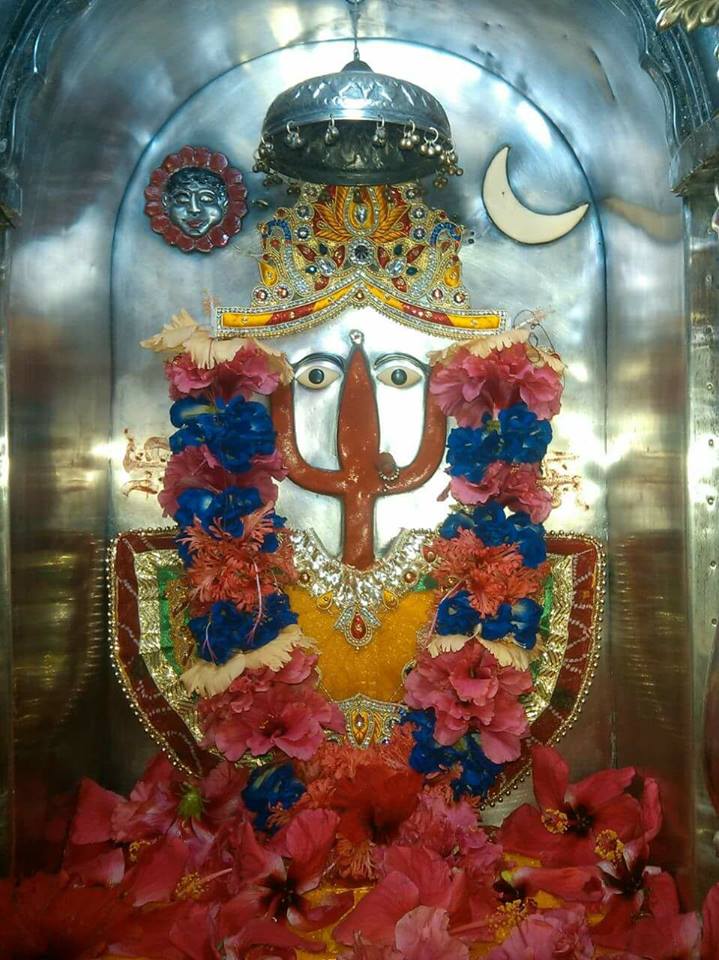
Rani Sati Mandir Mahuda
Rani Sati Mandir in Mahuda, Dhanbad District, is a Hindu temple established in 1992 that serves as a spiritual center for the local community and attracts devotees seeking blessings.