Sitaleshwar Temple
About Sitaleshwar Temple
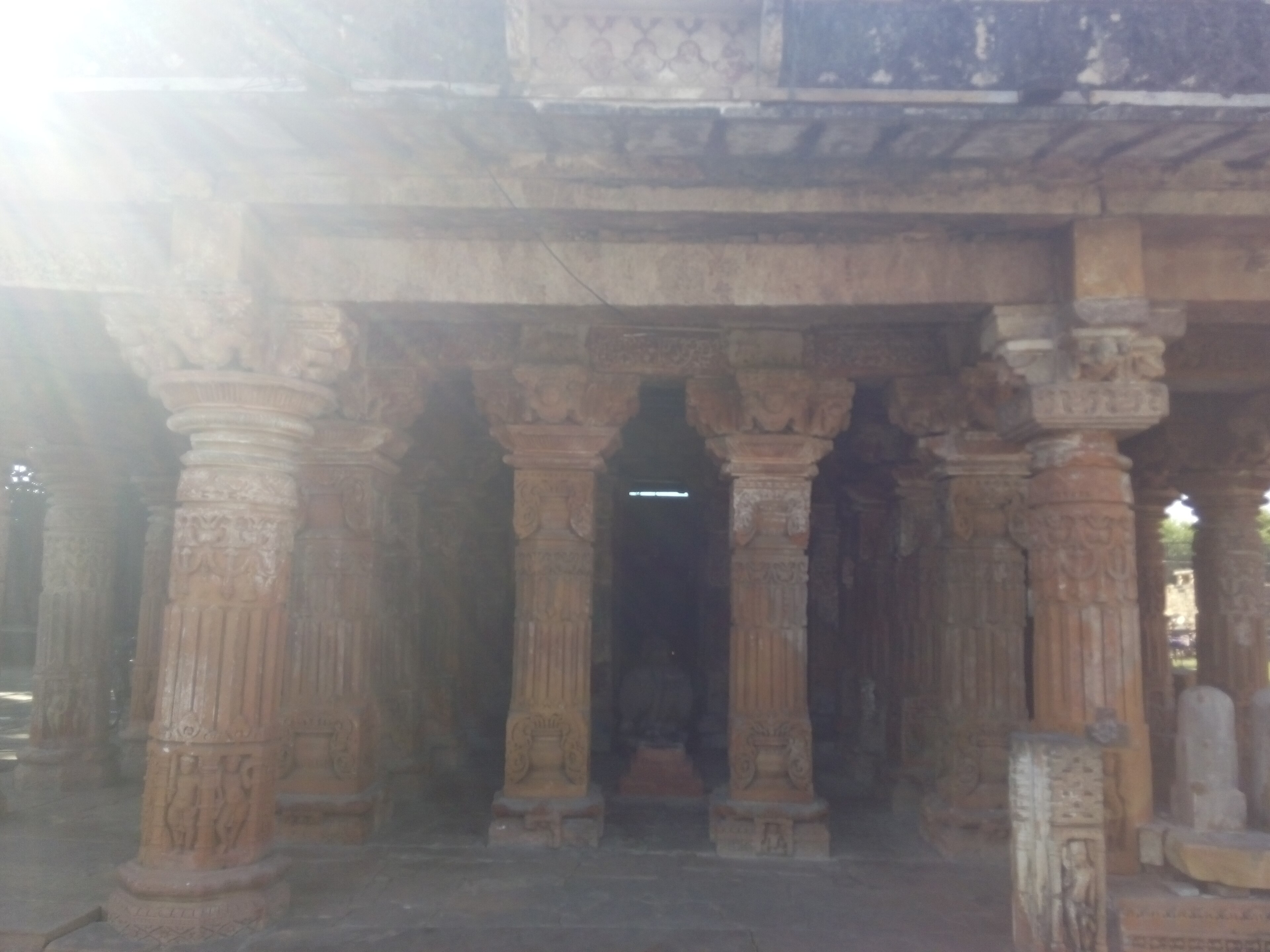
The temple's physical form comprises a pavilion with an antechamber and sanctum, distinguished by elaborately carved pillars throughout. The exterior walls bear relief sculptures depicting various Hindu deities, demonstrating the sculptural sophistication of 7th-century temple construction. These carved elements serve both aesthetic and devotional purposes, inviting contemplation of the divine forms represented in stone. The carved pillars in particular suggest a structure of considerable craftsmanship, though the specific iconographic program they present is not detailed in available sources.
Daily Worship and Darshan
Early morning and evening hours hold particular significance for worship at this Shiva temple, aligning with the natural rhythms of dawn and dusk when the Shaivite tradition observes its most auspicious periods for devotion. Visitors seeking darshan should plan to arrive during these times. Specific opening hours and formal darshan timings are not documented in available sources; it is advisable to contact the temple directly or inquire locally before visiting, as schedules may vary seasonally and on festival days.
Devotees typically bring flowers, incense, or other offerings, though it is wise to confirm with temple staff which items are currently permitted. Standard practice at Shiva temples includes circumambulating the shrine in a clockwise direction and maintaining quiet in inner sanctums. Prasad (blessed food) is traditionally accepted with the right hand. Photography policies vary; courtesy suggests asking permission before photographing, particularly within the sanctum.
Festivals and Seasonal Observance
The temple draws notably larger gatherings during three principal festivals: Sharad Navaratri, Diwali, and Ram Navami. Sharad Navaratri, the nine nights honoring the Goddess, brings heightened devotional activity to the shrine. Diwali, the festival of lights, is celebrated with particular brightness at temples across the tradition. Ram Navami marks the birth of Lord Rama and draws worshippers seeking blessings. These festivals transform the temple's appearance and atmosphere, making them significant times for both pilgrimage and celebration. Visitors planning to attend during these periods should confirm exact dates and any special practices with the temple in advance, as festival schedules follow the lunar calendar and vary annually.
Visitor Etiquette and Practicalities
Modest dress is customary at Hindu temples—covered shoulders and knees are appropriate. Shoes are typically removed before entering the sanctum and inner spaces. Menstruating women are traditionally not permitted in the inner sanctum at many Hindu temples, though practices vary by location and community; local inquiry will clarify the specific practice at Sitaleshwar.
The temple is located at coordinates 24.529444°N, 76.177777°E in Jhalrapatan, Rajasthan, which may assist those using GPS navigation. Specific opening hours are not documented in available sources; visitors should contact the temple directly or inquire locally to confirm current schedules.
Reaching Jhalrapatan
Jhalrapatan is situated in Rajasthan, and visitors should plan their journey based on the nearest major towns and transportation hubs. Local inquiry will provide the most current information about road conditions, public transport options, and accommodation in the area. The town itself may offer basic facilities for visitors, though those seeking extensive amenities should plan accordingly. Those traveling from a distance may wish to confirm accessibility and lodging options before departure.
How to reach

Temples near Sitaleshwar Temple
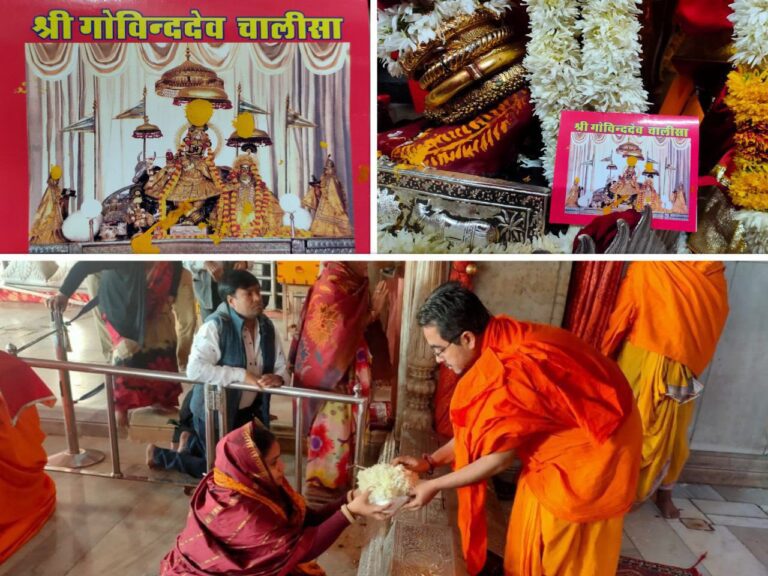
Ma Ambika Mandir, Musen Mata
Ma Ambika Mandir in Musen Mata, Rajasthan, is a Hindu temple dedicated to Goddess Ambika (a form of Durga) situated on the banks of the Bhupasi River within a protected sacred f…
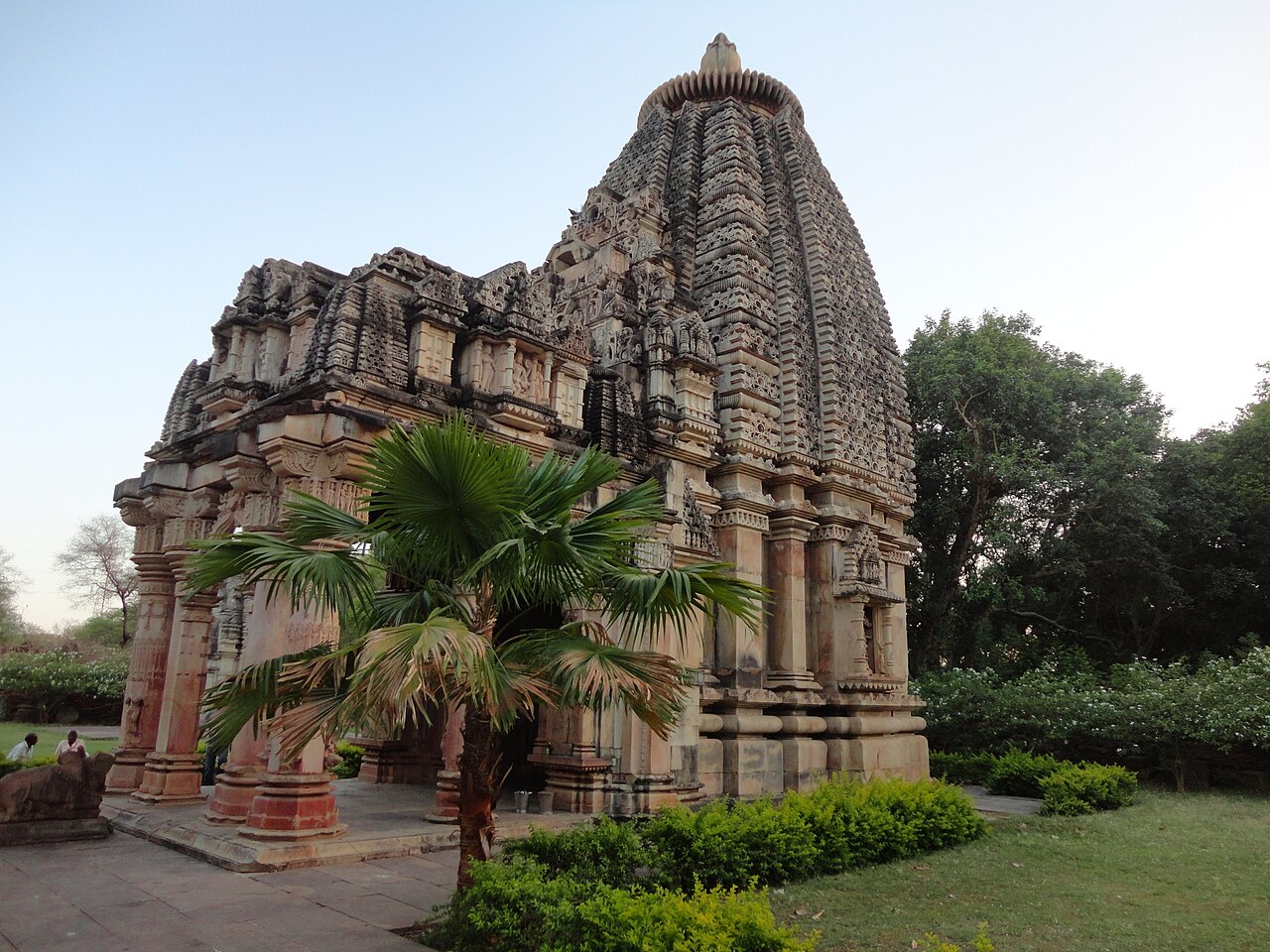
Ghateshwar Temple
Ghateshwar Temple is a Shiva shrine in Baroli, Rajasthan, built in the Pratihara architectural style and recognized as a Monument of National Importance under Archaeological Sur…
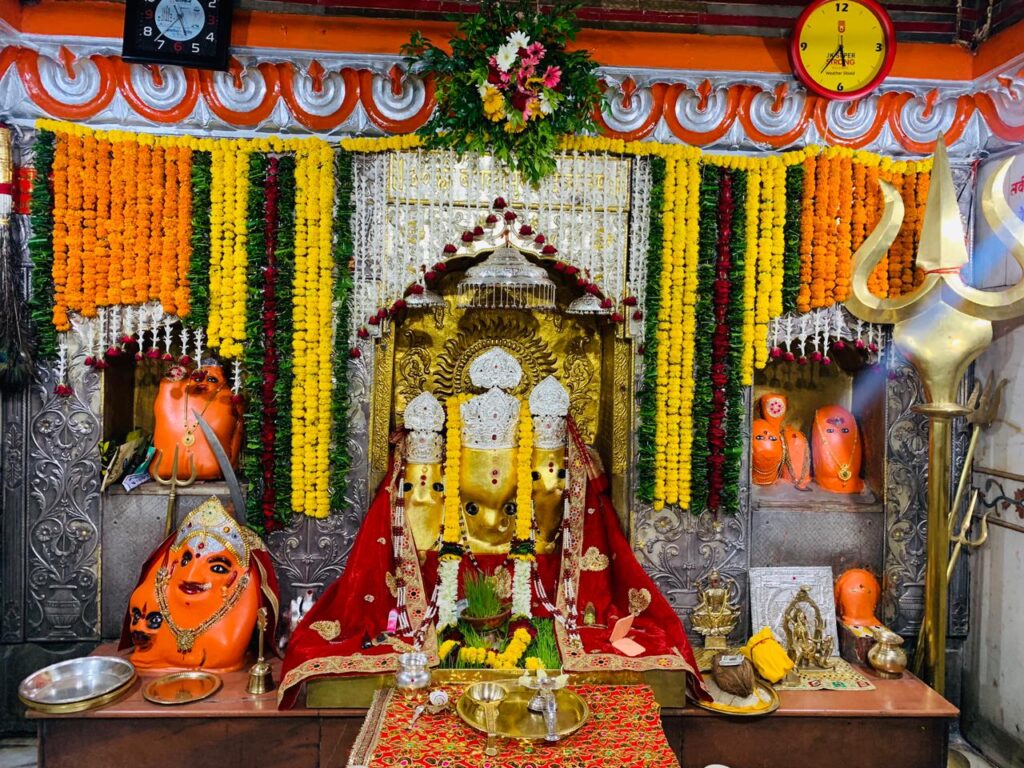
Bagalamukhi Temple, Nalkheda
The Bagalamukhi Temple in Nalkheda, Madhya Pradesh, is a revered shrine dedicated to the goddess Bagalamukhi, one of the ten Tantric Mahavidya deities. Located on the banks of t…
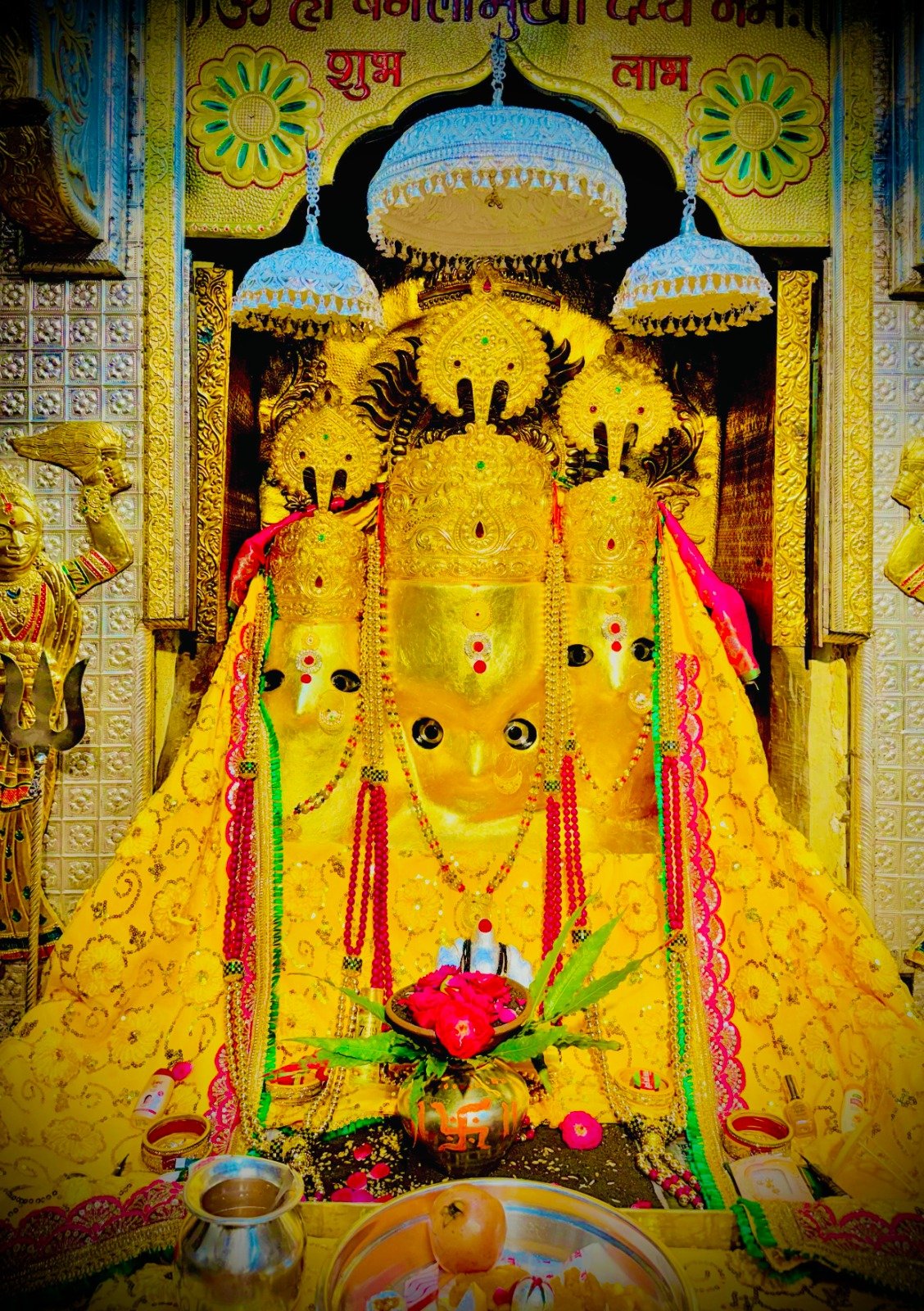
Bagalamukhi Temple
The Bagalamukhi Temple in Nalkheda, Madhya Pradesh, is a sacred shrine dedicated to Goddess Bagalamukhi, one of the ten Mahavidya goddesses in Hindu Tantra. Located on the banks…
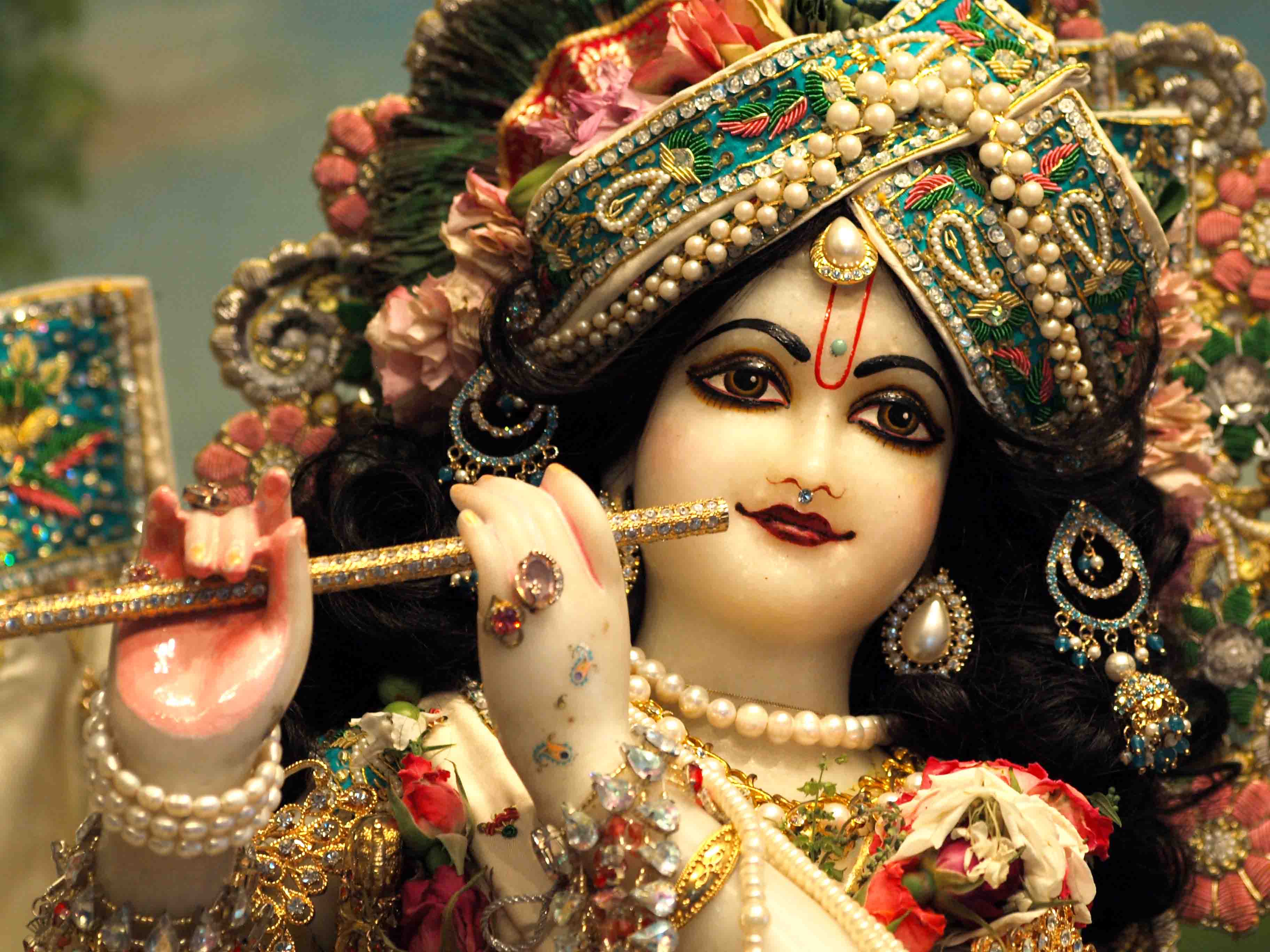
Shyam Kaka Temple
Shyam Kaka Temple, established in 1845 CE, is a Krishna temple in Rajgarh district, Madhya Pradesh, notable for its interfaith panel depicting six Muslim men in prayer and its I…
Keshav Rai Temple
Keshav Rai Temple, built in 1641 by Rao Raja Chhatrasal, stands on the banks of the Chambal River in Keshoraipatan, Rajasthan, and is dedicated to Keshav Rai (Vishnu). The shrin…