


Laxmi Narayan Temple
About Laxmi Narayan Temple
The main shrine, or garbhagriha, measures 0.90 square metres and rises to a total height of 3.24 metres. The temple features a vimana in pidha order—a pyramidal tower characteristic of Hindu temple design. A Garuda image stands on a pillar in front of the temple, a common placement for the divine eagle who serves as Vishnu's mount and emblem. The doorway measures 1.15 metres in height by 0.50 metres in width. The entire structure is rendered in white marble, contributing to the temple's serene and luminous appearance.
The temple sits within the Kapileswar temple precinct and is closely integrated with the surrounding complex, including a kitchen facility. This arrangement reflects the traditional Hindu temple model where ritual spaces, worship areas, and service facilities coexist as a unified sacred community.
Daily Worship and Darshan
The temple opens for darshan at 8:00 AM and closes at noon, then reopens at 4:00 PM until 8:00 PM. Morning aarti—the ritual of worship involving light and offerings—takes place at 6:30 AM, while evening aarti occurs at 7:00 PM. These are the principal times when the deity receives formal ritual attention, and they draw both regular devotees and visitors seeking to participate in communal worship.
Early morning hours between 8:00 and 10:00 AM offer a quieter atmosphere for personal darshan, while the evening period from 5:00 to 7:00 PM combines the aarti ritual with better lighting for photography. Visitors should plan their visit around these timings to align with their preference for either contemplative solitude or participation in active worship.
Best Times to Visit
The cooler months from September through March provide the most comfortable conditions for visiting Jaipur's temples. During these months, the climate allows for unhurried darshan and exploration of the temple grounds without the intensity of summer heat. Within any given day, early morning visits reward those seeking peaceful surroundings and the spiritual atmosphere that precedes the busier hours. Evening visits coincide with aarti, offering the opportunity to witness the temple's ritual life and observe how devotees engage with the shrine.
Visitor Information and Practicalities
Entry to the temple is free. The temple maintains ample parking space outside its grounds, and the location near Moti Doongri makes it accessible by auto-rickshaw or personal vehicle. From Jaipur Railway Station, the temple lies approximately 5 kilometres away. Visitors should dress modestly, covering shoulders and knees, as is customary at Hindu temples. Shoes are typically removed before entering the inner sanctum, though practices may vary—observe what other visitors do upon arrival.
A small museum adjacent to the temple houses artefacts related to the Birla family and is also free to enter. This provides additional context for understanding the temple's history and the family's role in its construction.
A Modern Temple with Traditional Roots
Unlike many of Rajasthan's ancient pilgrimage sites, Birla Mandir represents a deliberate modern creation grounded in classical Hindu devotional forms. The Birla family's commissioning of the temple in 1977, with its opening in 1988, reflects a twentieth-century approach to temple building that combines contemporary construction methods with traditional iconography and ritual practice. The white marble and precise architectural proportions create a space that feels both contemporary and reverent, offering visitors a different experience from older, organically evolved sacred sites while maintaining the essential elements of Hindu worship and darshan.
How to reach


Temples near Laxmi Narayan Temple
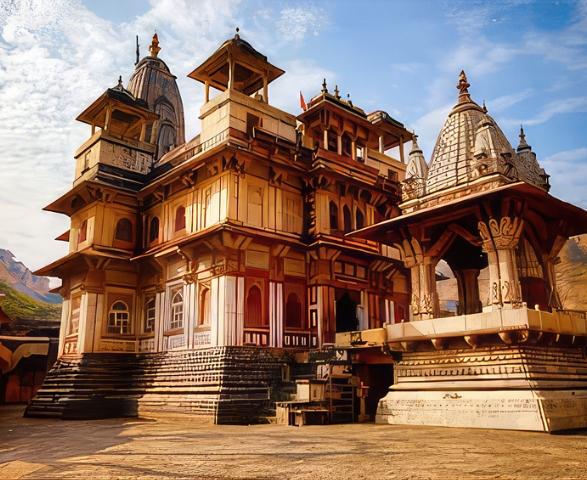
Jagat Shiromani Temple, Amer
Jagat Shiromani Temple is a 17th-century shrine in Amer dedicated to Lord Krishna, Vishnu, and the poet-saint Meera Bai, built by Queen Kanakawati in memory of her son Jagat Singh.

Charan Mandir
Charan Mandir is an ancient Krishna temple in Jaipur's Nahargarh Reserve Forest, revered for preserving the sacred footprints of Lord Krishna believed to have appeared at this s…
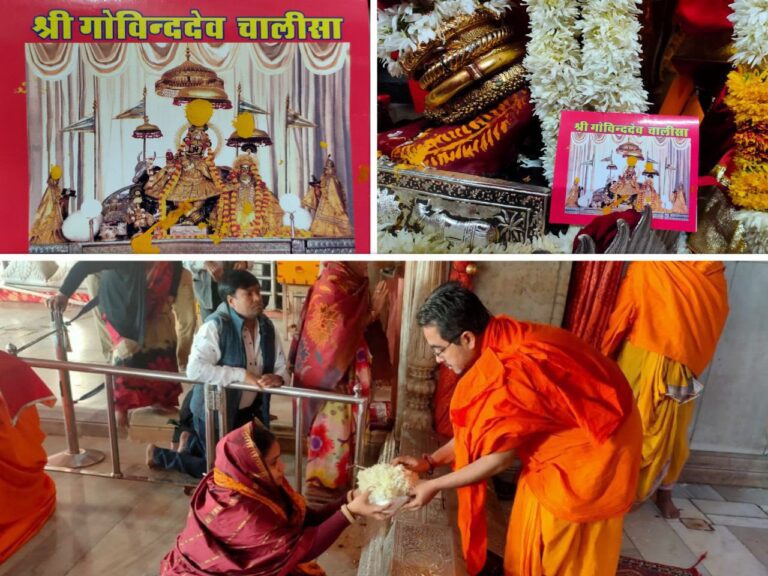
Khole Ke Hanuman Ji Temple
Khole Ke Hanuman Ji Temple, located in the Aravalli foothills near Jaipur, is dedicated to Lord Hanuman and features a distinctive three-story structure built in ancient fort ar…
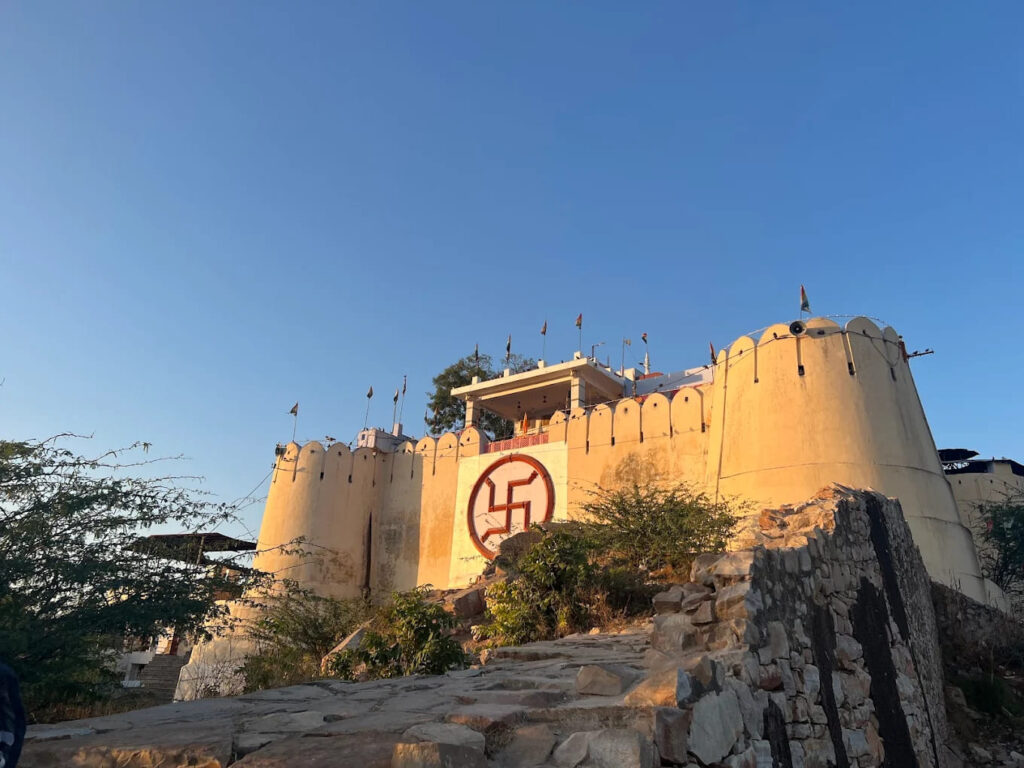
Garh Ganesh Temple
Garh Ganesh Temple, perched on Jaipur's Aravalli hills, enshrines a rare trunkless idol of Lord Ganesha in child form, believed to grant prosperity and remove obstacles.
Arya College Mandir
Arya College Mandir in Jaipur is an Arya Samaj temple established in 1727, located near an educational institution in the Kuaks area. The temple emphasizes Vedic worship princip…
Govind Dev Ji Ka Mandir
Govind Dev Ji Temple in Jaipur's City Palace complex is a prominent Vaishnava shrine housing the deities of Radha and Krishna, brought from Vrindavan by Maharaja Jai Singh II in…