Arya College Mandir
About Arya College Mandir
This temple belongs to the Arya Samaj movement, a Hindu reform tradition that emerged in nineteenth-century India. Arya Samaj mandirs typically emphasise monotheistic worship and rational interpretation of Hindu philosophy, often moving away from elaborate idol worship toward more austere forms of devotion. The movement's temples are generally community-focused spaces that serve both spiritual and social functions. The presence of this mandir in Jaipur reflects the Arya Samaj's historical presence and continuing influence in Rajasthan, where the movement established itself as a significant religious and social force.
Worship and Observance
While the primary deity worshipped at Arya College Mandir is not recorded in available sources, temples within the Arya Samaj tradition typically conduct worship according to principles that emphasise the unity of the divine and the study of Vedic texts. Visitors to such mandirs should be prepared for a style of worship that may differ from temple practices elsewhere—often characterised by greater emphasis on prayer, meditation, and scriptural recitation rather than elaborate ritual ceremonies. The specific practices and daily schedule at this particular temple would be best confirmed through direct contact with the temple authorities.
Festivals and Observances
The temple observes major Hindu festivals throughout the year, including Krishna Janmashtami, Ganesh Chaturthi, Navratri, Dussehra, Dhanteras, Diwali, Bhai Dooj, Chhath Puja, Makar Sankranti, Maha Shivaratri, Holi, and Ugadi or Gudi Padwa. These festivals follow the lunar calendar and their exact dates vary annually. Devotees planning to visit during festival periods should verify the specific dates and any special observances or gatherings the temple may organise, as festival celebrations can draw larger numbers of worshippers and may involve extended hours or special programmes.
Visiting the Temple
Prospective visitors should dress modestly when approaching the temple, as is customary at Hindu places of worship. Shoes are typically removed before entering the inner sanctum. Since verified timings are not currently on record, it is essential to contact the temple in advance or check with local sources to confirm when darshan (viewing of the deity) is available. The temple's location on a college road in an urban neighbourhood means it is accessible by local transport, though parking availability should be confirmed beforehand. Visitors unfamiliar with Arya Samaj practices may find it helpful to observe quietly during their first visit to understand the particular style of worship practised there.
Community and Significance
Arya College Mandir serves the Hindu community of Kuaks and surrounding areas of Jaipur. As an Arya Samaj institution, it likely functions not only as a place of worship but also as a community gathering space. The temple's location near an educational institution reflects the Arya Samaj's historical commitment to education and social reform alongside spiritual practice. Those interested in understanding the Arya Samaj movement's role in modern Hindu practice may find a visit to this mandir informative.
How to reach
Temples near Arya College Mandir
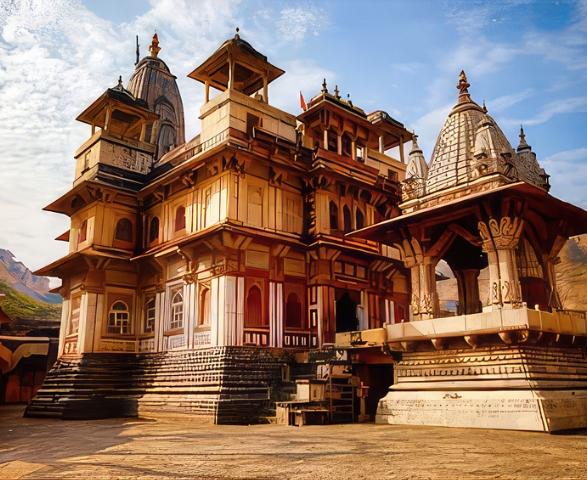
Jagat Shiromani Temple, Amer
Jagat Shiromani Temple is a 17th-century shrine in Amer dedicated to Lord Krishna, Vishnu, and the poet-saint Meera Bai, built by Queen Kanakawati in memory of her son Jagat Singh.
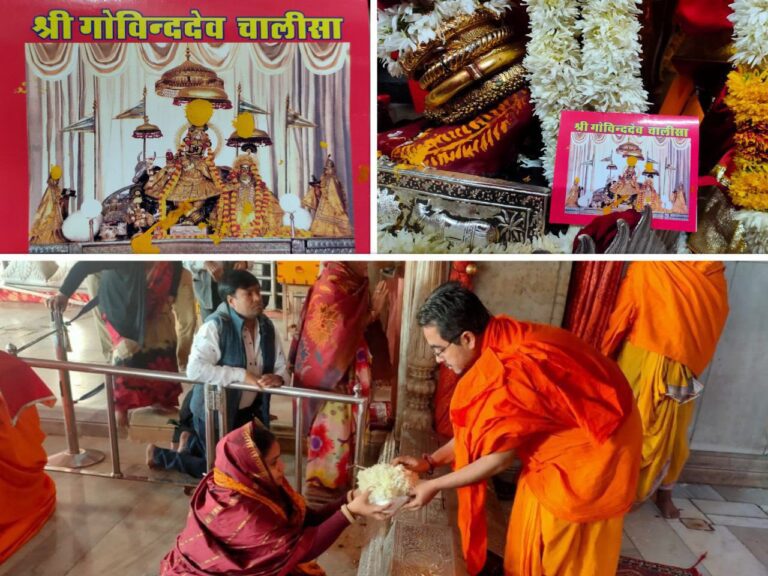
Khole Ke Hanuman Ji Temple
Khole Ke Hanuman Ji Temple, located in the Aravalli foothills near Jaipur, is dedicated to Lord Hanuman and features a distinctive three-story structure built in ancient fort ar…

Charan Mandir
Charan Mandir is an ancient Krishna temple in Jaipur's Nahargarh Reserve Forest, revered for preserving the sacred footprints of Lord Krishna believed to have appeared at this s…
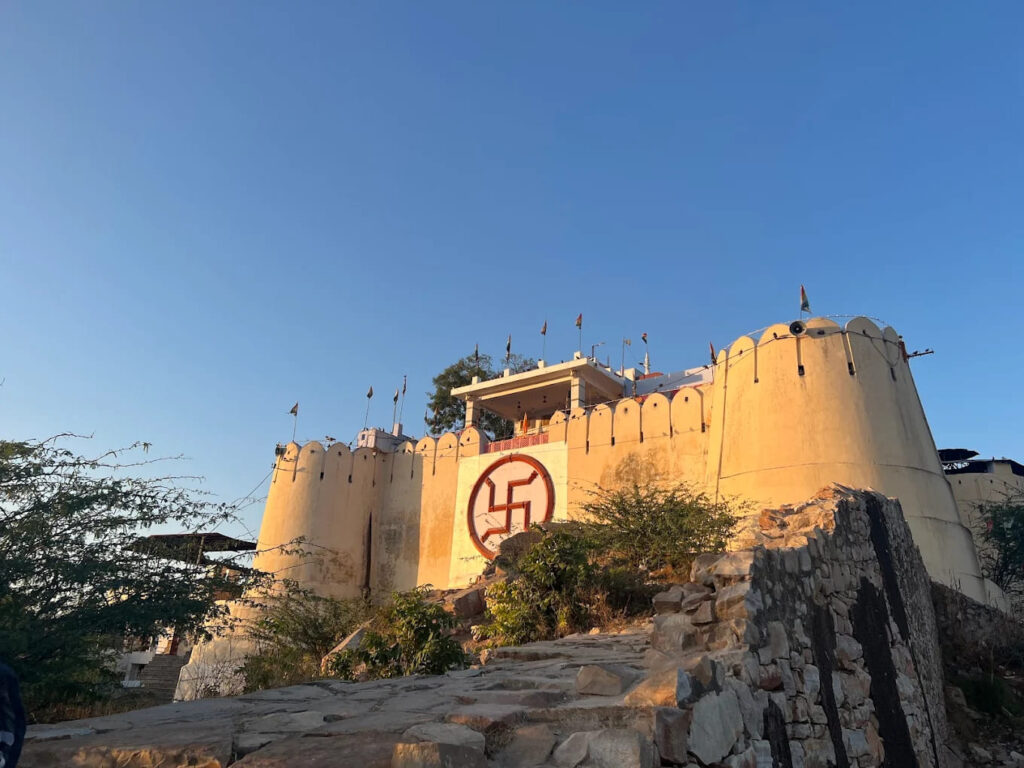
Garh Ganesh Temple
Garh Ganesh Temple, perched on Jaipur's Aravalli hills, enshrines a rare trunkless idol of Lord Ganesha in child form, believed to grant prosperity and remove obstacles.
Govind Dev Ji Ka Mandir
Govind Dev Ji Temple in Jaipur's City Palace complex is a prominent Vaishnava shrine housing the deities of Radha and Krishna, brought from Vrindavan by Maharaja Jai Singh II in…
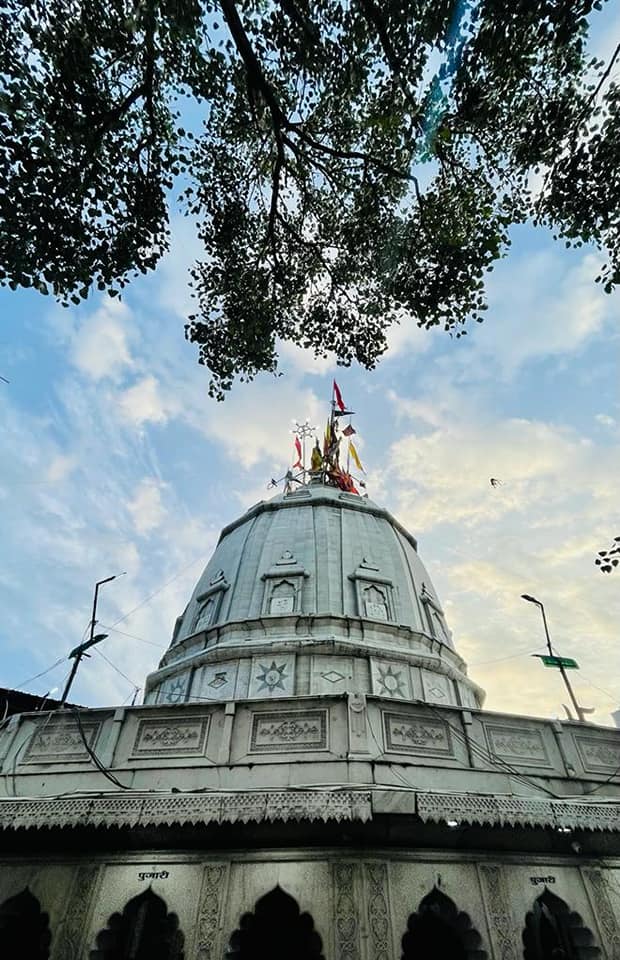
Kalki Mandir
Kalki Mandir in Jaipur's Sireh Deori Bazar is an 18th-century Hindu temple built by Jai Singh II, housing idols of Kalki (Vishnu's tenth incarnation) and Lakshmi, with a distinc…