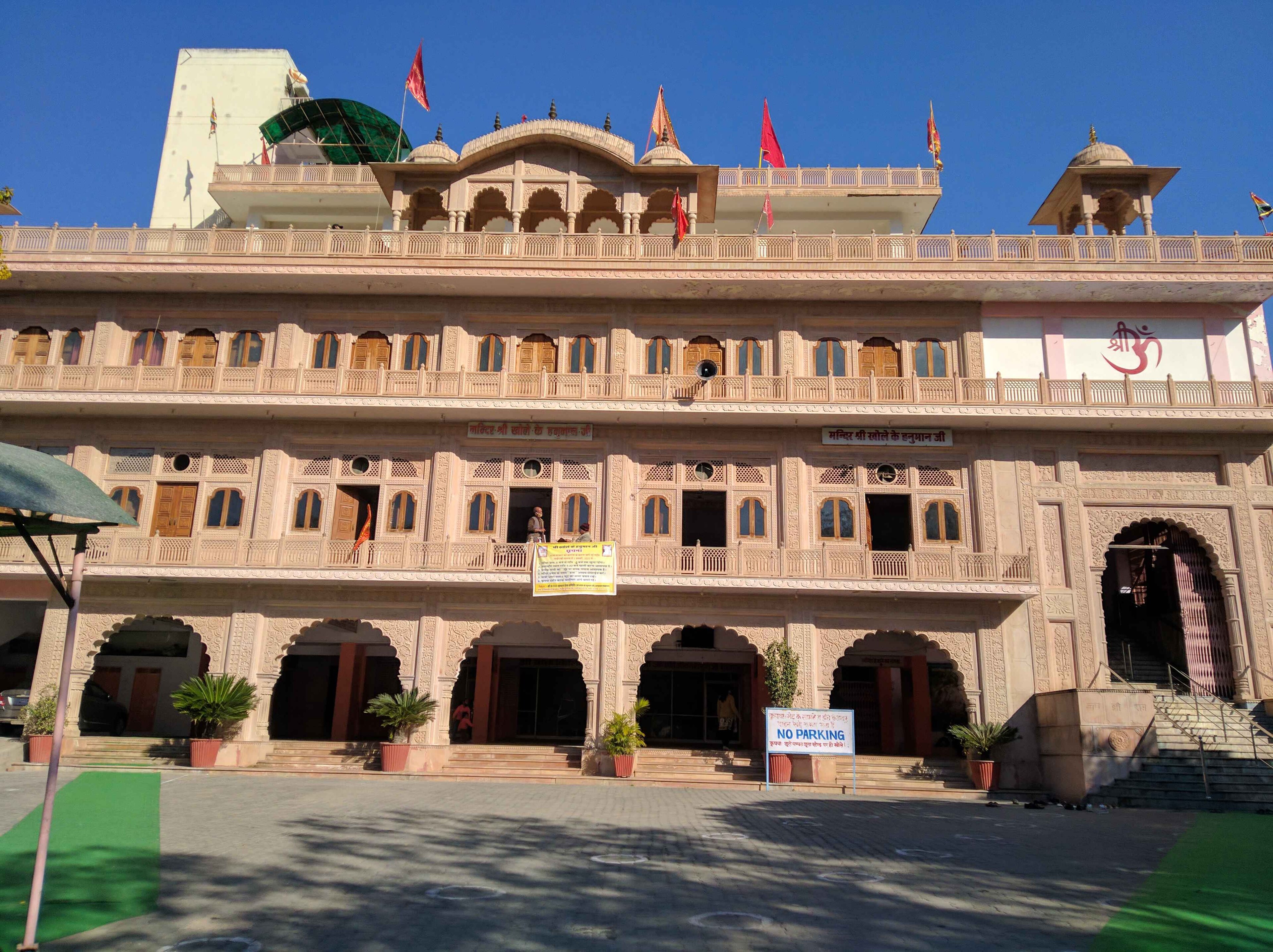
Khole Ke Hanuman Ji Temple
About Khole Ke Hanuman Ji Temple
The temple opens at 05:00 and remains accessible until 23:00 on weekdays, extending to midnight on Saturdays and Sundays. Two principal aartis (ritual worship ceremonies) structure the day: the morning aarti at 05:30 and the evening aarti at 20:30. The early morning hours between 05:00 and 07:00 offer the most tranquil environment for darshan (viewing the deity). Tuesdays and Saturdays witness notably higher devotee attendance, reflecting the traditional significance these days hold in Hanuman worship across Hindu practice.
Devotees often make offerings to Hanuman and subsequently arrange brahmin feasts (bhoj) as a form of spiritual practice. The temple accepts various offerings, including cloth coverings for the deity (ranging from 650 rupees for basic sindoor-coloured cloth to 3,000 rupees for elaborate garments). These practices align with broader Hindu traditions of honouring the deity through material and communal offerings.
Festivals and Observances
The temple hosts significant gatherings during Annakut (the festival of food offerings), when a fair (mela) takes place. Devotees who experience the fulfilment of their wishes often organize special feasts (sawamanee) at the temple as thanksgiving. Beyond these documented occasions, the temple functions as an active worship site throughout the year, with regular daily rituals maintaining the sacred space.
Visiting Information
The temple is located at Laxman Dungri, Natata Mode, Delhi Road, Kunda, Jaipur (coordinates 26.9401, 75.8548). From Jaipur Airport, the site lies approximately 30 kilometres away. From Jaipur Railway Station, it is 11 kilometres distant, and from Sindhi Camp Bus Stand, 10 kilometres. Travel by taxi or auto-rickshaw typically requires 70 to 75 minutes. Visitors should dress modestly, as is customary at Hindu temples, and remove footwear before entering the sanctum. The temple welcomes visitors during all posted hours, though early morning visits provide a quieter, more meditative experience.
Natural Setting and Visitor Experience
The temple's location within the Aravalli foothills distinguishes it from urban shrines. The surrounding landscape—rocky terrain, seasonal water channels, and natural vegetation—creates an environment that contrasts sharply with Jaipur's urban core. This natural setting appeals to visitors seeking both spiritual engagement and connection with the landscape. The combination of religious significance and scenic beauty makes the site accessible to those approaching it primarily as pilgrims, as well as those drawn by the picturesque surroundings.
How to reach
You may also visit
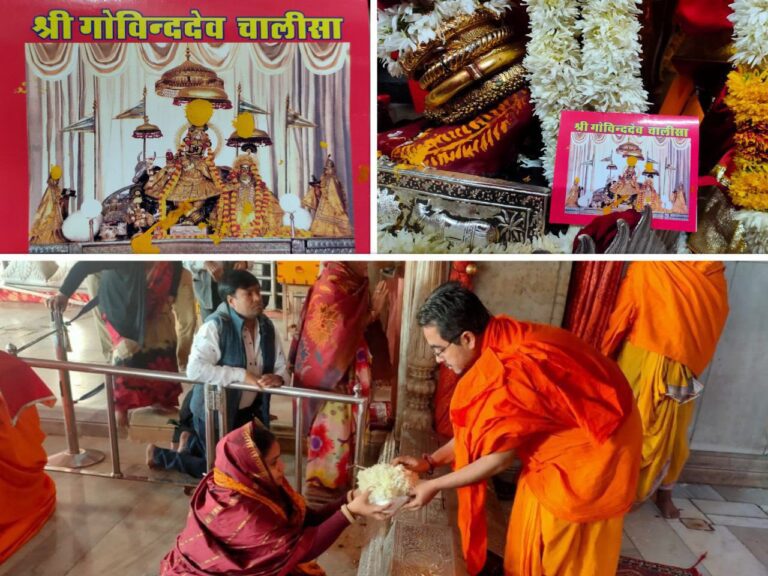
Kalyanji Temple
Kalyanji Temple in Jaipur's Chandpol Bazaar is approximately two centuries old and renowned for displaying the twenty-four avatars of Krishna, visible only twice yearly during Akha Teej and Patottsav festival.
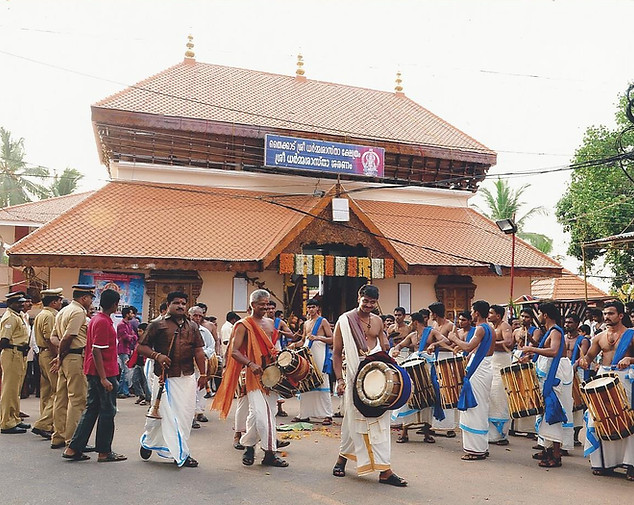
Sastha (Ayyappan) Temple
Sree Dharma Sastha Temple in Thycaud, Thiruvananthapuram, is a centuries-old shrine where the deity manifests as Dhanwanthari, the divine healer, holding the sacred blue lotus.

Govindarajaswamy Temple
Sri Govindarajaswamy Temple in Tirupati is an ancient Vaishnavaite shrine consecrated in 1130 AD by Saint Ramanuja, where the presiding deity rests in eternal Yoga Nidra on the serpent Adisesha.