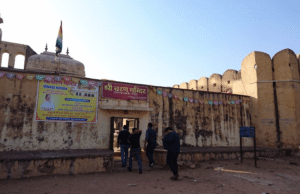


Charan Mandir
About Charan Mandir
The temple is believed to have been established in the 16th century. Local tradition attributes its founding to King Man Singh I, one of Jaipur's significant historical rulers. According to this account, the king received a divine revelation indicating the location of Krishna's footprints on the Aravalli hillside. Following this vision, he established a shrine to preserve the sacred marks. What began as a small shrine has developed into the temple structure that stands today, though the sources do not detail the stages of this expansion or provide specific dates for later modifications.
Architecture and Layout
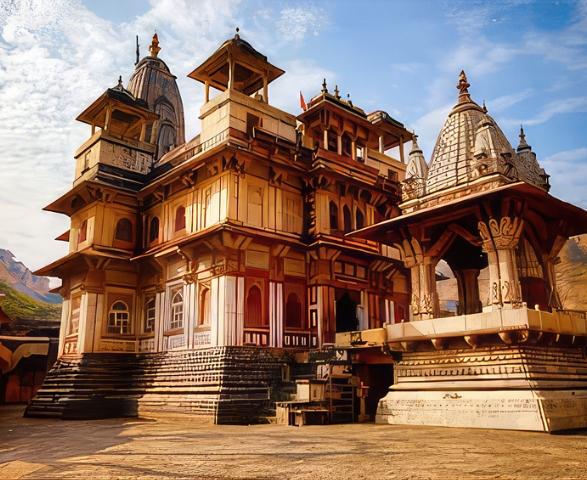
The temple features a simple but carefully maintained design. Its structure includes a marble sanctum where the Charan Paduka is housed, a courtyard for devotees, and a clean, orderly layout suited to its forest setting. The architecture reflects practical devotional needs rather than elaborate ornamentation—a style appropriate to a pilgrimage site that also serves trekkers and visitors seeking both spiritual and natural experiences. The modest scale of the structure allows it to sit within its forest environment without dominating the landscape.
Visiting Hours and Practical Information
The temple is open daily from sunrise to sunset. Early morning visits are recommended both for darshan and for the views across Jaipur that the elevated location provides. Visitors should avoid arriving after sunset due to the forest location and reduced visibility on the approach routes. The temple lies approximately 2 kilometres before Nahargarh Fort along the same route, making it accessible to those undertaking the trek to the fort as well as to those visiting specifically for worship.
The forest setting means that standard temple etiquette applies: visitors should dress modestly and respectfully. Footwear is typically removed before entering the sanctum, as is customary in Hindu temples. The site is regularly patrolled by forest guards, and the area is considered safe for visitors during daylight hours.
Access and Routes
Charan Mandir can be reached by vehicle via the uphill road through the Aravalli Hills, by bicycle—a popular early morning route—or on foot as part of the Nahargarh Fort trek. The temple's position on a major trekking route means that many visitors approach it as part of a longer walk rather than as an isolated destination. Those arriving by car or motorcycle will find the scenic drive itself part of the experience, as the road climbs through the hills offering views of the landscape. The temple's location makes it suitable for those combining spiritual practice with outdoor activity, whether trekking, cycling, or simply walking.
Views and Natural Setting
The temple's elevation within the Aravalli Hills provides panoramic views across Jaipur city, toward Nahargarh Fort and Jaigarh Fort, and across the surrounding valleys. These vistas are particularly striking at sunrise and sunset, making the temple a destination for those seeking both spiritual experience and natural beauty. The forest setting creates a quiet, meditative atmosphere distinct from urban temples, and the combination of pilgrimage site and natural landscape appeals to devotees, trekkers, photographers, and those seeking peaceful surroundings for reflection.
How to reach

Temples near Charan Mandir
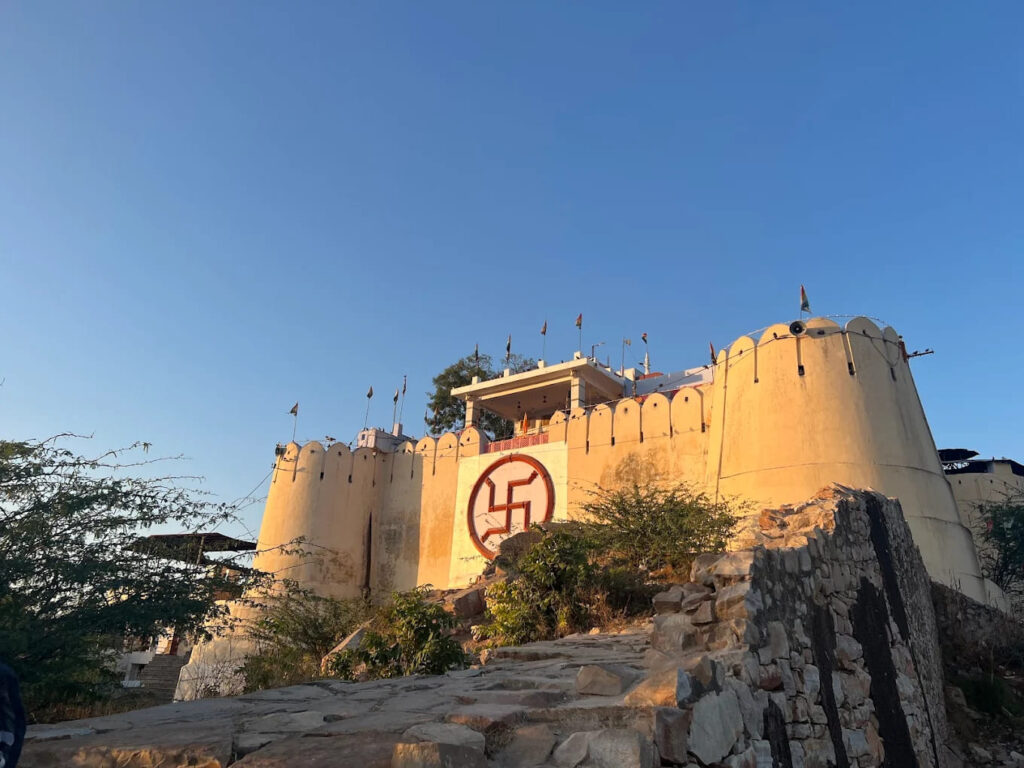
Garh Ganesh Temple
Garh Ganesh Temple, perched on Jaipur's Aravalli hills, enshrines a rare trunkless idol of Lord Ganesha in child form, believed to grant prosperity and remove obstacles.
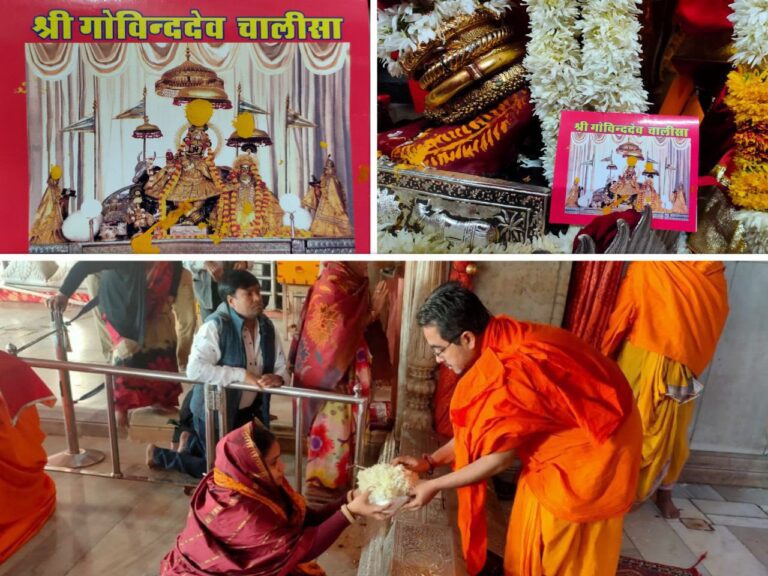
Govind Dev Ji Ka Mandir
Govind Dev Ji Temple in Jaipur's City Palace complex is a prominent Vaishnava shrine housing the deities of Radha and Krishna, brought from Vrindavan by Maharaja Jai Singh II in…
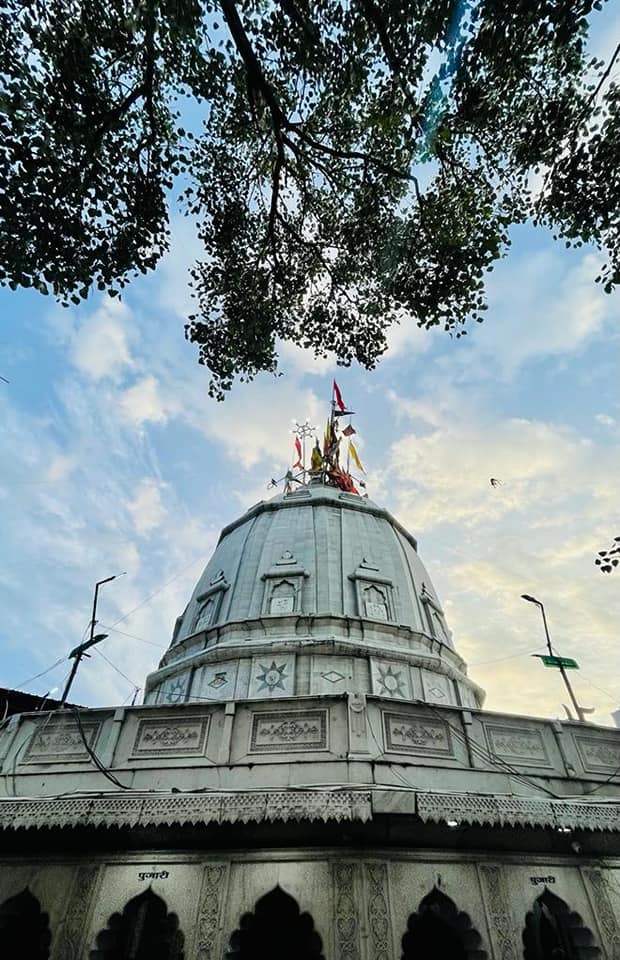
Kalki Mandir
Kalki Mandir in Jaipur's Sireh Deori Bazar is an 18th-century Hindu temple built by Jai Singh II, housing idols of Kalki (Vishnu's tenth incarnation) and Lakshmi, with a distinc…
Khole Ke Hanuman Ji Temple
Khole Ke Hanuman Ji Temple, located in the Aravalli foothills near Jaipur, is dedicated to Lord Hanuman and features a distinctive three-story structure built in ancient fort ar…
Jagat Shiromani Temple, Amer
Jagat Shiromani Temple is a 17th-century shrine in Amer dedicated to Lord Krishna, Vishnu, and the poet-saint Meera Bai, built by Queen Kanakawati in memory of her son Jagat Singh.
Kalyanji Temple
Kalyanji Temple in Jaipur's Chandpol Bazaar is an ancient Krishna shrine established in the 1820s, renowned for its seven daily aartis and special avatar darshan ceremonies duri…