Garh Ganesh Temple
About Garh Ganesh Temple
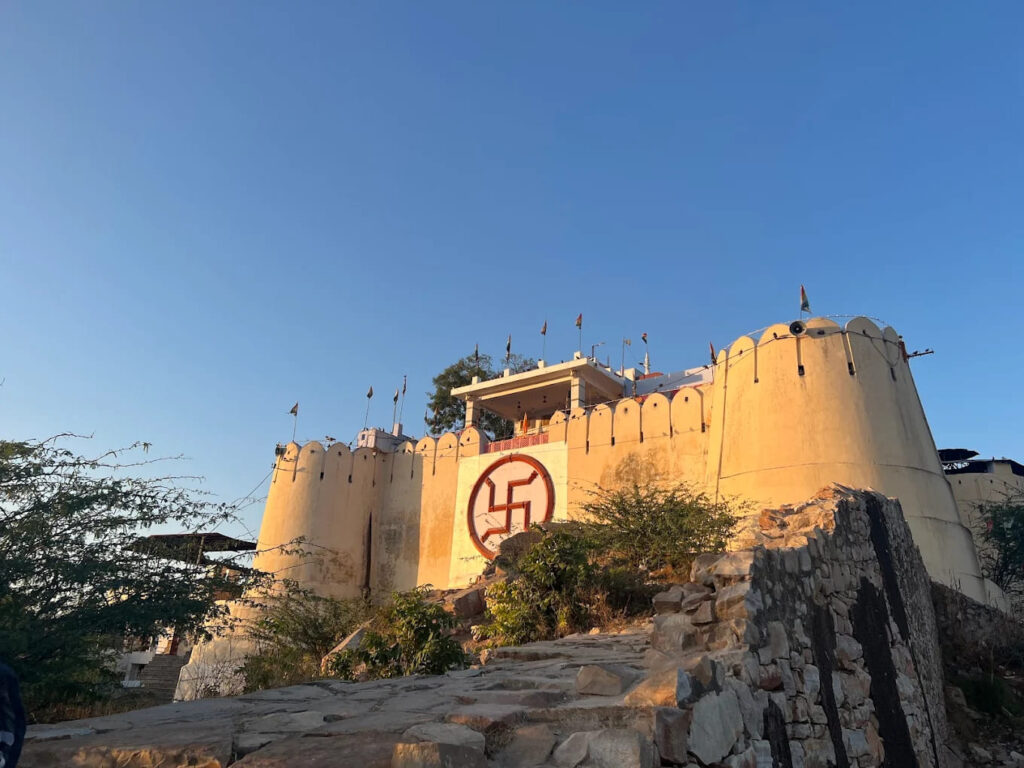
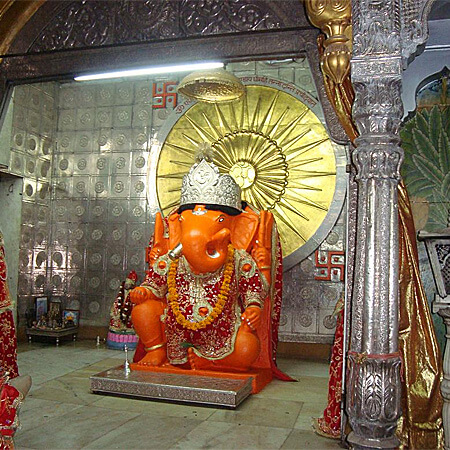
The temple was established in the 18th century, making it an enduring fixture of Jaipur's devotional life for over three hundred years. While detailed architectural or historical records are not documented in available sources, the temple's longevity speaks to its continued importance within the city's spiritual community. The specific reasons for the creation of this trunkless form of Ganesha remain part of the temple's tradition, passed down through generations of worship rather than recorded in accessible historical texts.
Daily Worship and Rituals
The temple maintains a structured schedule of darshan and ritual observances throughout the day. Morning worship begins with the Morning Aarti at 6:30 AM, followed by the Bhog Aarti at noon and the Evening Aarti at 7:30 PM. A Shayan Aarti (bedtime ritual) takes place at midnight. Wednesday mornings offer extended darshan hours from 6:30 AM to 1:00 PM, making this day particularly suitable for unhurried visits. On other days, the temple opens at 7:30 AM (closing at noon) and reopens at 4:00 PM until 8:30 PM, with slight variations in evening closing times.
These rituals follow the traditional pattern of Hindu temple worship, where multiple aartis throughout the day mark different phases of the deity's daily cycle. Devotees typically time their visits to coincide with these ceremonies, which form the rhythmic heart of temple life.
Ganesh Chaturthi and Festival Observance
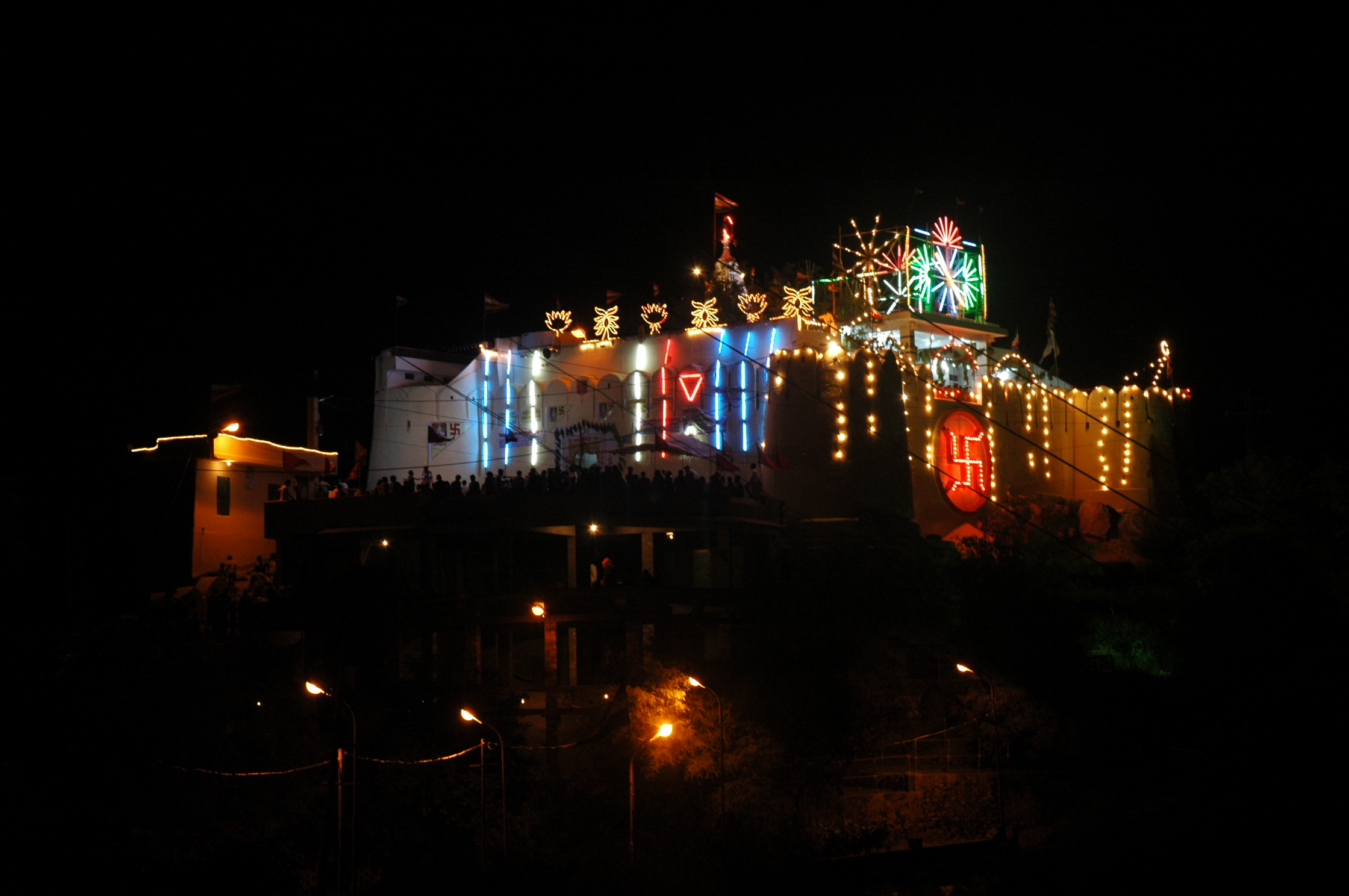
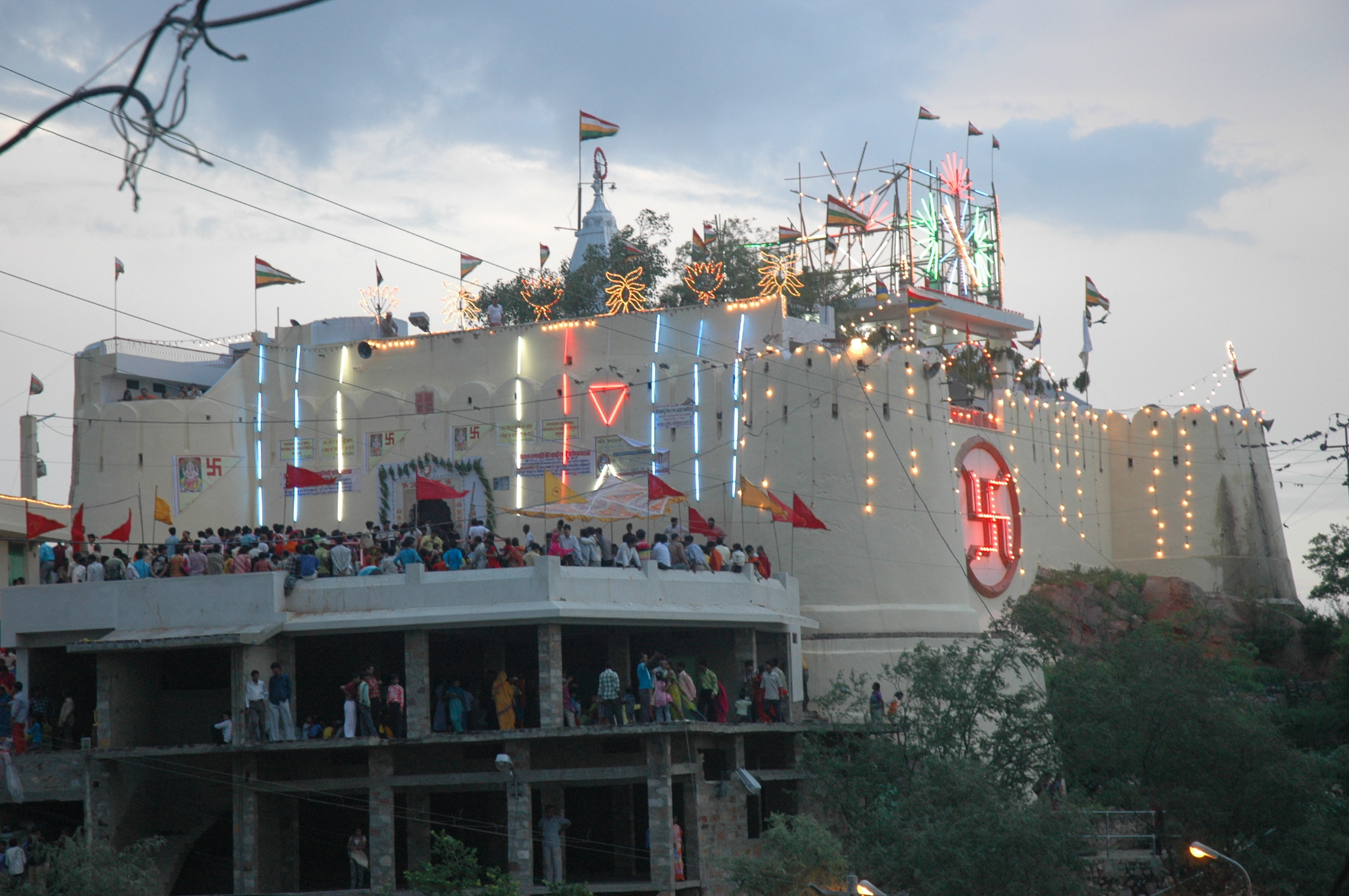
Ganesh Chaturthi, the birthday celebration of Lord Ganesha, is the most significant festival at this temple. During this observance, special rituals distinguish the celebration: the deity is not dressed in ornamental clothing, allowing devotees to view Ganesha in child form. The morning begins with Panchamrit Abhishek (ritual bathing with five sacred substances) at 4:00 AM, followed by the Mangal Aarti at 5:00 AM, during which thousands of grass blades and modak (sweet offerings) are presented. The Bhog Aarti at noon is followed by a fire ritual using the thousand names of Ganesha. Evening and midnight aartis complete the day's observances. The temple also marks Anant Chaturdashi, which falls fourteen days after Ganesh Chaturthi, with special rituals including fire ceremonies.
Visiting Information and Practical Details
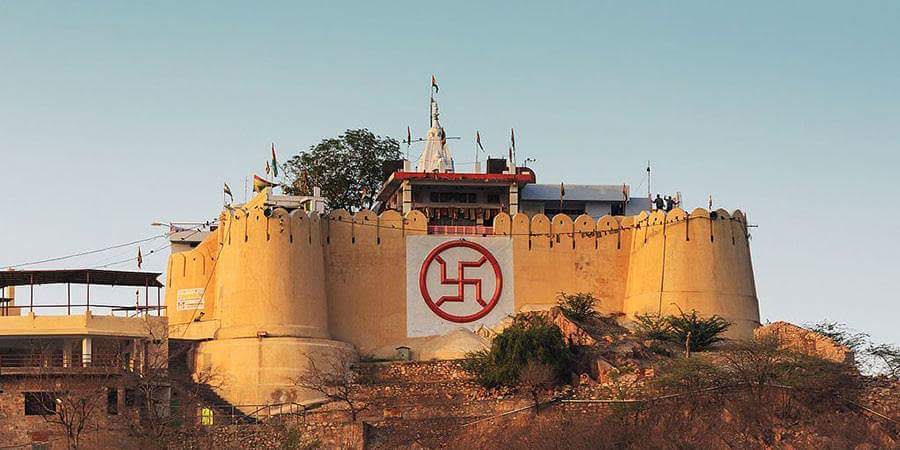
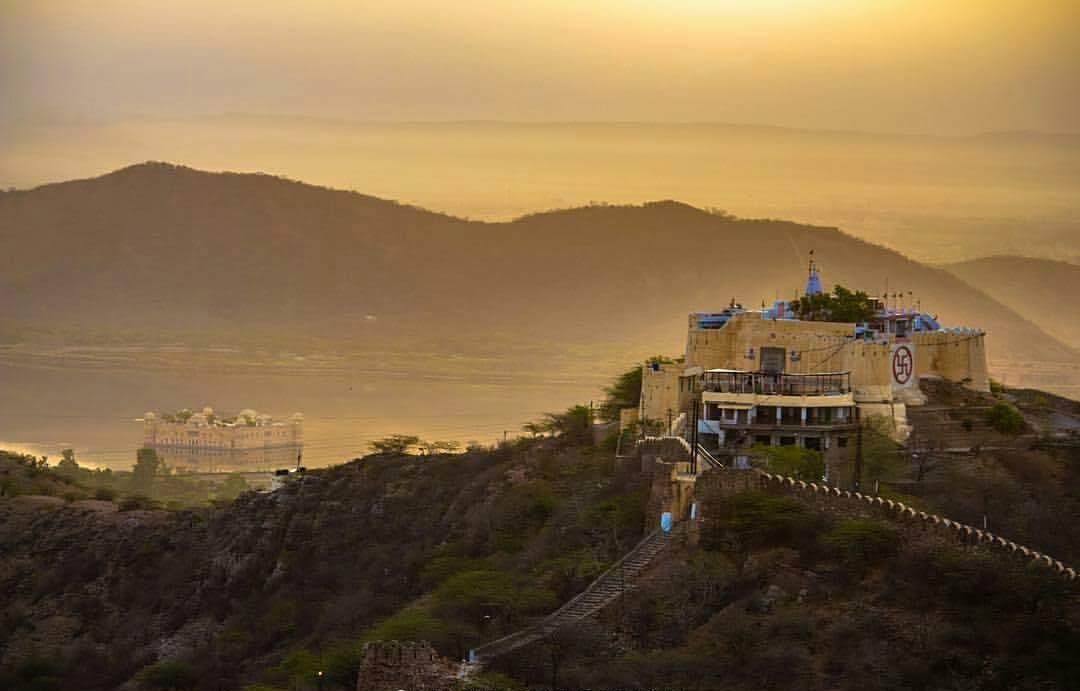
The temple is located at Nahargarh Hills, Mount Road near Gatore Ki Chhatriyan, Krishna Nagar, Brahampuri, Jaipur, Rajasthan (coordinates: 26.9453466, 75.8269604). Visitors should note that temple timings may vary on festivals and special occasions, so confirmation before travel is advisable. Wednesday mornings are recommended for those seeking extended, unhurried darshan time.
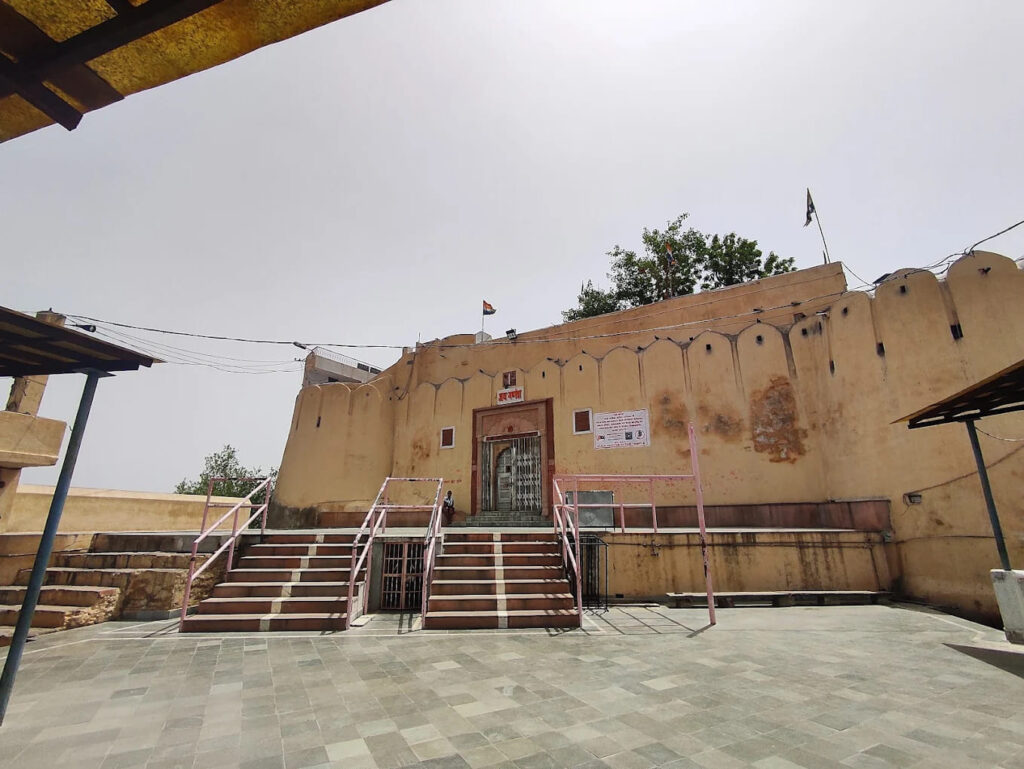
Standard temple etiquette applies: devotees typically remove footwear before entering the sanctum, dress modestly, and maintain respectful behavior during worship. The temple accepts online donations to support its services. For specific inquiries about puja arrangements, photography policies, or other details, contact the temple directly at +91-9929241651 or garhganesh450@gmail.com.
Getting There
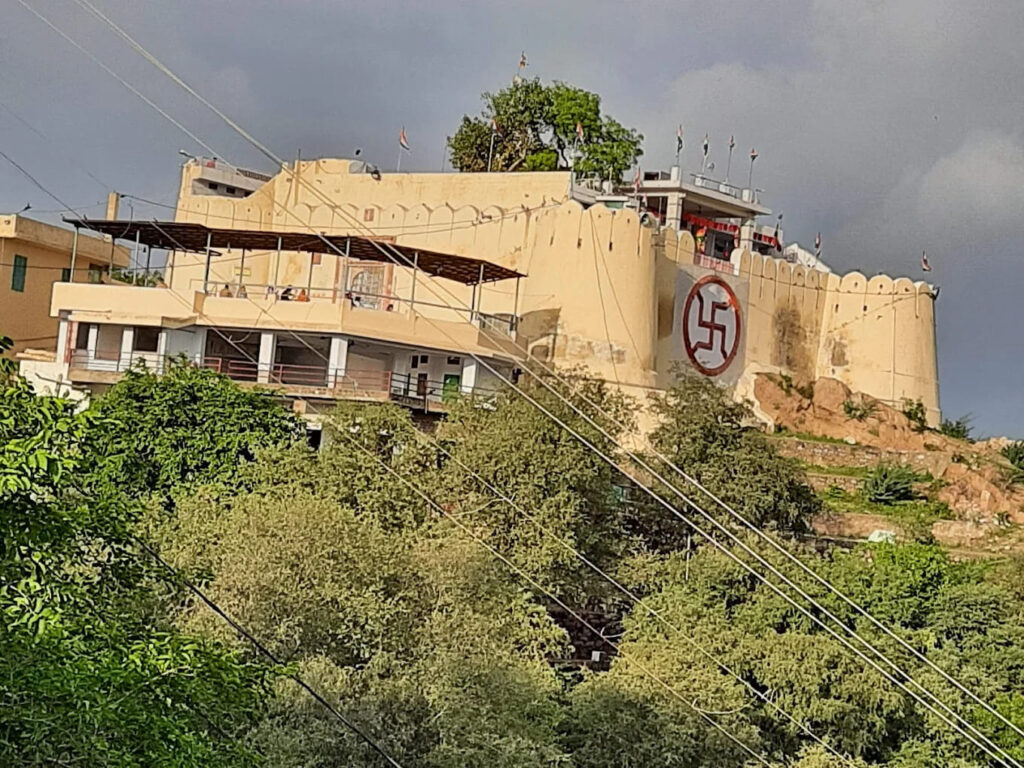
The temple's location on the Aravalli hills places it within Jaipur's geography near established landmarks. Visitors should plan their route using the provided coordinates and address, accounting for the hillside location when arranging transportation. The scenic setting means the journey itself offers views across the Pink City, though the elevation requires some physical exertion to reach the shrine.
How to reach
Temples near Garh Ganesh Temple
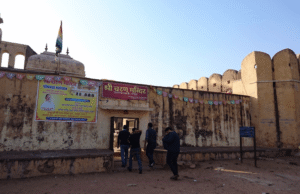
Charan Mandir
Charan Mandir is an ancient Krishna temple in Jaipur's Nahargarh Reserve Forest, revered for preserving the sacred footprints of Lord Krishna believed to have appeared at this s…
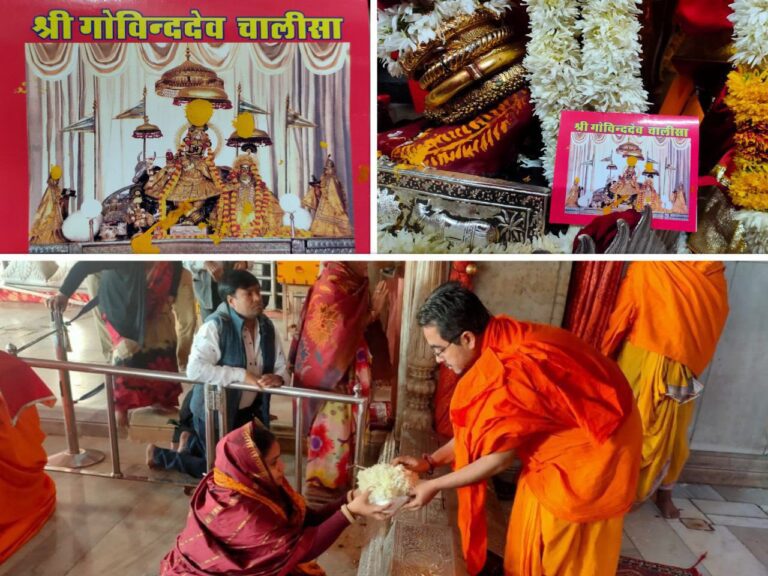
Govind Dev Ji Ka Mandir
Govind Dev Ji Temple in Jaipur's City Palace complex is a prominent Vaishnava shrine housing the deities of Radha and Krishna, brought from Vrindavan by Maharaja Jai Singh II in…
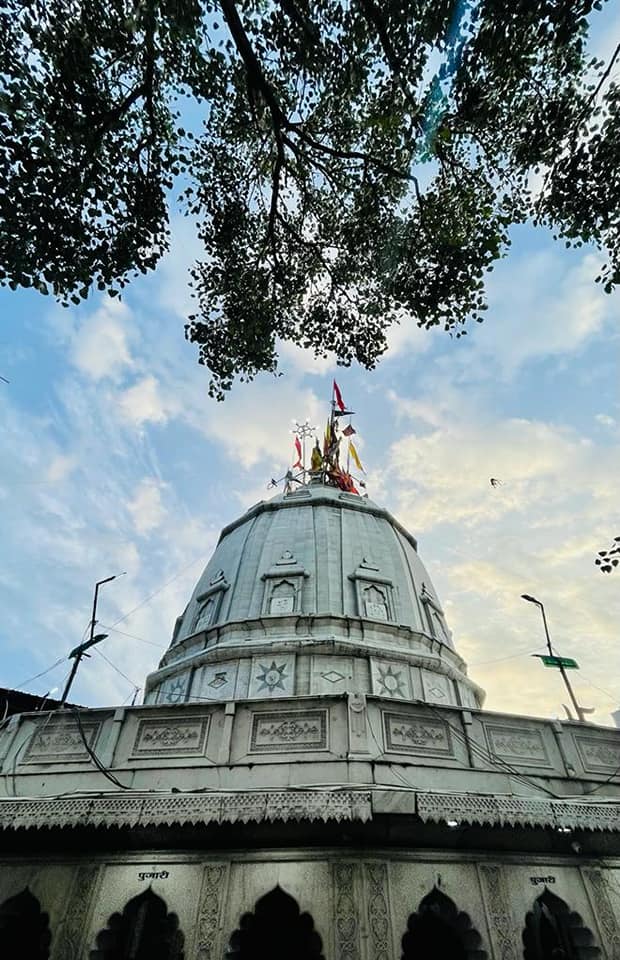
Kalki Mandir
Kalki Mandir in Jaipur's Sireh Deori Bazar is an 18th-century Hindu temple built by Jai Singh II, housing idols of Kalki (Vishnu's tenth incarnation) and Lakshmi, with a distinc…
Khole Ke Hanuman Ji Temple
Khole Ke Hanuman Ji Temple, located in the Aravalli foothills near Jaipur, is dedicated to Lord Hanuman and features a distinctive three-story structure built in ancient fort ar…
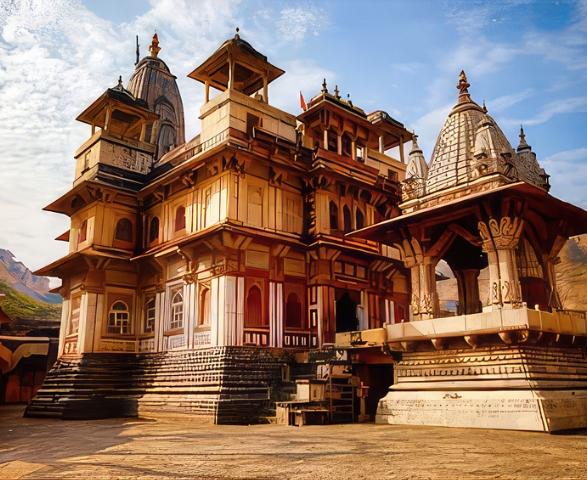
Jagat Shiromani Temple, Amer
Jagat Shiromani Temple is a 17th-century shrine in Amer dedicated to Lord Krishna, Vishnu, and the poet-saint Meera Bai, built by Queen Kanakawati in memory of her son Jagat Singh.
Moti Dungri
Moti Dungri Ganesh Temple in Jaipur is a highly revered shrine dedicated to Lord Ganesha, attracting devotees especially on Wednesdays and during Ganesh Chaturthi celebrations.