
Jagat Shiromani Temple, Amer
About Jagat Shiromani Temple, Amer
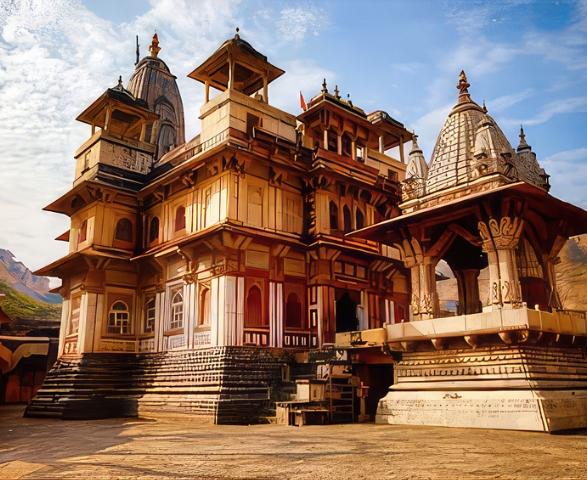
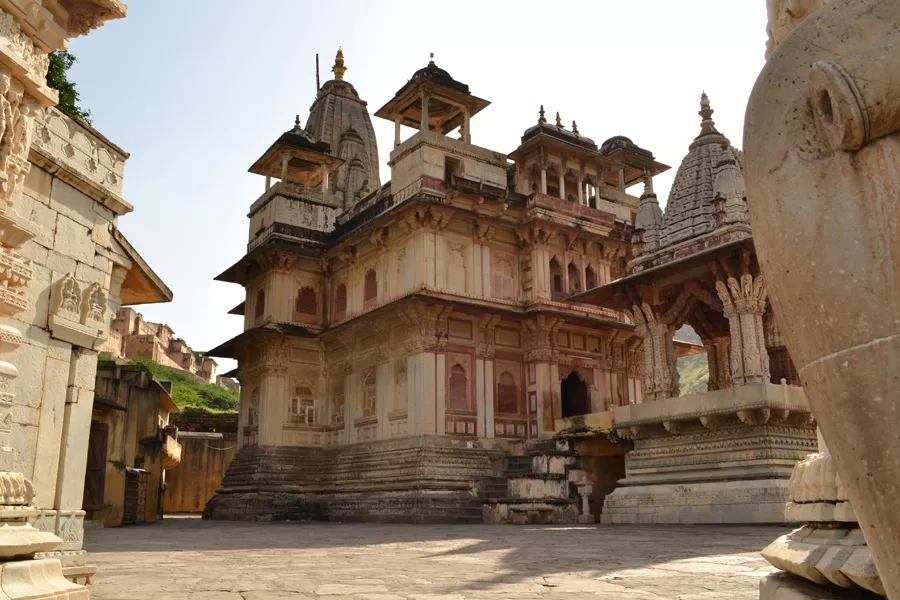
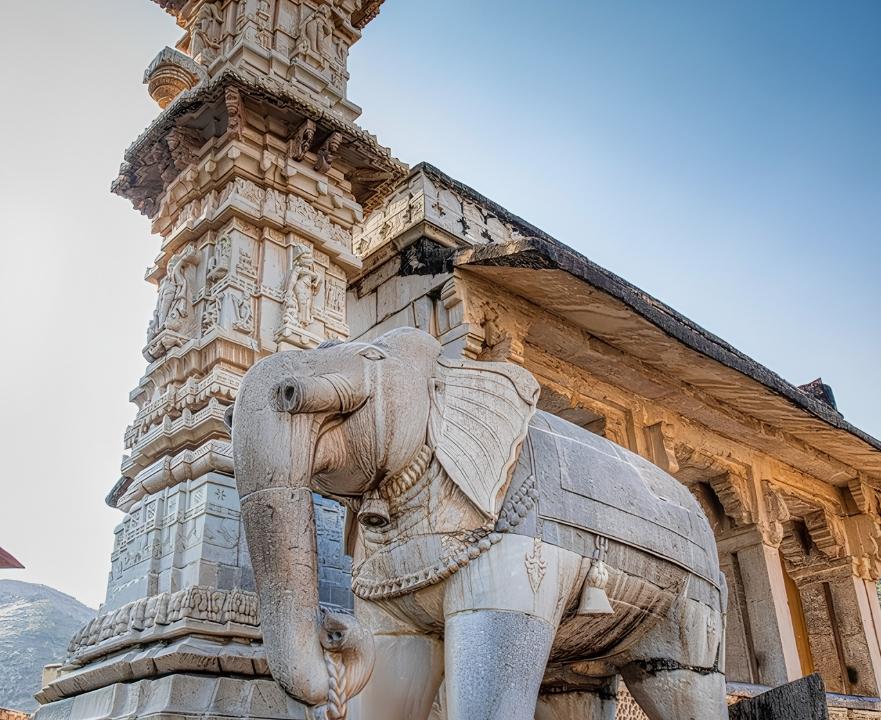
The temple displays the Hindu Nagara style with influences from Mughal and Jain architectural traditions—a synthesis characteristic of Rajasthani sacred buildings from this period. The structure features white marble and local stone, with carved details that reward close attention. The entrance is marked by a carved gateway (toran), and the temple includes a two-storeyed mandapam (pavilion). Sculptural elements depict elephants, horses, and scenes from Hindu sacred narratives, demonstrating the skilled craftsmanship of its builders.
The carved entrance is best appreciated in morning light, when the stone details are clearly visible and temperatures remain cooler. The architectural vocabulary speaks to the temple's royal origins and the resources invested in its construction—details that distinguish it from smaller local shrines.
Daily Worship and Darshan
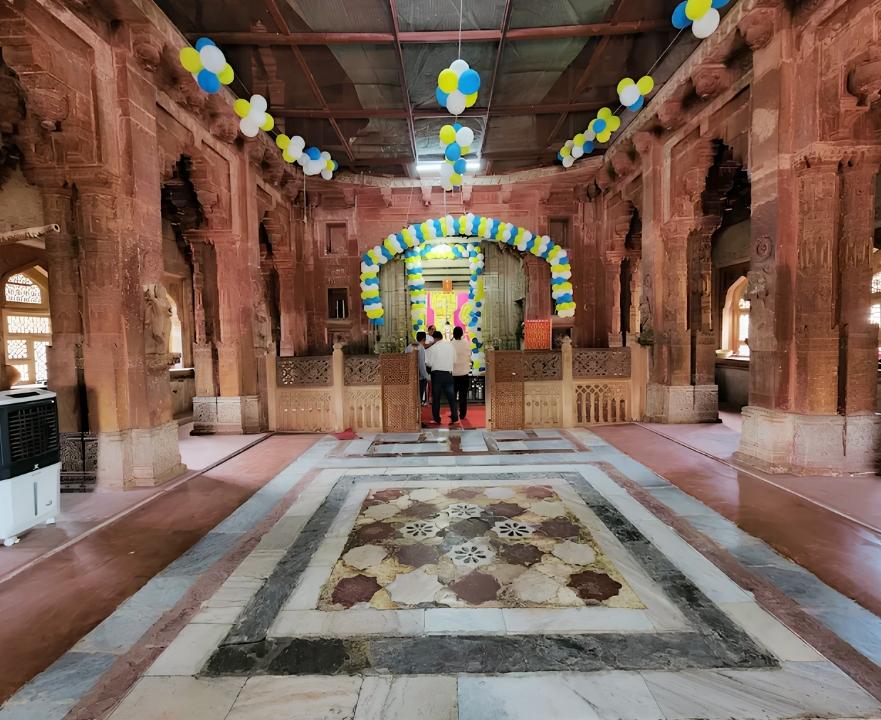
The temple opens daily from 06:00 to 20:00 for darshan. Six aartis (ritual offerings) structure the day: Mangala Aarti at 04:30, Shringar Aarti at 07:30, Rajbhog Aarti at 12:00, Dhoop Aarti at 16:30, Sandhya Aarti at 19:00, and Shayan Aarti at 20:15. These rituals follow the traditional pattern of honoring the deity through the day, from early morning awakening through evening rest.
Visitors may participate in darshan (viewing of the deity) during these hours. As an active Hindu temple, it functions primarily as a place of worship rather than a monument. Visitors should dress modestly, remove shoes before entering the inner sanctum, and observe the quiet reverence appropriate to a living shrine. Photography policies may vary; it is courteous to ask before photographing.
Visiting Practicalities
The temple is located at Sagar Road, Devisinghpura, Amer, approximately 8 kilometers from central Jaipur. It sits in the lanes below Amber Fort, making it easy to combine with a visit to the fort itself. Morning hours offer the best experience: cooler temperatures, better light for viewing the carved architecture, and fewer crowds than later in the day.
No published entry fee for normal darshan appears in current official records. Donations are welcome and support the temple's maintenance. The temple welcomes both Indian and international visitors. If you are traveling specifically for worship, confirm current darshan hours locally, as schedules may vary seasonally. The temple's location in the Amer area makes it accessible by road from Jaipur; local taxis and auto-rickshaws serve the area readily.
A Temple Worth the Detour
Most visitors to Amer focus their attention upward, toward the fort that dominates the skyline. Jagat Shiromani rewards those who look downward into the lanes below and take time to step inside. The combination of royal history, architectural distinction, and the living presence of Krishna and Meera Bai devotion makes this 17th-century temple one of Amer's most meaningful stops—particularly for those interested in the Bhakti tradition and Rajasthani sacred architecture.
How to reach
You may also visit
Kalyanji Temple
Kalyanji Temple in Jaipur's Chandpol Bazaar is approximately two centuries old and renowned for displaying the twenty-four avatars of Krishna, visible only twice yearly during Akha Teej and Patottsav festival.
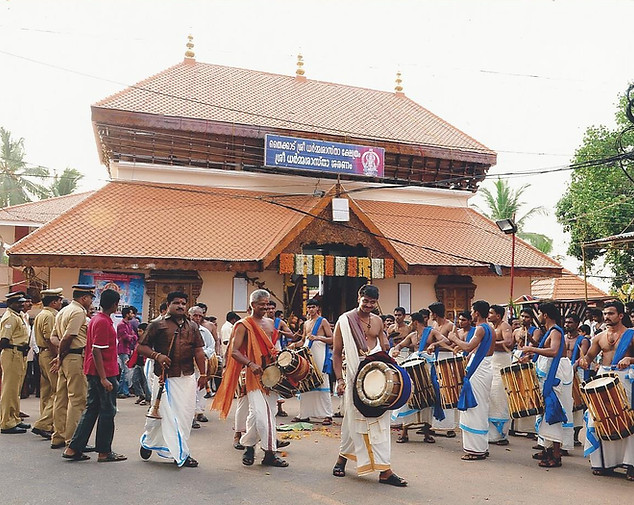
Sastha (Ayyappan) Temple
Sree Dharma Sastha Temple in Thycaud, Thiruvananthapuram, is a centuries-old shrine where the deity manifests as Dhanwanthari, the divine healer, holding the sacred blue lotus.
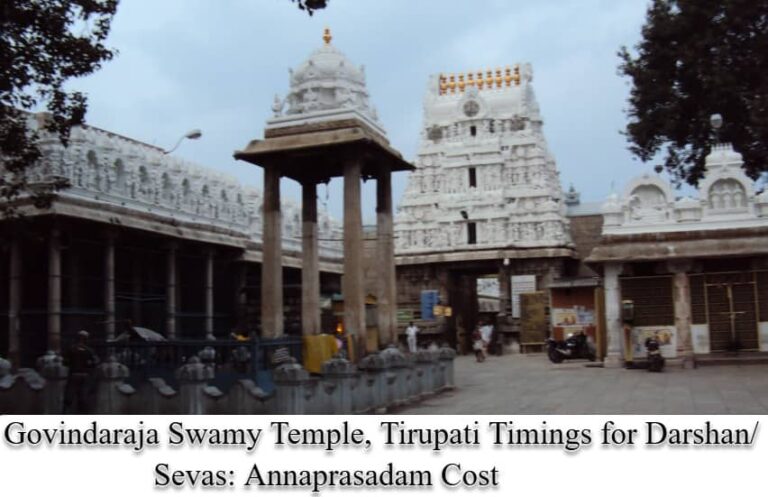
Govindarajaswamy Temple
Sri Govindarajaswamy Temple in Tirupati is an ancient Vaishnavaite shrine consecrated in 1130 AD by Saint Ramanuja, where the presiding deity rests in eternal Yoga Nidra on the serpent Adisesha.