


Lankeswari Temple
About Lankeswari Temple
The temple's origins reach back to the 7th–8th centuries AD, when it was already recognized as a Tantra Peeth—a sacred site within the tantric tradition. This early designation speaks to its longstanding importance as a place of spiritual practice and devotion. The antiquity of the site and its continuous veneration across more than a millennium underscore its significance within Odisha's religious landscape.
Festivals and Observances
Two principal festivals draw devotees to the temple: Chaitra Purnima and Kartika Purnima, both celebrated on full moon days. During these occasions, the temple receives increased visitation as worshippers come to honor the goddess.
A more elaborate observance occurs during the period from Mahalaya to Vijayadashami, when a special 11-day ceremony takes place featuring nightly arati rituals. This extended observance draws thousands of visitors to the temple.
Chaiti Jatra, celebrated in alternate years, enacts local traditions in which two devotees embodying the goddess are carried in boat processions through Sonepur town. These processions invoke divine blessings for the community and represent a living expression of local devotional practice.
Visiting the Temple: Practical Information
The temple is open daily from 6:00 AM to 5:30 PM for darshan. Nightly arati times are not formally specified in available records, so visitors planning to attend evening rituals should inquire locally upon arrival.
Access to the temple is by boat only—there is no road approach. The river crossing itself becomes part of the pilgrimage experience, offering views of the Mahanadi landscape. However, the temple becomes half-submerged during the monsoon season, making summer and winter months the practical times to visit. Plan your journey accordingly if you wish to access the inner sanctum comfortably.
Sonepur town lies approximately 1 kilometer from the temple by road, and the nearest bus stop is located there. The nearest railway station is at Rairakhol, about 68 kilometers away. Veer Surendra Sai Airport at Jharsuguda is roughly 144 kilometers distant, while Biju Patnaik International Airport in Bhubaneswar is approximately 274 kilometers away.
What to Know Before You Go
Dress modestly when visiting, as is customary at Hindu temples. Remove footwear before entering the sanctum. The boat journey to the temple may be affected by water levels and weather conditions, particularly during or immediately after heavy rain.
Since the temple sits within the river and is accessible only by boat, plan extra time for your visit. Inquire in Sonepur about boat availability and current river conditions. The journey itself is part of the experience—the Mahanadi crossing offers views of the river and surrounding landscape that are integral to visiting this shrine.
Facilities at the temple site itself are not extensively documented, so come prepared with water and any personal necessities you may require. The isolation of the location is part of its spiritual character, but it also means fewer amenities than temples in town centers.
Nearby Temples and Sites
The Sonepur area contains other temples worth visiting, including Sureswari Temple and Samaleswari Temple. The Mahanadi Ghat at Subarnapur and Papakshya Ghat at Binika offer further opportunities to experience the river that defines this region. Visitors with time may explore these nearby sites as part of a broader pilgrimage through Subarnapur district.
How to reach
Temples near Lankeswari Temple
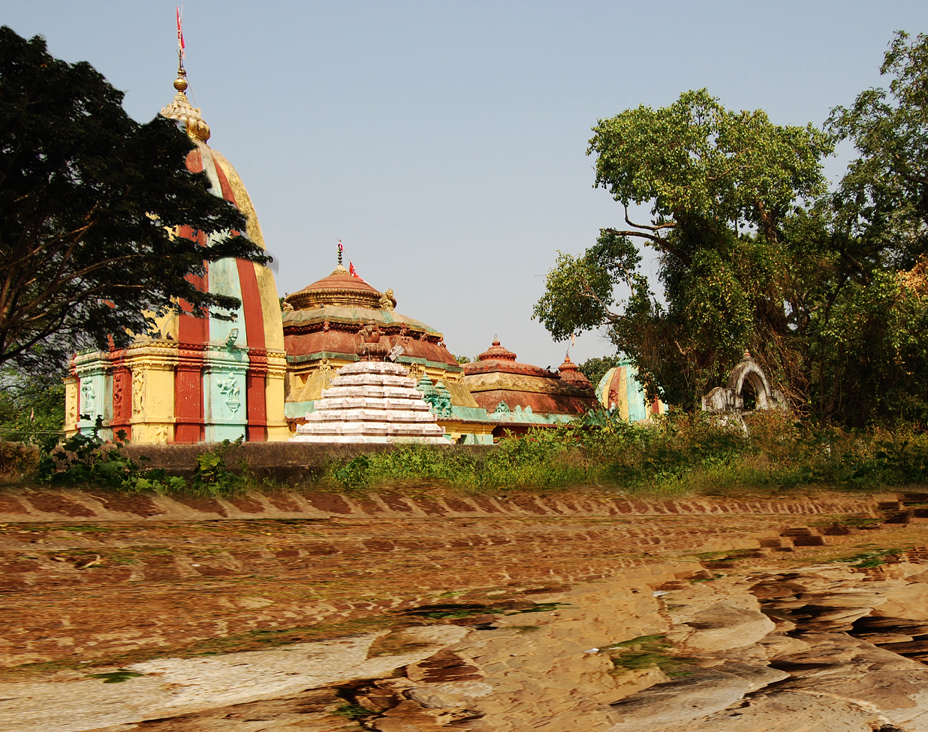
Subarnameru Temple
Subarnameru Temple in Sonepur, Odisha is a sacred shrine dedicated to Lord Shiva, revered as the Second Varanasi of India for its spiritual significance.
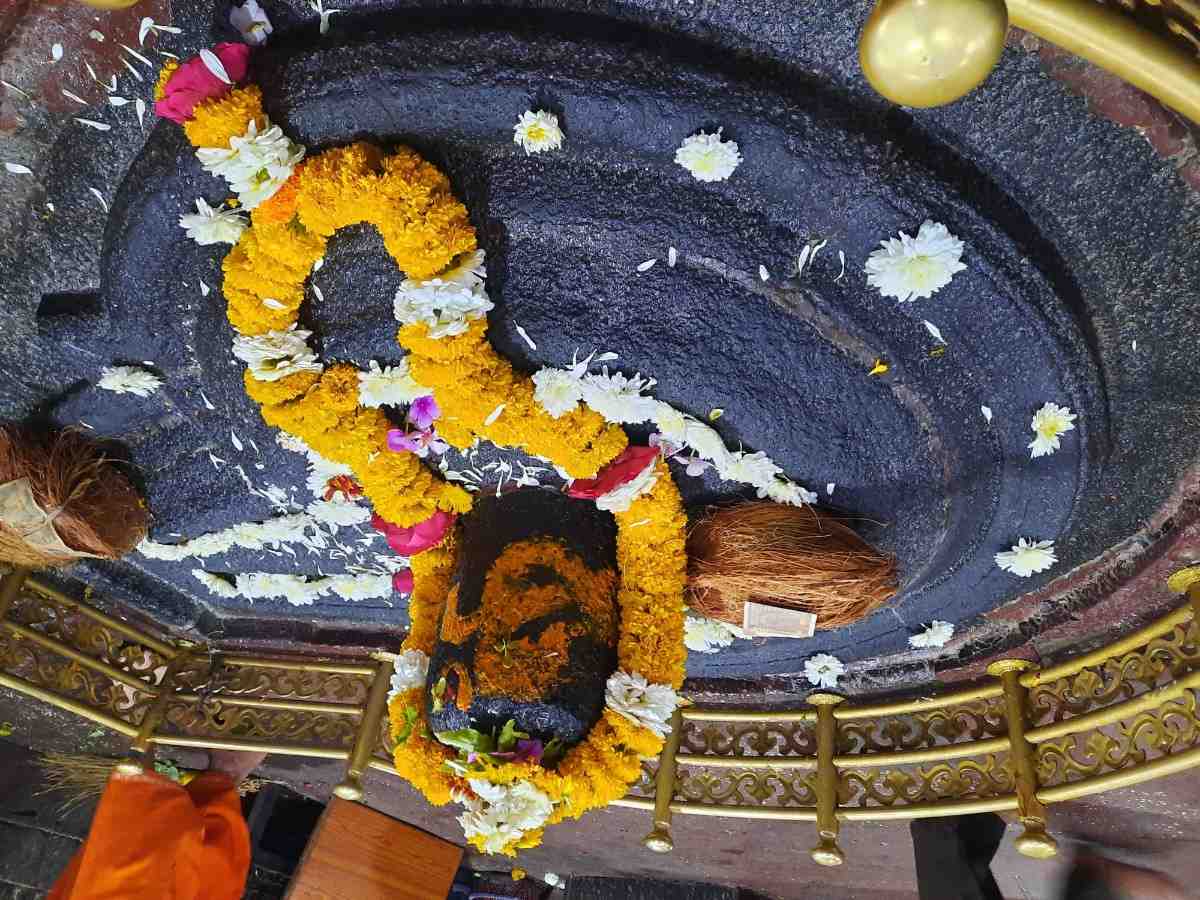
Harihara Deula
The Harihara Deula temple's deity and specific details could not be determined from the provided sources, which contained information about unrelated temples (Grishneshwar Jyoti…
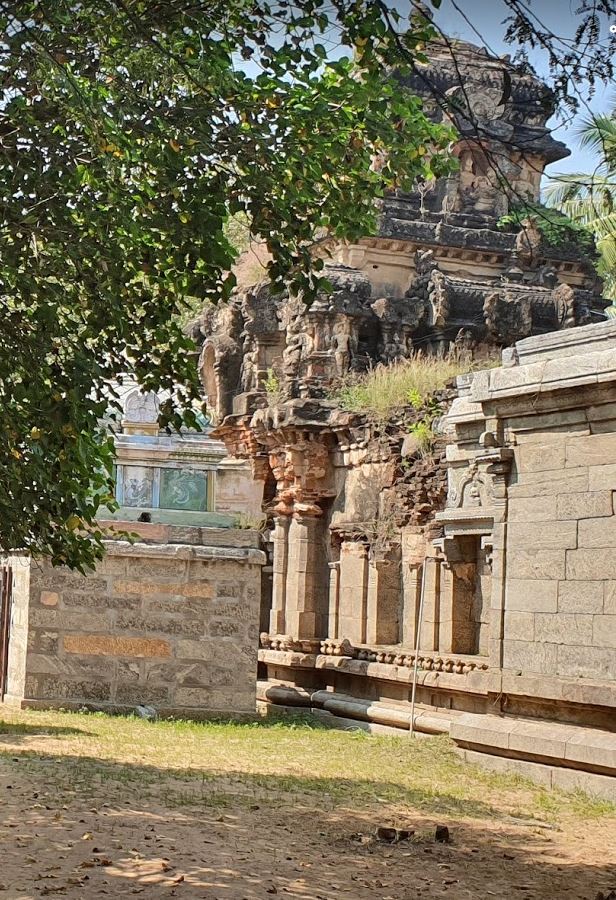
Bhuvaneshwar Temple, Boudh
Bhuvaneshwar Temple in Boudh, Odisha is a 10th-century Shiva shrine built during the Somavamsi dynasty, showcasing the distinctive Rekha deula style of South Kosalan architectur…
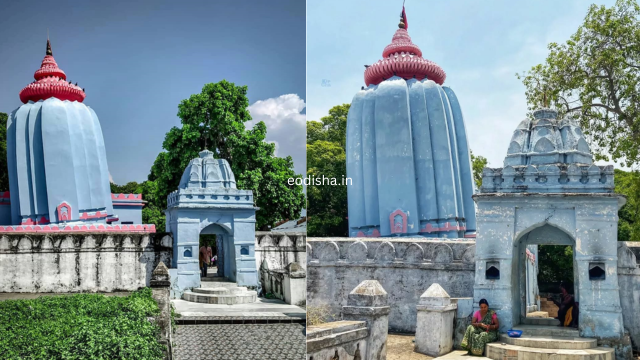
Leaning Temple of Huma
The Leaning Temple of Huma, dedicated to Lord Bimaleshwar, is one of the world's few leaning temples, situated on the Mahanadi riverbank in Odisha. Its distinctive tilt results…

Binikei Temple
Shri Banke Bihari Mandir in Vrindavan houses a self-manifested idol of Lord Krishna in the tribhanga posture, discovered by Swami Haridas. The temple is renowned for its unique…
Maheshwari Temple
Shree Uma Maheshwari Temple in Mumbai is a stone structure dedicated to Goddess Parvati and Lord Shiva, established in 1978 and rebuilt as a magnificent stone temple completed i…