Harihara Deula
About Harihara Deula
Both temples follow the Kalinga architectural style characteristic of their period. The main shrine structures (vimana) of each temple employ the Rekha Deula design, recognizable by its curved, tower-like form that rises above the sanctum. The adjoining assembly halls (jagamohana) feature flat roofs, creating a visual and structural contrast with the soaring vimanas. This combination of elements represents the architectural vocabulary of 10th-century Odisha temple building.
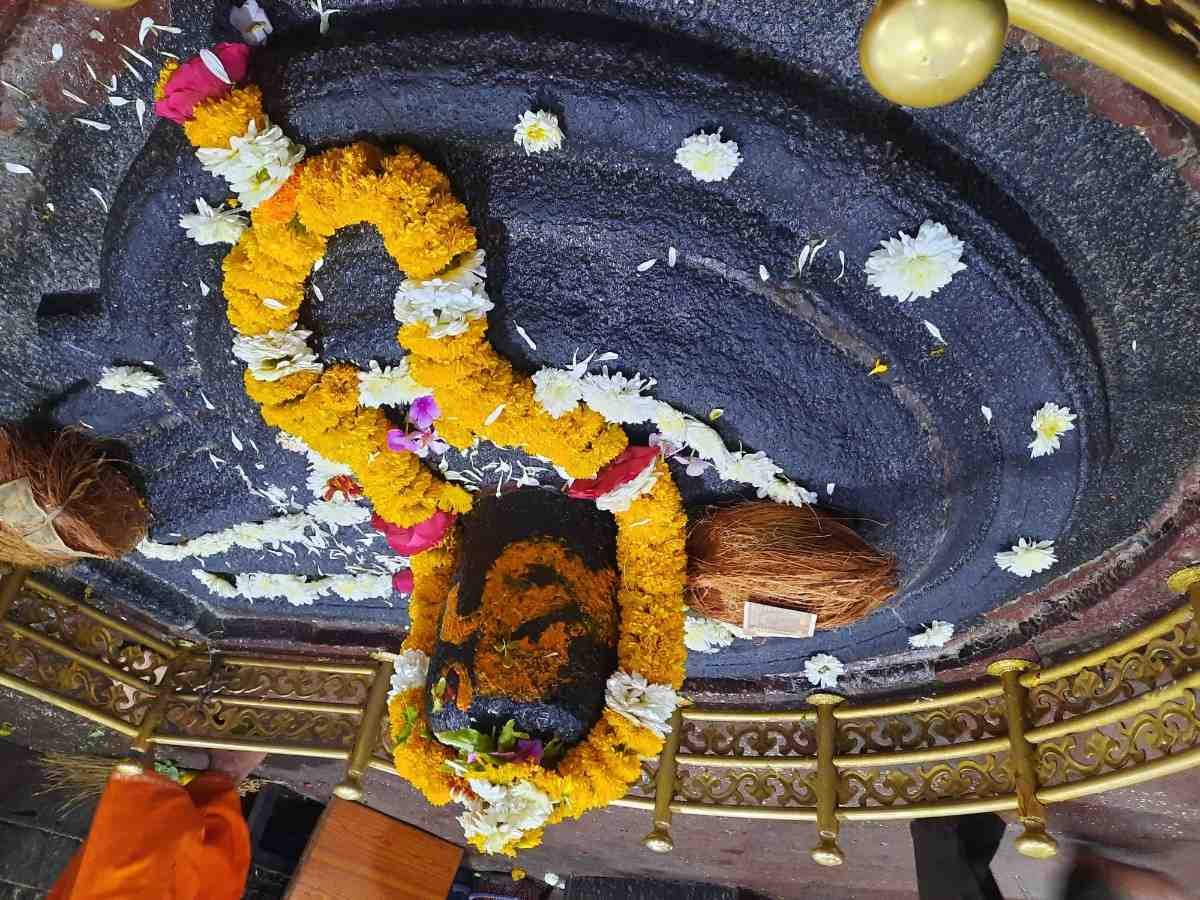
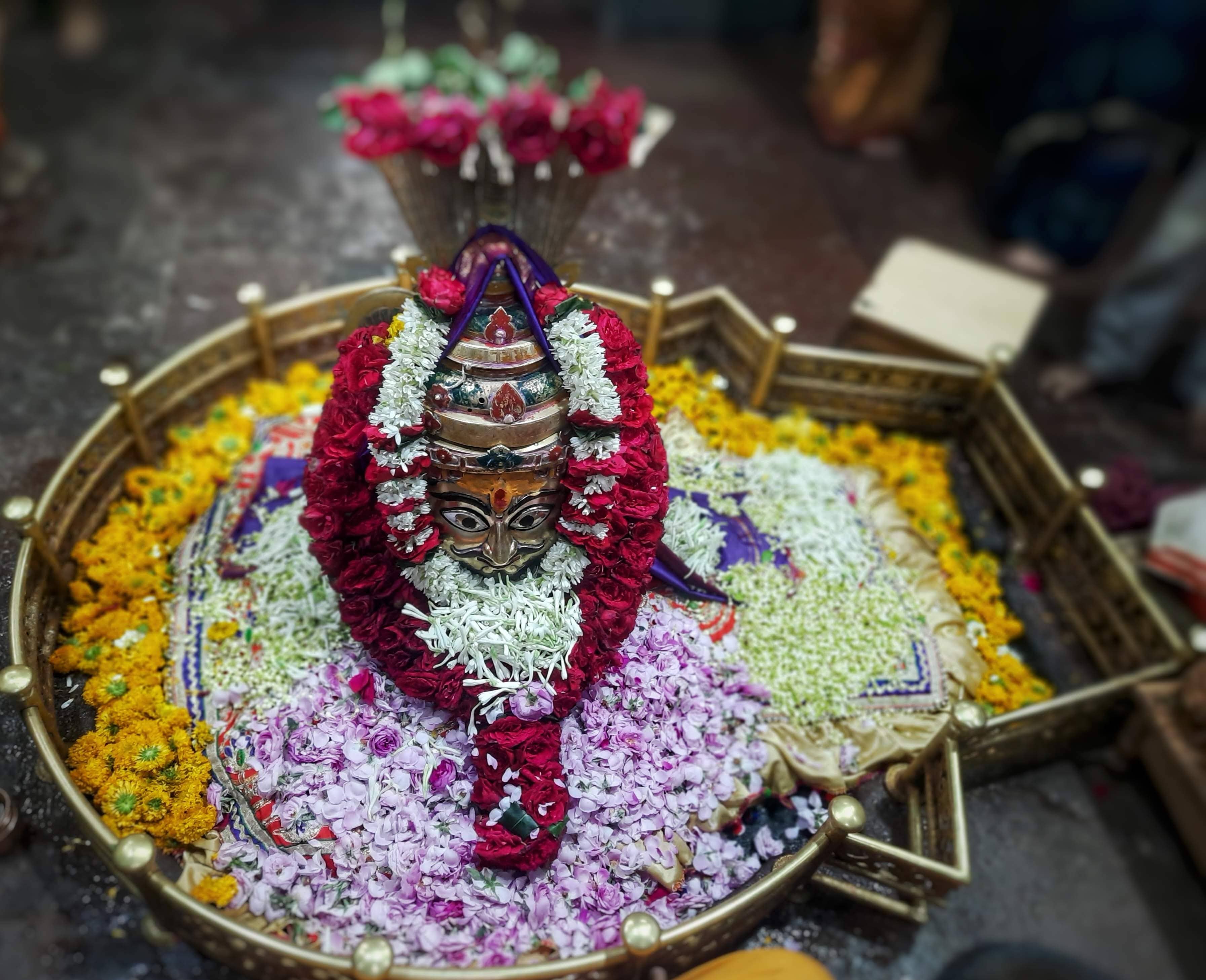
The Siddhesvara Temple, dedicated to Shiva, houses a Shivalinga—the symbolic form through which Shiva is traditionally worshipped. The Nilamadhava Temple, dedicated to Vishnu, contains a four-armed stone image carved from black chlorite, depicted with the weapons and ornaments associated with the deity. The use of different materials and sculptural approaches reflects distinct iconographic traditions while maintaining architectural coherence between the two structures.
Visiting the Temple
The temples are situated close to Boudh town, making them accessible to visitors arriving in the district. Bus services connect Boudh to major cities including Bhubaneswar, Subarnapur, and Berhampur, providing the primary means of public transport to the area. From Boudh, local transport can be arranged to reach Gandharadi village on the Mahanadi riverbank.
Visitors should dress modestly, covering shoulders and knees, as is customary at Hindu temples. The riverside location means the temples are subject to seasonal water levels; enquiring locally about accessibility during monsoon months is advisable. As with most active Hindu temples, visitors should remove footwear before entering the sanctum and show respect to any ongoing worship or rituals. Photography policies may vary; it is courteous to ask permission before photographing the deity images or other devotees at worship.
The Deities and Their Significance
Shiva, worshipped here as Siddhesvara, represents the transcendent and transformative aspects of divinity in Hindu philosophy. He is typically depicted through the Shivalinga, an abstract symbol that focuses worship on the formless infinite rather than anthropomorphic representation. Vishnu, known here as Nilamadhava, embodies divine preservation and sustenance. The four-armed form shown here displays the conch, discus, mace, and lotus—symbols associated with Vishnu's protective and cosmic functions.
The coexistence of these two major Hindu deities in a single temple complex reflects a sophisticated theological understanding that acknowledges multiple valid paths to the divine. Rather than asserting the supremacy of one deity over the other, the temple's design suggests that both Shiva and Vishnu deserve equal reverence and worship.
Historical Context
The late 10th century was a formative period for Kalinga temple architecture. The Somavaṃśī dynasty, who commissioned these temples, were significant patrons of religious architecture across Odisha. The construction of the Harihara Deula during this era demonstrates the dynasty's interest in promoting religious synthesis and architectural innovation. The temples represent a moment when Kalinga style was developing its distinctive characteristics, moving beyond earlier forms toward the mature expression seen in later centuries.
The choice of the Mahanadi riverbank as the temple site connects the shrines to sacred geography; rivers hold particular significance in Hindu worship and pilgrimage traditions. The location would have made the temples accessible to devotees traveling along established routes.
How to reach
Temples near Harihara Deula
Bhuvaneshwar Temple, Boudh
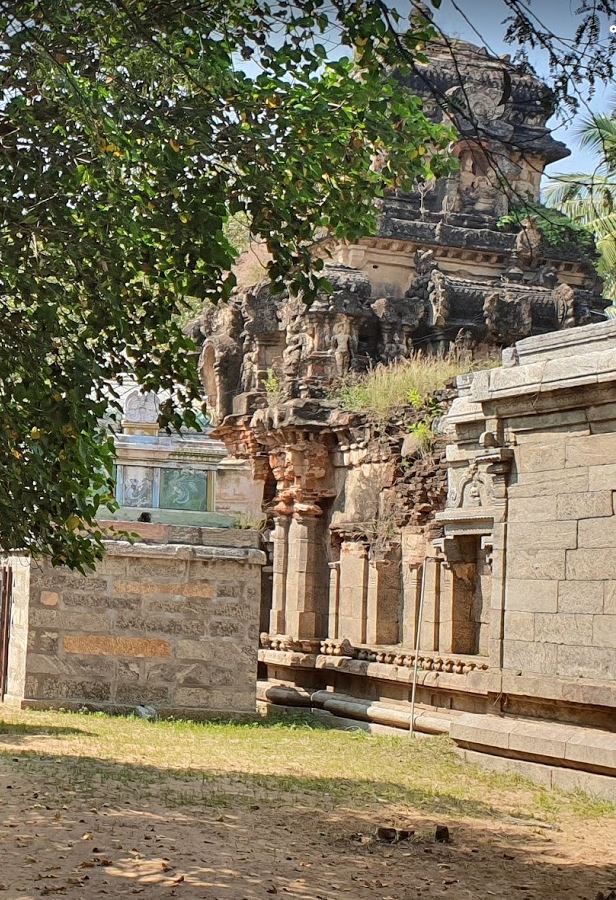
Bhuvaneshwar Temple in Boudh, Odisha is a 10th-century Shiva shrine built during the Somavamsi dynasty, showcasing the distinctive Rekha deula style of South Kosalan architectur…

Lankeswari Temple
Lankeswari Temple sits within the Mahanadi River at Sonepur in Subarnapur district, Odisha. The goddess Lankeswari, also known as Nikumbhilaa, was the presiding deity of the anc…
Subarnameru Temple
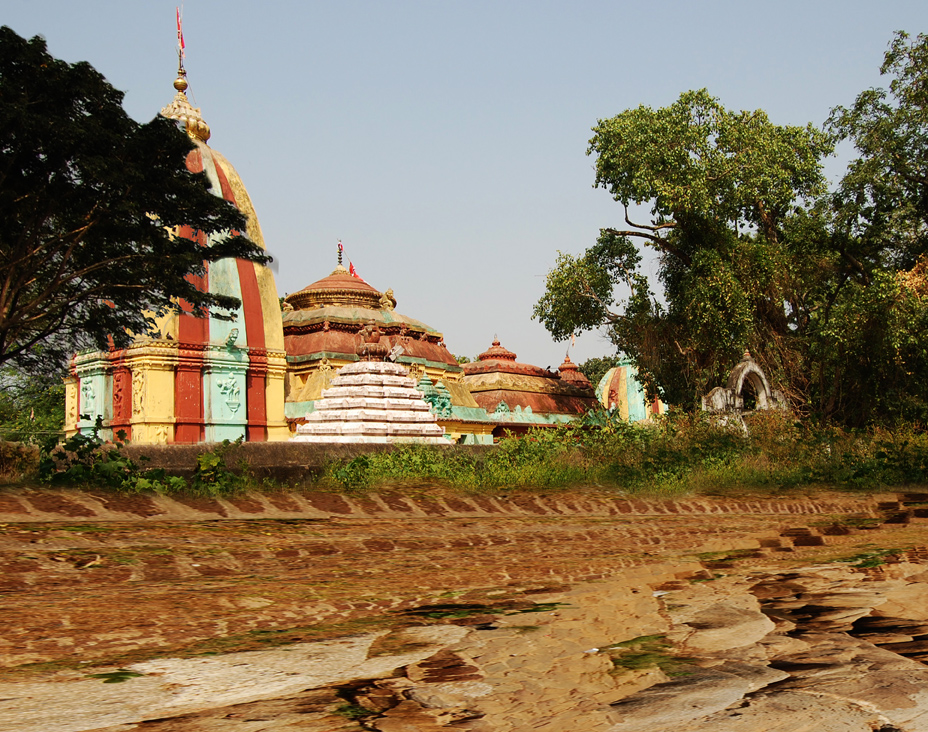
Subarnameru Temple in Sonepur, Odisha is a sacred shrine dedicated to Lord Shiva, revered as the Second Varanasi of India for its spiritual significance.

Binikei Temple
Shri Banke Bihari Mandir in Vrindavan houses a self-manifested idol of Lord Krishna in the tribhanga posture, discovered by Swami Haridas. The temple is renowned for its unique…
Maheshwari Temple
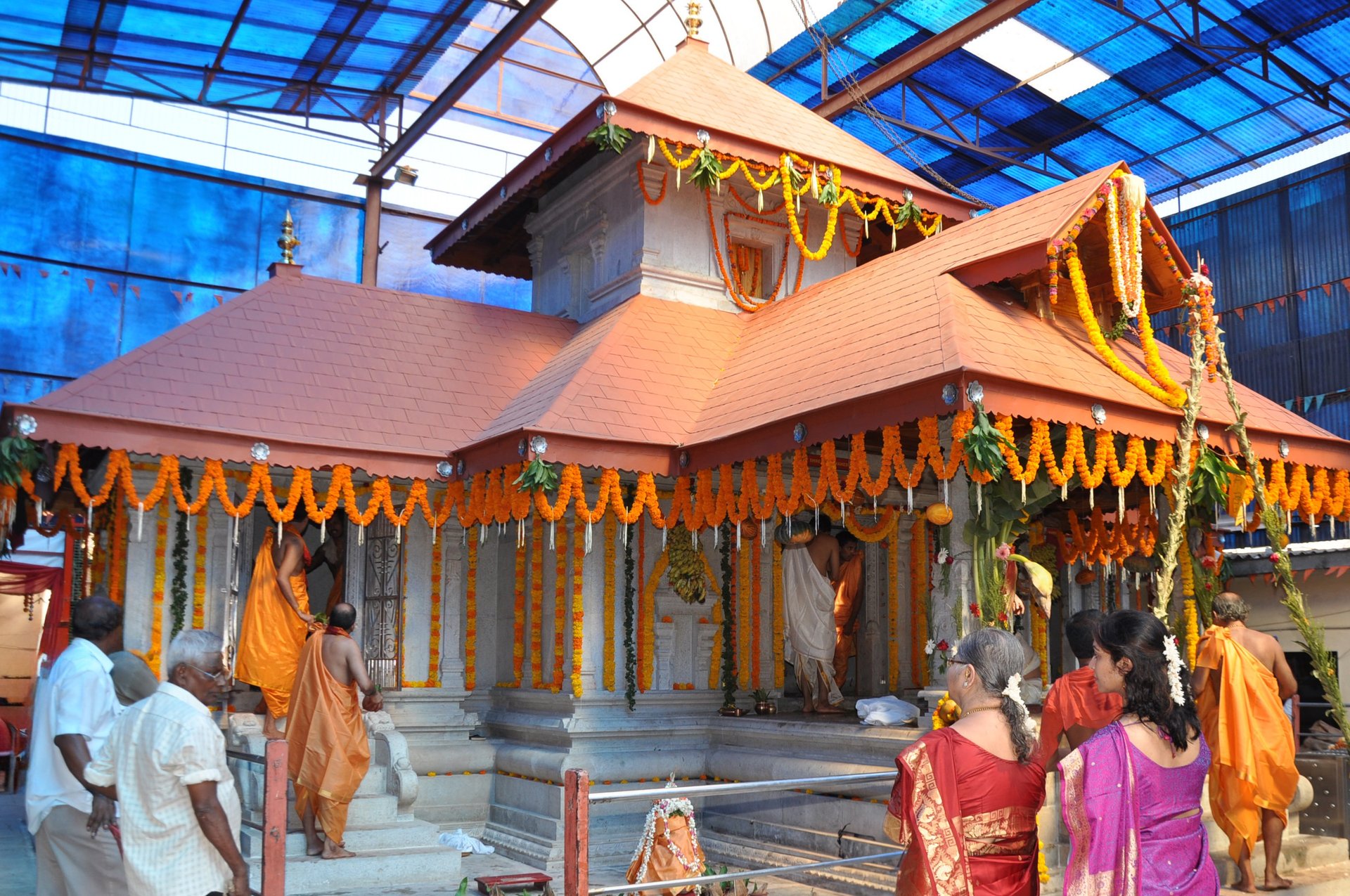
Shree Uma Maheshwari Temple in Mumbai is a stone structure dedicated to Goddess Parvati and Lord Shiva, established in 1978 and rebuilt as a magnificent stone temple completed i…
Narsinghnath
Nrusinghnath Temple, built in the 11th century by the Chola dynasty, stands at the foothills of Gandhamardan hills in Odisha and houses a magnificent deity carved from black gra…