Leaning Temple of Huma
About Leaning Temple of Huma
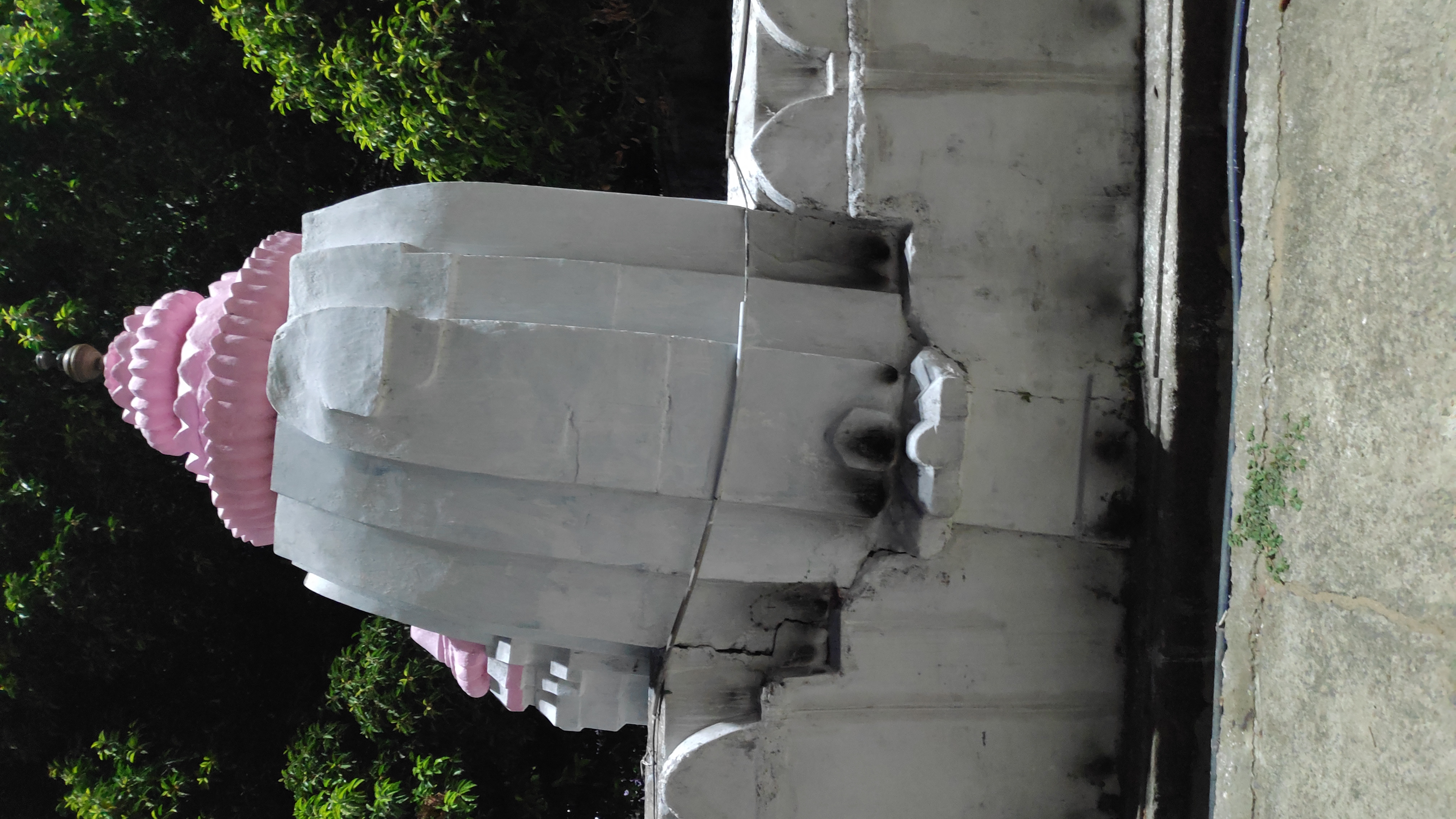
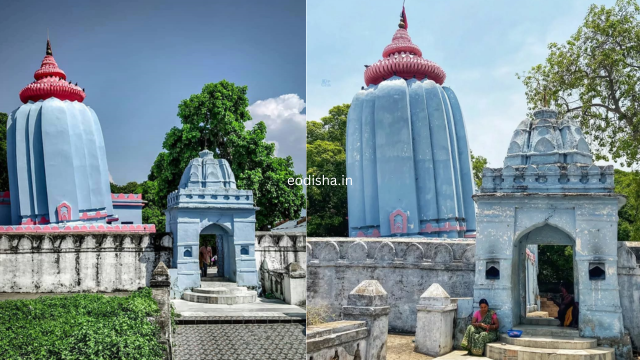
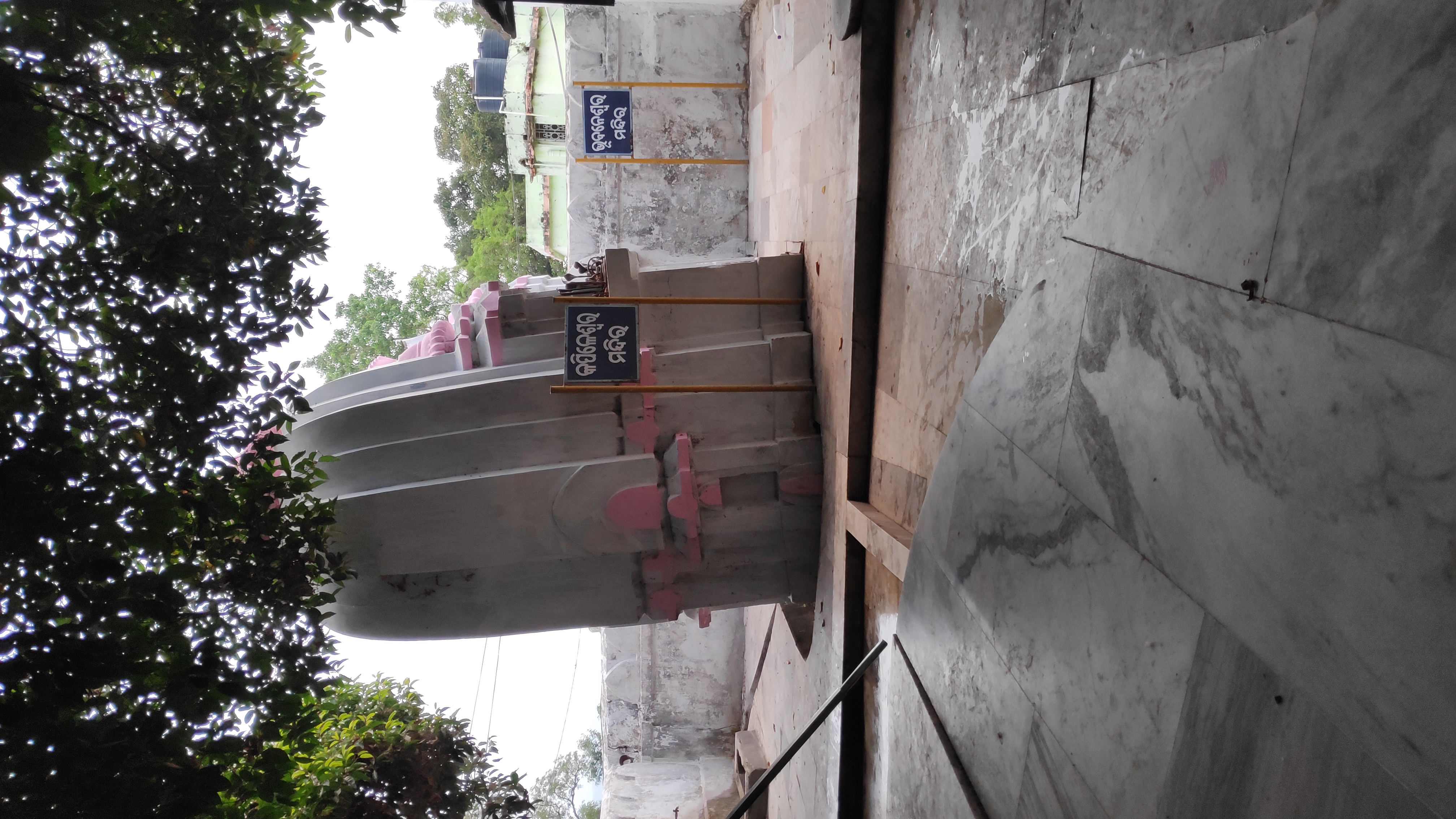
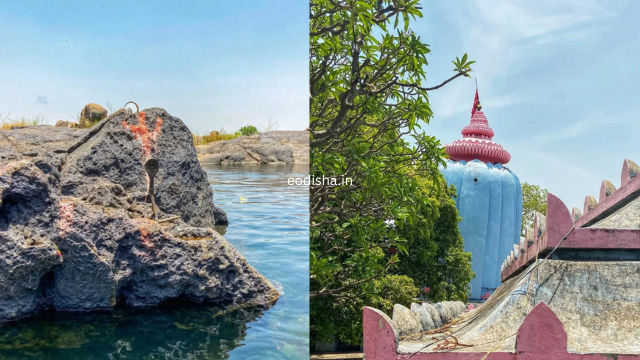
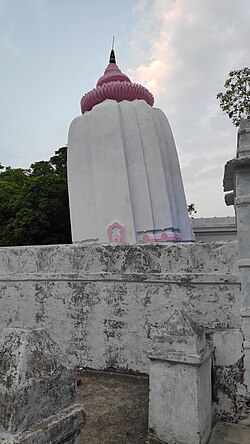
The temple's most striking feature is its pronounced architectural tilt, which has intrigued visitors and scholars for generations. Rather than resulting from poor construction, historians attribute the lean to natural causes: uneven settlement of the foundation, displacement of the rocky bed beneath due to river currents, or seismic activity. Despite this tilt, the temple's pinnacle remains perpendicular to the ground, and the structure has maintained its integrity across centuries. Built in the Kalinga architectural style characteristic of Odisha, the temple rises from a rocky outcrop along the riverbank, creating a distinctive silhouette that sets it apart from other temples in the region.
Daily Worship and Darshan
The temple observes daily ritual worship, with the Sandhya Aarti (evening worship) conducted at 19:00. Devotees visit throughout the day for darshan of Lord Bimaleshwar. The temple complex includes the main shrine dedicated to the deity, along with the subsidiary temples of Bhairavi Devi and Bhairo constructed in the 18th century. Visitors should plan their visit according to these timings and be prepared for the riverside location, which may involve navigating rocky terrain to reach the temple.
Maha Shivratri: The Major Festival
Maha Shivratri, the festival celebrating Lord Shiva, draws particularly large gatherings to the Leaning Temple of Huma. This festival represents the best time to visit the temple if one wishes to experience it during significant religious observance, when the temple hosts substantial numbers of pilgrims. The festival's timing and specific rituals follow the Hindu lunar calendar, and devotees should check current dates before planning a visit.
Reaching the Temple
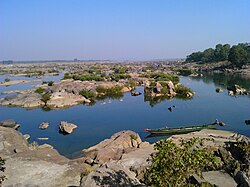
The temple is located in Huma village, approximately 23 kilometres south of Sambalpur in Odisha. The precise coordinates are 21.280673°N, 83.912484°E. Sambalpur serves as the nearest major town and reference point for reaching the temple. Visitors should arrange transport from Sambalpur to Huma village, as the temple sits on the Mahanadi riverbank rather than in a major urban centre. The journey involves travel through rural Odisha, and visitors should plan accordingly for road conditions and local transportation options.
Visiting Practicalities
Visitors to Hindu temples typically observe modest dress—covering shoulders and knees is customary. Shoes are generally removed before entering the sanctum. As this is an active place of worship, visitors should be respectful of ongoing rituals and the devotion of other pilgrims. The riverside location means the temple may be subject to seasonal water level changes, particularly during monsoon periods. Accommodation and dining facilities in Huma village itself may be limited, so visitors may wish to base themselves in Sambalpur and make a day visit, or inquire locally about available options before arrival.
How to reach
You may also visit
Tiger Cave
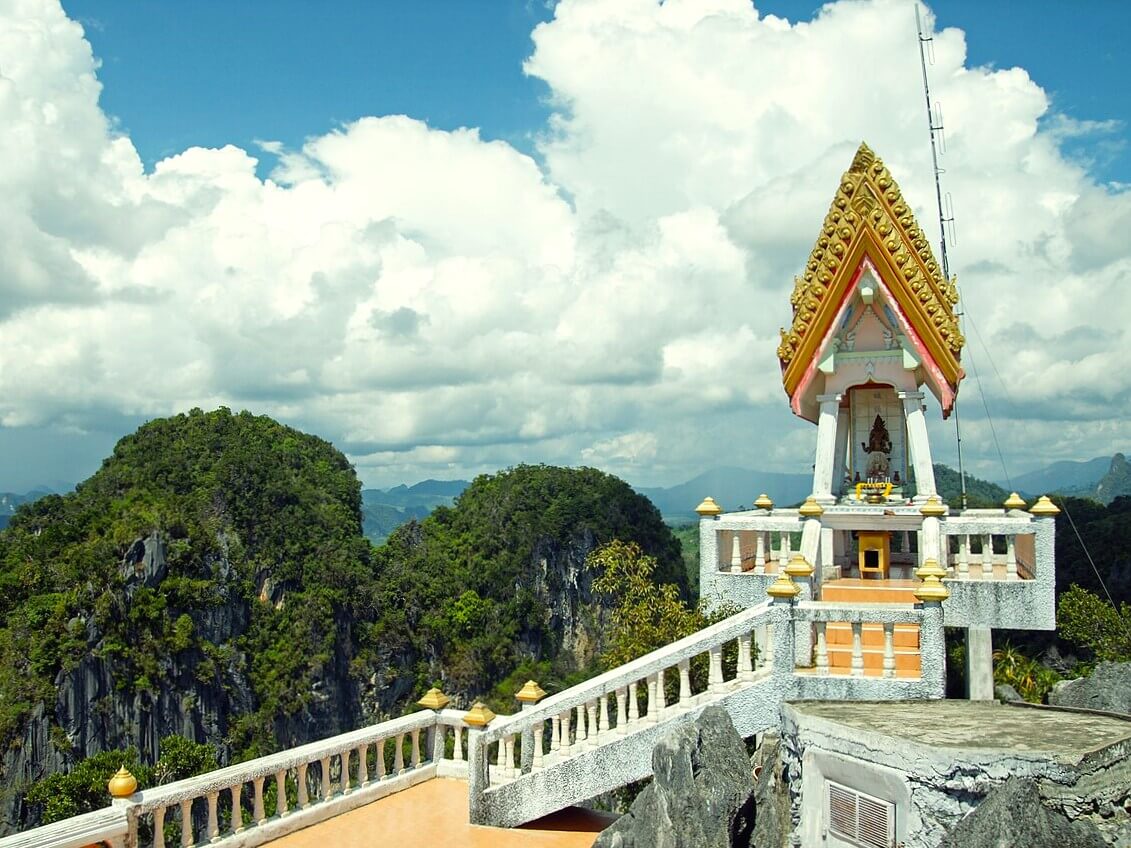
5Tiger Cave Temple is a Buddhist monastery complex near Krabi, Thailand, featuring a challenging 1,260-step ascent to a hilltop summit crowned with a Golden Buddha statue and panoramic limestone vistas.
Kalyanji Temple
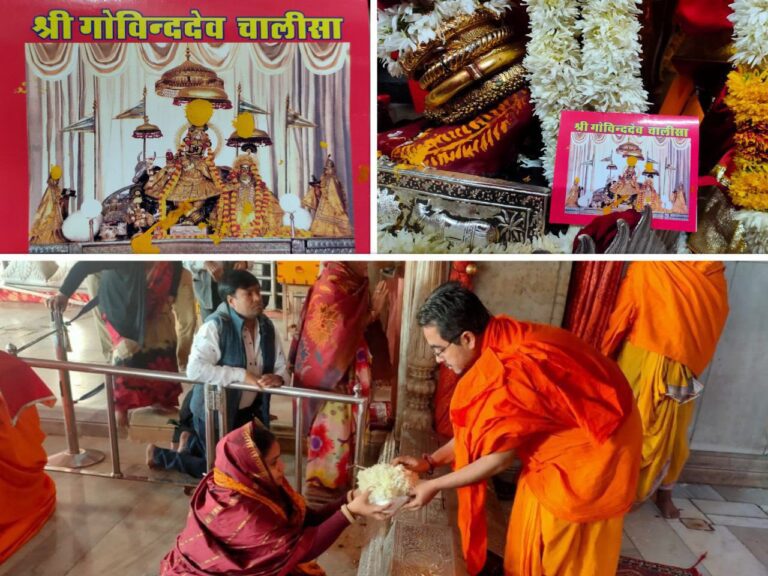
Kalyanji Temple in Jaipur's Chandpol Bazaar is approximately two centuries old and renowned for displaying the twenty-four avatars of Krishna, visible only twice yearly during Akha Teej and Patottsav festival.
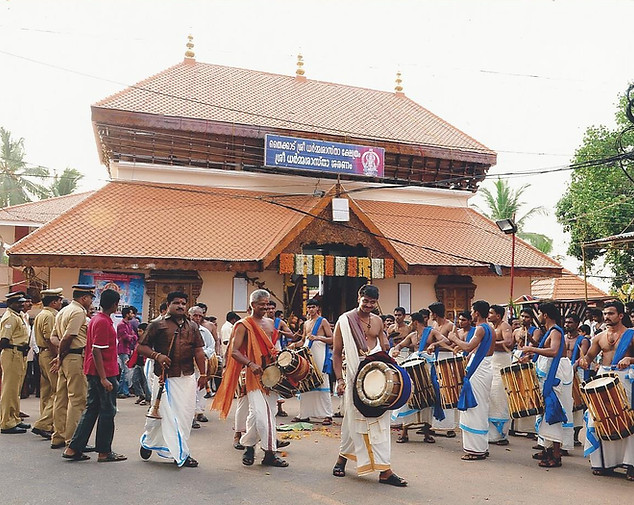
Sastha (Ayyappan) Temple
Sree Dharma Sastha Temple in Thycaud, Thiruvananthapuram, is a centuries-old shrine where the deity manifests as Dhanwanthari, the divine healer, holding the sacred blue lotus.