Bhuvaneshwar Temple, Boudh
About Bhuvaneshwar Temple, Boudh
The temple dates to the 10th century, a period of considerable temple construction under the Somavamsi dynasty in Odisha. It represents the Rekha deula style of South Kosalan architecture—a regional tradition distinct from the more widely known Odishan temple forms. The Rekha deula design emphasizes a curvilinear tower structure characteristic of medieval temples in this part of India. Rather than being a simple shrine, the temple displays the sophisticated decorative vocabulary of its era, with carved motifs and sculptural elements that reveal the skill of its medieval craftsmen.
Sculptural Decoration and Sacred Imagery
The temple's walls and surfaces carry an extensive programme of carved decoration. Geometric patterns including khakharamundis, scroll work, beaded borders, lattice designs, and vajramundi motifs cover the structure. Alongside these ornamental elements stand representations of divine and semi-divine figures: Ganesha appears among the carvings, as do Jaina Tirthankaras, reflecting the religious pluralism of medieval Odisha. The temple also features images of nayikas (celestial maidens), human figures both male and female, and pairs of figures (mithuna and maithuna). Notably, idols of Nataraja and Brahma have been found at the site, and depictions of linga worship appear in the carved programme. These varied elements suggest a temple that drew on multiple religious traditions while maintaining its primary dedication to Shiva.
Festivals and Sacred Days
The temple observes several important occasions throughout the year. Shivaratri, the night sacred to Shiva, draws devotees to the shrine. Shitalasasthi, a festival observed in the spring season, is also celebrated here. Additionally, all Purnimas—the full moon days that occur monthly in the Hindu calendar—are marked as significant at this temple. Visitors planning their pilgrimage should consult a Hindu calendar to align their visit with these observances, as the temple's atmosphere and activity levels will differ on festival days.
Visiting the Temple
The temple is located at Malipara, Boudh township, Boudh, Odisha 762014, positioned on the left side of the road that connects Boudh to Sonepur. Specific darshan timings are not documented in available sources; visitors should contact the temple directly before arrival, particularly if planning to visit on a festival day when hours may differ from regular schedules. As with most Hindu temples, modest dress is appropriate—covering shoulders and knees shows respect to the sacred space. Shoes are typically removed before entering the inner sanctum. The riverside location means the approach to the temple may involve some walking along the Mahanadi's banks, so sturdy footwear for the journey to the shrine itself is practical.
Reaching Boudh
Boudh is a township in Odisha accessible by road from major cities in the state. The temple's position on the Boudh-Sonepur road makes it reachable by local transport once in the township. Visitors arriving by car or bus should ask for directions to Malipara; local residents will be familiar with the temple's location. The Mahanadi riverside setting means the temple is not in the heart of the township but rather on its outskirts, requiring a short journey from the main town area.
How to reach
You may also visit
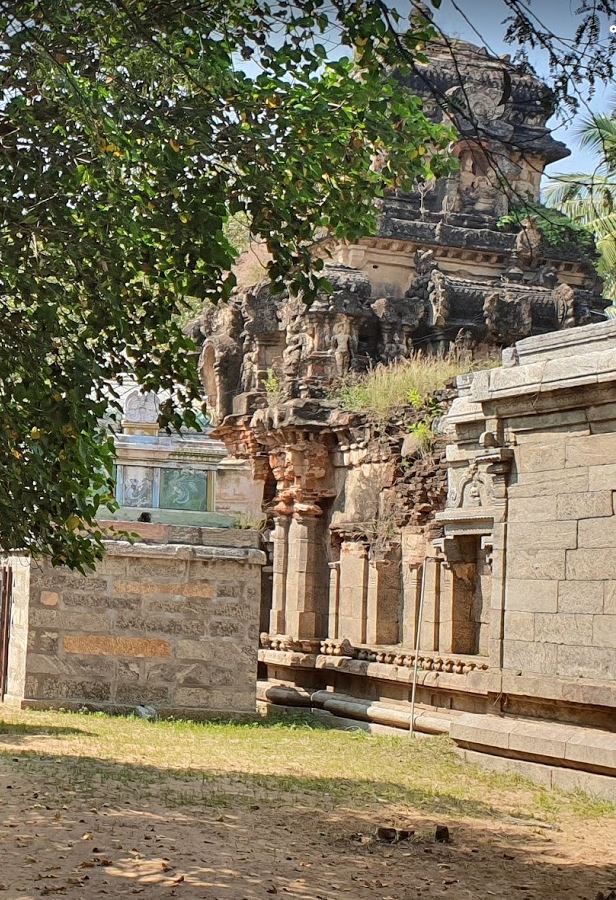
Agatheeswarar Temple, Karur
Agatheeswarar Temple in Thirumukkudalur, Karur district, is an ancient Hindu shrine dedicated to Shiva, situated at the sacred confluence of three rivers and believed to be over 1000 years old.
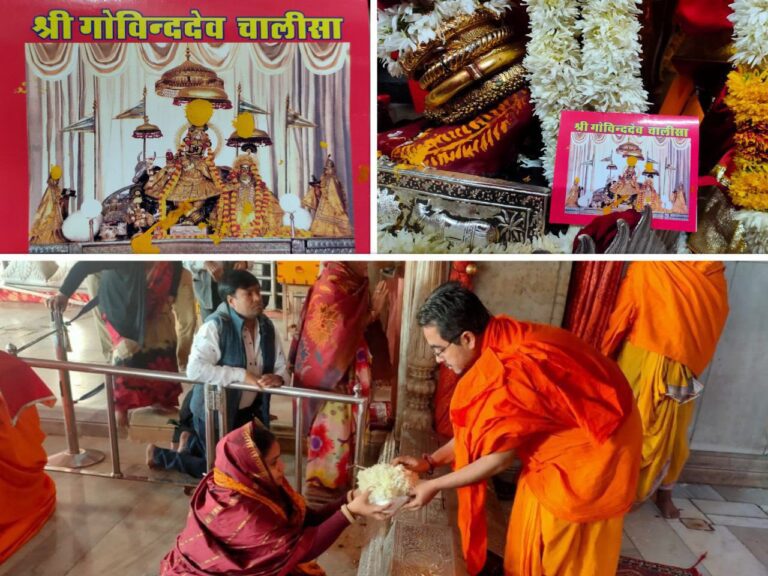
Kalyanji Temple
Kalyanji Temple in Jaipur's Chandpol Bazaar is an ancient Krishna shrine established in the 1820s, renowned for its seven daily aartis and special avatar darshan ceremonies during Akha Teej and Patottsav festivals.
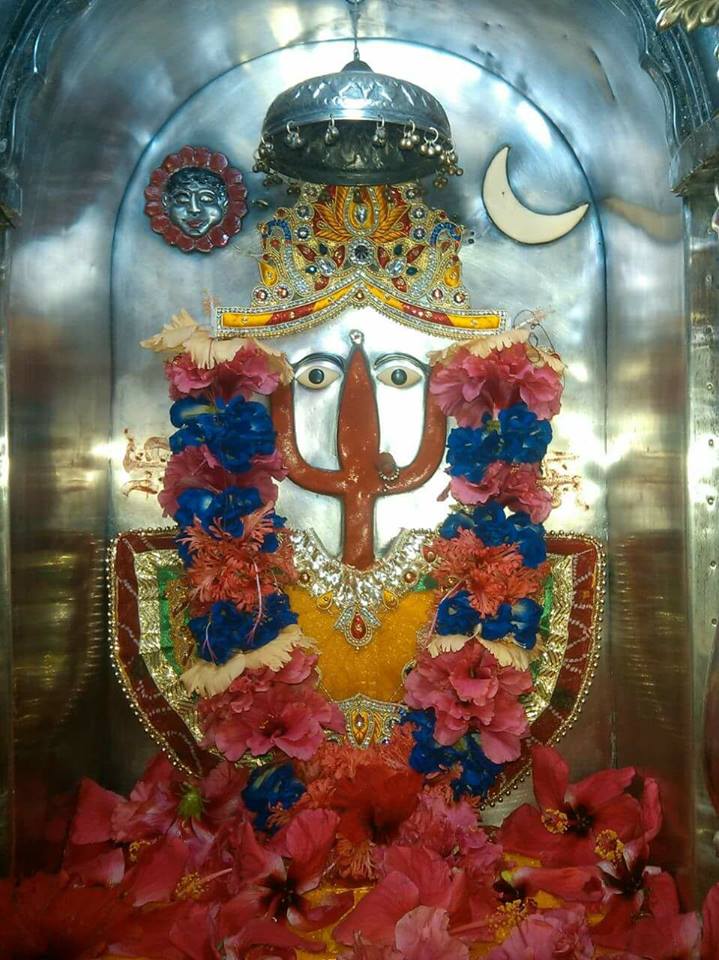
Rani Sati Mandir Mahuda
Rani Sati Mandir in Mahuda, Dhanbad District, is a Hindu temple established in 1992 that serves as a spiritual center for the local community and attracts devotees seeking blessings.