Maheshwari Temple
About Maheshwari Temple
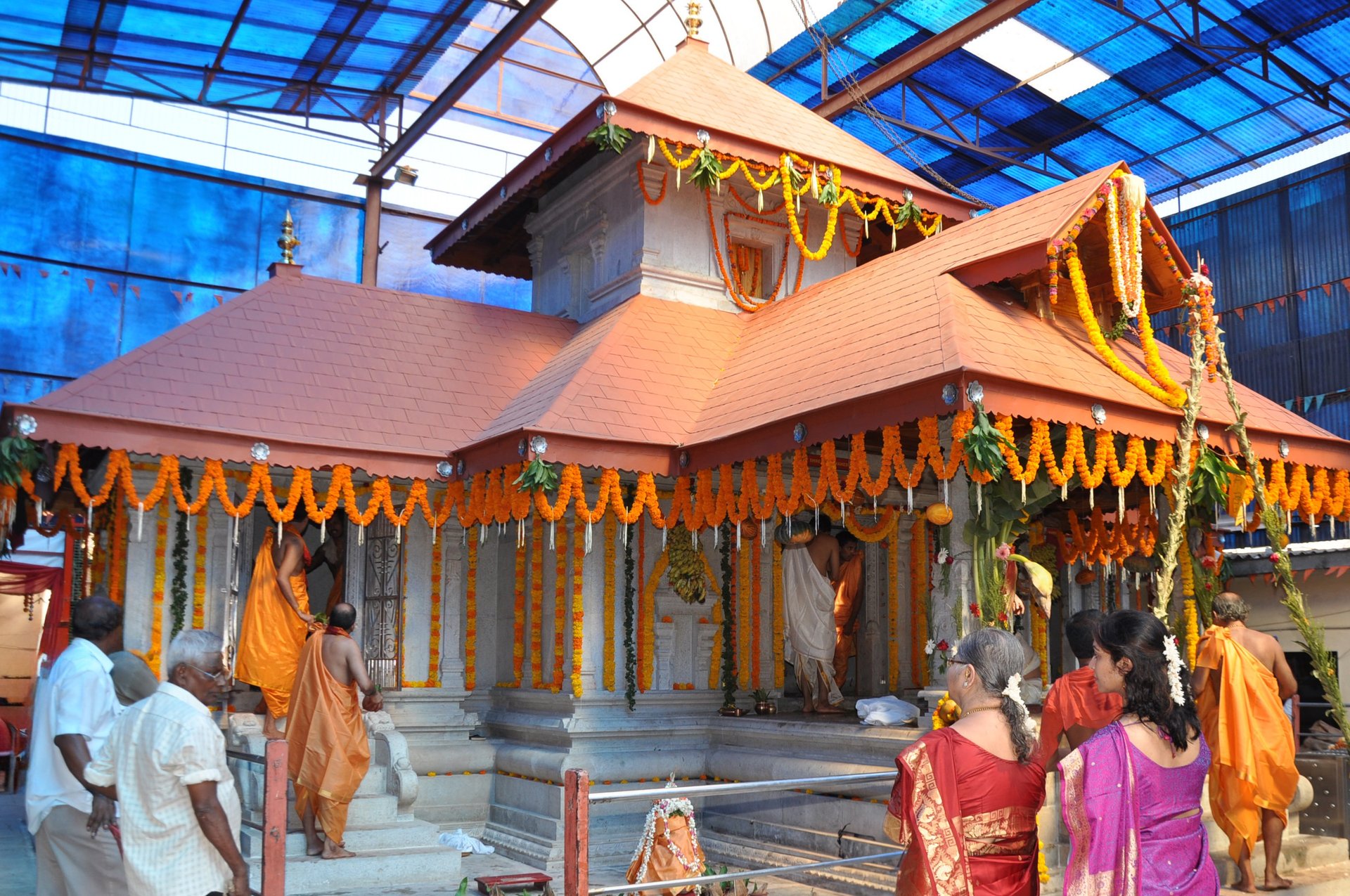
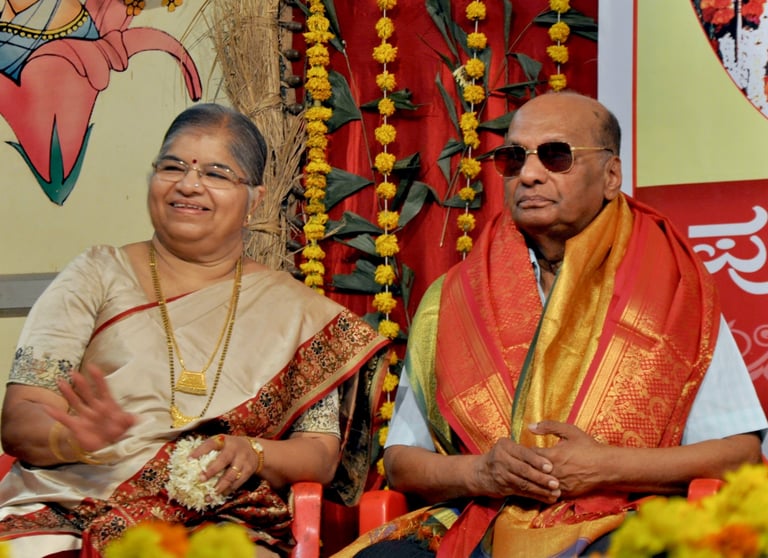
The temple was founded on 3 October 1978 by Shri B.K. Sheena and Smt. Lalitha Sheena. What began as a modest establishment underwent a profound transformation over the following decades. In 1992, Shri B.K. Sheena experienced a life-altering loss of vision, yet this did not diminish his commitment to the temple. Instead, he undertook an ambitious project to rebuild it as a stone temple (Shilamaya Temple), a substantial architectural undertaking that reached completion in May 2011.
The formal reinstallation of the deity, known as Punar Pratistha, took place on 23 May 2011, an occasion attended by respected spiritual leaders including Shri Vishvesha Tirtha Swamiji of Pejavar Mutt in Udupi and other senior swamis and Vedic scholars. The temple's head priest at that time, Shri Srinivas Udupa, spoke of the founder's vision as a rare blessing, noting that while many possess wealth, few have both the divine favour and determination required to establish a temple.
The Deities
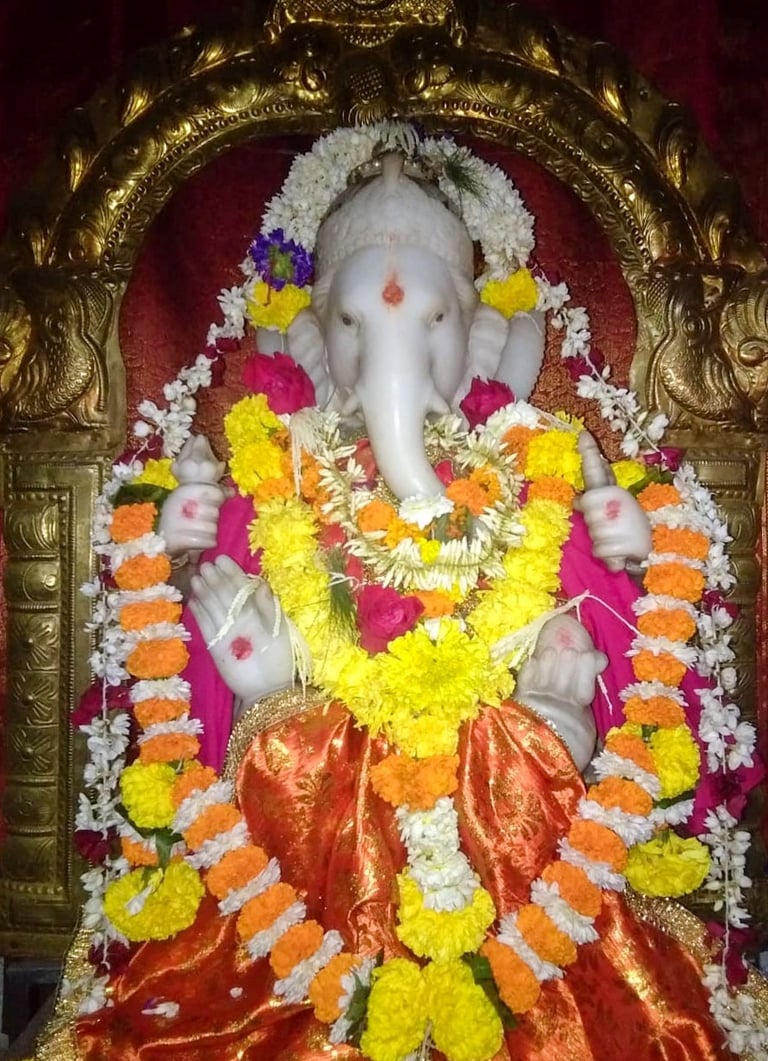
Beyond Shree Uma Maheshwari, the temple houses several other important deities. Shree Mahaganapati, a revered form of Lord Ganesha, is worshipped for wisdom, prosperity, and the removal of obstacles. Devotees traditionally offer modaks, durva grass, and red flowers to Ganesha, seeking his blessings for spiritual growth and well-being.
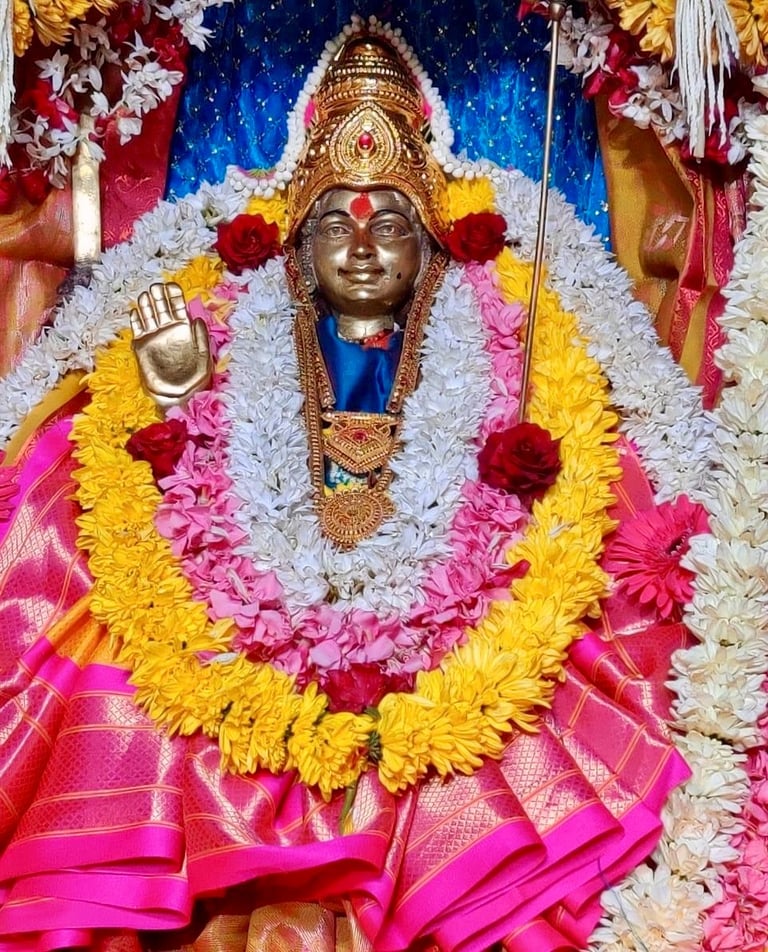
Shree Subramanya, the son of Shiva and Parvati, is honoured as the god of war, wisdom, and strength. He is typically depicted with a spear and riding a peacock, and is believed to remove obstacles, offer protection, and bring success in life's endeavours. The temple also enshrines Shree Uma Maheshwara, representing the divine union of Parvati and Shiva, symbolizing the cosmic balance of creation and destruction. Additionally, shrines to Shree Hanuman and Shree Naag Devta (the serpent deity) are present within the temple complex.
Worship and Offerings
Temples dedicated to Parvati typically conduct daily worship through prayers, rituals, and offerings that create an environment of spiritual practice and devotion. The specific timings of darshan (viewing of the deity) and aarti (ritual worship with light) at this temple should be confirmed directly with the temple, as schedules vary with festivals and seasons. Devotees visiting the temple should dress modestly, as is customary in Hindu temples, and remove footwear before entering the sanctum.
Offerings made at the temple follow traditional Hindu practice. Flowers, particularly red flowers, are commonly offered to the deities. Specific offerings such as modaks (sweet dumplings) are associated with Ganesha worship. Devotees typically make their offerings through the temple priests, who conduct rituals on behalf of worshippers.
Location and Access
The temple is located in Mumbai at coordinates 20.7193937, 84.5335703. Visitors should note this precise location when seeking directions via GPS or mapping applications. The temple's official website and contact channels can provide current information about visiting hours, special events, and any facilities available to devotees. Those planning a visit are advised to contact the temple in advance to confirm darshan timings and to inquire about any ongoing rituals or observances.
Visiting Information
As a functioning place of worship, the temple maintains regular hours for devotee access, though exact timings should be verified before visiting. Visitors should be prepared to remove footwear at the entrance and dress respectfully. The temple welcomes both individual devotees and families seeking spiritual practice and the blessings of the deities enshrined there.
For those wishing to arrange special pujas, offerings, or to learn more about the temple's history and practices, direct contact through the temple's official channels is recommended. The temple community remains actively engaged in maintaining the sacred space established by its founders over four decades ago.
How to reach
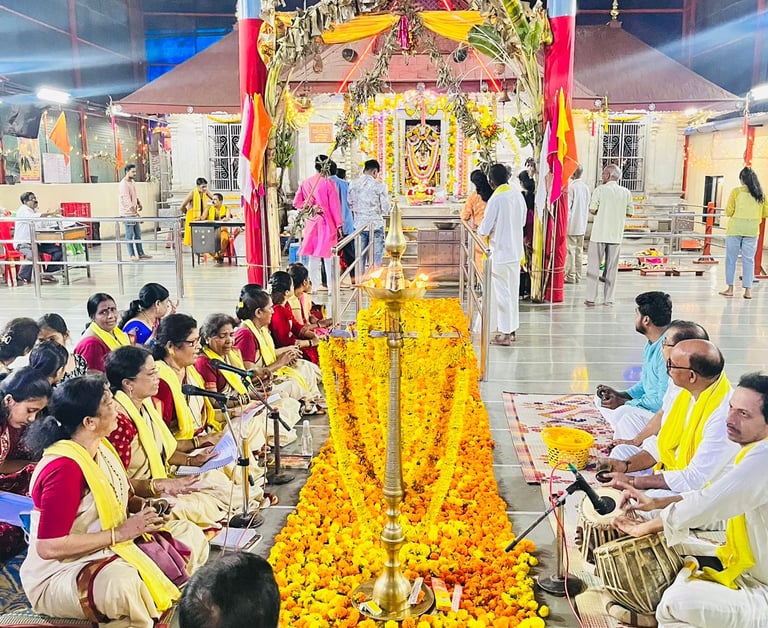
Temples near Maheshwari Temple

Binikei Temple
Shri Banke Bihari Mandir in Vrindavan houses a self-manifested idol of Lord Krishna in the tribhanga posture, discovered by Swami Haridas. The temple is renowned for its unique…
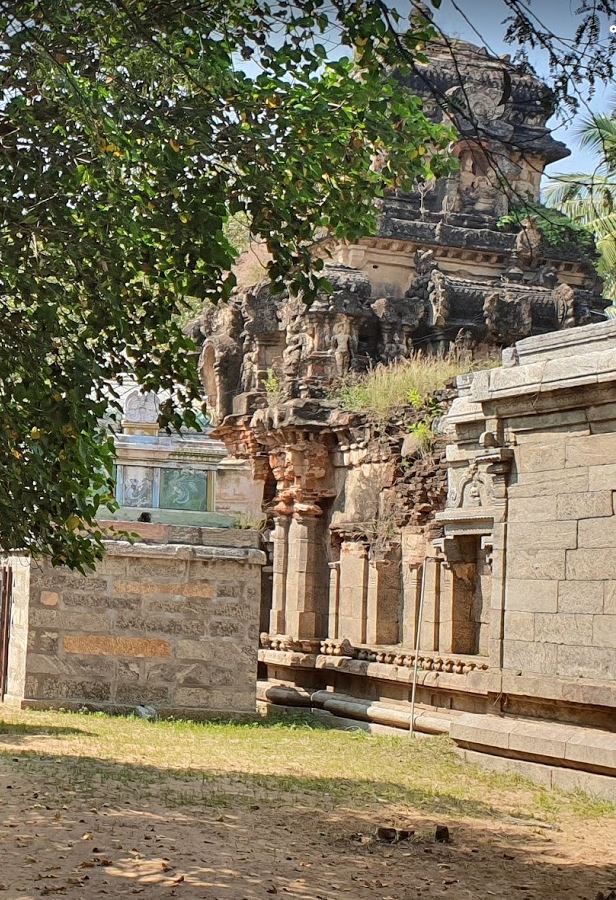
Bhuvaneshwar Temple, Boudh
Bhuvaneshwar Temple in Boudh, Odisha is a 10th-century Shiva shrine built during the Somavamsi dynasty, showcasing the distinctive Rekha deula style of South Kosalan architectur…
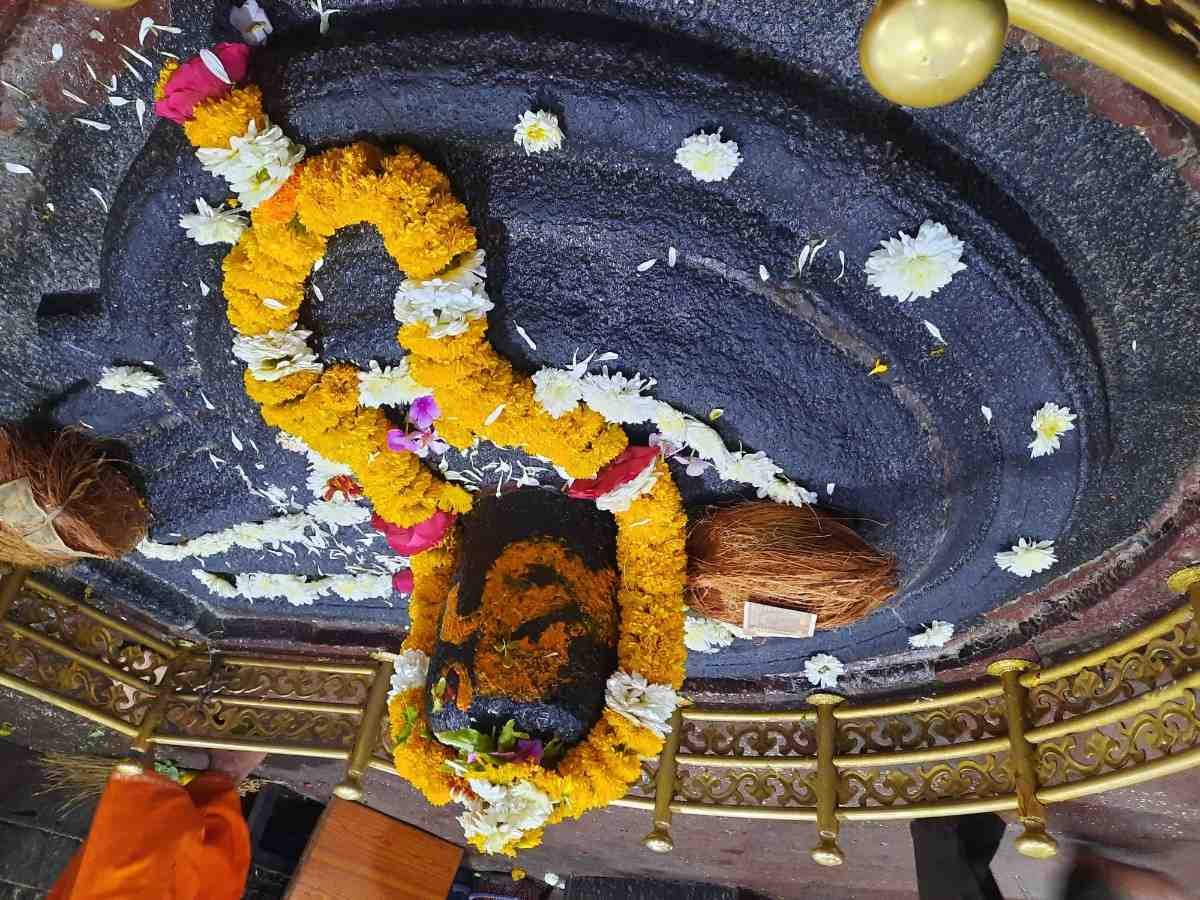
Harihara Deula
The Harihara Deula temple's deity and specific details could not be determined from the provided sources, which contained information about unrelated temples (Grishneshwar Jyoti…
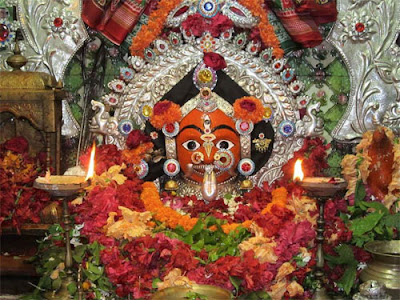
Budhi Thakurani Temple
Maa Budhi Thakurani Temple in Berhampur, Odisha is a revered Shakti Peetha where the fierce goddess form of Kali/Durga is worshipped through a silver mask rather than a traditio…
Narsinghnath
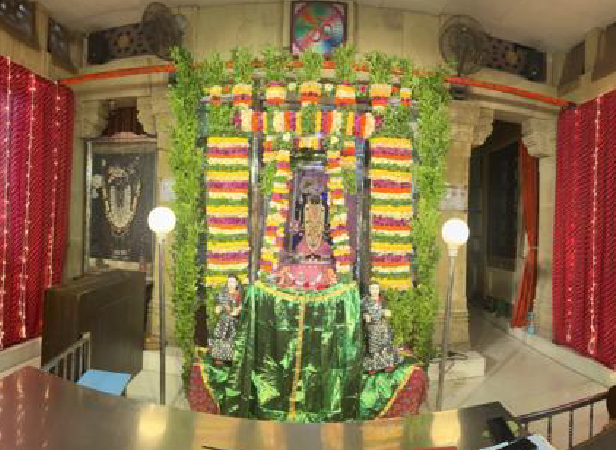
Nrusinghnath Temple, built in the 11th century by the Chola dynasty, stands at the foothills of Gandhamardan hills in Odisha and houses a magnificent deity carved from black gra…
Subarnameru Temple
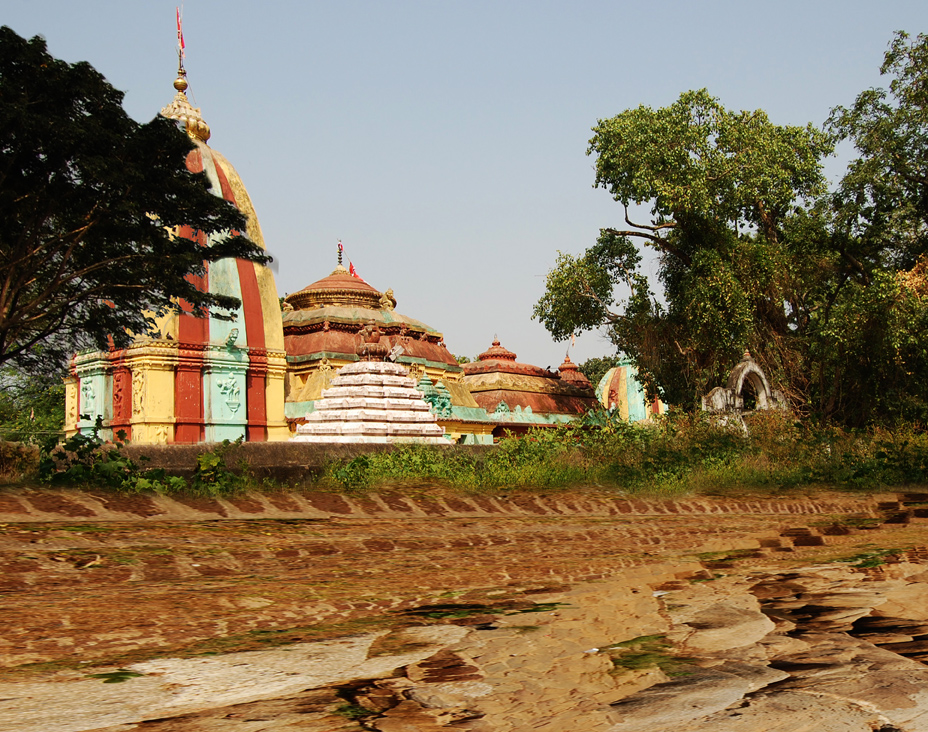
Subarnameru Temple in Sonepur, Odisha is a sacred shrine dedicated to Lord Shiva, revered as the Second Varanasi of India for its spiritual significance.