
Binikei Temple
About Binikei Temple
The temple maintains seasonal schedules that shift with the year. From March through October, the temple opens at 7:45 AM for the morning session and again at 5:30 PM for the evening. From November through February, morning hours begin at 8:45 AM and evening hours at 4:30 PM. Both seasons close at noon and 8:30 PM respectively, with the temple closed during afternoon hours.
The Shringar Aarti—the ritual dressing and adorning of the deity—occurs at 7:55 AM during summer months and 9:00 AM during winter. This is considered the most significant moment for darshan, as the deity is freshly prepared and the atmosphere is focused. The Shayan Aarti, marking the evening closing ritual, takes place at 9:30 PM in summer and 8:30 PM in winter. A Mangala Aarti at 2:00 AM is observed only on Sharad Purnima, the full moon of autumn, rather than daily.
Visitors should arrive during the opening hour to secure good viewing positions, as the temple draws steady crowds, particularly during the Shringar Aarti. The afternoon closure is a fixed part of the temple's rhythm and should be planned around.
Festivals and Special Observances
Janmashtami, the birthday of Krishna, draws special observances at the temple, including the rare Mangala Aarti performed at 2:00 AM. Sharad Purnima, the autumn full moon, is similarly marked with heightened ritual activity and the Mangala Aarti. These occasions attract larger numbers of devotees and represent peak times for experiencing the temple's spiritual calendar.
Beyond these two major observances, the sources do not detail other specific festivals or their dates. Visitors planning a trip around particular celebrations should confirm current schedules locally, as festival observances can shift based on the lunar calendar.
Practical Information for Visitors
The temple is located at Nidhivan, Vrindavan, in Uttar Pradesh. Entry is free. Visitors should dress modestly, covering shoulders and knees, as is customary in Hindu temples. Footwear is typically removed before entering the inner sanctum.
The temple's afternoon closure means planning is essential—morning visits should conclude by noon, and evening visits begin only after 4:30 PM (winter) or 5:30 PM (summer). The Shringar Aarti at opening time offers the most focused darshan experience and is recommended for first-time visitors. Early arrival—15 to 30 minutes before the aarti—allows time to settle into the space before the ritual begins.
Nidhivan itself is described as a place of spiritual calm, with its characteristic dense plantings creating a distinct atmosphere separate from the busier streets of Vrindavan. Many visitors find the environment itself conducive to quiet reflection.
Reaching the Temple
Binikei Temple is situated within Vrindavan, a major pilgrimage destination in Uttar Pradesh approximately 60 kilometers south of Delhi. Vrindavan is accessible by road from Delhi and other northern Indian cities. Local taxis, auto-rickshaws, and cycle-rickshaws serve as transport within Vrindavan itself. The temple's precise coordinates (20.6181, 84.3946731) can be used with mapping applications to navigate from Vrindavan's main areas.
Visitors typically base themselves in Vrindavan town and make day visits to temples within the region, including Binikei Temple. Accommodation options range from budget guesthouses to mid-range hotels throughout Vrindavan.
How to reach
Temples near Binikei Temple
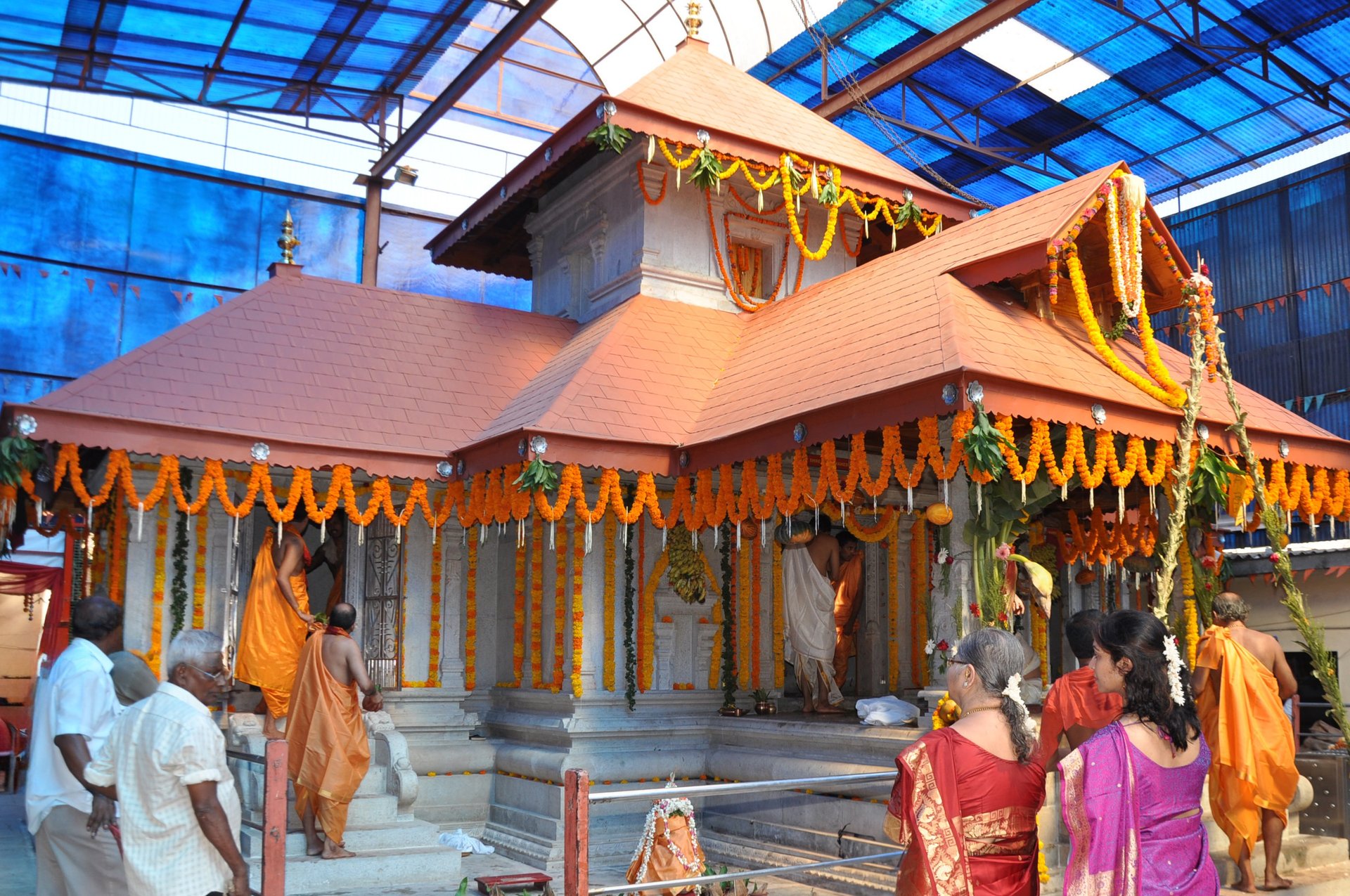
Maheshwari Temple
Shree Uma Maheshwari Temple in Mumbai is a stone structure dedicated to Goddess Parvati and Lord Shiva, established in 1978 and rebuilt as a magnificent stone temple completed i…
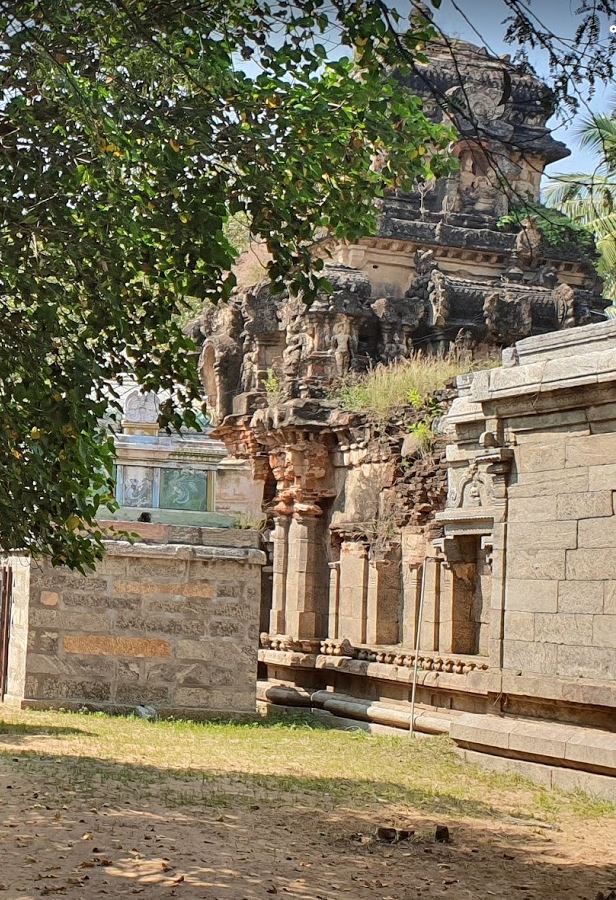
Bhuvaneshwar Temple, Boudh
Bhuvaneshwar Temple in Boudh, Odisha is a 10th-century Shiva shrine built during the Somavamsi dynasty, showcasing the distinctive Rekha deula style of South Kosalan architectur…
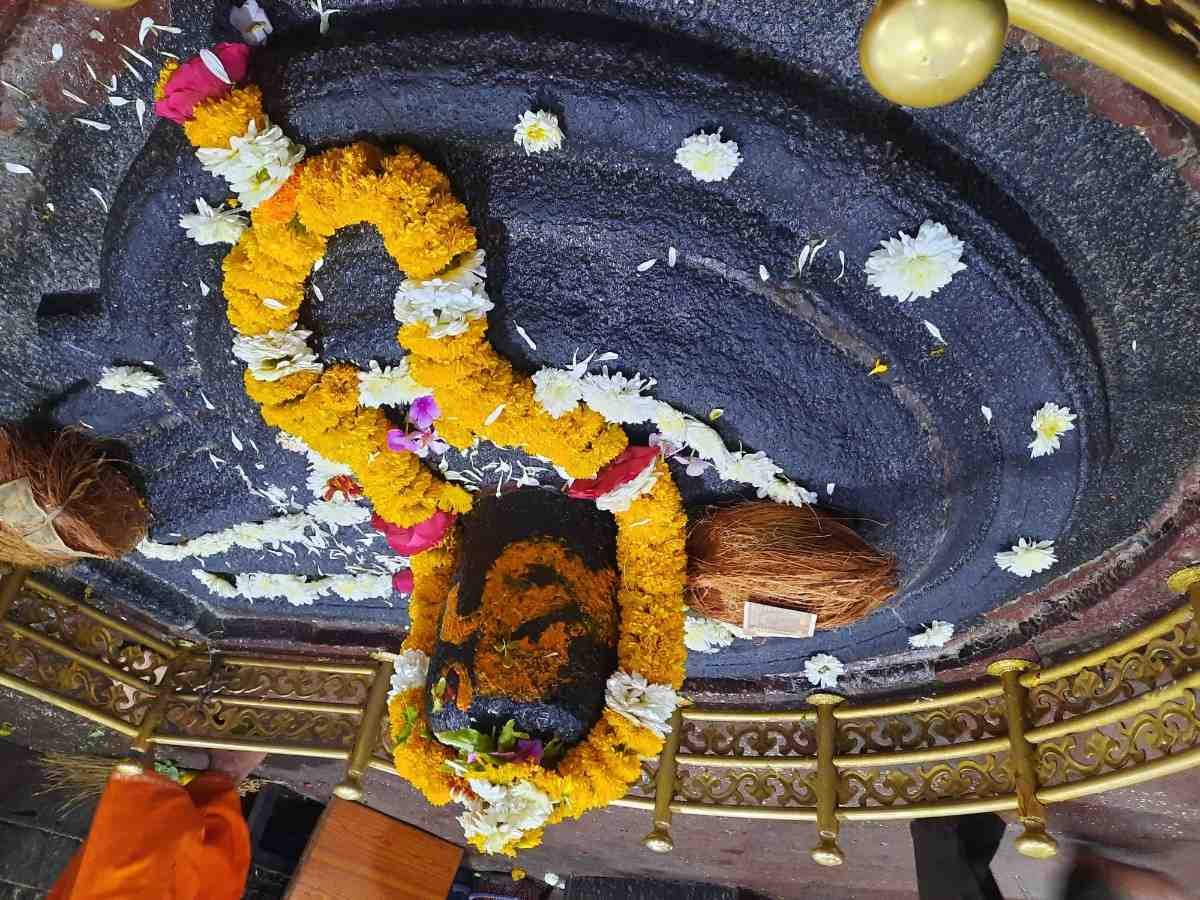
Harihara Deula
The Harihara Deula temple's deity and specific details could not be determined from the provided sources, which contained information about unrelated temples (Grishneshwar Jyoti…
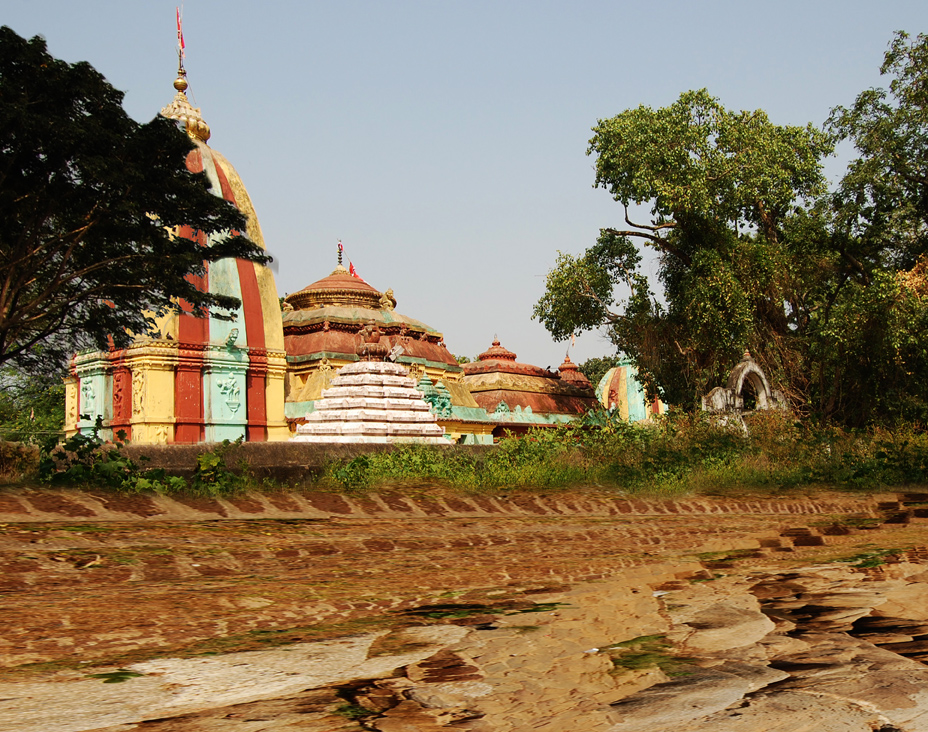
Subarnameru Temple
Subarnameru Temple in Sonepur, Odisha is a sacred shrine dedicated to Lord Shiva, revered as the Second Varanasi of India for its spiritual significance.
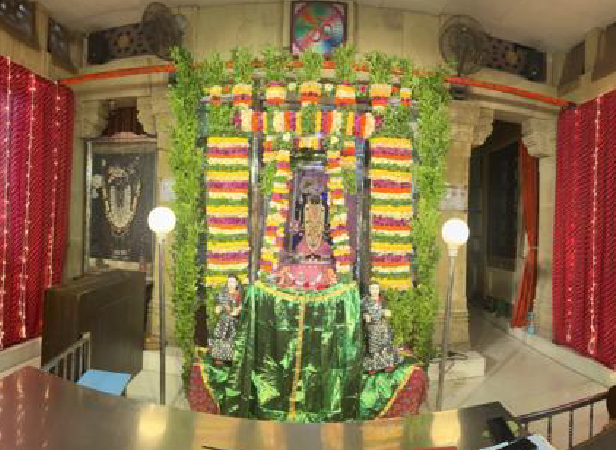
Narsinghnath
Nrusinghnath Temple, built in the 11th century by the Chola dynasty, stands at the foothills of Gandhamardan hills in Odisha and houses a magnificent deity carved from black gra…
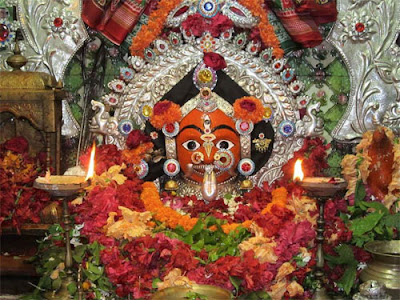
Budhi Thakurani Temple
Maa Budhi Thakurani Temple in Berhampur, Odisha is a revered Shakti Peetha where the fierce goddess form of Kali/Durga is worshipped through a silver mask rather than a traditio…