Koteshwar Mahadev
About Koteshwar Mahadev
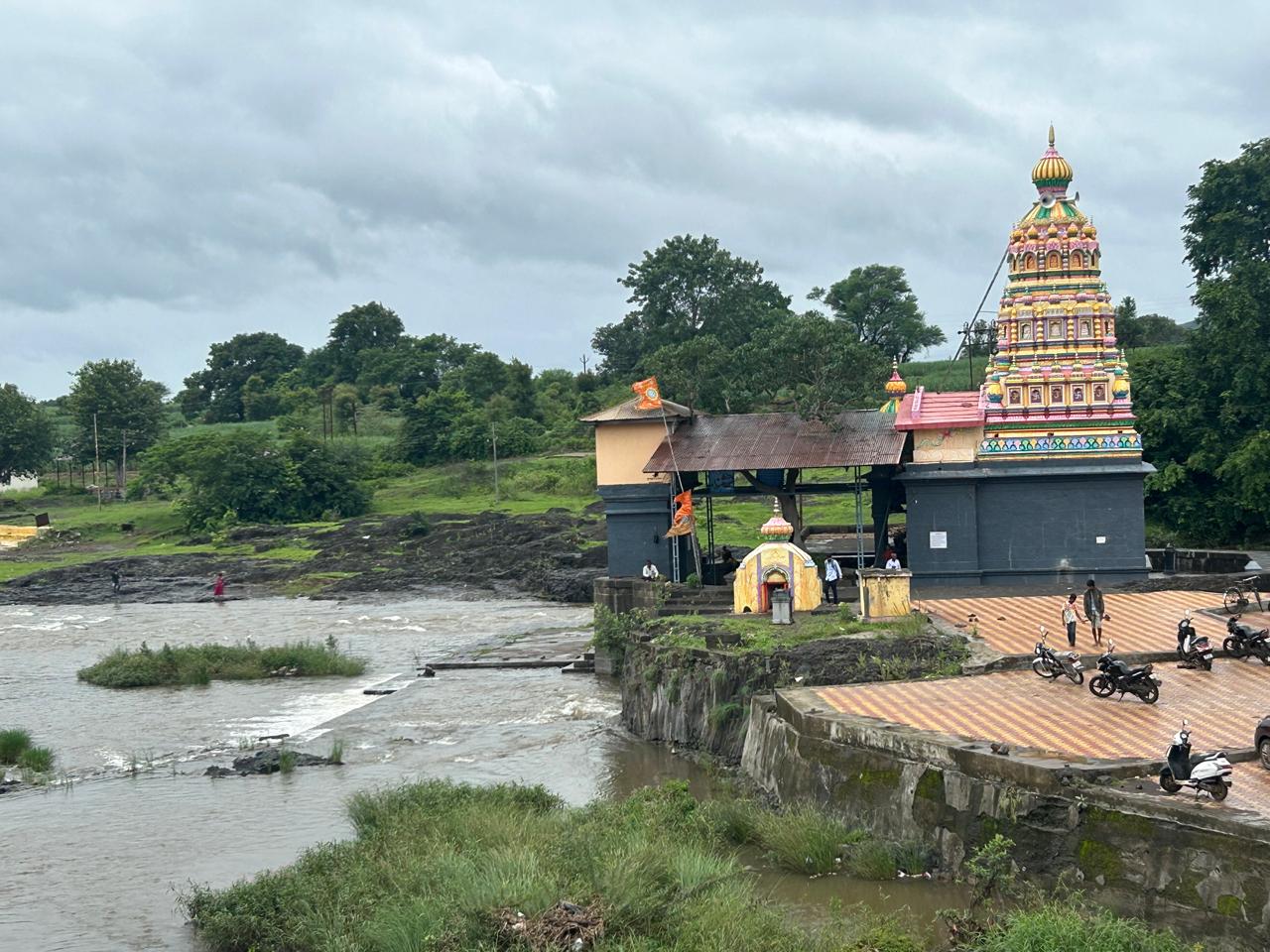
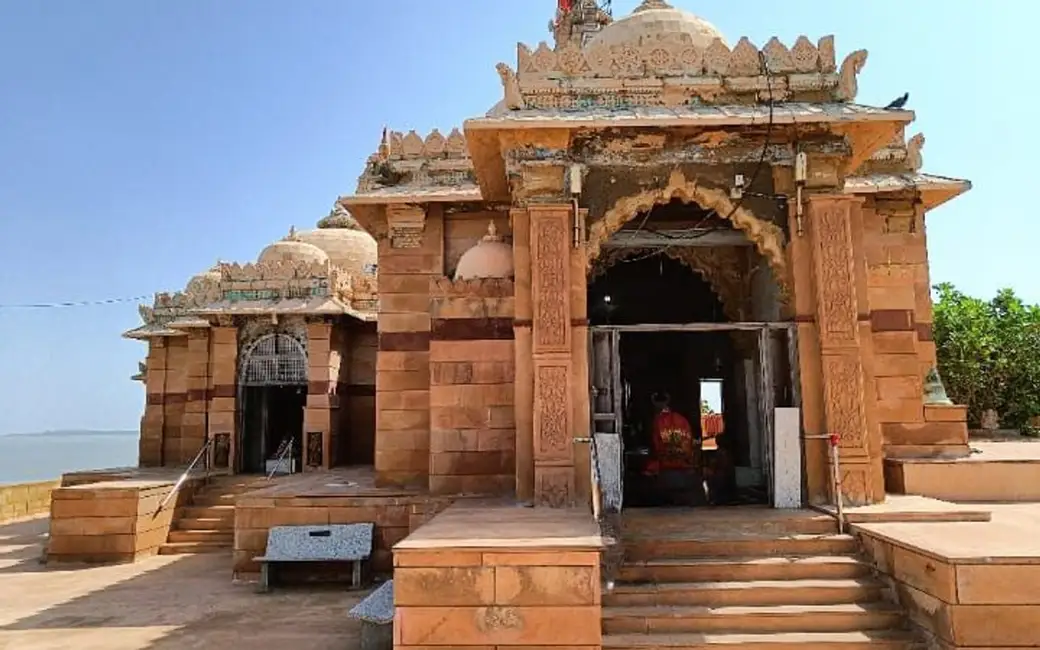
The temple was established in 1820, though local tradition holds deeper roots in the landscape. According to legend preserved in the temple's lore, Lord Shiva meditated at this location during his journey toward Kedarnath. Another account connects the site to Ravana, the figure from the Ramayana, who is said to have received a spiritually powerful Shiva linga as a boon from Lord Shiva. The linga, according to this narrative, was accidentally dropped by Ravana and fell to earth at Koteshwar, establishing the sacred ground where the temple now stands. These layered traditions—whether understood as historical memory or spiritual metaphor—have made Koteshwar a destination for pilgrims seeking connection with Shiva's presence.
Daily Worship and Darshan
The temple opens for darshan twice daily. Morning hours run from 6:00 AM to 1:00 PM, while evening access extends from 4:00 PM to 8:30 PM. On special festival days, evening hours are extended to 9:00 PM, allowing additional time for worship. The temple observes two daily aartis—the Morning Sandhya Aarti and the Evening Sandhya Aarti—which mark the principal moments of ritual worship. These aartis follow the traditional pattern of Shiva temples, where the deity is honoured through fire, light, and chanted prayers. Visiting during the evening aarti is considered particularly auspicious, as the ritual creates a focused atmosphere for devotion.
Festivals and Sacred Observances
The temple calendar includes several significant festivals. Mahashivaratri, the night dedicated to Lord Shiva, draws devotees for extended worship. Shravani Somwar—the Mondays falling in the lunar month of Shravan—are observed with special reverence, as this period is traditionally associated with Shiva worship across Hindu practice. Tripura Pournima, the full moon in the month of Kartik, and Dashahaar Samapti also feature in the temple's annual cycle. These festivals typically see increased footfall and extended darshan hours, though specific dates vary according to the lunar calendar each year.
Planning Your Visit
The winter months from November through February offer the most comfortable climate for visiting this coastal location. The Arabian Sea and creek proximity mean temperatures are milder than inland areas, but the season still provides pleasant conditions for pilgrimage. Visitors should plan to arrive during the posted darshan hours and allow time for the aarti if possible, as this is when the temple's spiritual atmosphere is most concentrated. Modest dress is customary at Hindu temples; loose, covered clothing that respects the sacred space is appropriate. The temple is situated near Narayan Sarovar, which can serve as a reference point for navigation and may offer additional spiritual significance for those visiting multiple sacred sites in the region.
Reaching Koteshwar
The temple is located in Koteshwar village, Kutch district, approximately 13 kilometres from Satara town (though sources indicate some geographic variation in descriptions). The precise coordinates are 30.28°N, 78.98°E. Kutch is accessible by road from major cities in Gujarat, and the temple's position near Narayan Sarovar places it within a pilgrimage circuit that includes other sacred sites in the region. Visitors should confirm current road conditions and transport options before travelling, as the coastal location in Kutch may involve specific seasonal considerations. Local enquiries about darshan arrangements and any temporary schedule changes are advisable, particularly during festival periods.
How to reach
Temples near Koteshwar Mahadev
Hariyali Devi Temple
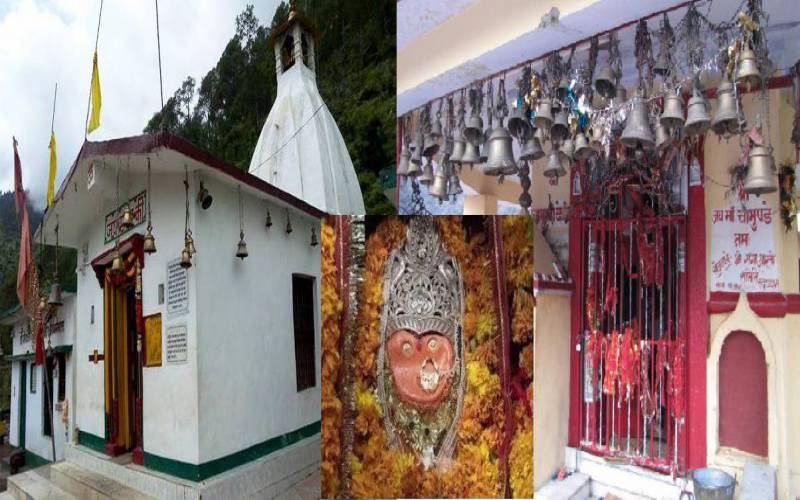
Hariyali Devi Temple is a revered Shakti Peetha in Rudraprayag, Uttarakhand, believed to be the site where the hand of Goddess Mahamaya fell according to Hindu mythology. The hi…
Dhari Devi
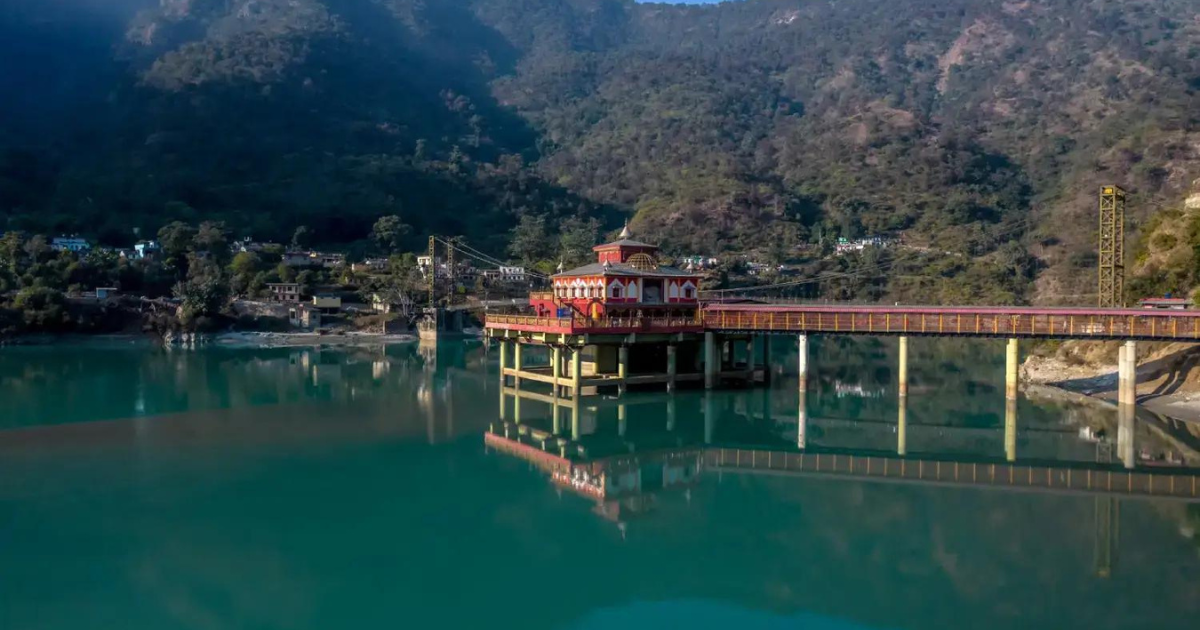
Dhari Devi Temple is a riverside goddess shrine dedicated to Maa Kali, situated on a rock in the Mandakini River near Srinagar in Uttarakhand. Revered as the guardian deity of t…
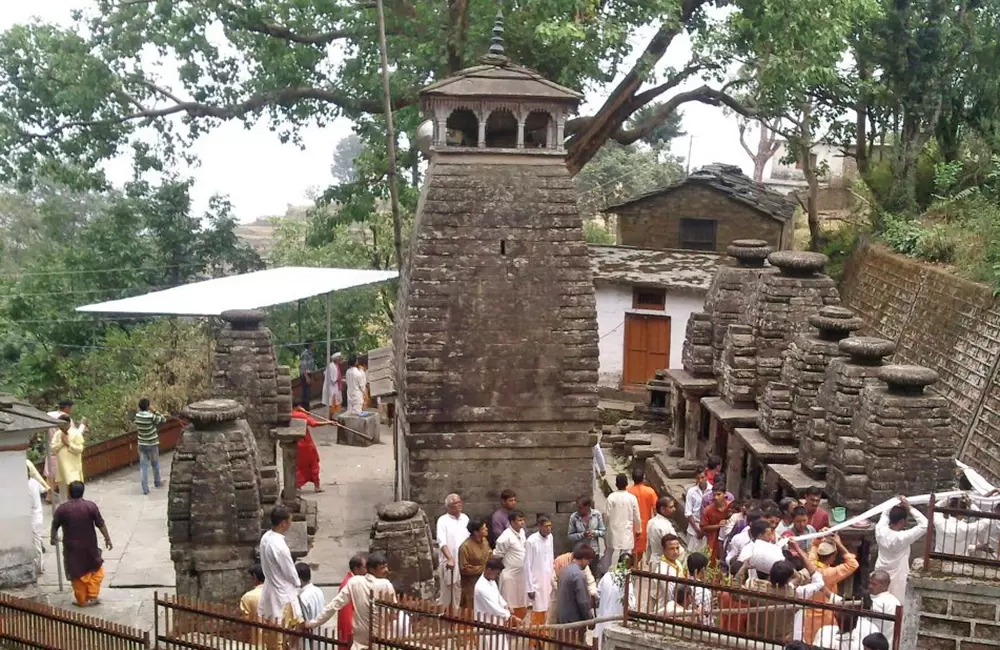
Basukedar Group of Temples, Uttarakhand
Basukedar Temple is an ancient stone-carved shrine dedicated to Lord Shiva in the Kedar form, located in Rudraprayag district. According to mythology, Lord Shiva rested here, gi…
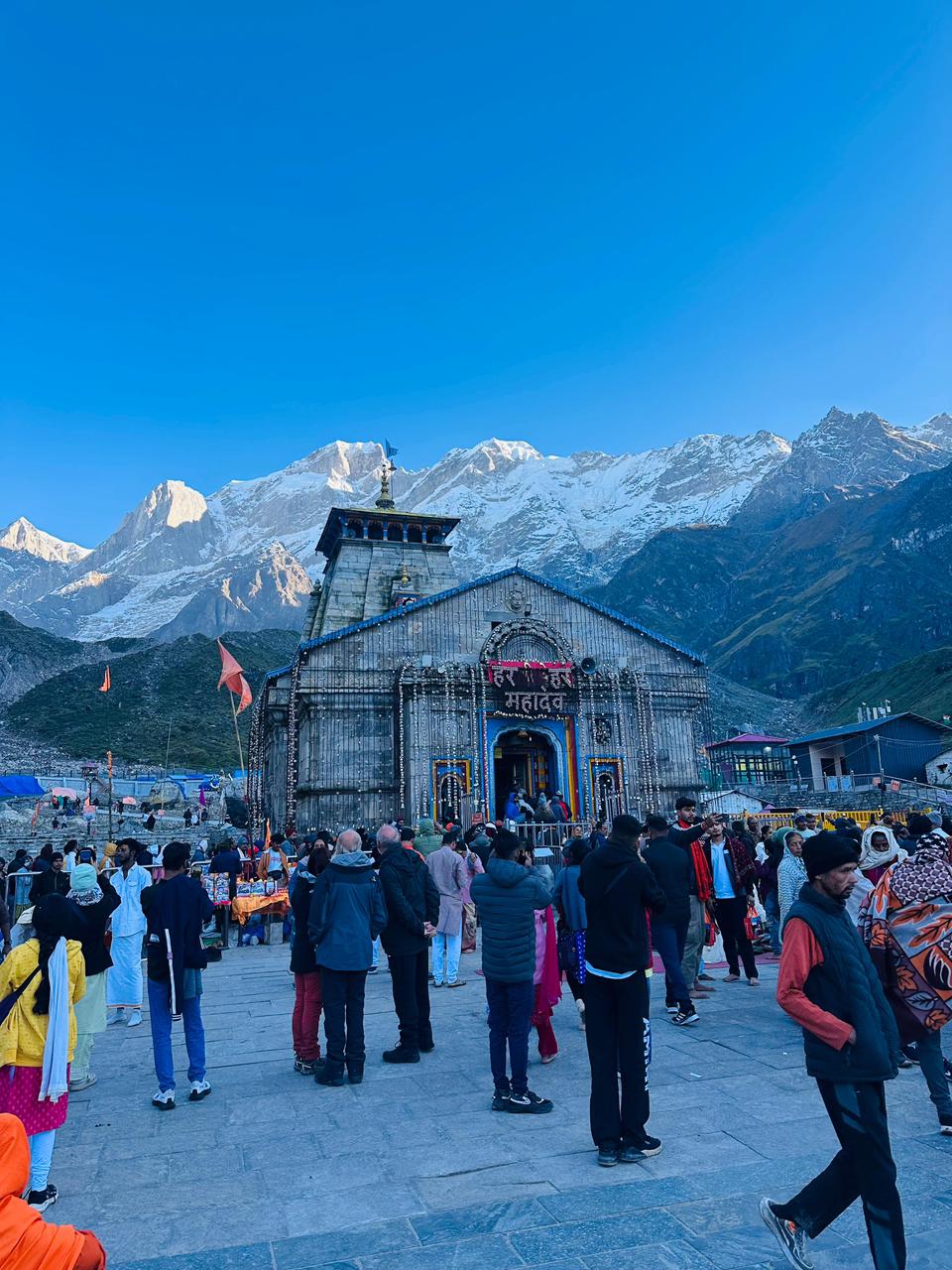
Tungnath temple
Tungnath is the world's highest Shiva temple, located in the Garhwal Himalayas at Chopta, Uttarakhand. It is one of the five sacred Panch Kedar shrines and requires a mountain t…

Binsar Devta
Binsar Mahadev, also known as Bindeshwar Mahadev, is an ancient Shiva temple nestled in deodar forests at 2,480 meters altitude in Uttarakhand's Pauri Garhwal district, revered…
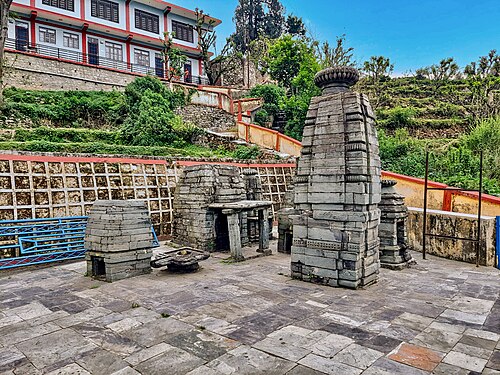
Vaitarani Kund and Temples, Gopeshwar
The Vaitarani Kund and Temples in Gopeshwar is a pre-12th century Hindu pilgrim site featuring a sacred water tank and group of temples, likely constructed by the Katyuri dynast…