Hariyali Devi Temple
About Hariyali Devi Temple
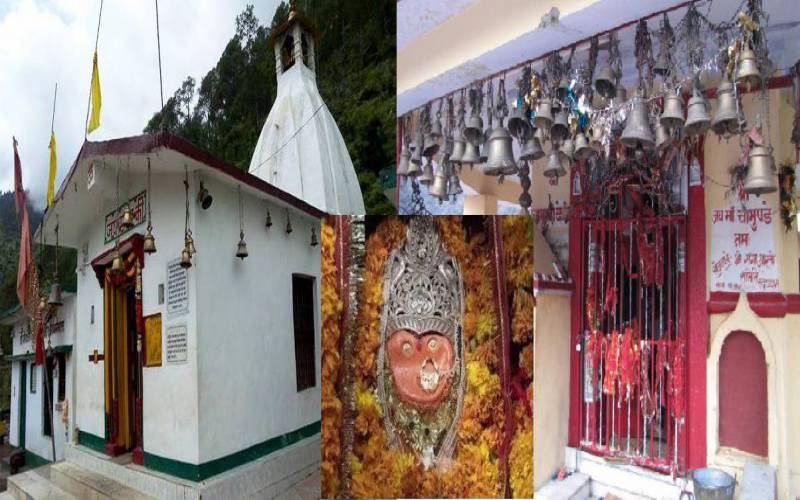
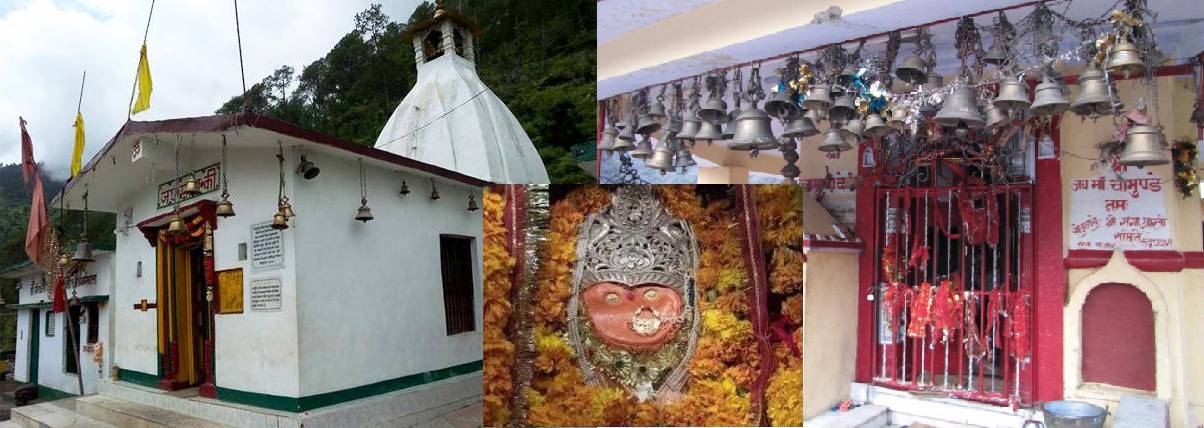
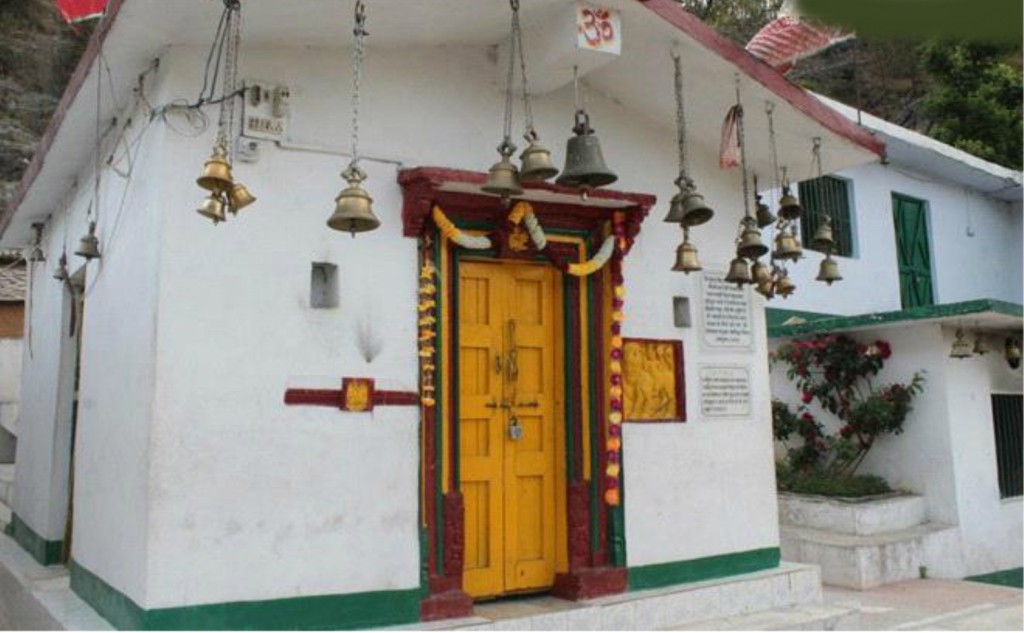
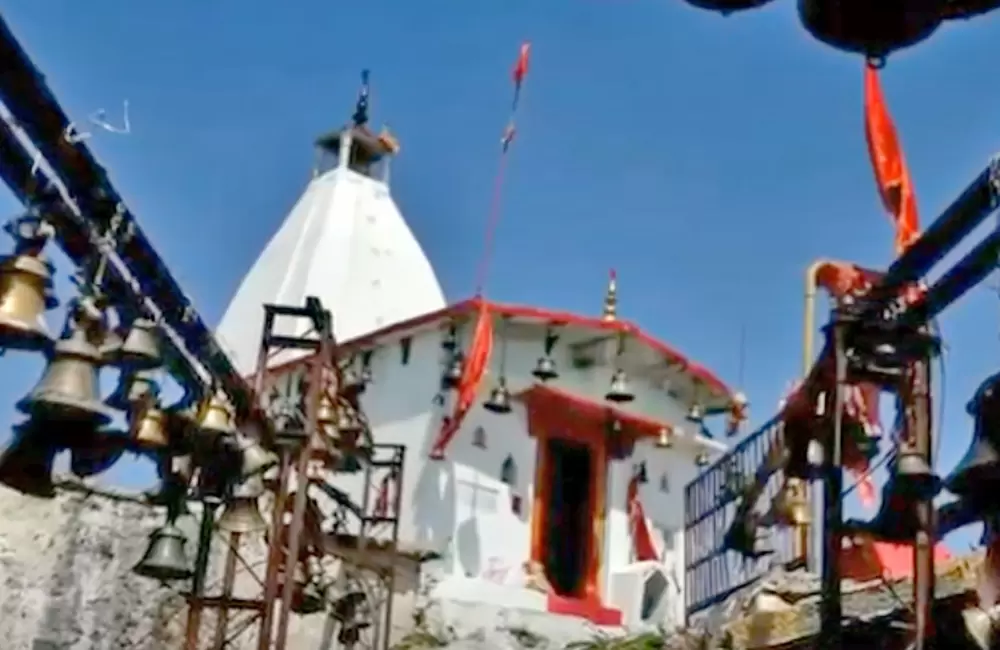
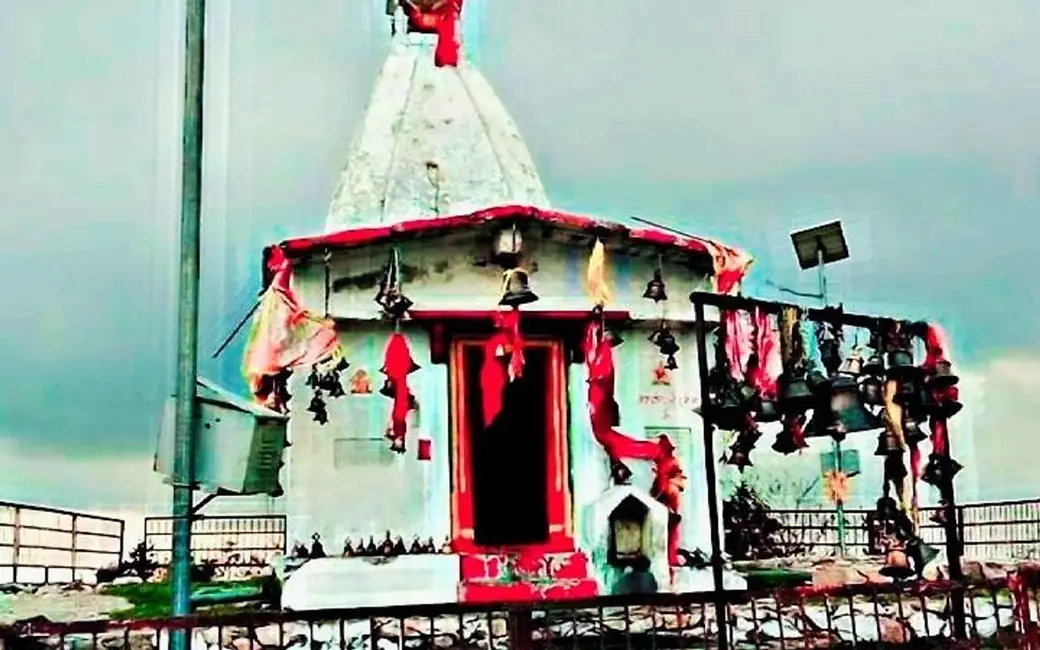
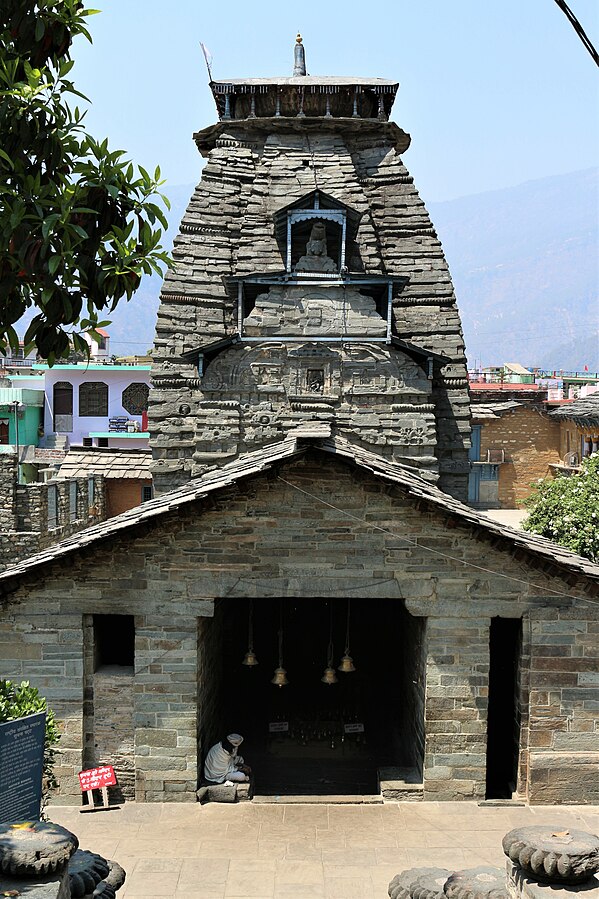
Within the temple complex, three principal idols are housed: Hariyali Devi, Heet Devi, and Kshtrapal Devi. The main goddess is depicted with her vehicle, the lion, a traditional iconographic element in Shakti worship. The temple's architecture reflects the modest, functional style typical of Himalayan hill shrines, with the structure oriented to serve the daily worship needs of devotees rather than elaborate ornamentation.
The exact age and architectural period of the temple remain uncertain, though its recognition as a sacred site extends back through generations of local devotion and pilgrimage practice.
Daily Worship and Darshan
The temple opens at 6:00 AM and closes at 7:00 PM daily, with seasonal closures during the core winter months when mountain access becomes difficult. Darshan—the viewing of the deity—is freely available to all visitors throughout these hours. Daily aartis and traditional rituals are conducted in Sanskrit and Hindi, allowing devotees to participate in the rhythms of worship that structure the temple's spiritual life.
Modest dress is expected: men should wear traditional or conservative clothing such as kurta-pajama or full-length trousers and shirts, while women are encouraged to wear sarees, salwar kameez, or full suits. Western or revealing clothing is discouraged. Photography is prohibited within the sanctum but permitted in outer areas and the surrounding landscape, except during active prayers or aartis.
Festivals and Celebrations
The temple observes major Hindu festivals with particular reverence. Krishna Janmashtami (falling in August or Bhadrapada), Diwali (October-November or Kartik), and Navratri or Durga Puja (September-October or Chaitra) are celebrated with community participation. During these festivals, community bhandara—free meals—are organized for pilgrims. Simple prasad including dry fruits, sweets, and mishri is distributed to devotees, though daily food offerings are not a regular feature of the temple's operations.
A notable annual practice involves carrying the goddess's idol seven kilometers to Hariyali Kantha during auspicious occasions, a procession that draws considerable devotional participation from the surrounding communities.
Planning Your Visit
The best time to visit is between 8:00 AM and 12:00 PM, during the months of November through May when weather conditions are most favorable. This period encompasses both the winter months (November-February) and the summer season (March-May), avoiding the core winter closure and the challenging conditions of the monsoon season.
Reaching the temple requires travel to Rudraprayag district in Uttarakhand. The nearest major transport hubs are Rishikesh (182 km away) and Haridwar Junction (209 km away), both accessible by train and road. Jolly Grant Airport near Dehradun is approximately 199 km distant. From Rishikesh, the route follows NH 7 toward Rudraprayag, then continues toward Nagrasu with a diversion to Jasoli village. The final approach involves trekking along local walking tracks through the hills, offering mountain views but requiring reasonable fitness.
Facilities and Practical Considerations
Accommodation is available in Rudraprayag town and the nearby area of Tilwara, with options ranging from comfortable hotels and resorts to homestays. Basic rural homestays can also be found in neighboring hill villages. Parking at the temple is limited, particularly during major festivals, so visitors should expect to park at a distance and complete the final ascent on foot. The steep terrain makes the route inaccessible for those with mobility challenges.
The temple has no wheelchair access due to its hilltop location and the nature of the approach. Visitors should come prepared for a trek and bring adequate water and sun protection. The peaceful mountain setting and the spiritual focus of the shrine mean that facilities are modest and oriented toward pilgrimage rather than tourism infrastructure.
How to reach
Temples near Hariyali Devi Temple
Koteshwar Mahadev
Koteshwar Mahadev Temple is an ancient seaside shrine dedicated to Lord Shiva, situated near Narayan Sarovar in Kutch, Gujarat, overlooking the Arabian Sea. Built in 1820 CE, it…
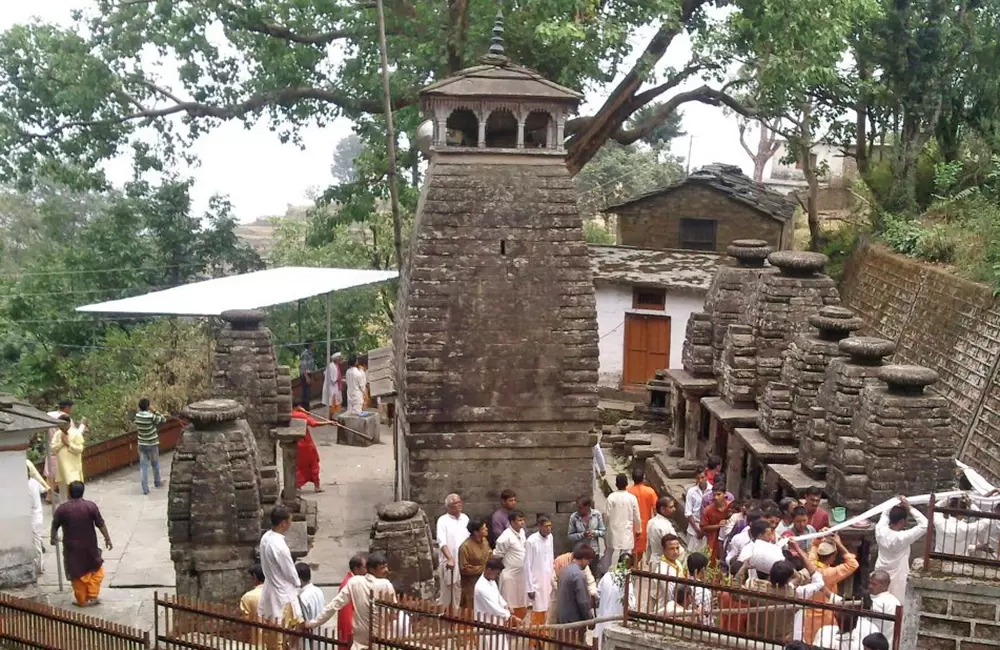
Basukedar Group of Temples, Uttarakhand
Basukedar Temple is an ancient stone-carved shrine dedicated to Lord Shiva in the Kedar form, located in Rudraprayag district. According to mythology, Lord Shiva rested here, gi…
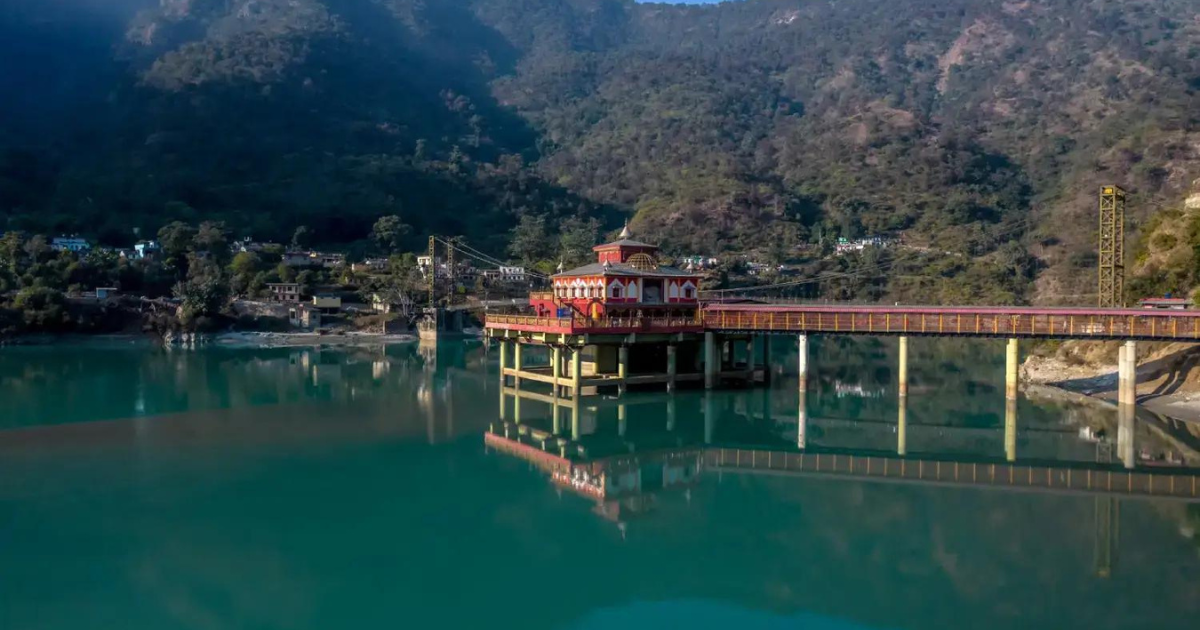
Dhari Devi
Dhari Devi Temple is a riverside goddess shrine dedicated to Maa Kali, situated on a rock in the Mandakini River near Srinagar in Uttarakhand. Revered as the guardian deity of t…
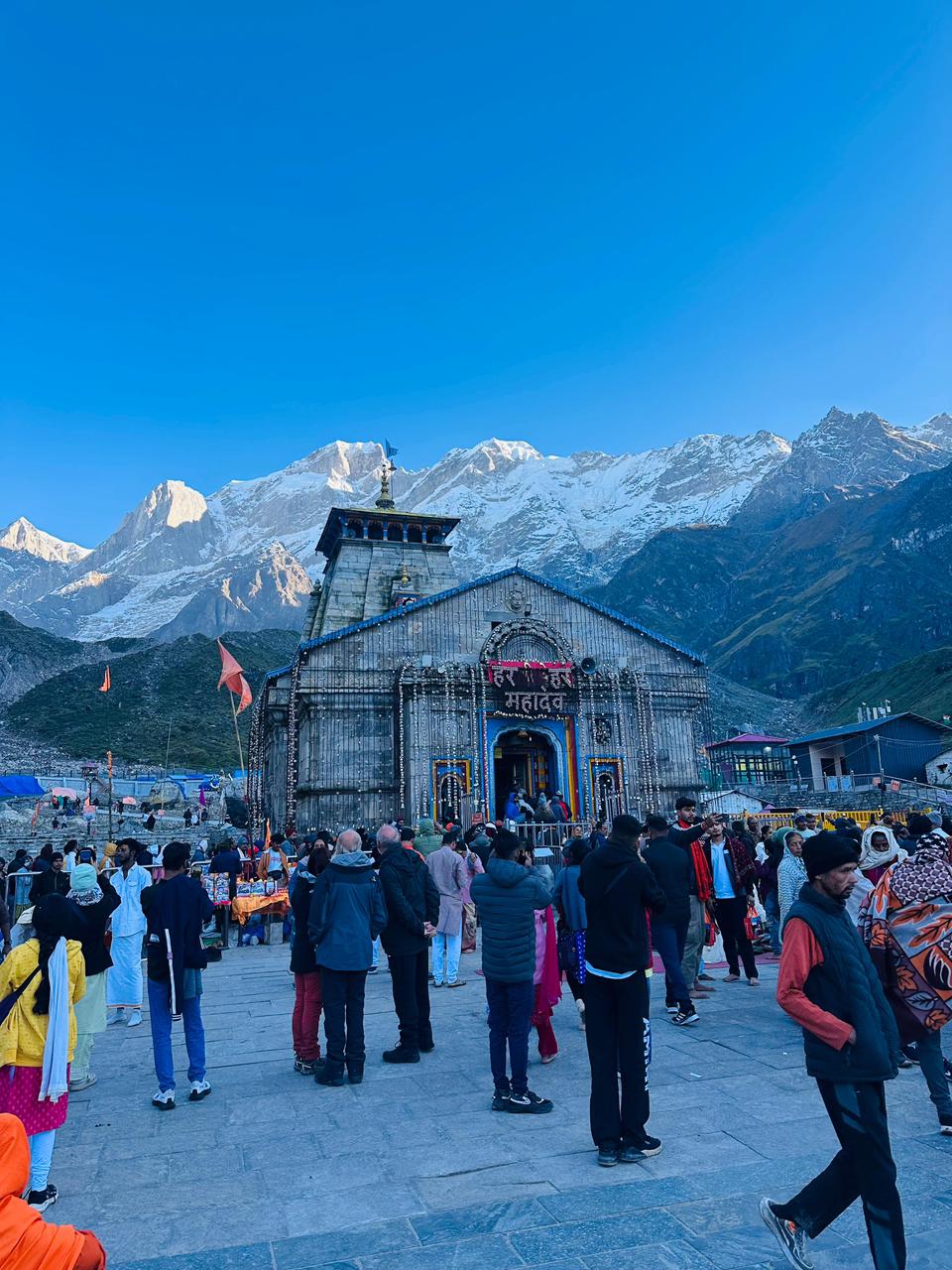
Tungnath temple
Tungnath is the world's highest Shiva temple, located in the Garhwal Himalayas at Chopta, Uttarakhand. It is one of the five sacred Panch Kedar shrines and requires a mountain t…
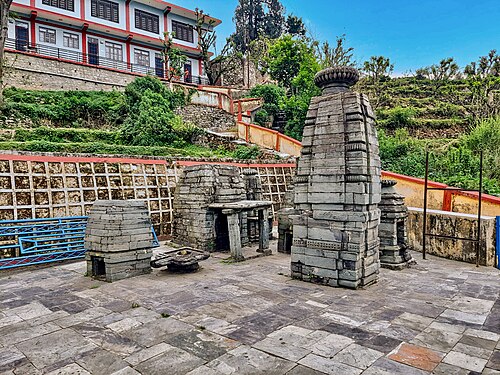
Vaitarani Kund and Temples, Gopeshwar
The Vaitarani Kund and Temples in Gopeshwar is a pre-12th century Hindu pilgrim site featuring a sacred water tank and group of temples, likely constructed by the Katyuri dynast…
Gopinath Temple, Gopeshwar Uttarakhand
Gopinath Temple in Gopeshwar is an ancient shrine dedicated to Lord Shiva, distinguished by its architectural excellence featuring a magnificent dome and a 30 square foot sanctu…