Vaitarani Kund and Temples, Gopeshwar
About Vaitarani Kund and Temples, Gopeshwar
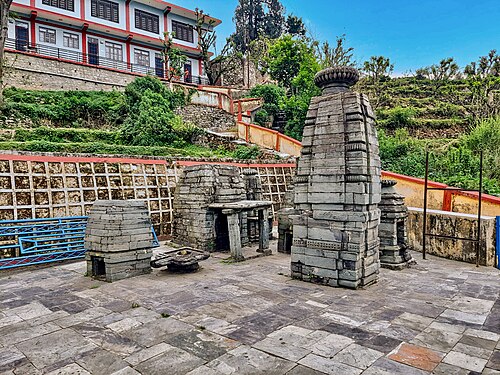
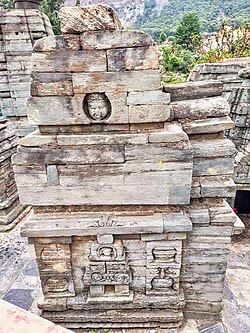
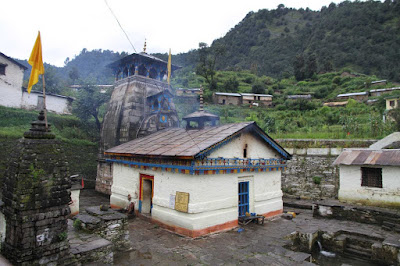
The temples and tank date to the pre-12th century, placing them among the older Hindu monuments in the central Himalayas. Historical evidence suggests that the Katyuri dynasty, a ruling power in the region during this era, likely commissioned or patronized the construction of this complex. The Katyuri period represents a significant phase in Himalayan temple architecture and religious patronage, and the Vaitarani site stands as a surviving example of their architectural legacy.
The precise circumstances of the site's founding remain undocumented in available sources, but its pre-12th century establishment indicates deep historical roots within the Garhwal religious tradition. The survival of these structures across centuries testifies to their construction quality and the enduring reverence in which they have been held.
The Temple Complex and Its Layout
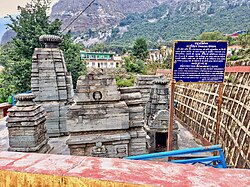
The site comprises multiple temples arranged around the central water tank, though detailed architectural descriptions of individual shrines are not available from current sources. The hillside setting would have required careful planning to accommodate both the tank and the temple structures within the sloping terrain. This arrangement reflects common Himalayan temple design, where natural topography shapes the spatial organization of sacred spaces.
Visitors approaching the complex would encounter the temples and tank as an integrated whole rather than as isolated structures. The relationship between the water body and the shrines suggests that ritual practice at this site involves both bathing in the kund and worship at the temples—a pattern typical of major pilgrimage centers in the Hindu tradition.
Visiting the Site
The Vaitarani Kund and Temples remain accessible to pilgrims and visitors year-round, though mountain weather in Uttarakhand can affect accessibility during winter months. The site's location in Gopeshwar places it within the broader Garhwal pilgrimage circuit, and visitors often combine a visit here with other nearby temples in the region.
Appropriate dress for temple visits typically includes modest clothing that covers shoulders and knees. Footwear is generally removed before entering temple sanctums. Visitors should be prepared for the hillside terrain and may find the walk from the main Gopeshwar area requires some physical exertion. As with most Hindu temples, photography policies may restrict image-taking in certain areas; it is respectful to ask before photographing.
Reaching Gopeshwar
Gopeshwar lies in the Chamoli district of Garhwal, accessible by road from major towns in the region. The nearest significant city is Rishikesh, approximately 150 kilometers away. Local buses and private vehicles serve the Gopeshwar area, and the town functions as a base for visitors exploring multiple temples and pilgrimage sites in Chamoli district. Accommodation options exist in Gopeshwar itself, ranging from basic lodges to more developed guesthouses.
The site's coordinates (30.415972°N, 79.314083°E) can assist those using GPS navigation. Visitors should allow time for the walk from central Gopeshwar to the temple complex on the hillside, and should plan visits during daylight hours given the terrain.
A Living Pilgrimage Center
The Vaitarani Kund and Temples remain an active place of worship rather than a purely historical monument. Local devotees continue to visit for ritual bathing and prayer, particularly during auspicious times in the Hindu calendar. The site's designation as a State Protected Monument reflects both its archaeological importance and its ongoing religious significance to the community.
For those exploring the Garhwal region's rich temple heritage, this pre-12th century complex offers insight into both the architectural traditions and the spiritual geography of the central Himalayas. The combination of sacred water and temple structures creates a setting aligned with fundamental patterns of Hindu pilgrimage practice.
How to reach
Temples near Vaitarani Kund and Temples, Gopeshwar
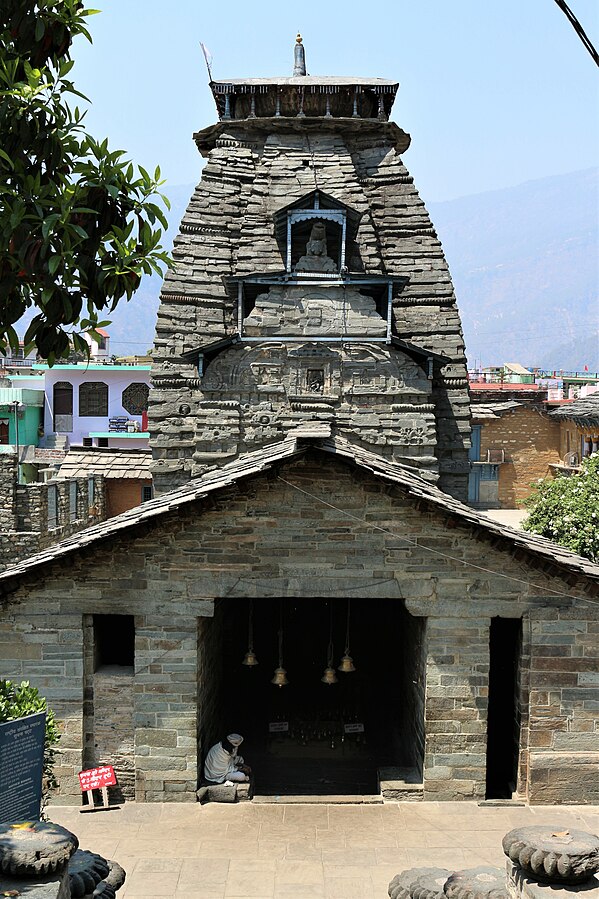
Gopinath Temple, Gopeshwar Uttarakhand
Gopinath Temple in Gopeshwar is an ancient shrine dedicated to Lord Shiva, distinguished by its architectural excellence featuring a magnificent dome and a 30 square foot sanctu…
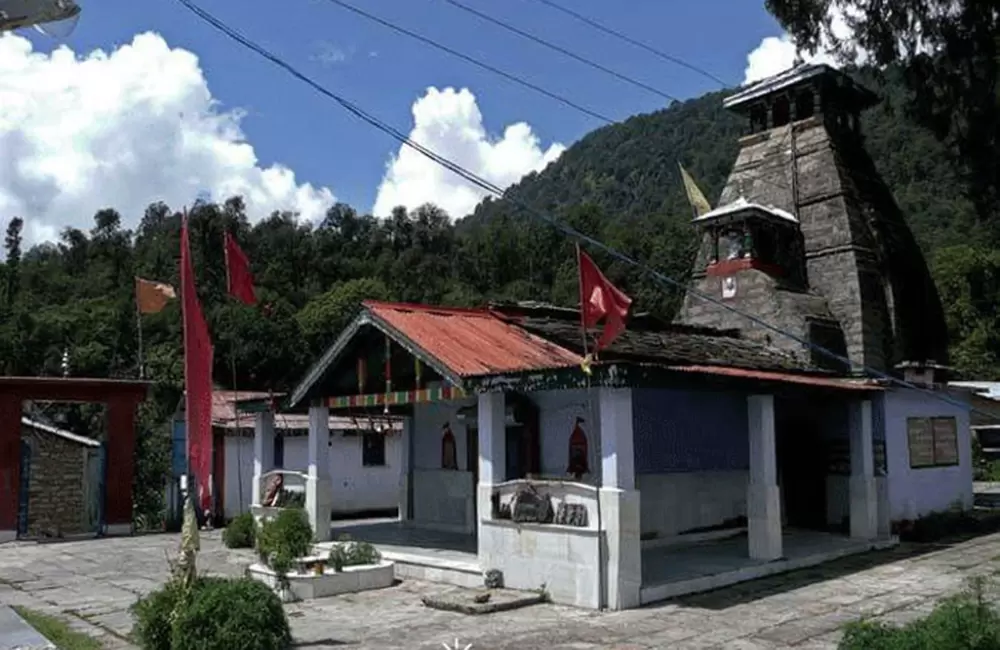
Anusuya Devi Temple
Anusuya Devi Temple in Chamoli, Uttarakhand is a sacred Hindu pilgrimage site dedicated to the goddess Anusuya, revered as a center of spiritual devotion and religious faith.
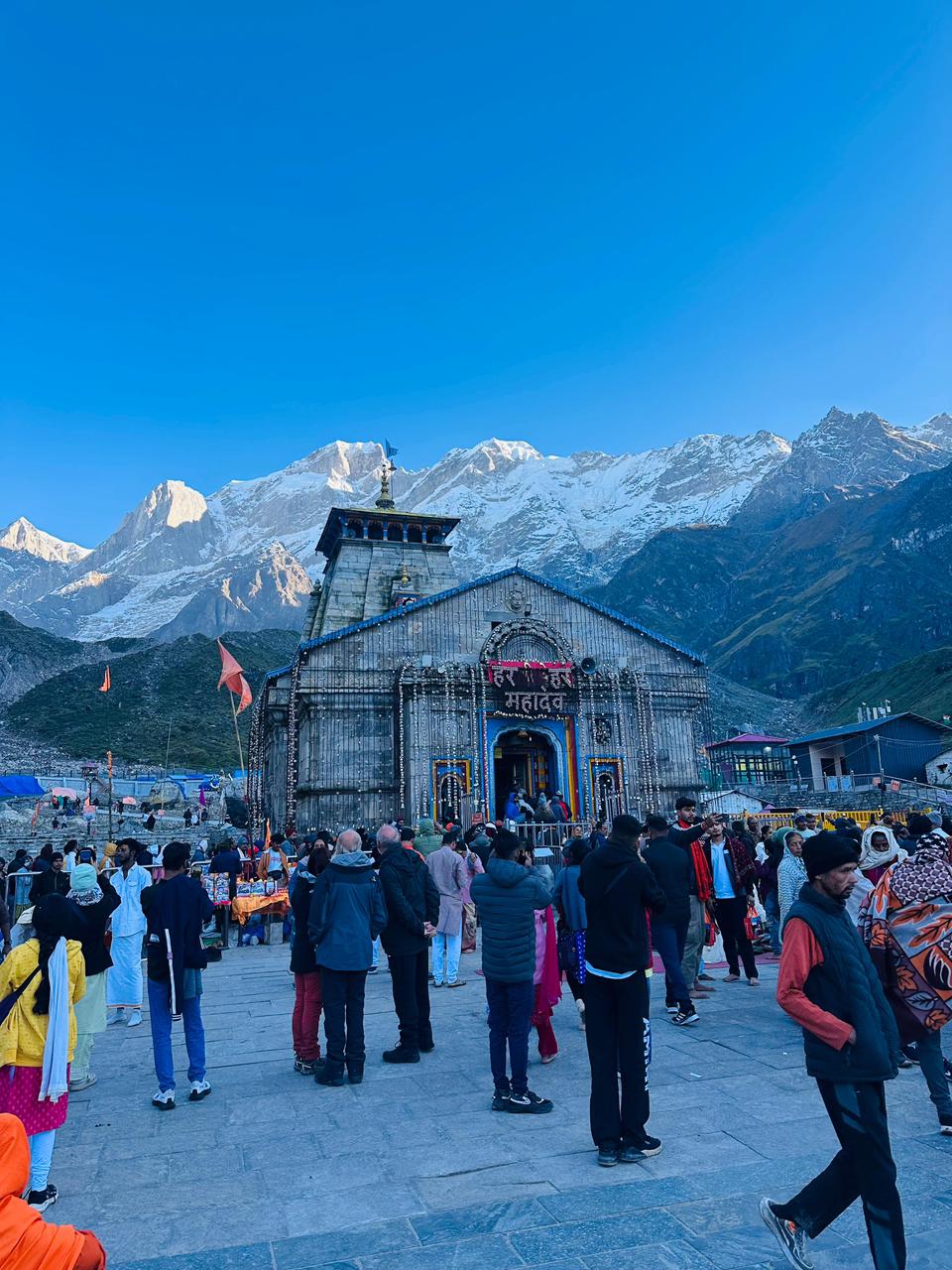
Tungnath temple
Tungnath is the world's highest Shiva temple, located in the Garhwal Himalayas at Chopta, Uttarakhand. It is one of the five sacred Panch Kedar shrines and requires a mountain t…
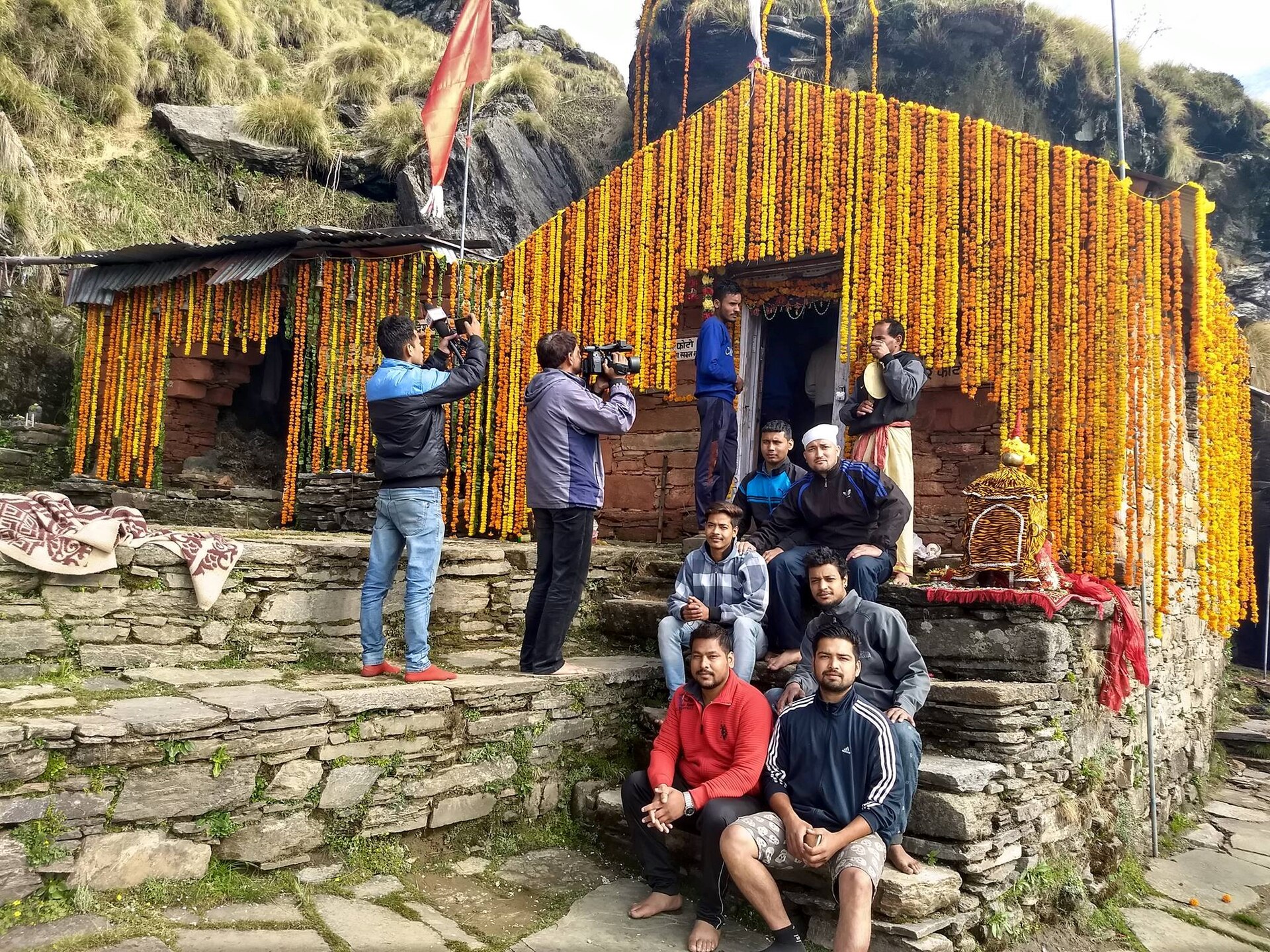
Rudranath
Rudranath Temple is one of the five sacred Panch Kedar shrines in the Garhwal Himalayas, where devotees worship the face (mukh) of Lord Shiva. Situated in alpine meadows amid ch…
Kalpeshwar Temple, Uttarakhand
Kalpeshwar Temple is a sacred cave shrine dedicated to Lord Shiva located in Urgam Valley within the Chamoli district of Uttarakhand. It is the only Panch Kedar temple open year…
Kalpeshwar
Kalpeshwar Mahadev Temple in Uttarakhand's Urgam Valley enshrines Lord Shiva's matted locks and stands as the only Panch Kedar shrine accessible year-round.