
Kalayat Ancient Bricks Temple Complex
About Kalayat Ancient Bricks Temple Complex
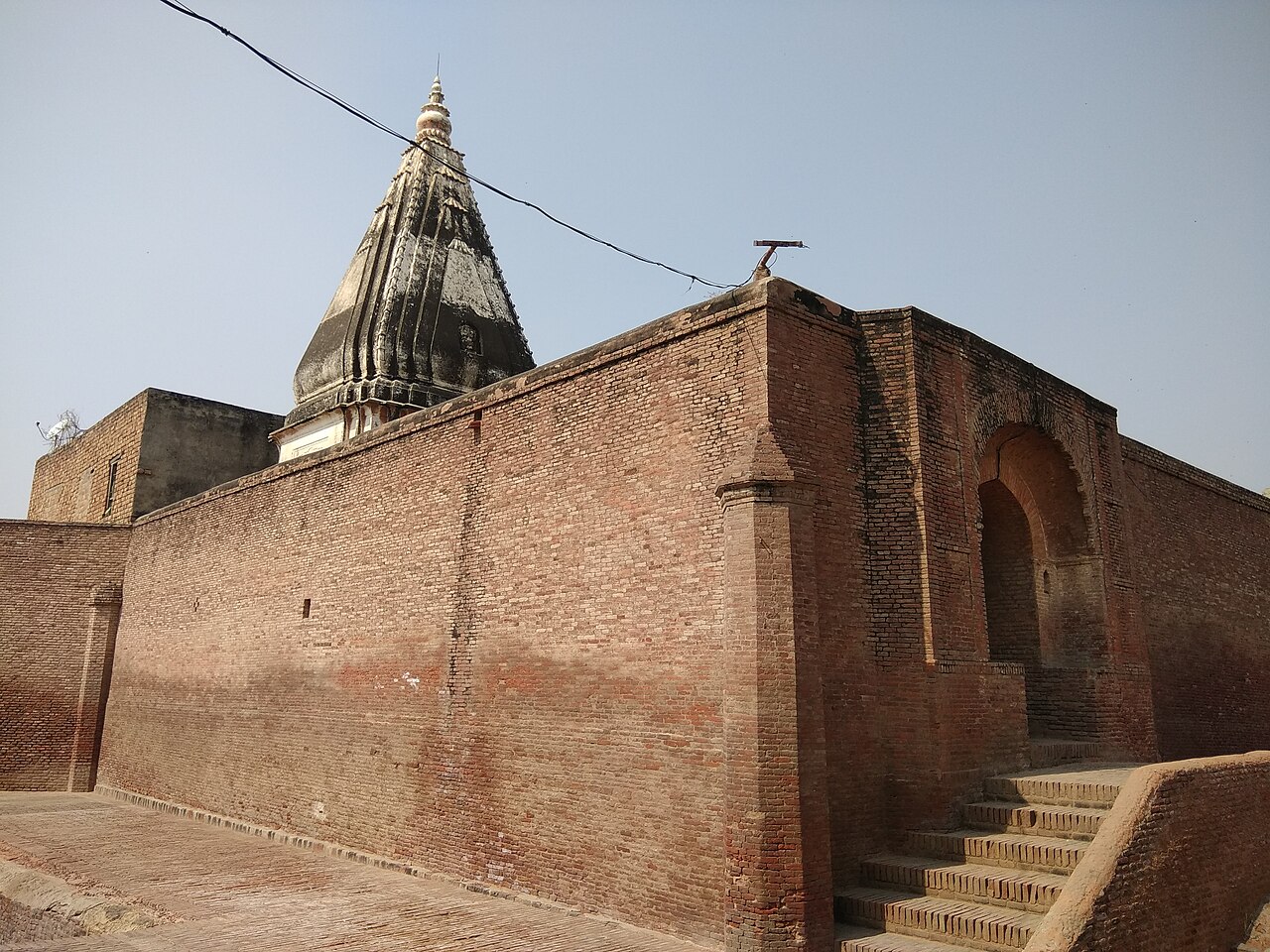
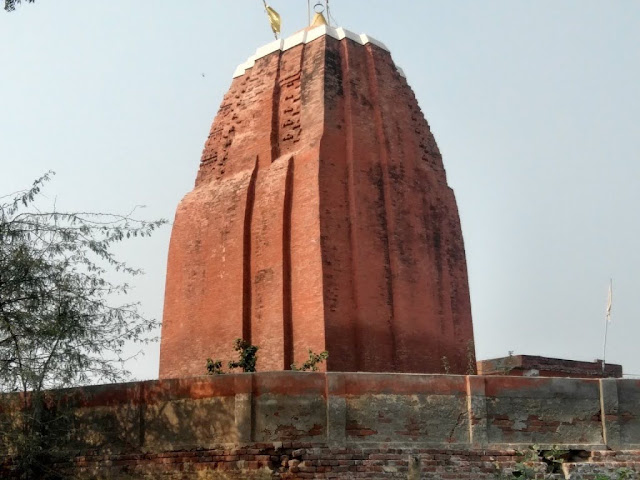
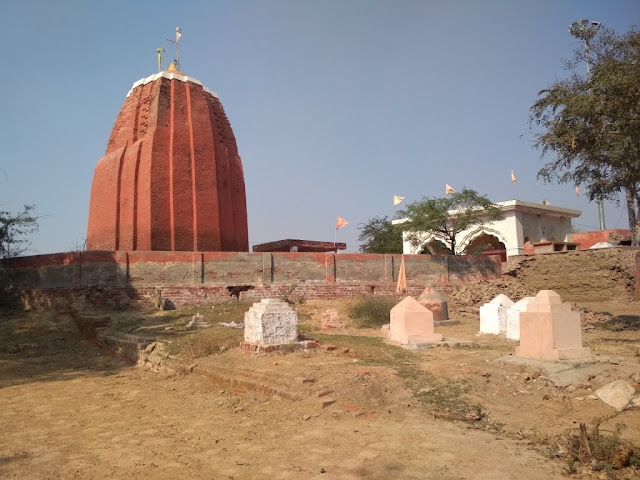
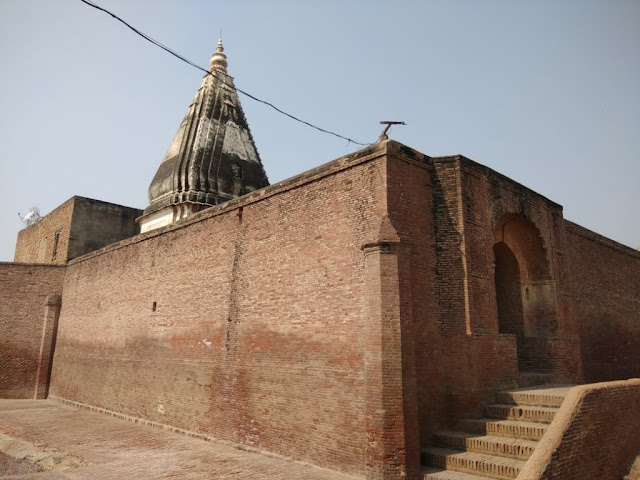
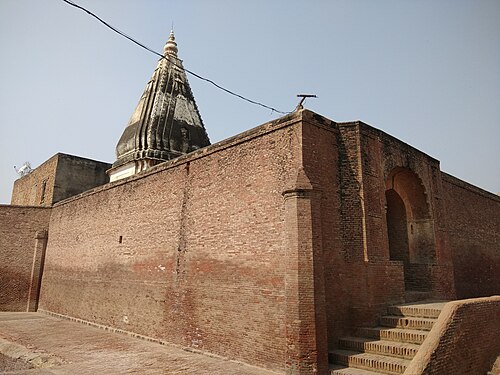
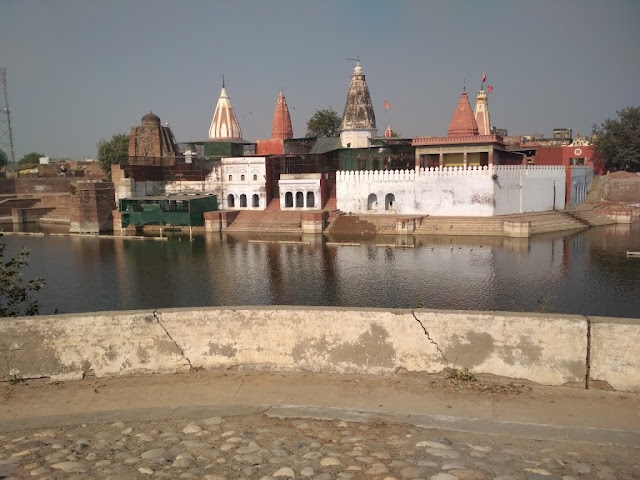
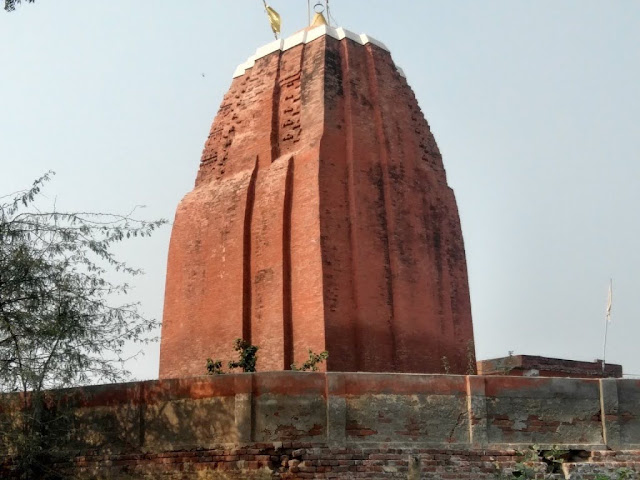
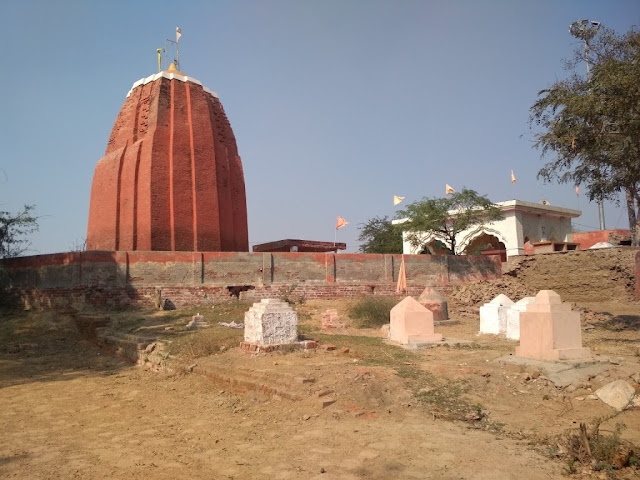
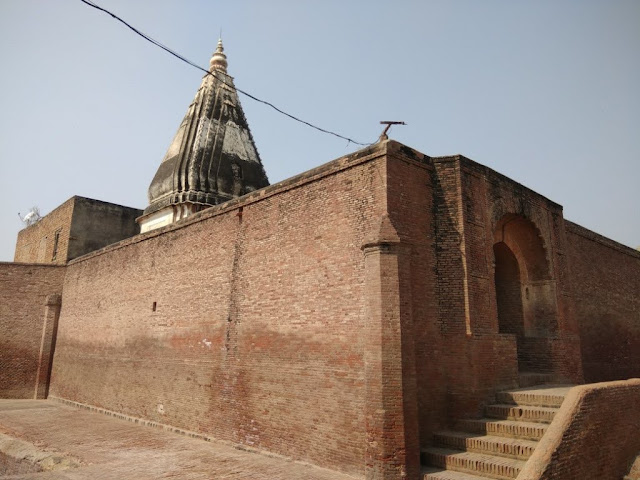
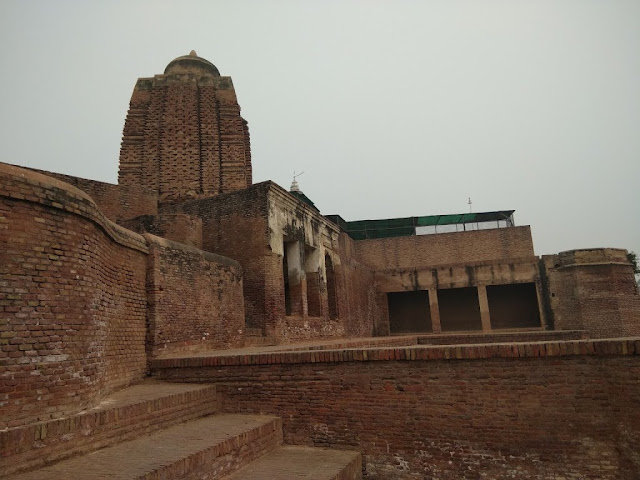
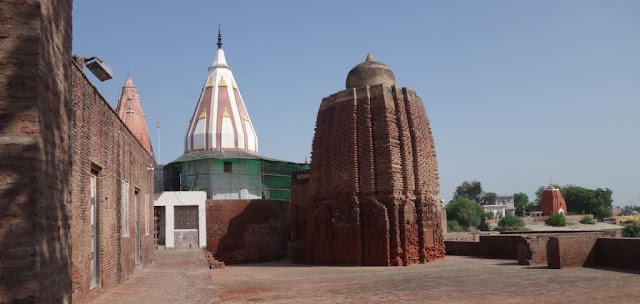
The complex originally comprised five brick temples constructed in the Gurjara-Pratihara architectural style, a regional tradition that flourished across North India during this period. Only two temples have survived to the present day. One remains in relatively better condition, while the other has undergone extensive modifications over the centuries. These surviving structures represent among the finest examples of pre-Muslim era North Indian temple construction in the region, making them valuable records of brick-building techniques and religious design from this era.
The site's ancient name was Kapilayat or Kapilayatna, derived from the sage Kapila, the preacher of Sankhya philosophy. This etymological connection suggests the location held philosophical and spiritual significance long before the temples were constructed. According to tradition, King Salivahana, a ruler of Kaithal, sought relief from a curse at this sacred place and, upon finding it, commissioned the construction of the five brick temples in gratitude for his deliverance.
The Sacred Water Tank and Ritual Life
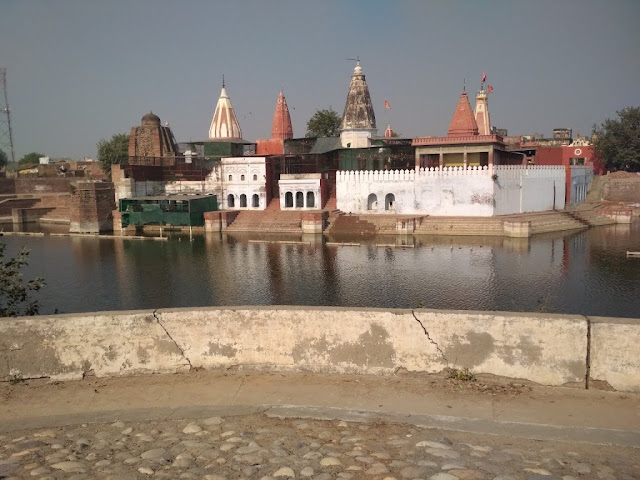
Within the temple complex stands the Kapilayatna Tirtha, a sacred water tank that remains an active element of worship and ritual practice. In Shiva temples, water sources hold particular sanctity, and this tank serves both as a historical feature of the complex and as a continuing focus of devotional attention for visitors and worshippers. The presence of such a tirtha adds to the spiritual significance of the site for pilgrims undertaking their sacred journeys.
Planning Your Visit
The temple complex is best visited during the winter months, from November through February, when the climate is most comfortable for exploration. The site is located approximately 1 kilometre from Kalayat Bus Stand and 3 kilometres from Kalayat Railway Station, positioned on the Narwana to Kaithal route. For those traveling from surrounding towns, the complex lies roughly 25 kilometres from Kaithal, 76 kilometres from Kurukshetra, 153 kilometres from Chandigarh, and approximately 196 kilometres from New Delhi Airport.
As an ASI-protected archaeological site functioning simultaneously as a place of active worship, visitors should approach the complex with appropriate respect for both its historical structures and its devotional character. Modest dress is advisable; temples of the Shiva tradition typically expect visitors to remove footwear before entering the sanctum areas. The fragile nature of the brick structures means that visitors should exercise care while moving through the complex and follow any guidance provided by site authorities regarding access to particular areas.
Getting There
The temple is situated on the Narwana to Kaithal route, making it accessible by road from several directions. Those traveling by rail can arrive at Kalayat Railway Station, from which the complex is a 3-kilometre journey. The site is also reachable from Kaithal town (25 km away) and from larger regional centers including Kurukshetra (76 km) and Chandigarh (153 km). For those arriving from Delhi, the journey is approximately 196 kilometres from the airport.
How to reach
Temples near Kalayat Ancient Bricks Temple Complex
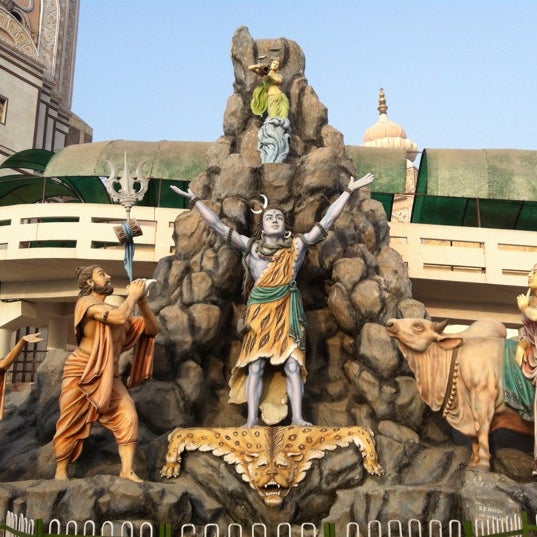
Agroha Dham
Agroha Dham is a Hindu temple complex in Hisar, Haryana, dedicated to the goddess Mahalakshmi. Constructed between 1976 and 1984, it stands adjacent to the historic Agroha Mound.

Bhuteshwar Temple
Bhuteshwar Temple in Jind, Haryana is a Shiva shrine built by Raghbir Singh, distinguished by its large surrounding water tank called Rani Talab and its position within the 48 k…

Kartikeya Temple, Pehowa
Kartikeya Temple in Pehowa, Haryana is one of North India's oldest shrines dedicated to Lord Kartikeya, distinguished by its unique oil anointing ritual of the sacred Kartikeya…
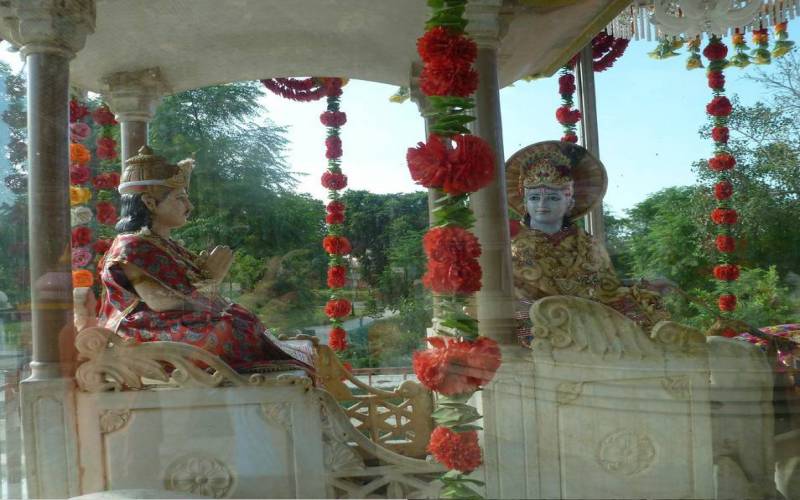
Jyotisar
Jyotisar, also known as Gita Updesh Sthal, is the sacred site in Kurukshetra where Lord Krishna is believed to have delivered the Bhagavad Gita to Arjuna on the battlefield.
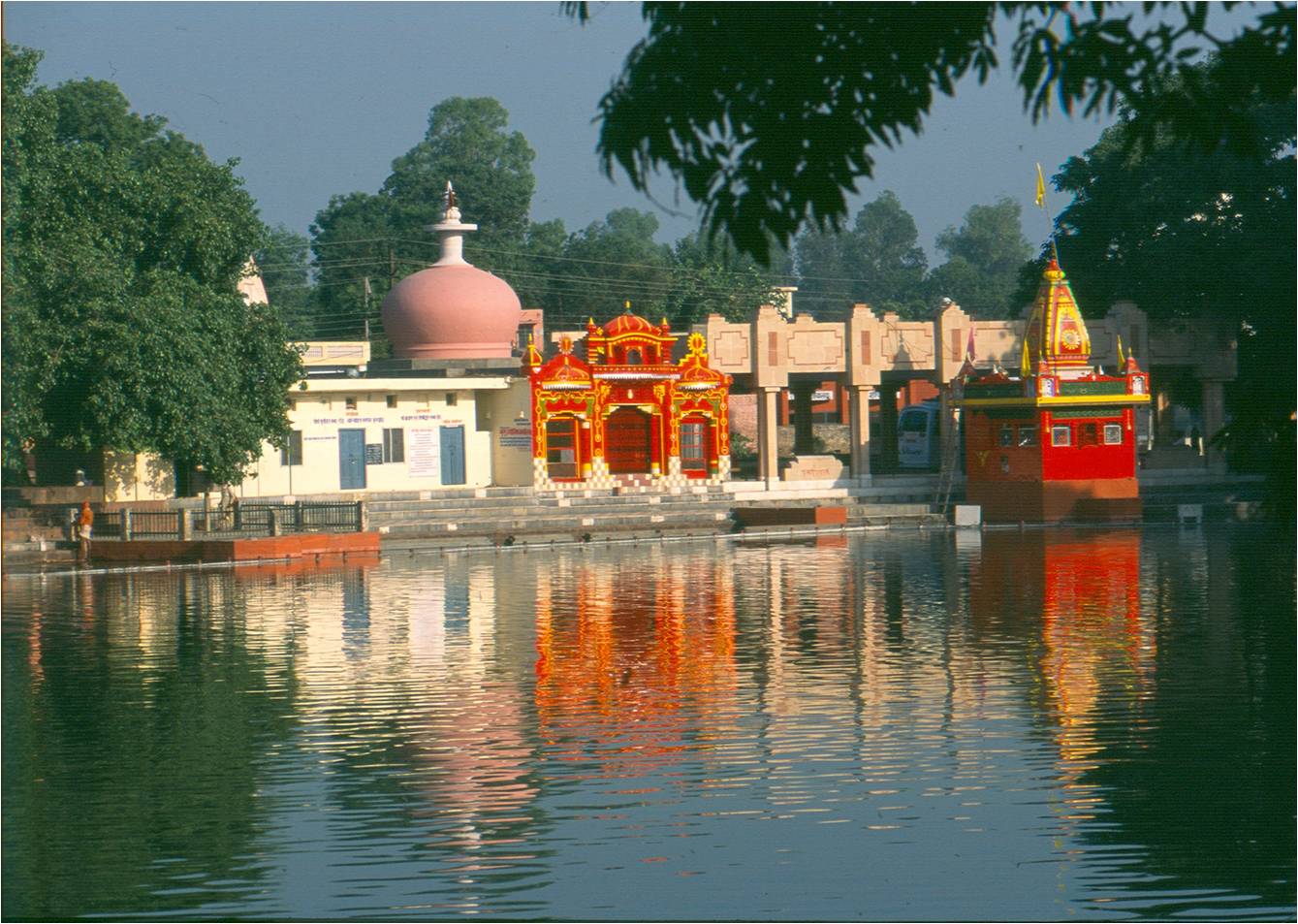
Sannihit Sarovar
Sannihit Sarovar is a sacred pilgrimage tank in Kurukshetra believed to be the meeting point of seven holy rivers, drawing devotees year-round for rituals and spiritual blessings.
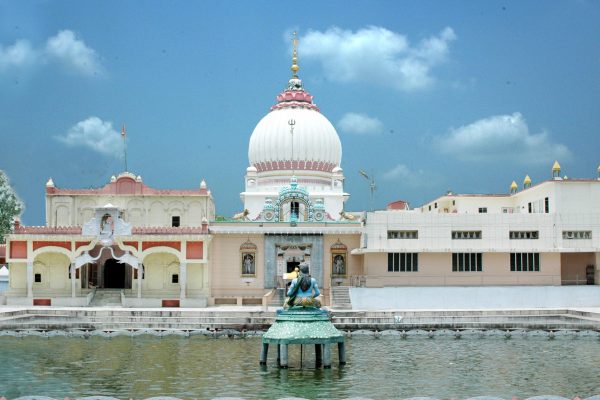
Sthaneshwar Mahadev Temple
An ancient Shiva temple in Kurukshetra where the Pandavas and Krishna are said to have prayed for victory in the Mahabharata war. Located beside the sacred Sthaneshwar tank, it…