


Kanakachalapathi Temple, Kanakagiri
About Kanakachalapathi Temple, Kanakagiri
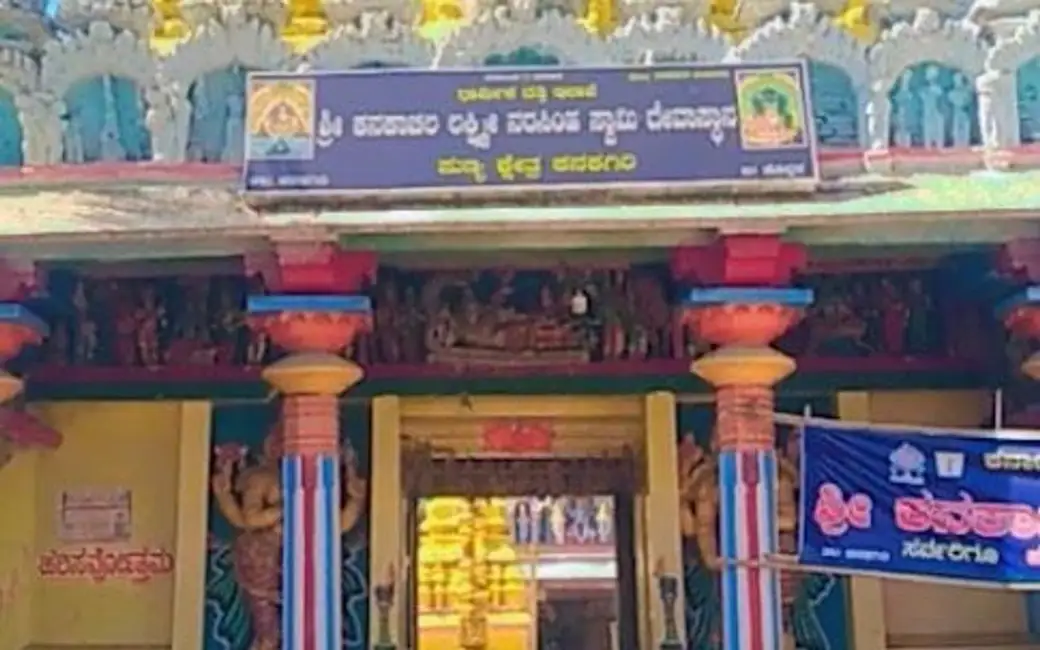
The temple was established in the 16th century during the Vijayanagara period, when the Gujjala dynasty ruled the region with Kanakagiri as their seat. Local tradition holds that the idol of Lakshmi Narasimha, originally in the form of a Saligrama stone, lay hidden in an anthill until discovered through a miraculous sign: the cows of Parasappa, the first Gujjala king, began mysteriously pouring milk into the anthill. Parasappa subsequently built the temple to house the deity. When Vijayanagara emperor Praudha Devaraya learned of this discovery, he appointed Parasappanayaka (1436–1510) as ruler and granted lands to support the temple. Later, Nawab Udachappanayaka (1510–1533) undertook further construction. The temple's name derives from the region itself—Kanakagiri, or "golden hill," said to be named after the sage Kanaka, whose penance is believed to have brought forth a rain of gold. Ancient texts refer to this place as Suvarnagiri, and it may correspond to the southern capital during Emperor Ashoka's reign.
Architecture and Design
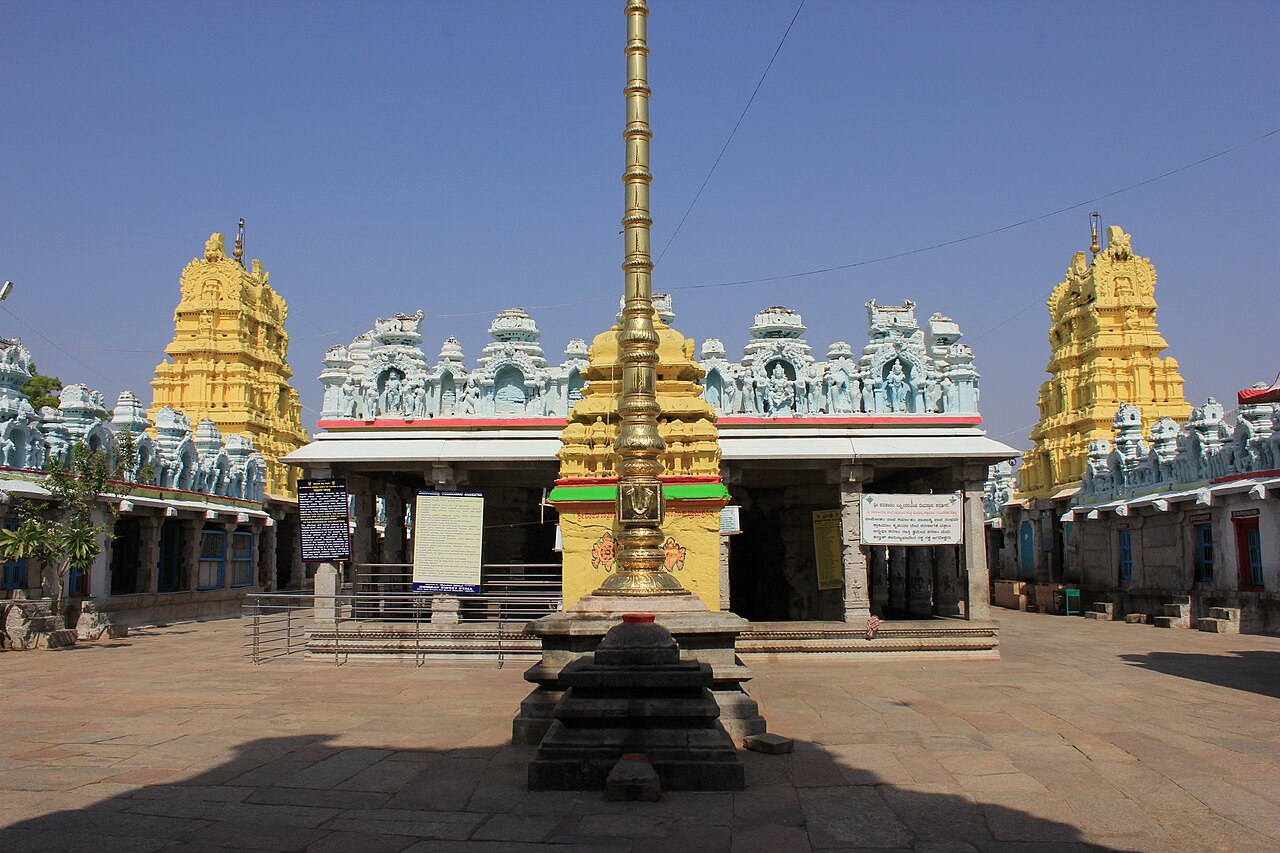
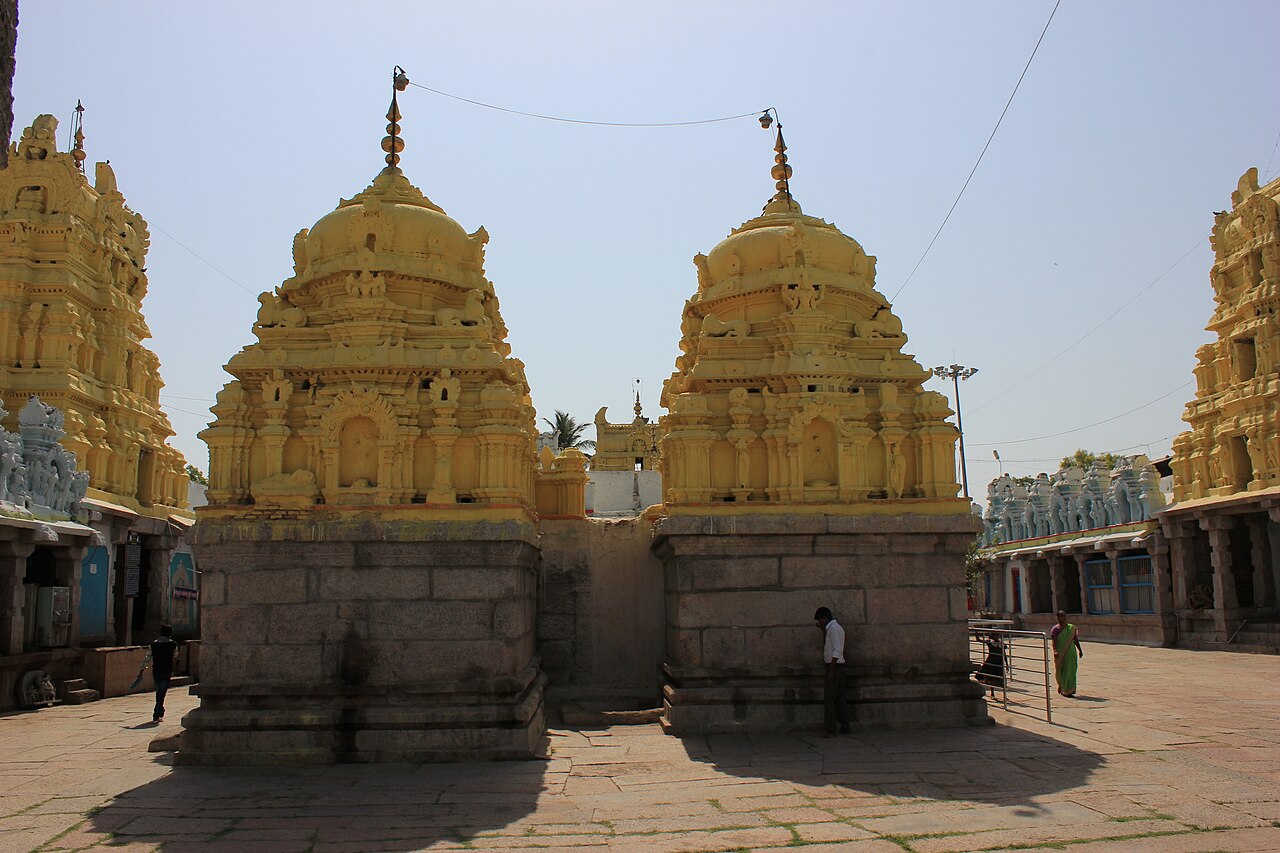
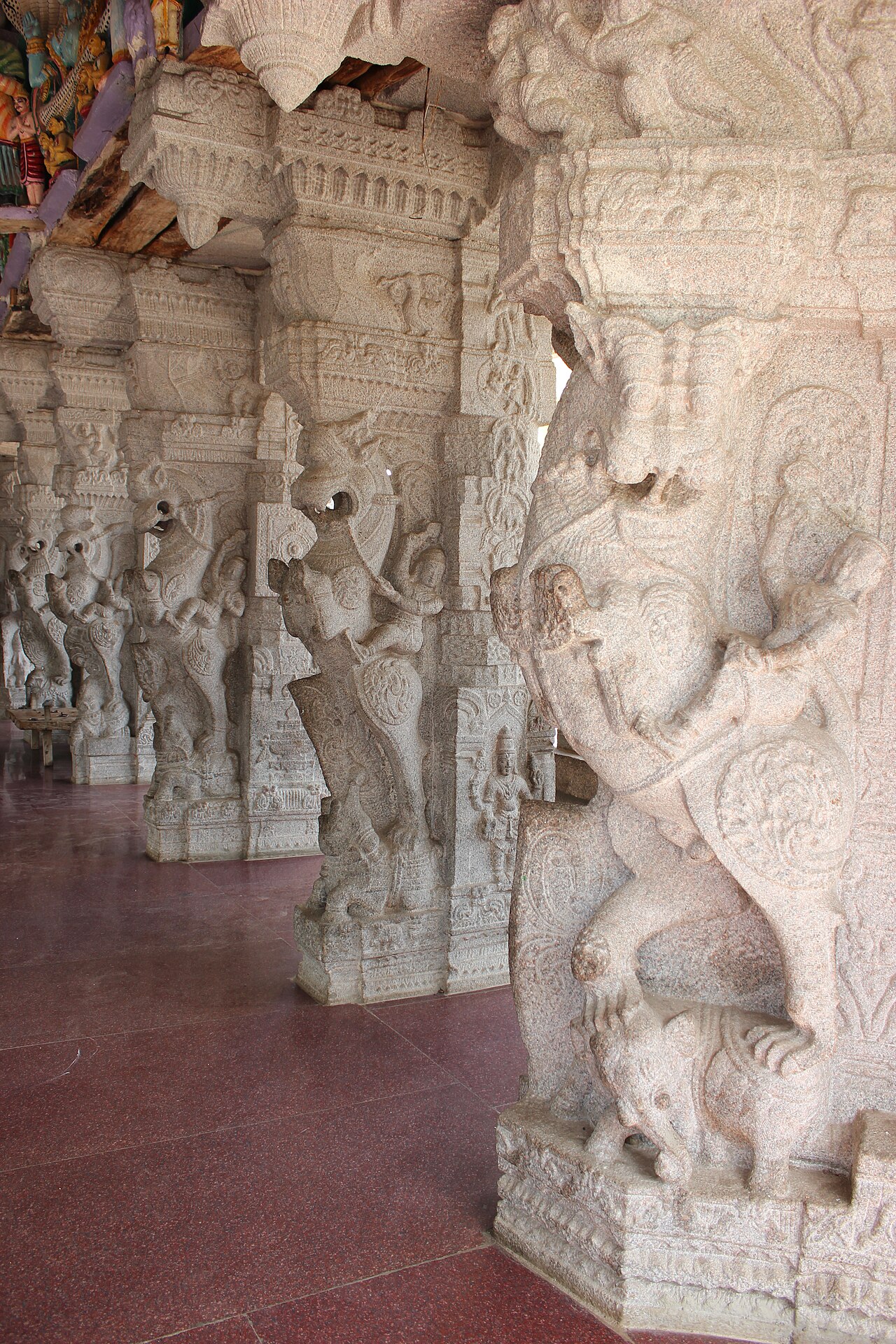
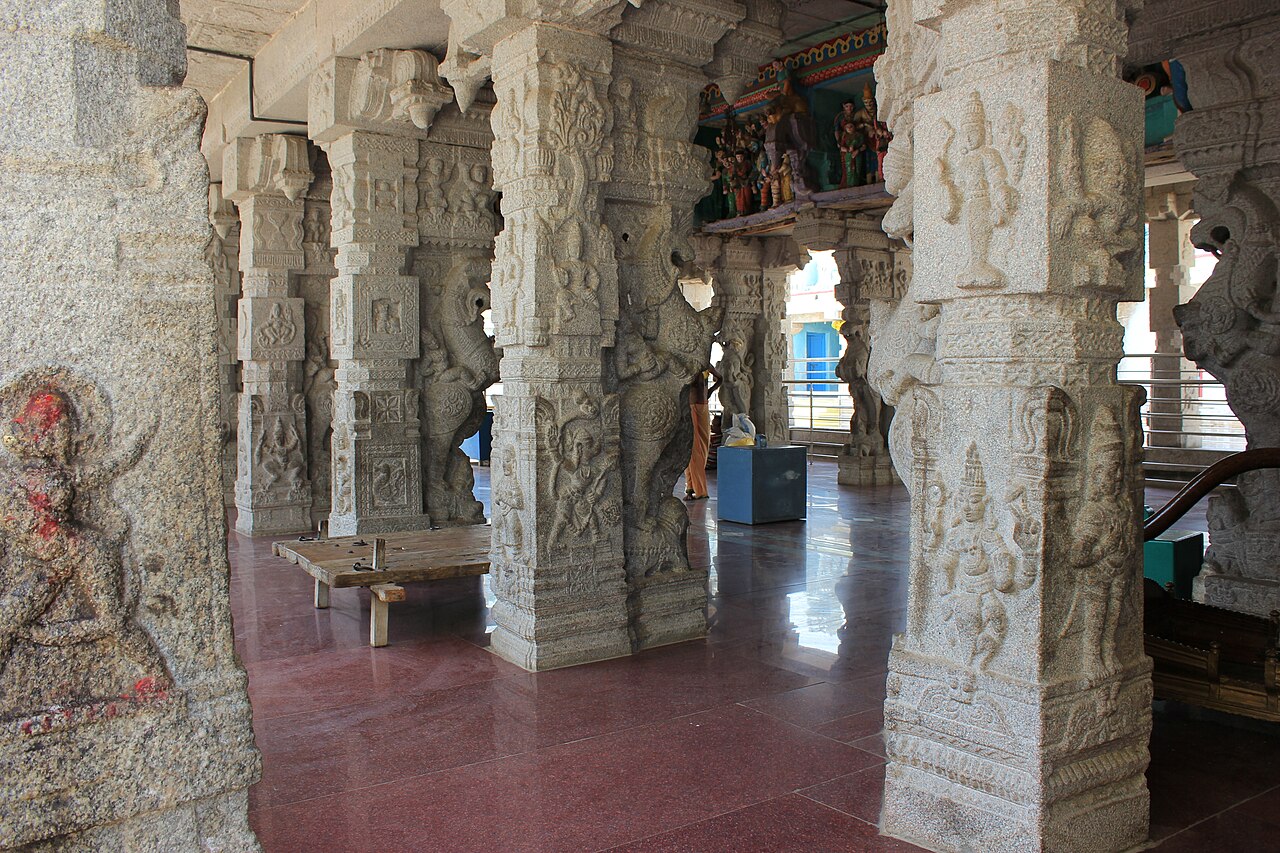
The temple exemplifies Dravidian architecture of the Vijayanagara period, recognized today as an ASI protected monument and state heritage site. Its most striking features include towering gopuras (temple towers), massive carved pillars, and intricate lime sculptures. The ceiling paintings and decorative elements throughout the complex reflect the artistic sophistication of the era. The architectural vocabulary—from the proportions of the gopuras to the carved details of the pillars—follows the conventions of Dravidian temple design, making the site valuable both as a place of worship and as a record of 16th-century temple construction techniques and aesthetics.
Daily Worship and Darshan
The temple opens daily from 6:00 AM to 12:00 PM and again from 3:00 PM to 8:00 PM, with morning and evening aartis performed according to the temple's schedule. Free darshan is available to all visitors during these hours. The temple conducts daily puja and special worship ceremonies, including Kalyanotsava (the celestial wedding of the deity) and Garudotsava (celebrations honoring Garuda). Early morning visits between 5:00 and 8:00 AM offer a quieter atmosphere and are considered an ideal time to experience the temple's spiritual ambience. The serene setting is best appreciated during these hours or during the cooler months from November to February.
Festivals and Celebrations
The temple observes several major festivals that draw pilgrims throughout the year. Kanakagiri Utsava and Lakshmi Narasimha Jatre occur in February-March, marking significant occasions in the temple's ritual calendar. Vaikunta Ekadashi, celebrated in December-January, is another major observance. These festival periods see increased crowds and heightened ritual activity, making them important times for devotees seeking blessings. The festivals align with the broader Hindu calendar and the specific traditions associated with Vishnu worship.
Visiting Information and Practicalities
Kanakagiri is located approximately 3 kilometres from Koppal city, the district headquarters, which lies 380 kilometres north of Bangalore and 200 kilometres east of Belagavi. The town is accessible by road from these major centres. Visitors should plan to arrive during the temple's open hours and note that the midday closure (12:00 PM to 3:00 PM) allows time for rest or exploration of the surrounding area. As with most Hindu temples, modest dress is appropriate—covering shoulders and knees is customary. Visitors should remove footwear before entering the inner sanctum and follow the directions of temple staff regarding ritual protocols. The temple provides free darshan, though donations are typically accepted. Photography policies may vary; it is best to inquire with temple authorities before photographing the interior or rituals.
Getting There
The temple is situated in Kanakagiri, Gangavathi taluk, Koppal district, Karnataka (coordinates 15.55°N, 76.4°E). Road access from Koppal city is straightforward, with the temple lying just 3 kilometres away. Those travelling from Bangalore or Belagavi should plan for approximately 6–7 hours of travel. Local transport options from Koppal city can be arranged, or visitors may hire private vehicles for the journey. The cooler months (November to February) are recommended for travel, as they offer more comfortable conditions for visiting.
How to reach
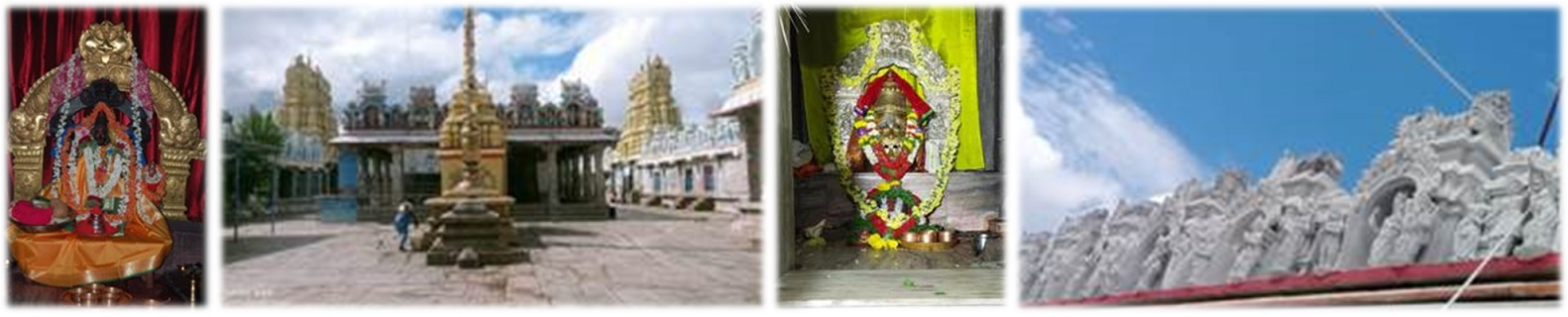

Temples near Kanakachalapathi Temple, Kanakagiri
Virupaksha Temple
The Virupaksha Temple in Hampi is a 7th-century shrine dedicated to Virupaksha, a manifestation of Shiva, situated on the banks of the Tungabhadra River and recognized as part o…
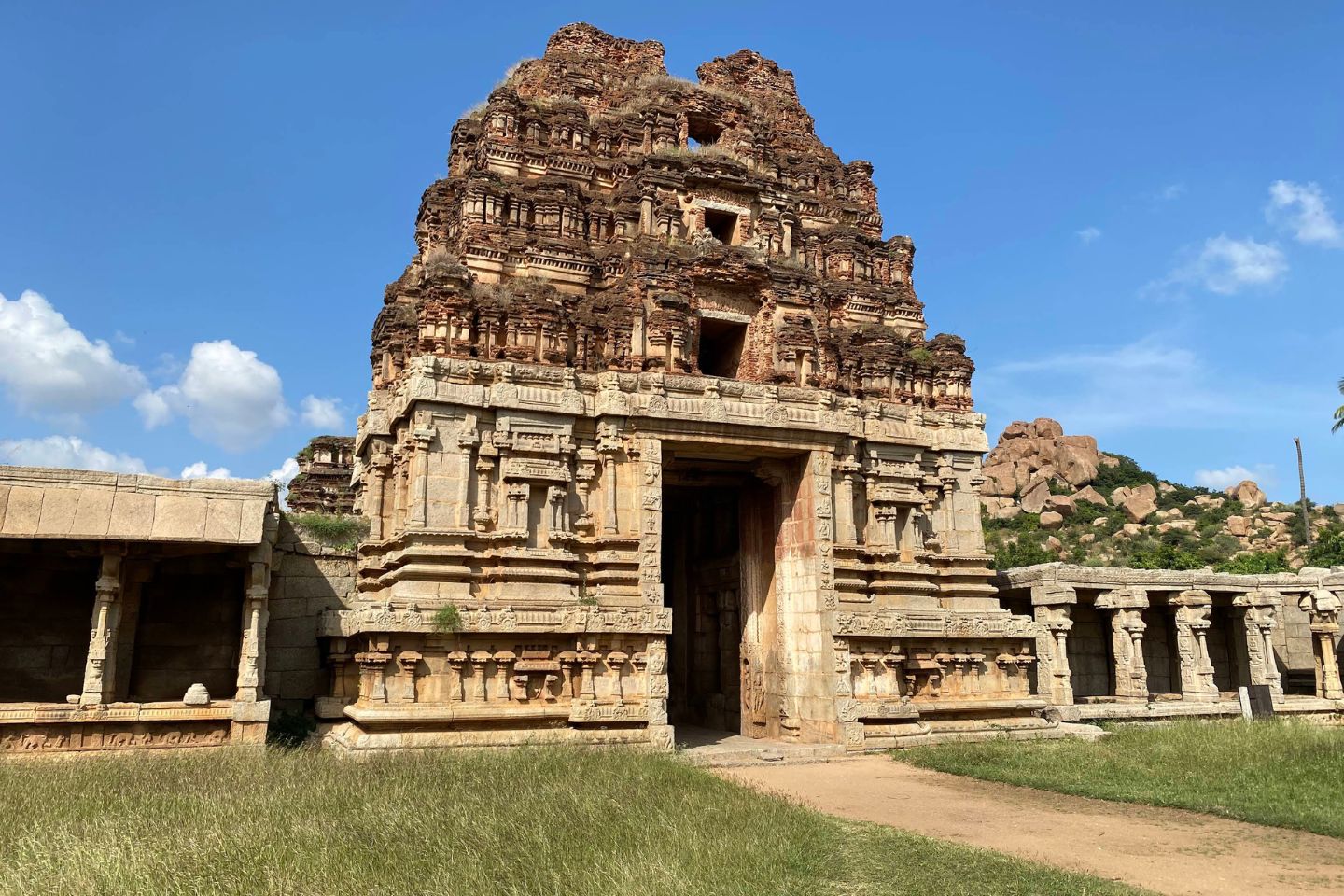
Achyutaraya temple
Achyutaraya Temple is a magnificent Vijayanagara-era monument built in 1534 AD, featuring Lord Tiruvengalanatha (Vishnu) as its primary deity, showcasing exquisite architectural…
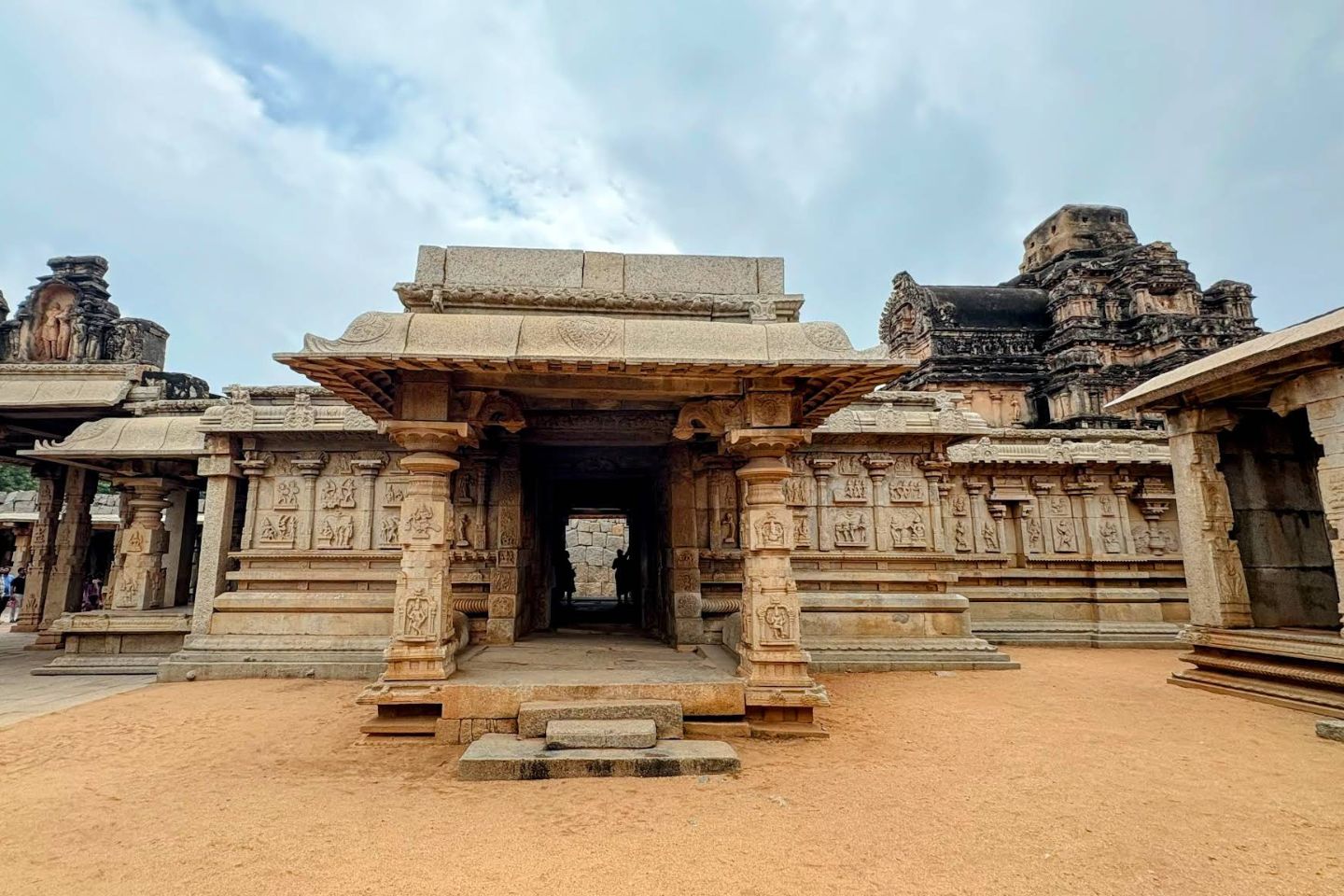
Hazara Rama temple
Hazara Rama Temple in Hampi is a 16th-century royal shrine dedicated to Lord Rama, renowned for its intricate Ramayana panels depicting scenes from the Hindu epic across its ext…
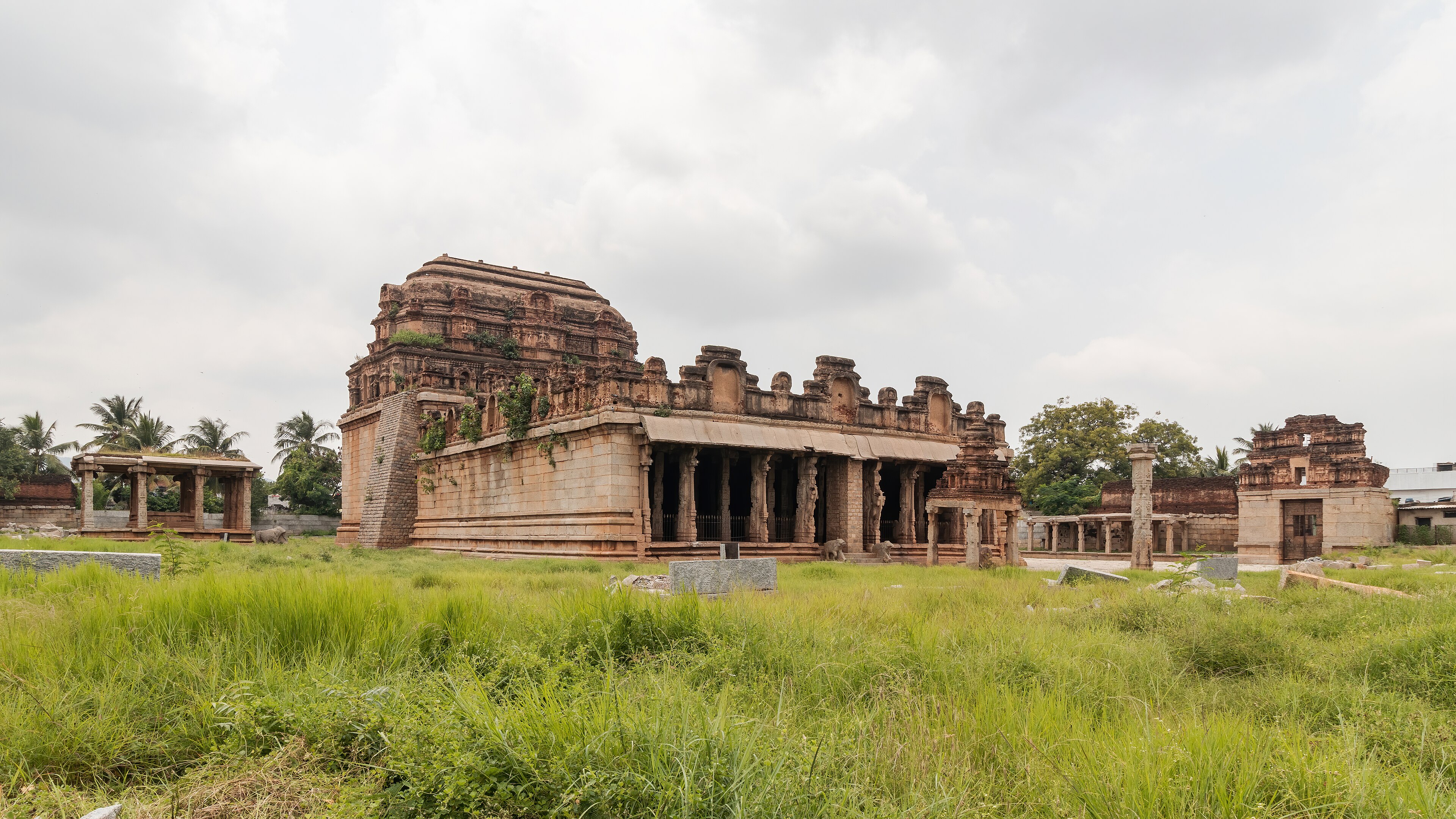
Ananthasayana temple
Ananthasayana temple in Ananthasayanagudi, Vijayanagara district, Karnataka, was built by King Krishnadeva Raya of the Vijayanagara Empire as a memorial to his deceased son.
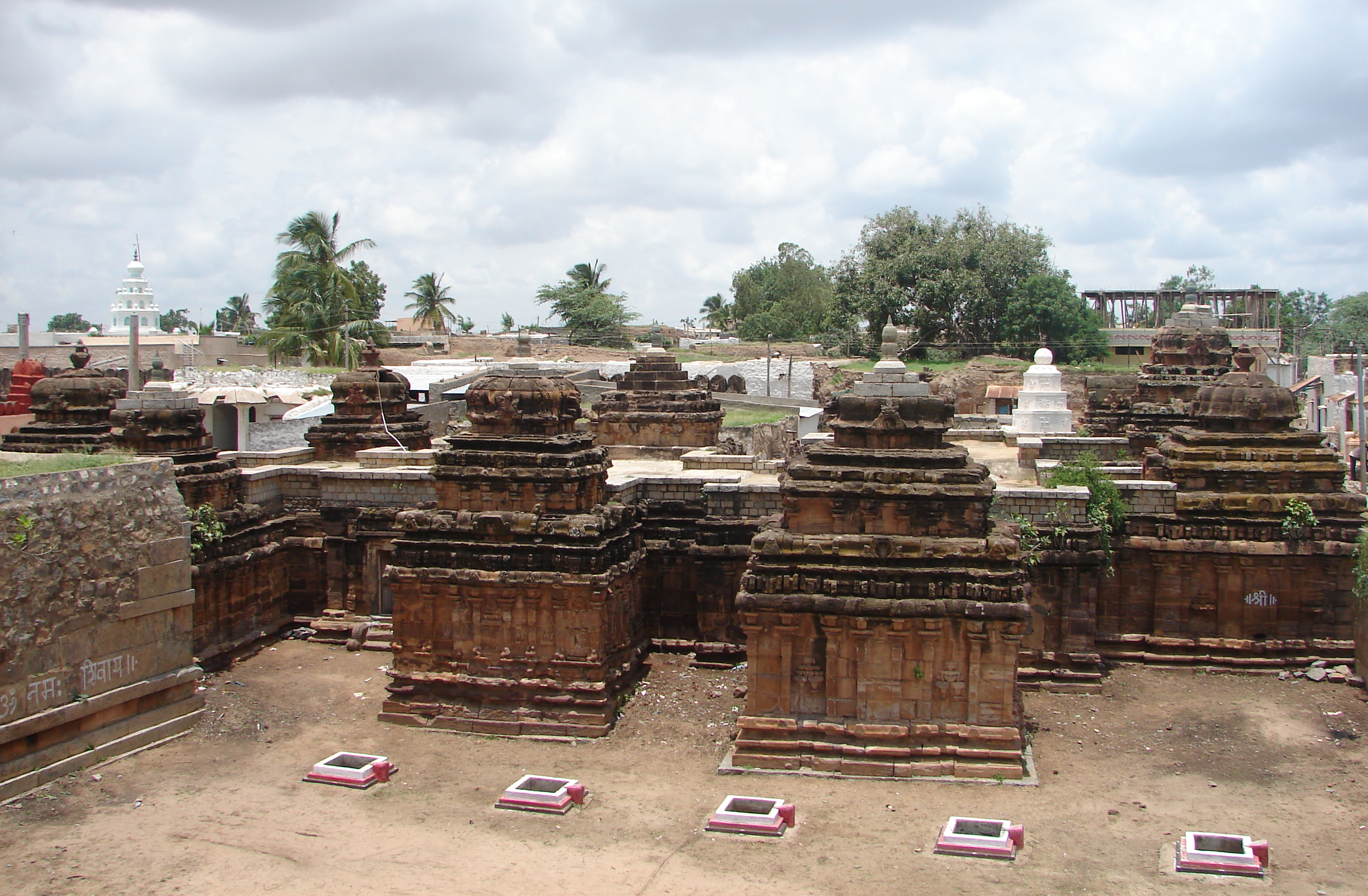
Navalinga Temple
Navalinga Temple is a 9th-century cluster of nine Hindu temples dedicated to Shiva, each housing a linga, located in Kukkanur near Itagi in Karnataka's Koppal district.
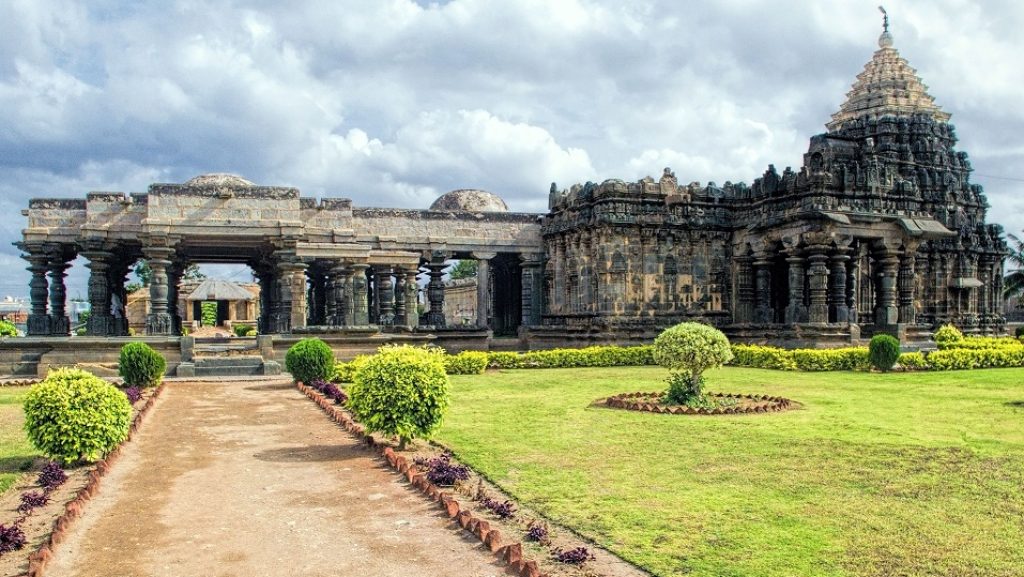
Mahadeva Temple, Itagi
The Mahadeva Temple in Itagi is a 12th-century Vesara-style shrine dedicated to Lord Shiva, built by Mahadeva Dandanayaka under Western Chalukya King Vikramaditya VI and now pro…