Virupaksha Temple
About Virupaksha Temple
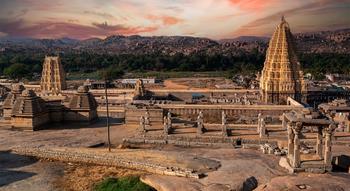
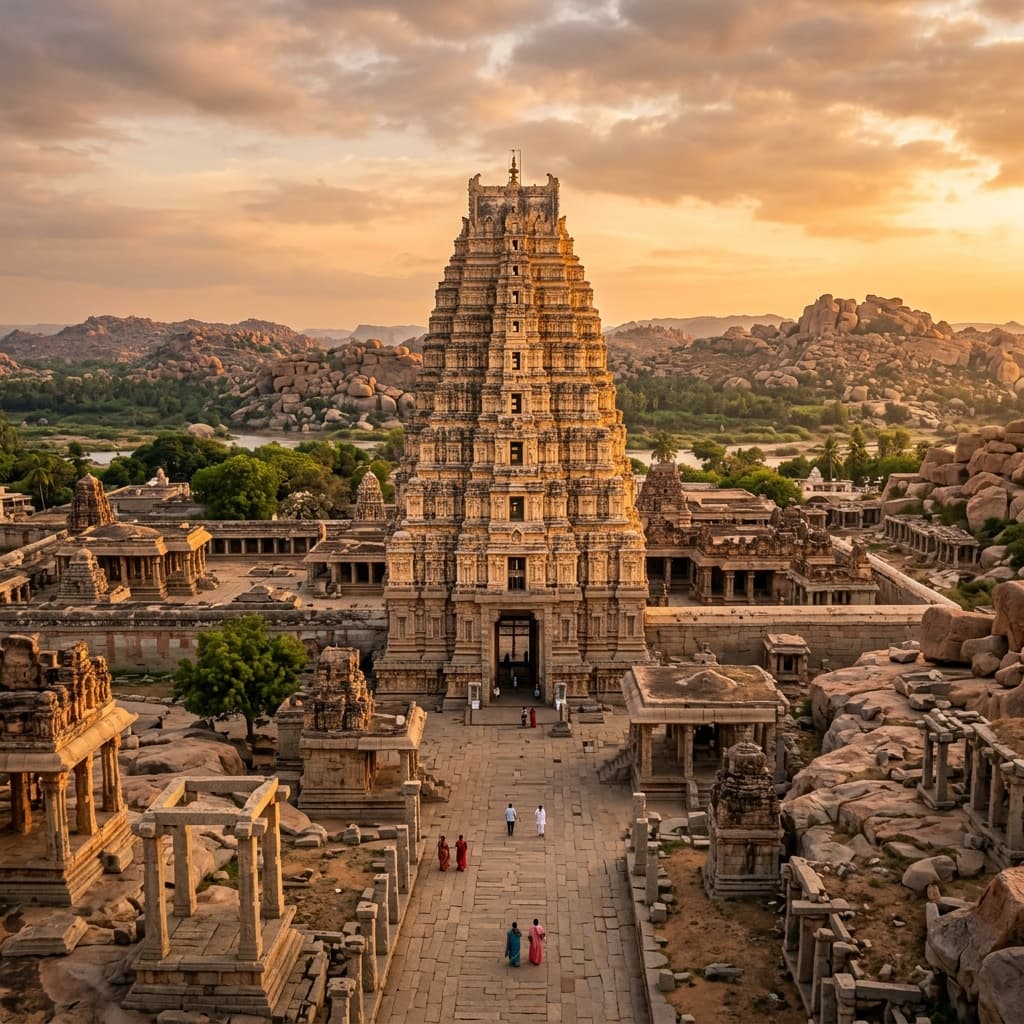
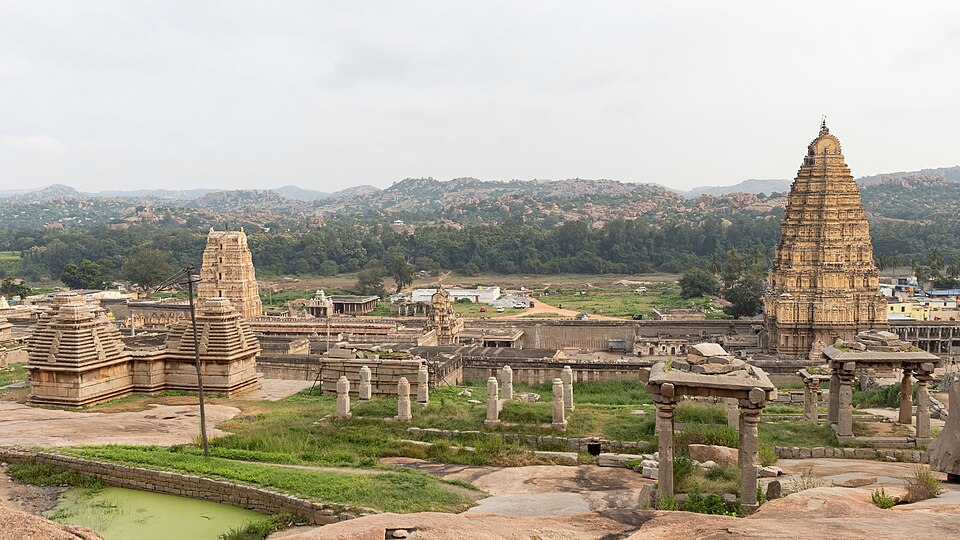
The temple was established in the 7th century, making it one of the region's oldest surviving structures. Its growth accelerated during the Vijayanagara period, when Lakkan Dandesha, a nayaka (chieftain) serving under the ruler Deva Raya II, undertook significant expansions. This patronage reflects the temple's importance to successive rulers and communities across the centuries.
The architectural development visible in the temple today bears witness to these layers of construction and renovation, each period leaving its mark on the structure.
Daily Worship and Darshan Hours
The temple opens at 6:30 AM and closes at 6:30 PM. Darshan—the opportunity to view the deity—is available in two sessions: morning darshan from 6:30 AM to 12:30 PM, and evening darshan from 3:30 PM to 6:30 PM. The temple closes during midday hours for rituals and maintenance.
Both morning and evening aartis (ritual worship with lamps and offerings) are performed daily. Morning hours before mid-morning tend to draw larger crowds, so plan accordingly if you prefer a quieter visit. Exact timings for aartis may vary seasonally or on festival days, so confirm details with the temple before traveling. Various sevas (ritual offerings and worship services) are available throughout the week; inquire directly with temple authorities about specific practices you wish to participate in.
When to Visit
October through March offers the most comfortable conditions for visiting Hampi and the Virupaksha Temple. During these months, temperatures remain moderate and weather supports extended exploration of both the temple and the wider archaeological site. The monsoon season and intense summer heat make travel and sightseeing considerably more challenging.
Festival periods may extend temple hours and alter regular schedules. If you plan to visit during a specific observance, verify dates and arrangements in advance with temple staff, as schedules can shift due to festivals, special rituals, or administrative decisions.
Visitor Conduct and Practicalities
Dress modestly when entering the temple, following conventions observed at Hindu places of worship. Remove footwear before entering the sanctum and inner areas. Photography policies may restrict image-taking in certain sections; check with temple staff upon arrival.
The temple is protected by the Archaeological Survey of India (ASI) as part of the Hampi heritage site. Visitors should treat the space with respect, keeping noise levels low and moving mindfully through the temple grounds. If you have specific questions about rituals, sevas, or temple protocols, the temple authorities are your best source for current information.
Reaching Hampi and the Temple
Virupaksha Temple is located at coordinates 15.335165, 76.458727 in the Ballari District of Karnataka. The full address is Virupaksha Temple, Hampi, Ballari District, Karnataka 583239, India. Hampi is accessible by road, rail, and air via nearby airports and stations; detailed travel directions and transportation options are best obtained from current travel resources, as routes and services change seasonally.
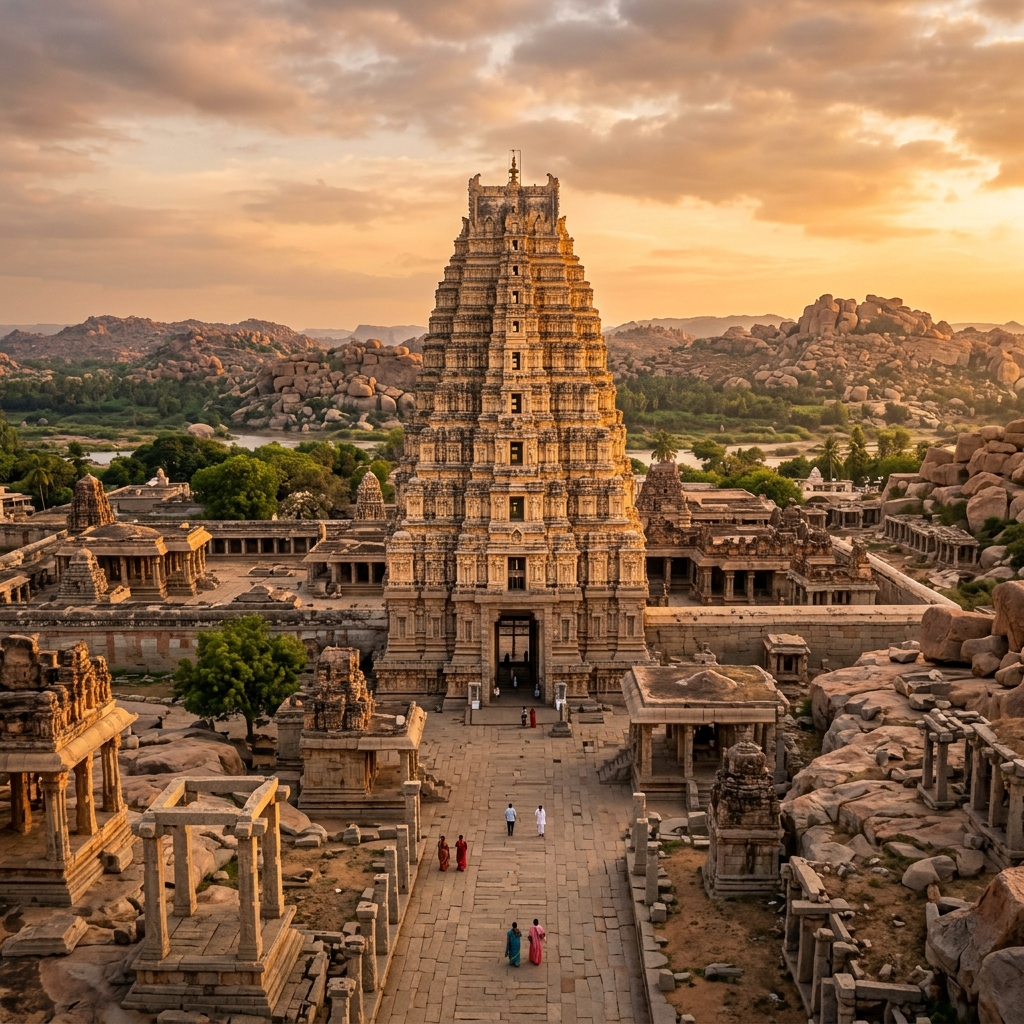
Once in Hampi, the temple's prominent position on the Tungabhadra's banks makes it relatively straightforward to locate. Local guides and accommodation providers can assist with specific directions and logistics for your visit.
How to reach

Temples near Virupaksha Temple
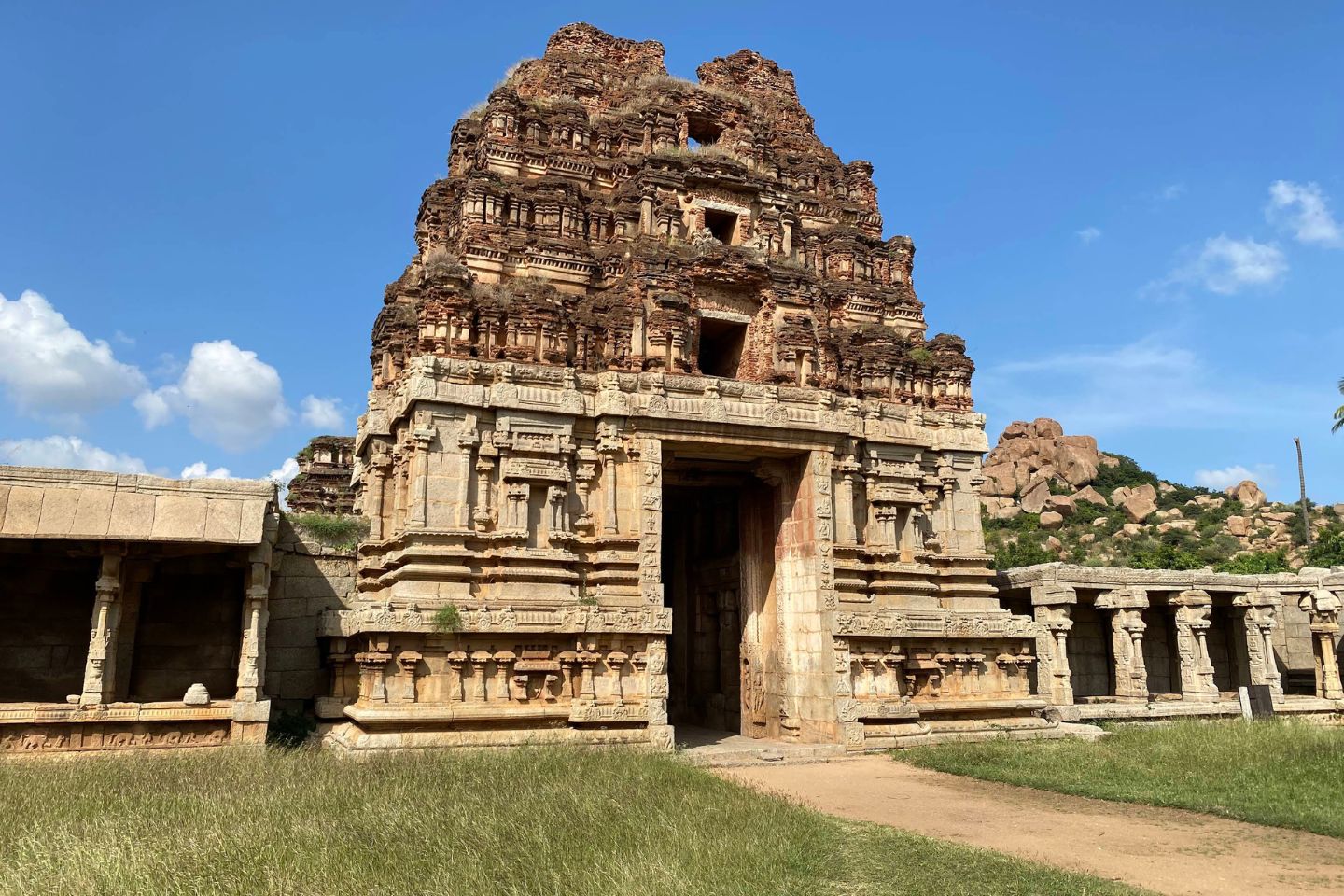
Achyutaraya temple
Achyutaraya Temple is a magnificent Vijayanagara-era monument built in 1534 AD, featuring Lord Tiruvengalanatha (Vishnu) as its primary deity, showcasing exquisite architectural…
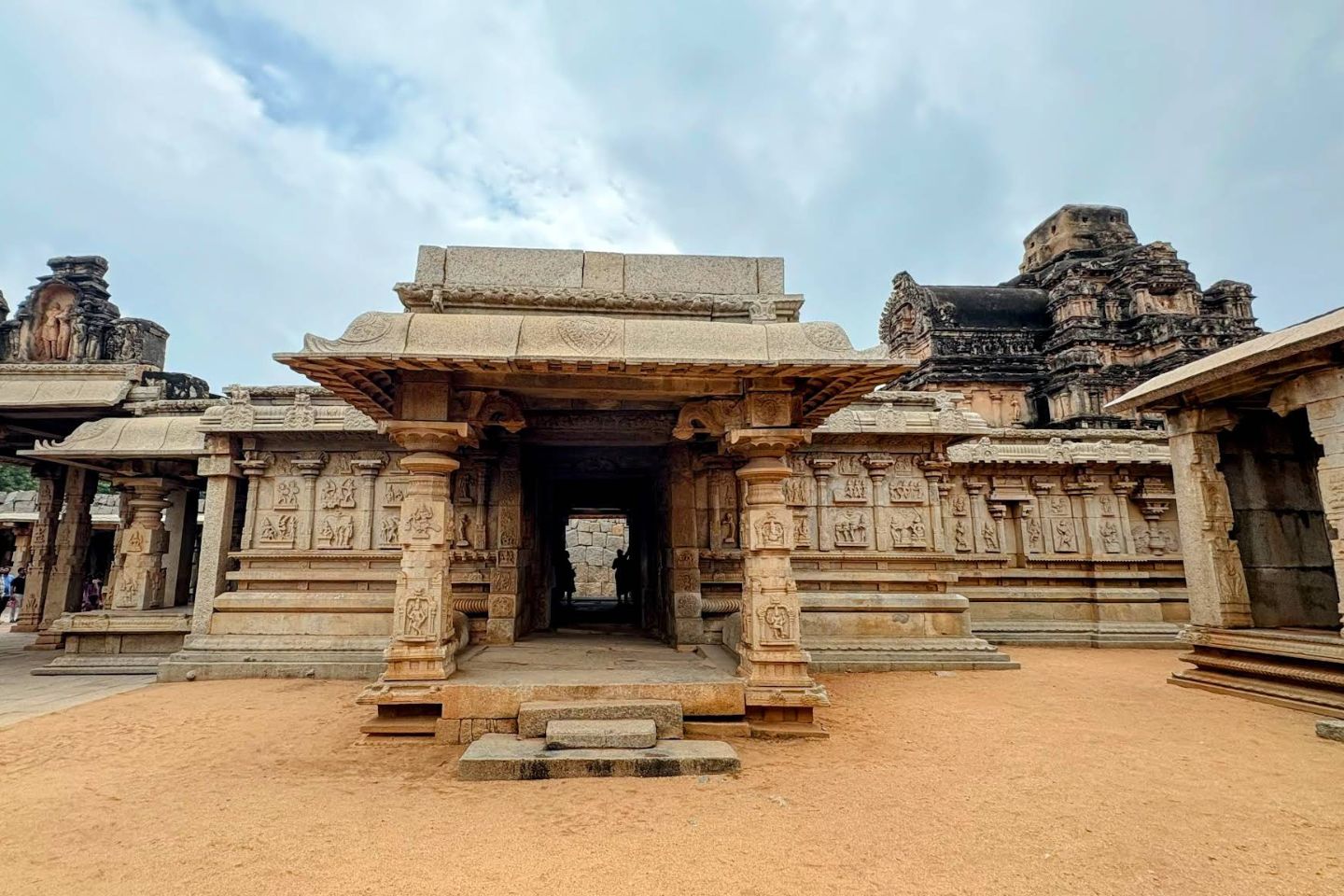
Hazara Rama temple
Hazara Rama Temple in Hampi is a 16th-century royal shrine dedicated to Lord Rama, renowned for its intricate Ramayana panels depicting scenes from the Hindu epic across its ext…
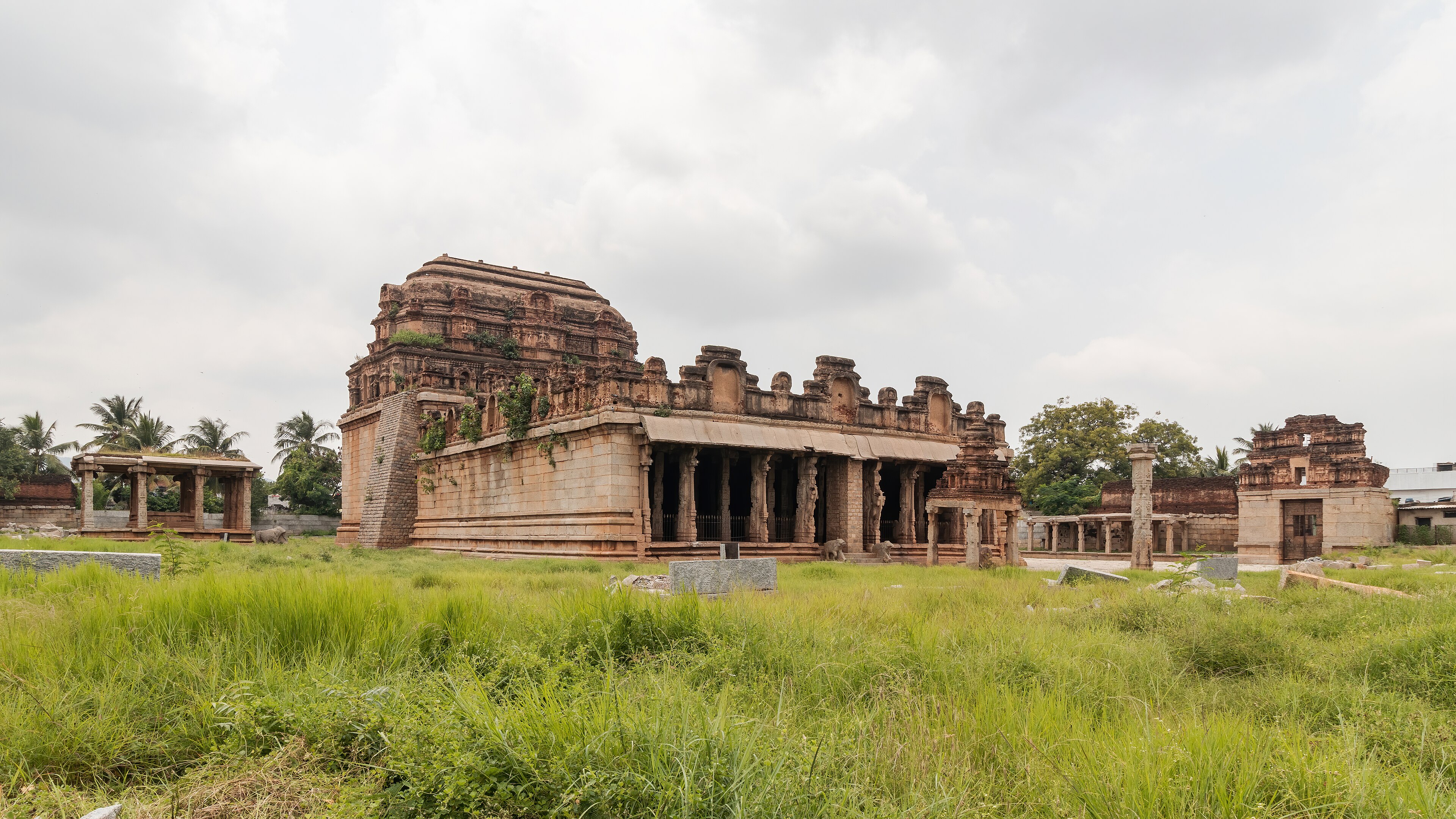
Ananthasayana temple
Ananthasayana temple in Ananthasayanagudi, Vijayanagara district, Karnataka, was built by King Krishnadeva Raya of the Vijayanagara Empire as a memorial to his deceased son.

Kanakachalapathi Temple, Kanakagiri
The Kanakachalapathi Temple in Kanakagiri is a 16th-century Hindu shrine dedicated to Lord Vishnu, particularly venerated as Lakshmi Narasimha. This Vijayanagara-period monument…
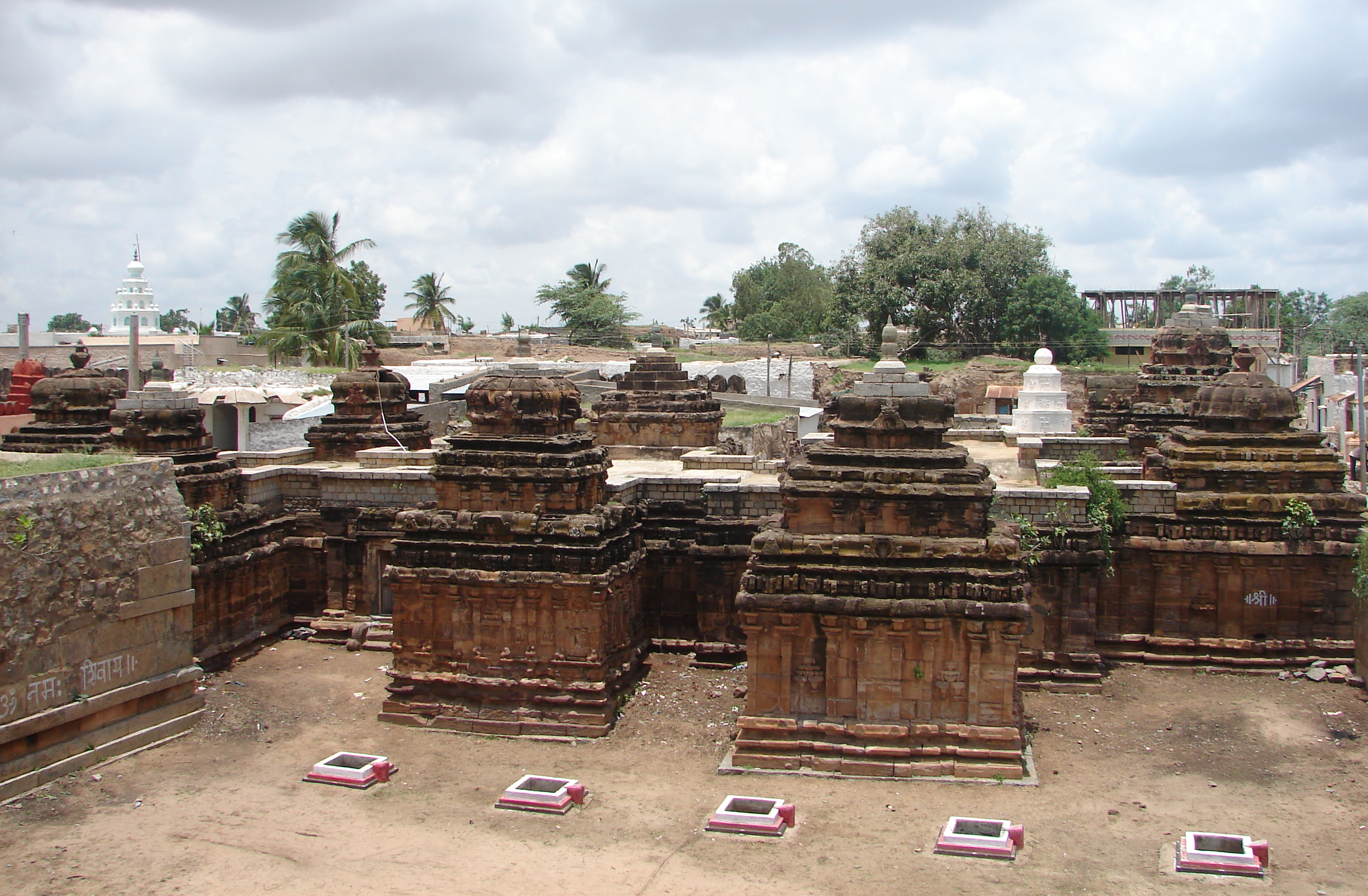
Navalinga Temple
Navalinga Temple is a 9th-century cluster of nine Hindu temples dedicated to Shiva, each housing a linga, located in Kukkanur near Itagi in Karnataka's Koppal district.
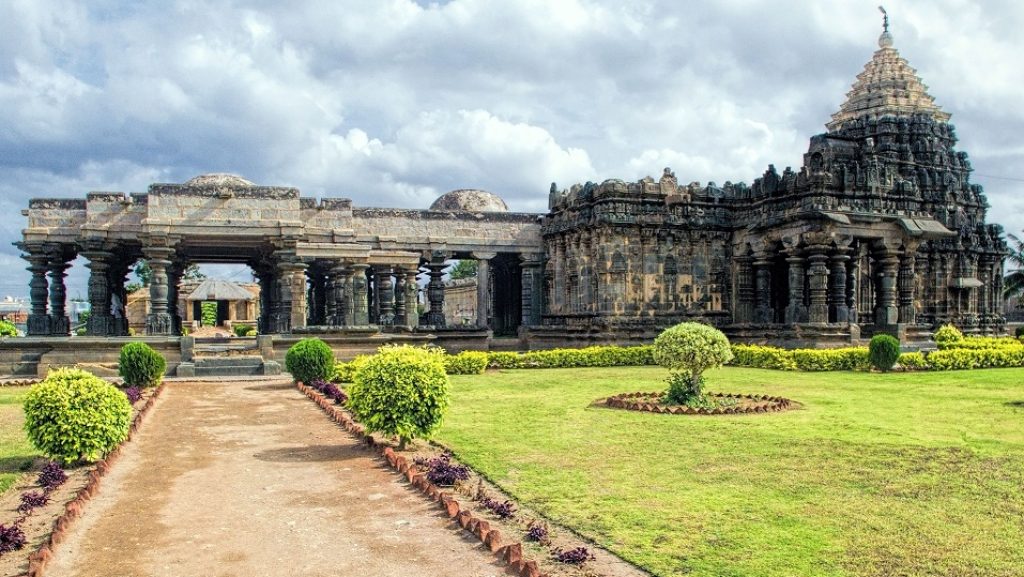
Mahadeva Temple, Itagi
The Mahadeva Temple in Itagi is a 12th-century Vesara-style shrine dedicated to Lord Shiva, built by Mahadeva Dandanayaka under Western Chalukya King Vikramaditya VI and now pro…