Mahadeva Temple, Itagi
About Mahadeva Temple, Itagi
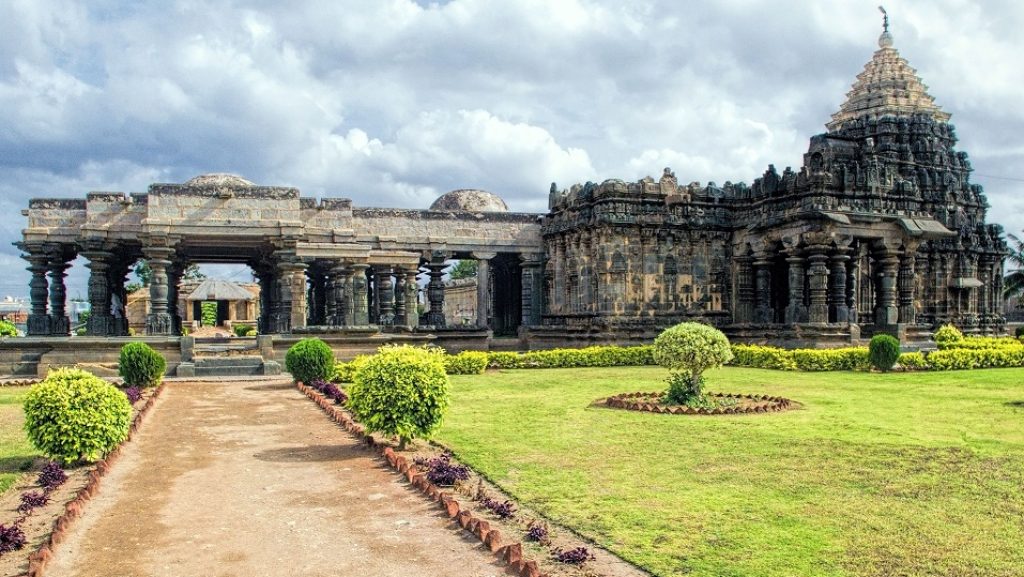
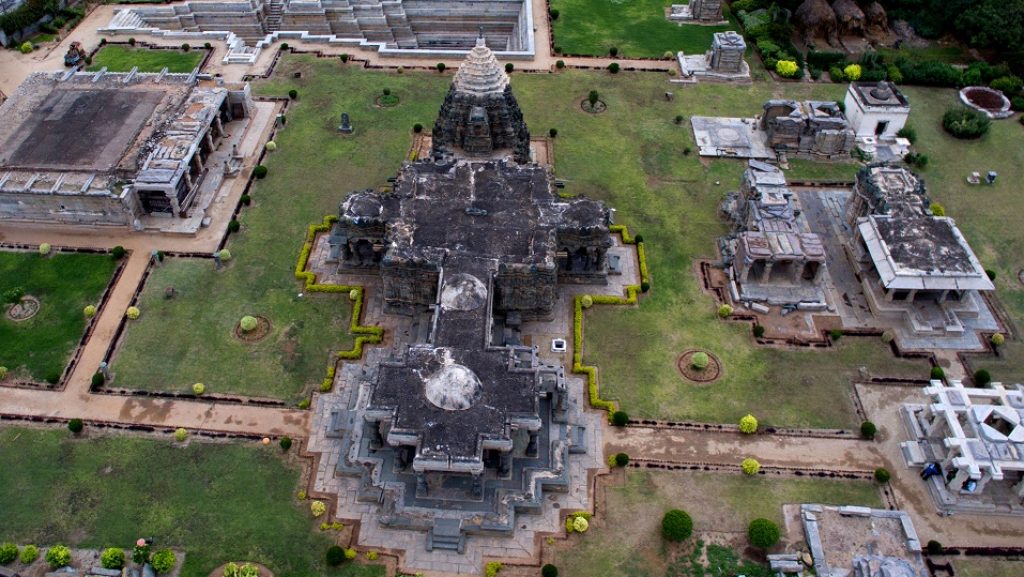
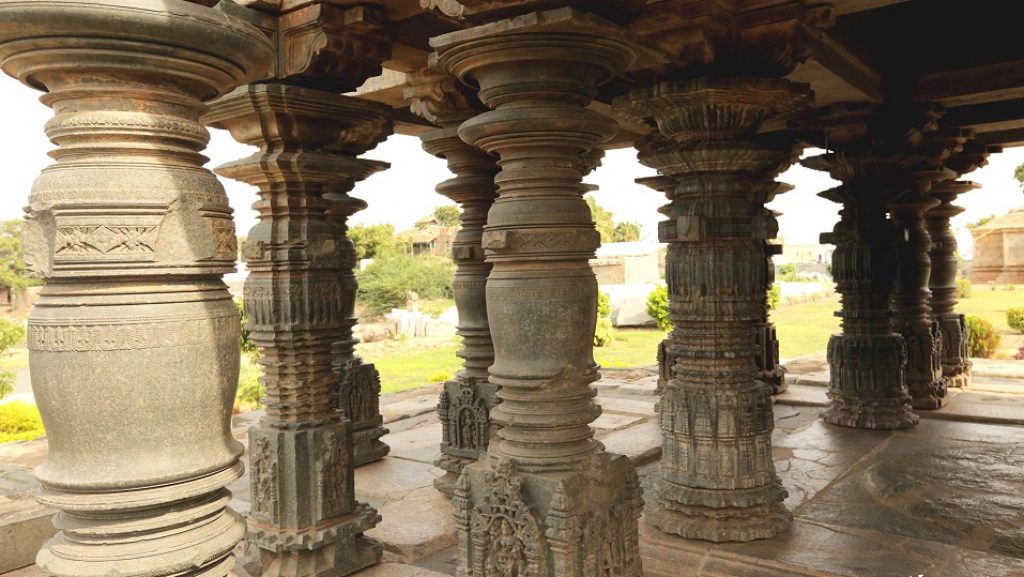
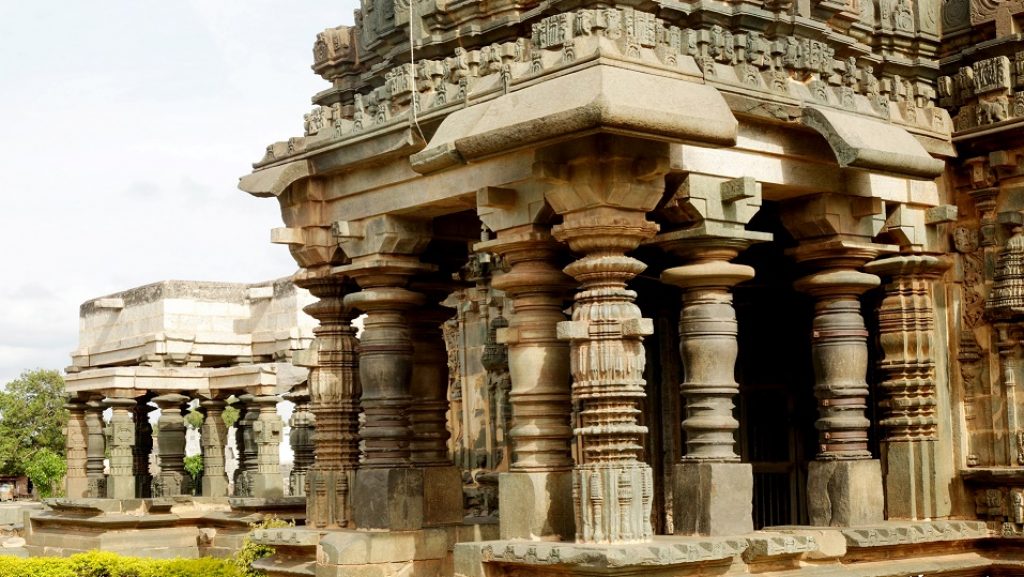
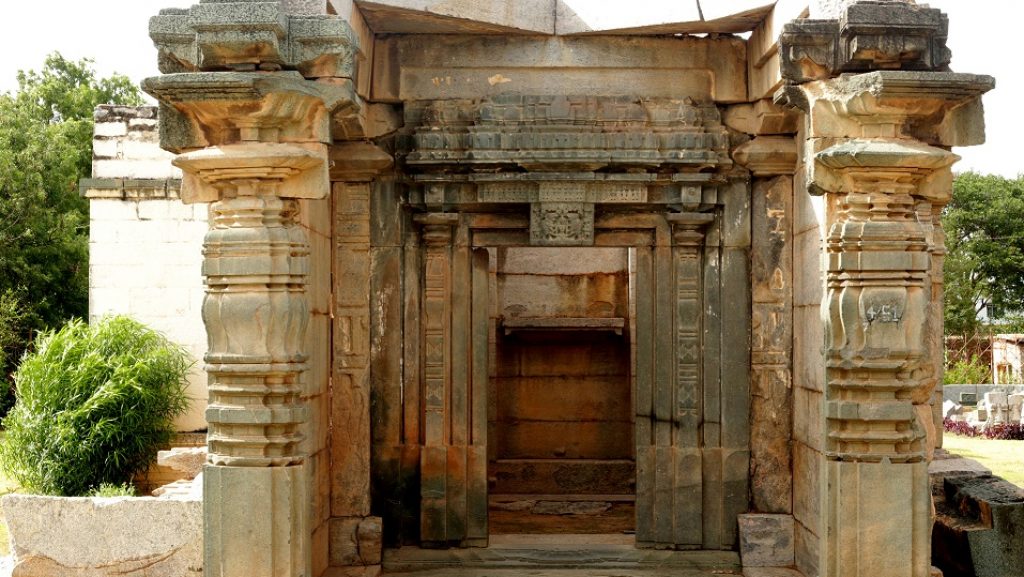
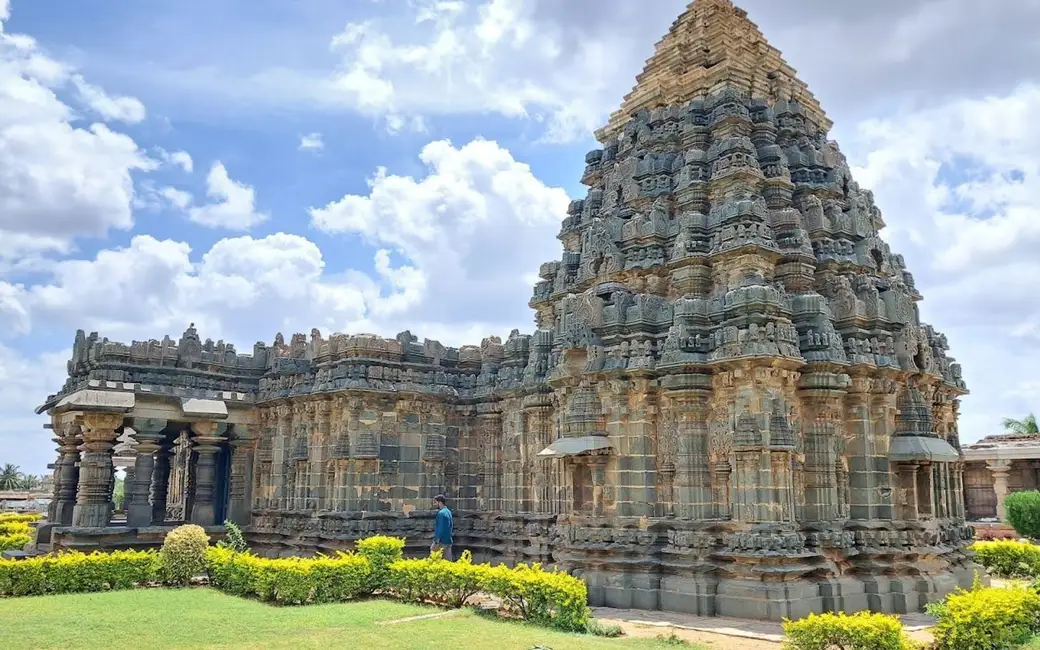
The Mahadeva Temple exemplifies the Vesara architectural tradition, which emerged as a synthesis of northern and southern Indian temple-building practices. This style is characteristic of Chalukya-period construction and represents a significant phase in Indian temple architecture. The temple's design and structural elements reflect the sophisticated understanding of sacred geometry and ritual space that defined twelfth-century temple building in the Deccan region.
As a protected monument, the temple's architectural features have been preserved for study and appreciation by visitors interested in medieval Indian construction techniques and aesthetic principles.
Daily Worship and Darshan
The temple opens for darshan in two sessions: morning hours from 6:00 AM to 12:00 PM, and evening hours from 4:00 PM to 8:00 PM. The morning period is considered the most auspicious time for worship, when the temple atmosphere is most active and conducive to devotional practice. Visitors arriving between 5:00 AM and noon will encounter the temple at its busiest and most spiritually vibrant.
Daily rituals include the Abhisheka, a ceremonial bathing of the deity performed according to traditional practice. These rituals are conducted in Kannada and Sanskrit, maintaining the temple's liturgical continuity. Following the evening aarti (ritual of light), prasadam—sanctified food—is distributed to worshippers. On special occasions, devotees offer annadanam (ritual food offerings), creating opportunities for communal participation in the temple's spiritual life.
Festivals and Sacred Seasons
The temple observes several significant festivals throughout the year. Maha Shivaratri, the major festival dedicated to Lord Shiva, draws pilgrims from the surrounding region. The temple also celebrates Karthika Masa Pooja during October and November, and Sharavana rituals during July and August. The month of Sharavana holds particular significance in Shiva worship traditions across Hindu temples, and observances during this period attract heightened devotional activity.
These festivals provide occasions for intensified ritual practice and communal gathering, though visitors should verify specific dates and observances with the temple directly before planning a visit around these celebrations.
Practical Information for Visitors
Plan your visit during the morning hours between 5:00 AM and noon for the most active temple atmosphere. The winter months from November through February offer the most comfortable weather for travel and exploration of the site. The monsoon season from June through September also provides pleasant conditions, though visitors should be prepared for rainfall.
Modest dress is appropriate when visiting Hindu temples; visitors typically remove footwear before entering the sanctum. The temple welcomes devotional participation in daily rituals, though visitors unfamiliar with temple protocols should observe quietly and follow the lead of regular worshippers. Photography policies may vary; it is respectful to ask permission before photographing the deity or ritual activities.
Getting There
Itagi is located in Koppal District in northern Karnataka. The town is situated approximately 7 kilometres from Kuknur and 20 kilometres from Lakkundi, placing it within a region of historical temple sites. Visitors should plan their route based on their starting point and check current road conditions and local transport options before departure. The temple's coordinates (15.445361111111, 75.967916666667) can assist with navigation using GPS or mapping applications.
How to reach
Temples near Mahadeva Temple, Itagi
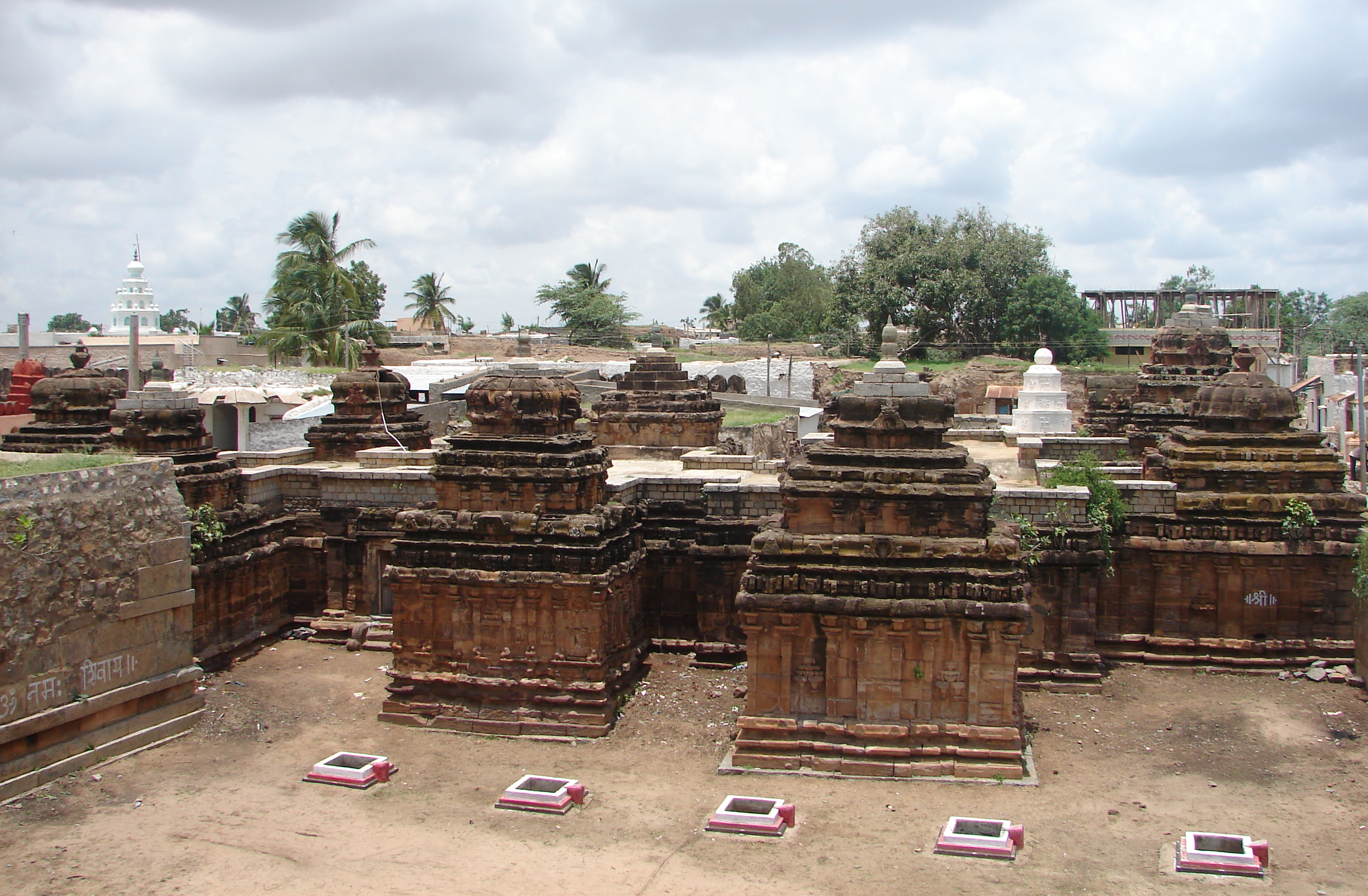
Navalinga Temple
Navalinga Temple is a 9th-century cluster of nine Hindu temples dedicated to Shiva, each housing a linga, located in Kukkanur near Itagi in Karnataka's Koppal district.
Doddabasappa Temple, Dambal
Doddabasappa Temple is a 12th-century Western Chalukyan shrine in Dambal, Karnataka, distinguished by its rare 24-pointed stellate architectural design and soapstone construction.
Nannesvara Temple, Lakkundi
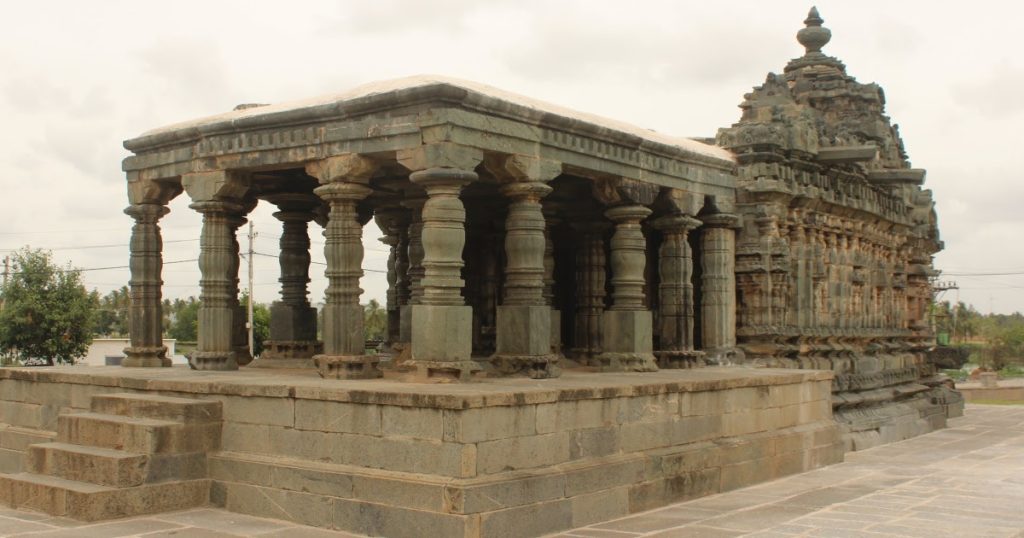
An 11th-century Shiva temple in Lakkundi representing the earliest imperial-style architecture of the Kalyana Chalukyas, blending North and South Indian architectural traditions.

Bhimambika temple, Itagi
Bhimambika Temple in Itagi is a revered Hindu shrine dedicated to the goddess, functioning as both a mutt and place of worship where devotees seek wish fulfillment through tradi…
Veeranarayana Temple, Gadag
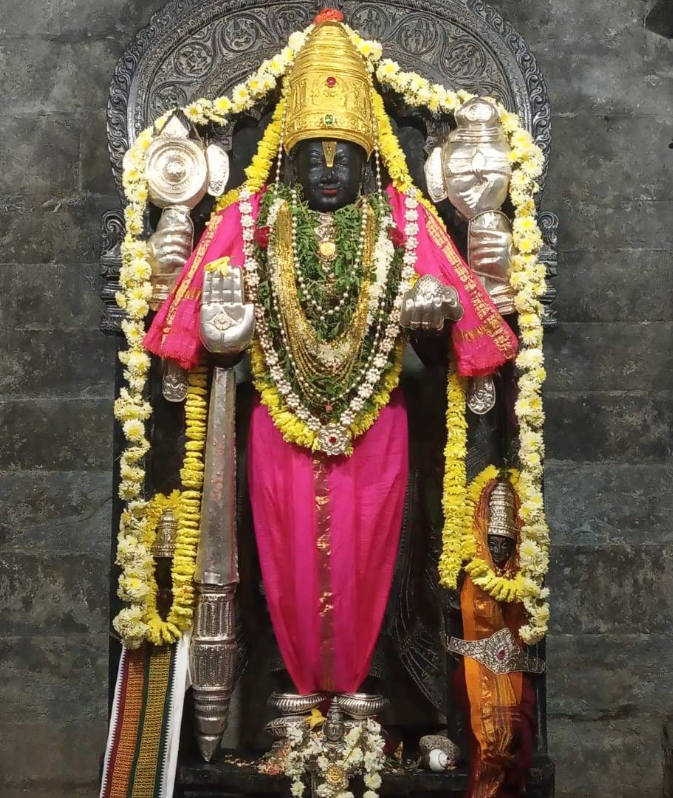
Veeranarayana Temple in Gadag is an 11th-century Hindu shrine dedicated to Narayana (Vishnu), built by the Chalukyas of Kalyani and protected as an archaeological monument.

Kanakachalapathi Temple, Kanakagiri
The Kanakachalapathi Temple in Kanakagiri is a 16th-century Hindu shrine dedicated to Lord Vishnu, particularly venerated as Lakshmi Narasimha. This Vijayanagara-period monument…