Hazara Rama temple
About Hazara Rama temple
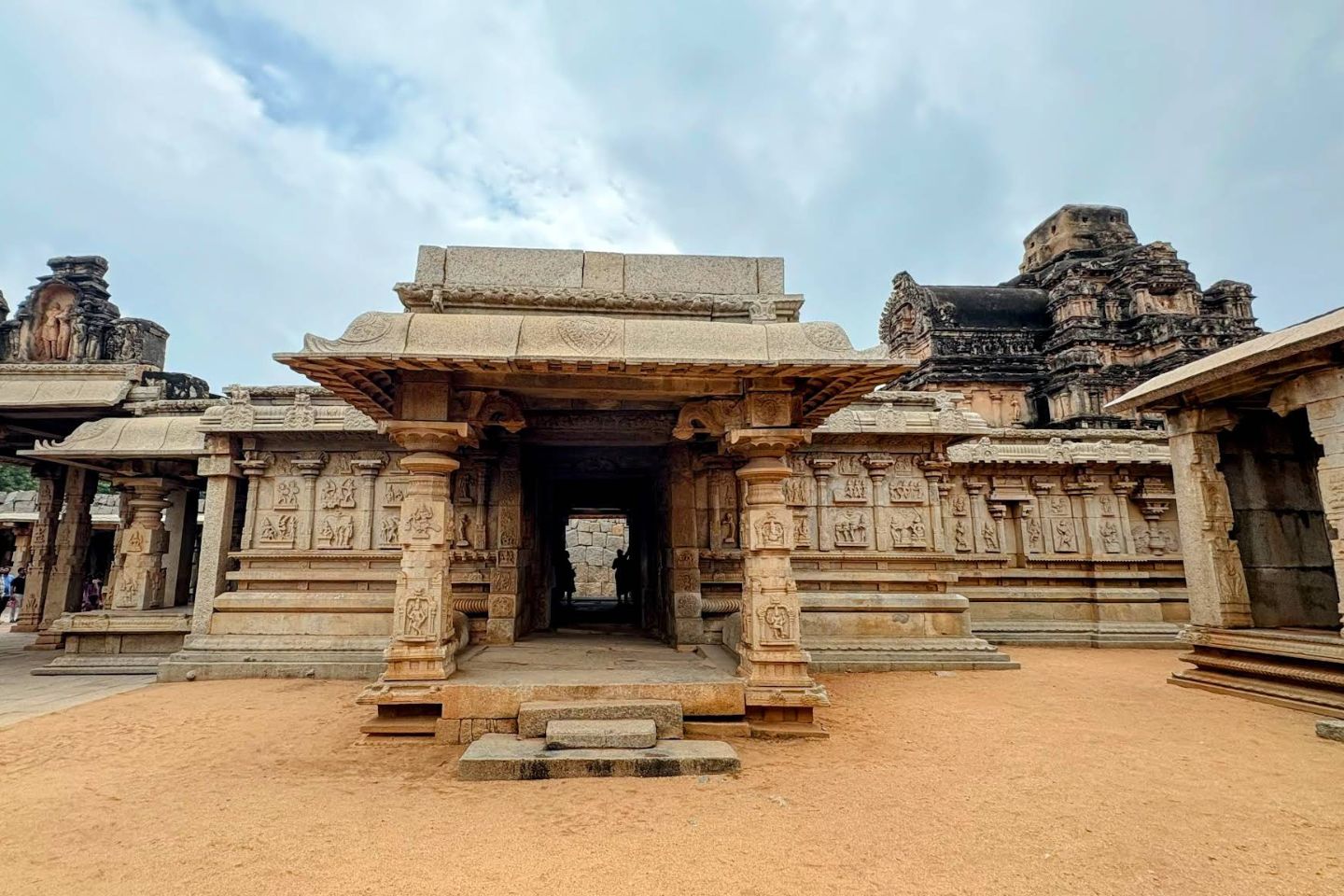
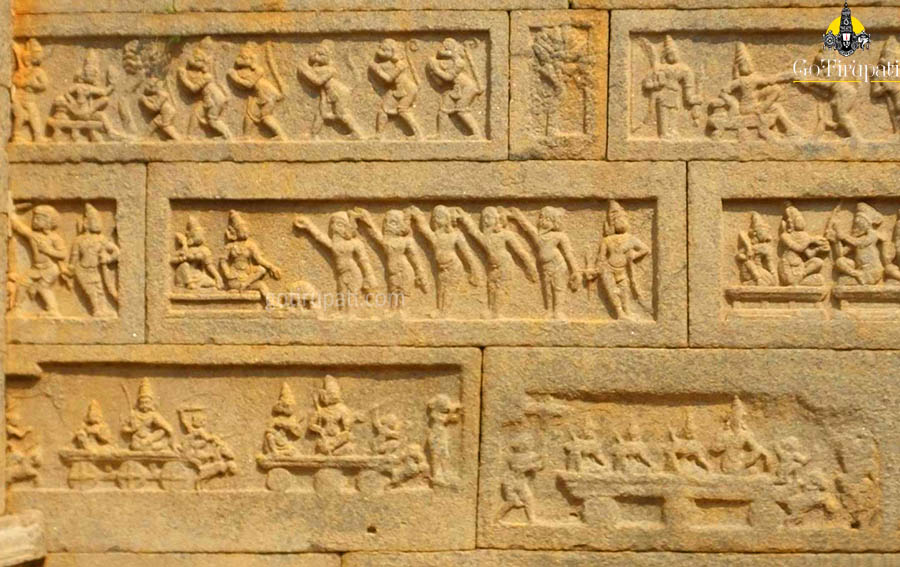
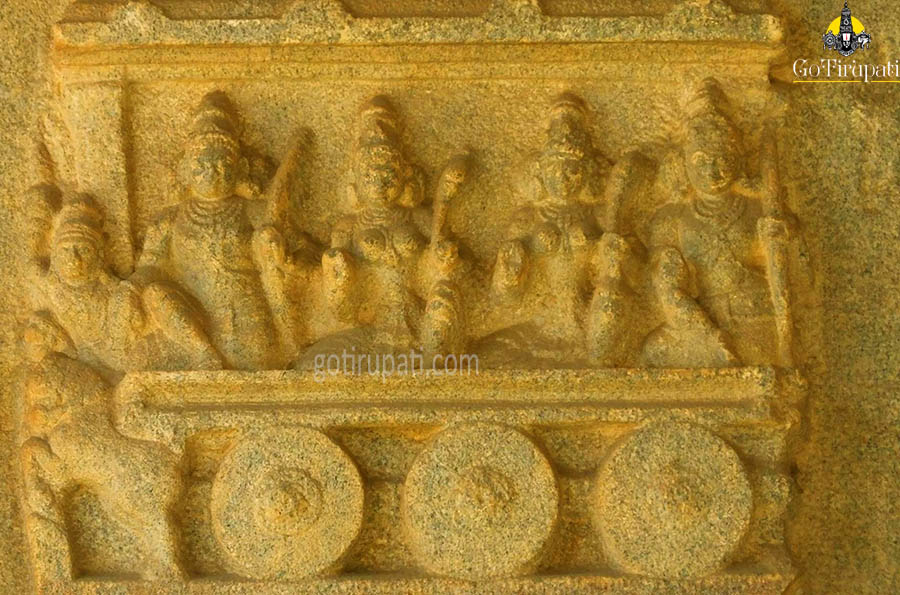
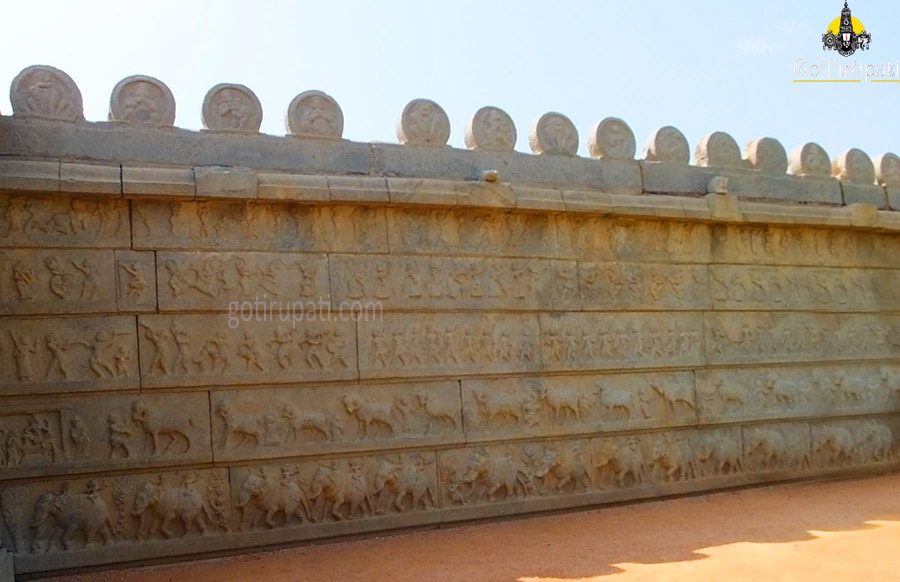
The exterior walls of Hazara Rama Temple are distinguished by an extensive series of carved panels depicting scenes from the Ramayana. These sculptural narratives represent a major artistic achievement of the Vijayanagara period and serve as both devotional imagery and historical documentation of how the epic was understood and visualized during this era. The panels cover substantial portions of the temple's outer surfaces, creating a visual retelling of Rama's story in stone.
The temple complex itself reflects the architectural vocabulary of the Vijayanagara empire, incorporating design elements characteristic of the period. The presence of these narrative panels on such a prominent scale distinguishes this temple from many other contemporary structures and indicates the importance placed on illustrating the Ramayana within this royal context.
Visiting the Temple
Hazara Rama Temple is open daily from 6:00 am to 6:00 pm, allowing visitors flexibility in planning their visit. Entry is free. The temple is located in Hampi, Karnataka, at coordinates 15.317779, 76.468803, within the broader Hampi archaeological complex. Visitors should be aware that this is an active sacred space as well as a heritage monument, and appropriate respectful conduct is expected. Modest dress—covering shoulders and knees—is advisable when visiting Hindu temples. Photography policies may vary; it is courteous to observe any restrictions indicated on-site or to ask permission before photographing.
The temple can be reached as part of a broader tour of Hampi's monuments. The town of Hampi is accessible by road from nearby cities, and various tour operators offer packages that include visits to multiple sites within the archaeological zone. Visitors planning to explore Hazara Rama Temple should allow time to examine the carved panels in detail, as their artistic and narrative content rewards careful observation.
The Ramayana in Stone
The extensive Ramayana panels adorning the temple's exterior walls represent a distinctive feature of this shrine. These carvings functioned as both devotional aids and public expressions of the epic narrative, allowing worshippers and visitors to encounter the story of Rama through visual means. The panels demonstrate the sophisticated sculptural techniques available to Vijayanagara artisans and the cultural importance of the Ramayana within the empire's religious life.
For devotees, these carved narratives serve as focal points for meditation and reflection on Rama's life and teachings. For visitors with scholarly or historical interests, the panels provide insight into how the epic was interpreted and represented during the sixteenth century.
Understanding the Temple's Context
Hazara Rama Temple should be understood within the larger context of Hampi as a whole. The site represents the remains of Vijayanagara, once one of the world's largest cities, and the temple is one component of an extensive archaeological zone. The temple's status as a royal shrine distinguishes it from many other temples in the region, which typically served broader communities. This royal association shaped its architecture, decoration, and historical trajectory.
The temple's inclusion within UNESCO's World Heritage designation reflects its importance as a cultural monument. Visitors exploring Hampi will encounter Hazara Rama Temple alongside numerous other structures—palaces, markets, fortifications, and other shrines—that together illustrate the sophistication and scale of Vijayanagara civilization at its height.
How to reach
Temples near Hazara Rama temple
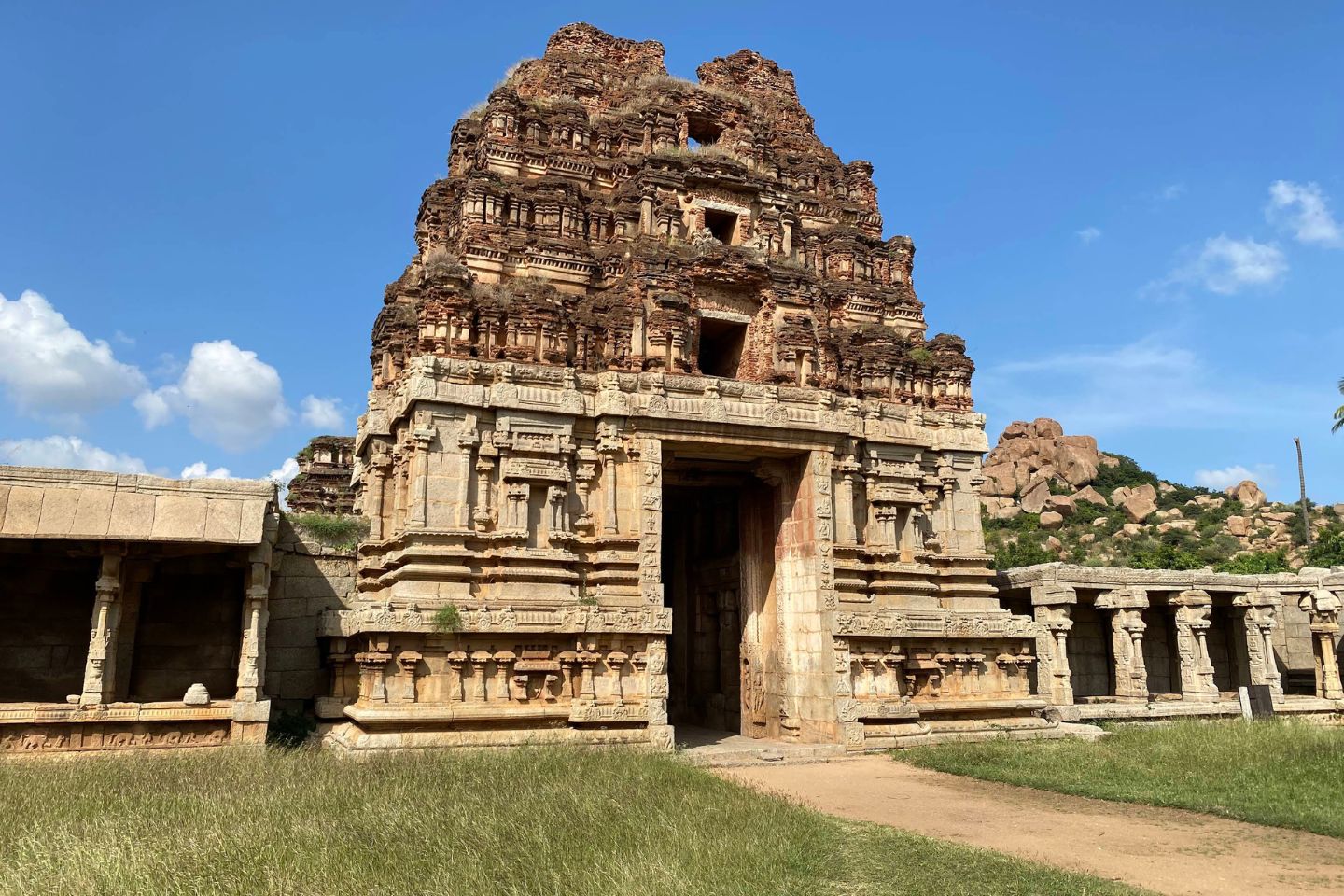
Achyutaraya temple
Achyutaraya Temple is a magnificent Vijayanagara-era monument built in 1534 AD, featuring Lord Tiruvengalanatha (Vishnu) as its primary deity, showcasing exquisite architectural…
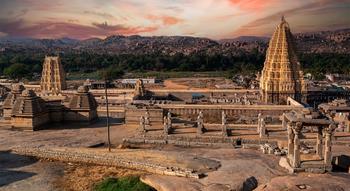
Virupaksha Temple
The Virupaksha Temple in Hampi is a 7th-century shrine dedicated to Virupaksha, a manifestation of Shiva, situated on the banks of the Tungabhadra River and recognized as part o…
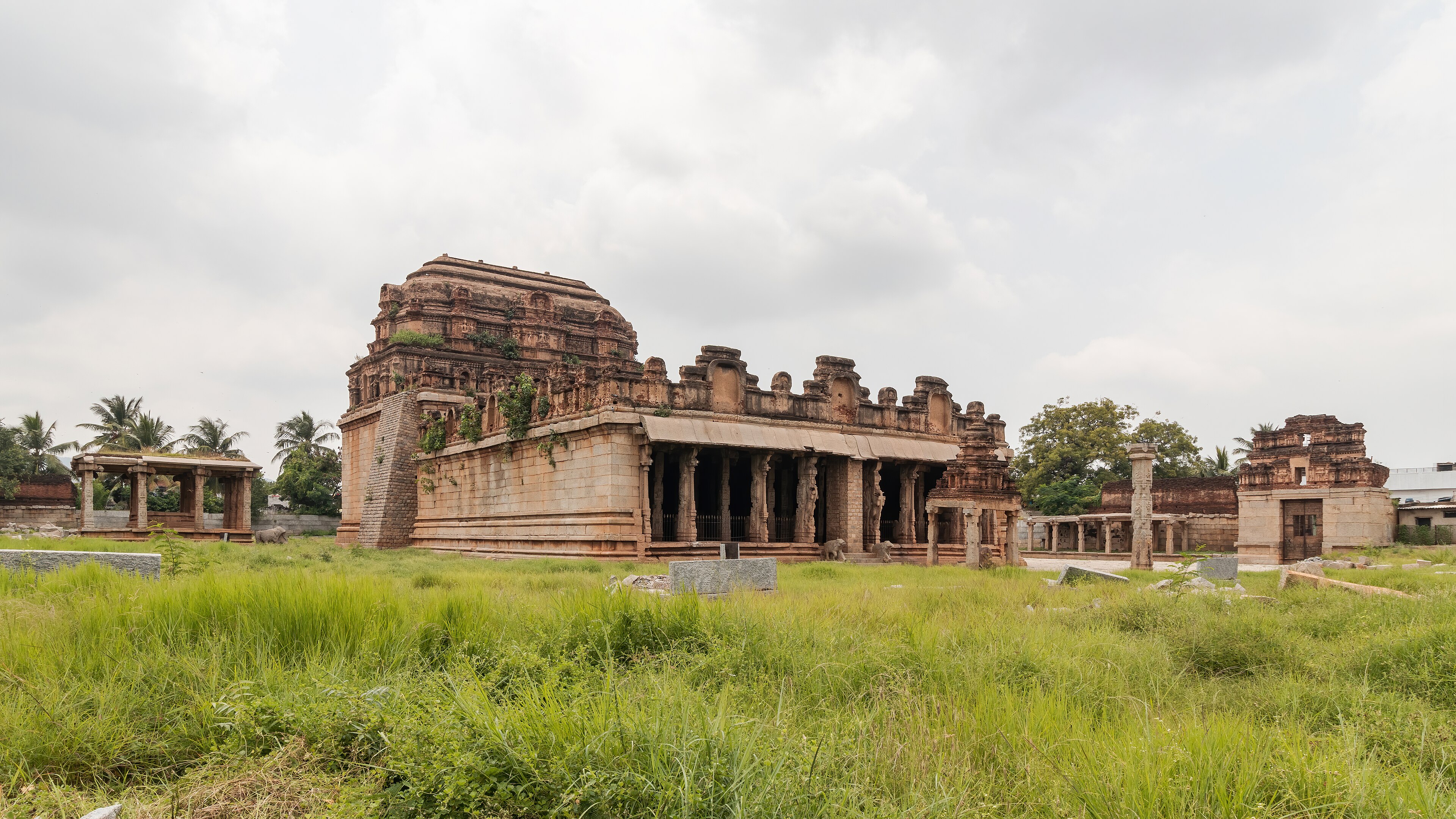
Ananthasayana temple
Ananthasayana temple in Ananthasayanagudi, Vijayanagara district, Karnataka, was built by King Krishnadeva Raya of the Vijayanagara Empire as a memorial to his deceased son.

Kanakachalapathi Temple, Kanakagiri
The Kanakachalapathi Temple in Kanakagiri is a 16th-century Hindu shrine dedicated to Lord Vishnu, particularly venerated as Lakshmi Narasimha. This Vijayanagara-period monument…
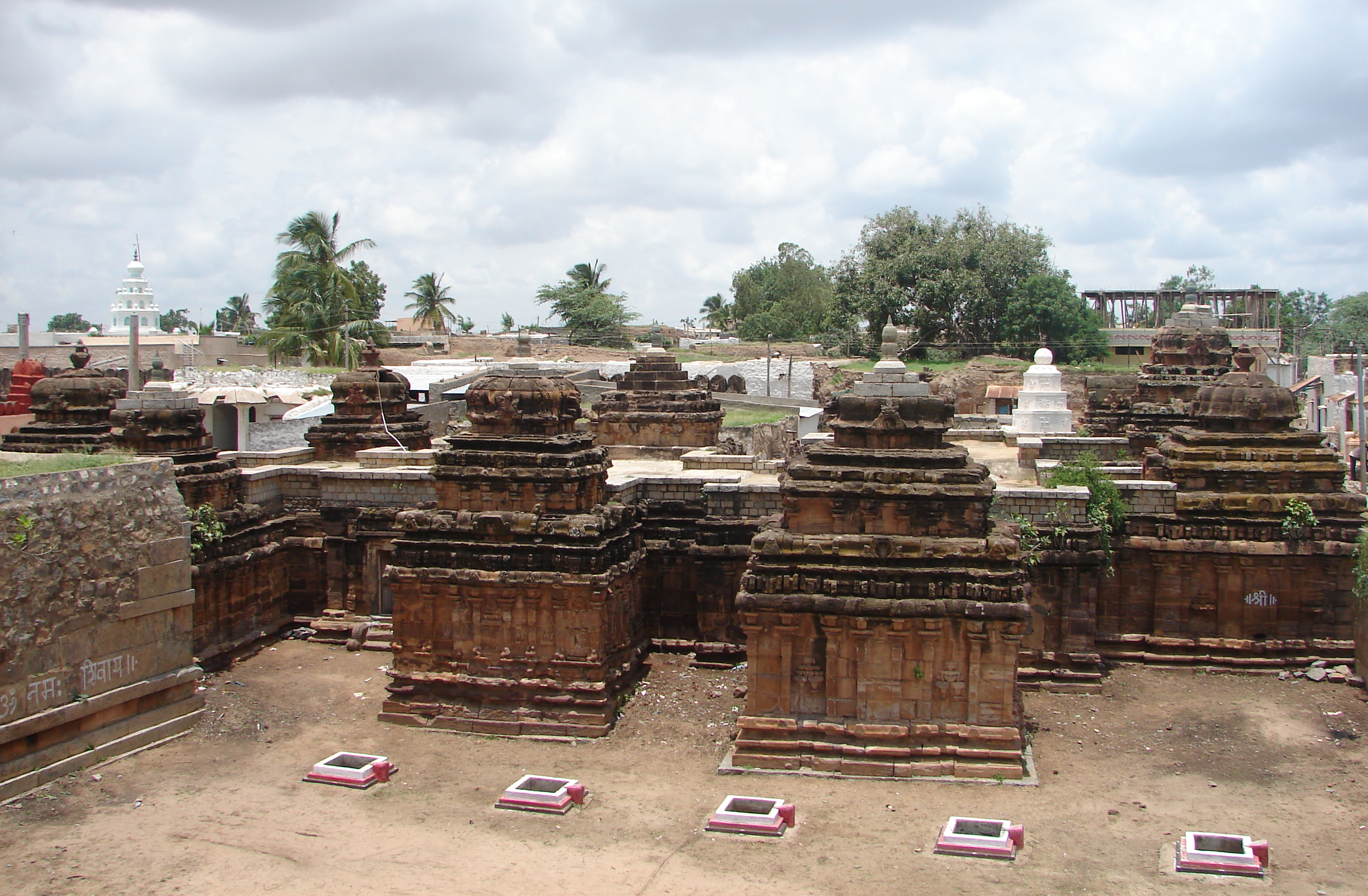
Navalinga Temple
Navalinga Temple is a 9th-century cluster of nine Hindu temples dedicated to Shiva, each housing a linga, located in Kukkanur near Itagi in Karnataka's Koppal district.
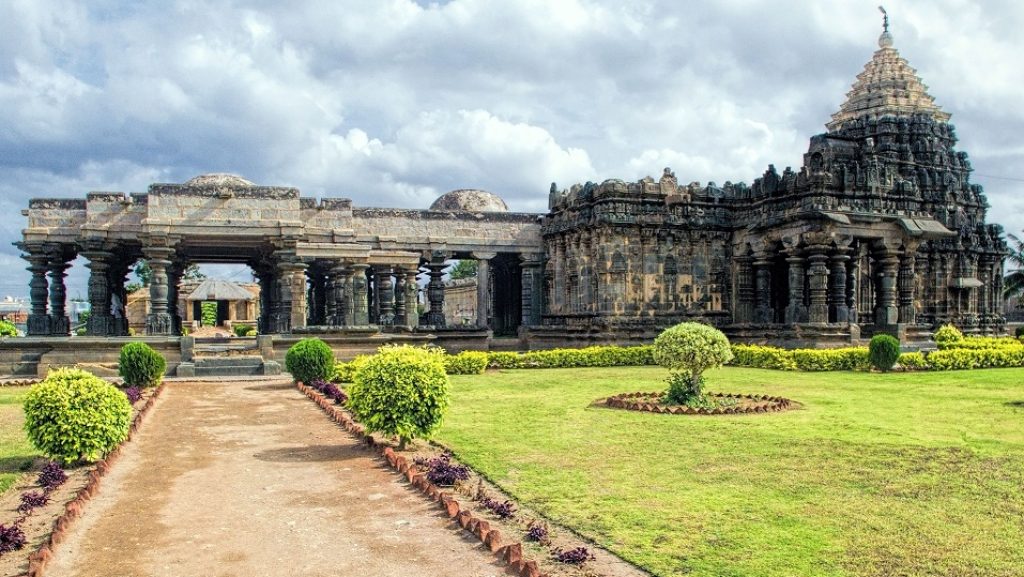
Mahadeva Temple, Itagi
The Mahadeva Temple in Itagi is a 12th-century Vesara-style shrine dedicated to Lord Shiva, built by Mahadeva Dandanayaka under Western Chalukya King Vikramaditya VI and now pro…