Navalinga Temple
About Navalinga Temple
The Navalinga Temple was constructed during the reign of either King Amoghavarsha I or his successor Krishna II of the Rashtrakuta Dynasty. This period marked a flourishing of temple construction across the Deccan, as the Rashtrakuta rulers invested substantially in religious architecture. The 9th century was a time of considerable political stability and cultural achievement in this region, enabling the ambitious building projects that produced temples of lasting significance.
The Rashtrakuta patronage of Shiva temples reflects the dynasty's religious commitments and their role as major sponsors of Hindu temple construction. The decision to build nine separate shrines rather than a single large temple suggests deliberate theological or architectural planning, though the specific reasoning behind this design remains part of the temple's historical record.
Architecture and Design
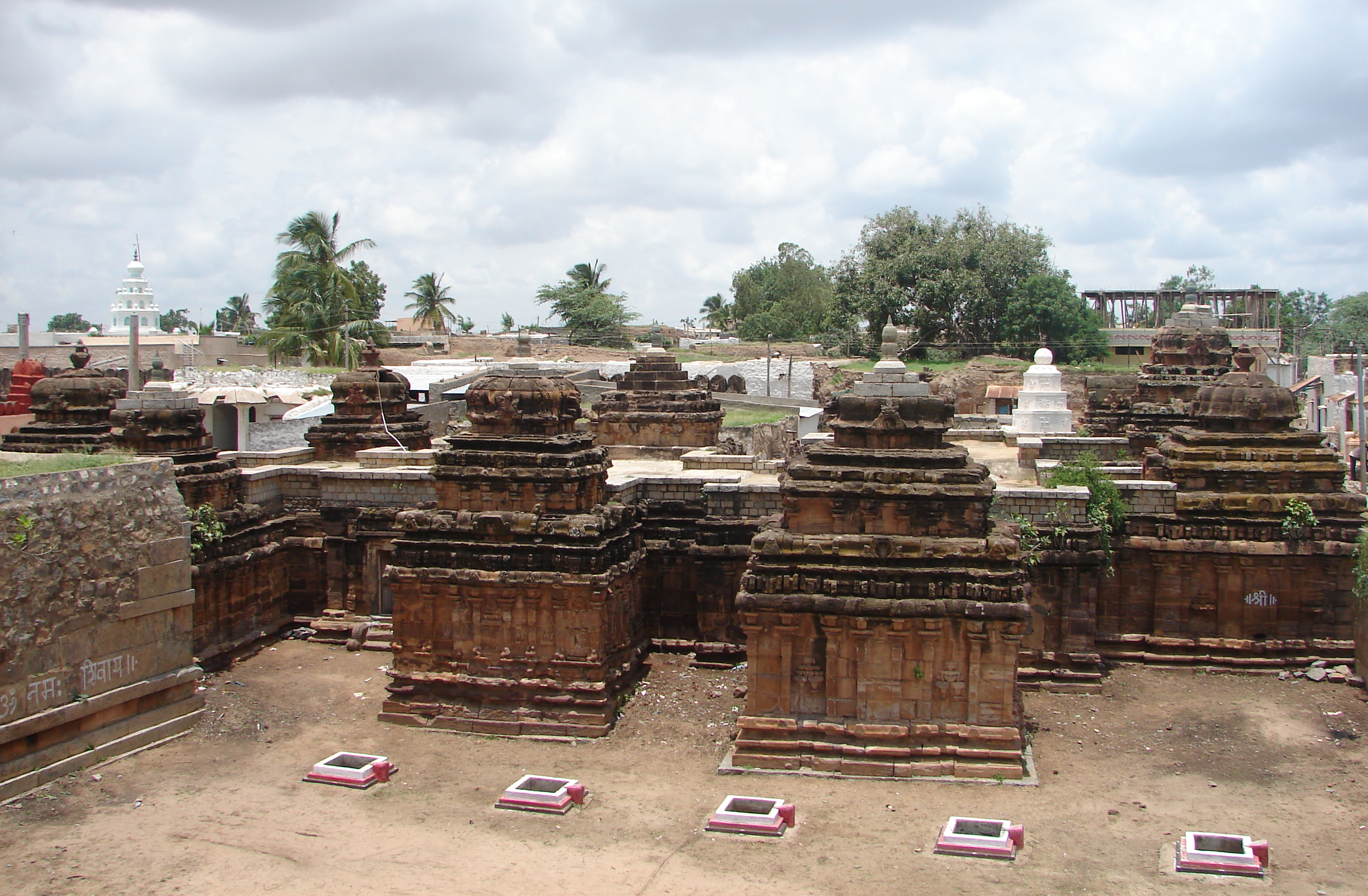
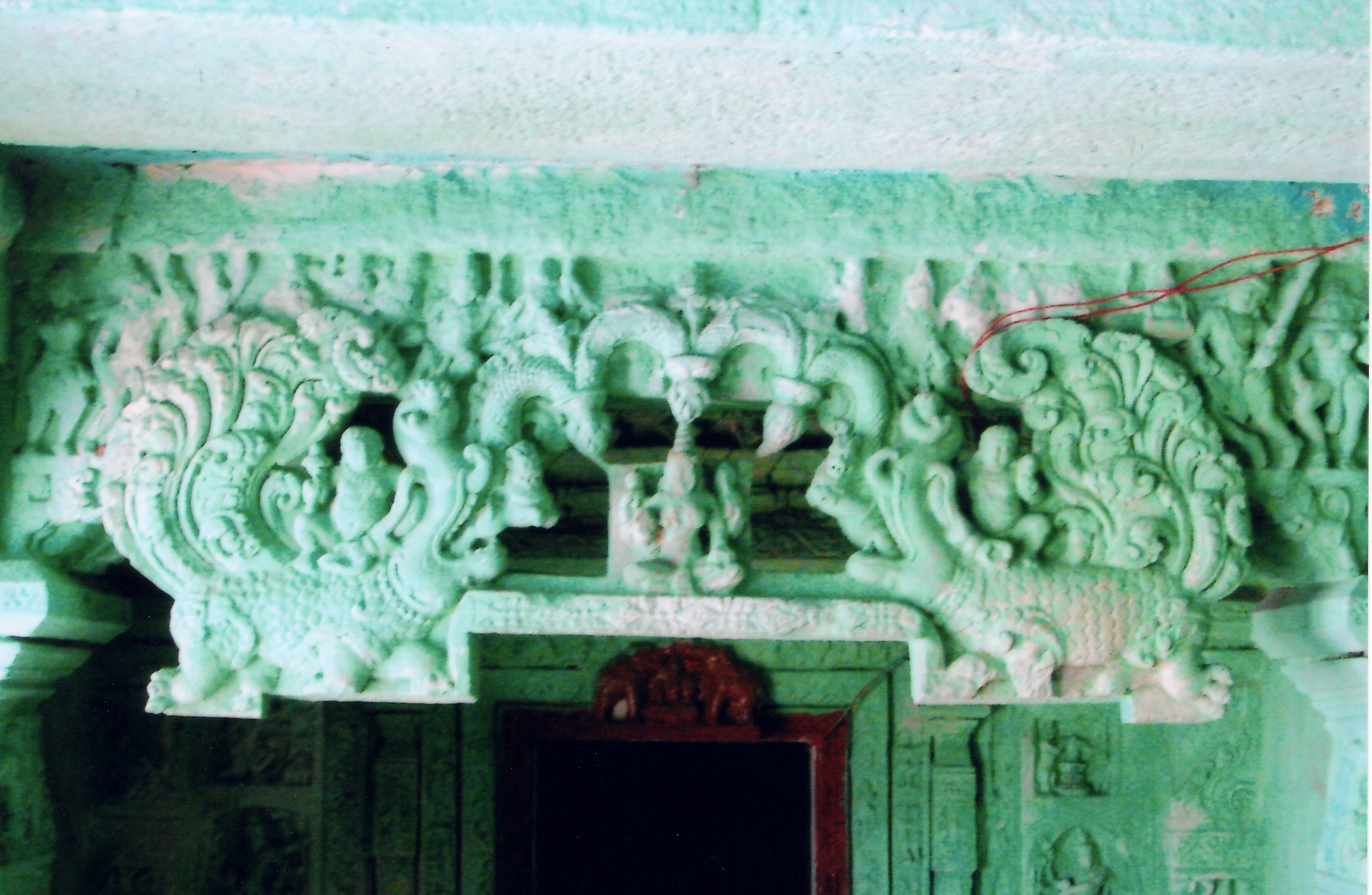
The Navalinga Temple complex exemplifies Dravidian architectural style, the dominant temple-building tradition of South India. Each of the nine temples follows this classical approach, with structures designed to house a linga within a sanctum. The Dravidian style emphasizes vertical elements and intricate stone carving, creating temples that are both functionally sacred spaces and artistic achievements.
The arrangement of nine separate temples within a unified complex creates a distinctive spatial experience for visitors. Rather than entering a single large shrine, devotees encounter multiple sacred spaces, each dedicated to Shiva in the form of the linga. This multiplicity may have served both practical and spiritual purposes—allowing more pilgrims to worship simultaneously while also expressing theological concepts about the nature of divinity.
Visiting the Temple
Navalinga Temple is accessible by road from nearby towns. The nearest significant city is Gadag, approximately 25 miles to the west. Visitors should plan their journey accounting for the rural location and local road conditions. The temple is situated in Kukkanur village, and local directions or GPS coordinates (15.490777777778, 75.989611111111) will assist in navigation.
As a Shiva temple, standard practices for Hindu temple visits apply. Visitors should dress modestly and remove footwear before entering the sanctum areas. The linga form of worship is central to the temple's purpose, and devotees typically circumambulate the shrines as part of their worship. Specific information about current opening hours, facilities, or formal darshan timings is not documented in available sources, so visitors should inquire locally or contact nearby temples in Koppal district for practical details about access and worship procedures.
The Linga and Shiva Worship
The linga is one of Hinduism's most ancient and widespread symbols of Shiva, representing both the formless absolute and the creative force of the universe. In temples dedicated to Shiva, the linga serves as the primary focus of worship and meditation. Devotees typically offer water, flowers, and prayers to the linga, viewing these acts as forms of devotion and communion with the divine.
The presence of nine lingas at this site creates a unique devotional landscape. Pilgrims may worship at each shrine in sequence, or focus their attention on particular lingas according to personal practice or guidance from temple priests. The repetition of the sacred form across multiple temples emphasizes the omnipresence and multiplicity of Shiva within Hindu theology.
Significance and Legacy
The Navalinga Temple complex represents an important example of 9th-century South Indian religious architecture and the Rashtrakuta Dynasty's cultural achievements. As a cluster of nine temples rather than a single monumental structure, it offers insight into medieval approaches to sacred space and worship design. The site remains a destination for pilgrims devoted to Shiva and for those interested in the architectural heritage of Karnataka's Deccan region.
The temple's survival from the 9th century to the present day testifies to its construction quality and the continuity of Hindu worship practices across centuries. For visitors to the region, Navalinga Temple provides an opportunity to encounter medieval temple architecture in a relatively undisturbed setting, away from the larger pilgrimage centers that draw crowds to more famous sites.
How to reach
Temples near Navalinga Temple
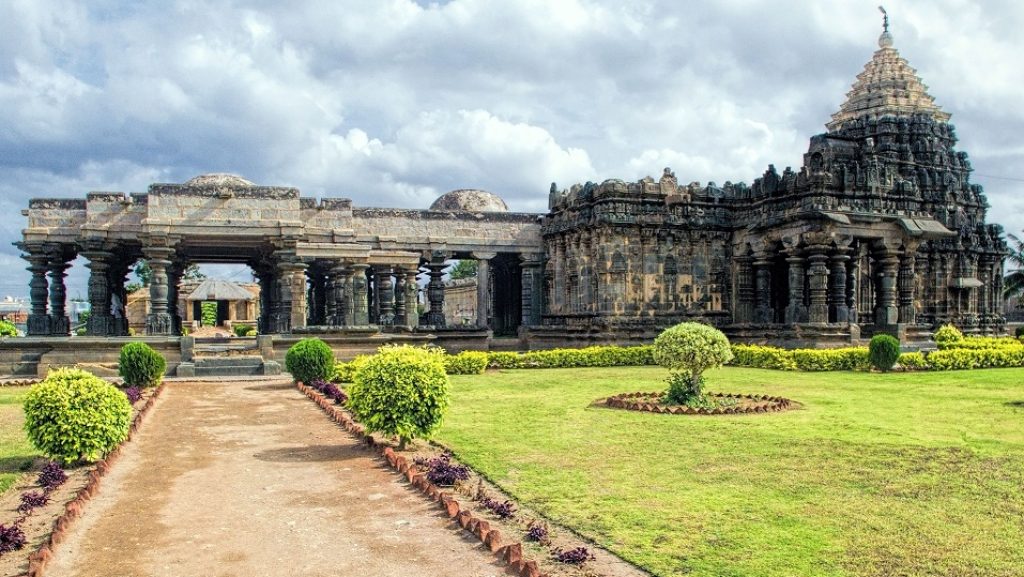
Mahadeva Temple, Itagi
The Mahadeva Temple in Itagi is a 12th-century Vesara-style shrine dedicated to Lord Shiva, built by Mahadeva Dandanayaka under Western Chalukya King Vikramaditya VI and now pro…
Doddabasappa Temple, Dambal
Doddabasappa Temple is a 12th-century Western Chalukyan shrine in Dambal, Karnataka, distinguished by its rare 24-pointed stellate architectural design and soapstone construction.
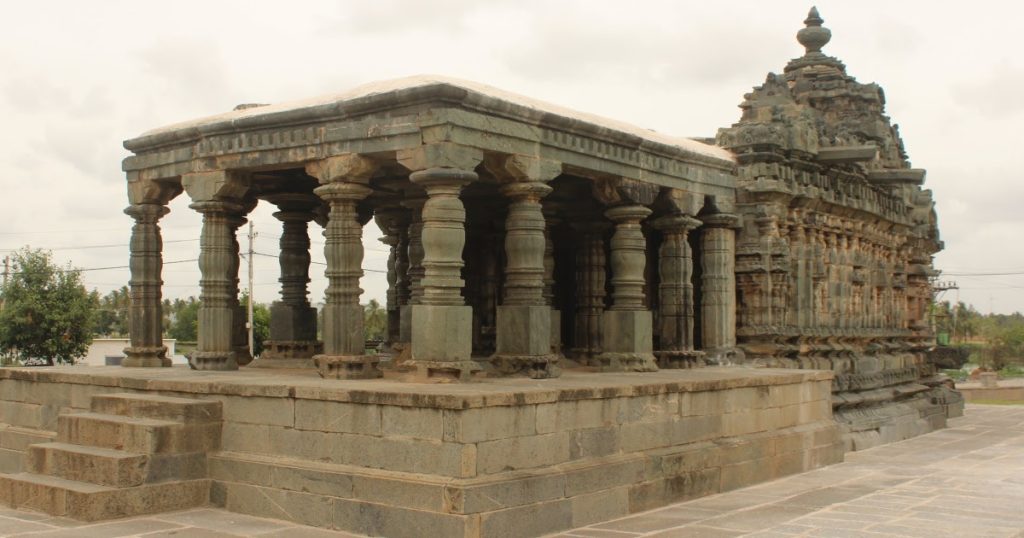
Nannesvara Temple, Lakkundi
An 11th-century Shiva temple in Lakkundi representing the earliest imperial-style architecture of the Kalyana Chalukyas, blending North and South Indian architectural traditions.

Bhimambika temple, Itagi
Bhimambika Temple in Itagi is a revered Hindu shrine dedicated to the goddess, functioning as both a mutt and place of worship where devotees seek wish fulfillment through tradi…
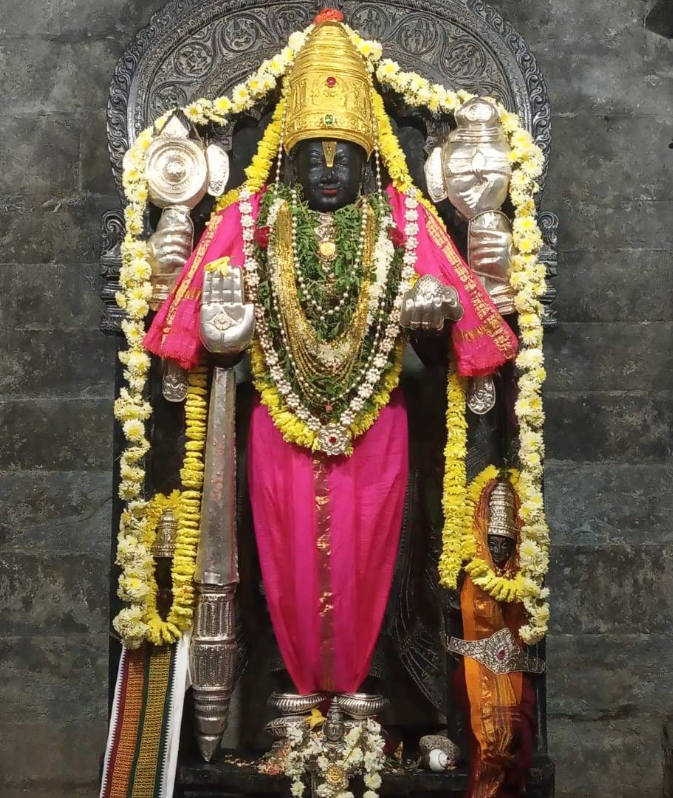
Veeranarayana Temple, Gadag
Veeranarayana Temple in Gadag is an 11th-century Hindu shrine dedicated to Narayana (Vishnu), built by the Chalukyas of Kalyani and protected as an archaeological monument.

Kanakachalapathi Temple, Kanakagiri
The Kanakachalapathi Temple in Kanakagiri is a 16th-century Hindu shrine dedicated to Lord Vishnu, particularly venerated as Lakshmi Narasimha. This Vijayanagara-period monument…