Ananthasayana temple
About Ananthasayana temple
The 16th century was the height of Vijayanagara Empire's power and architectural ambition. Krishnadeva Raya, who ruled during this period, was among the empire's most celebrated monarchs, known for his military conquests, administrative reforms, and patronage of the arts and religion. The construction of temples formed a central part of royal policy, serving both devotional and political purposes.
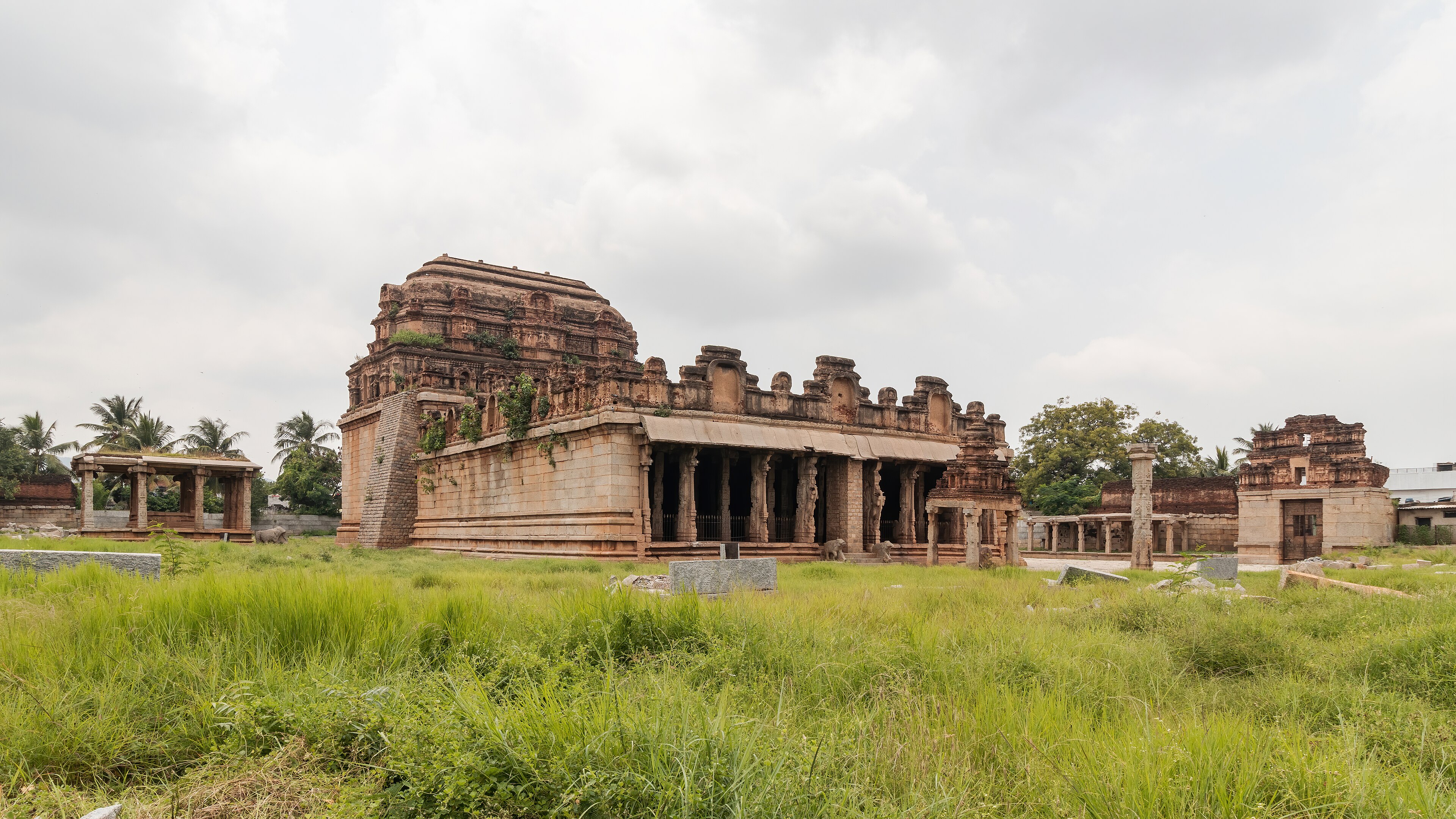
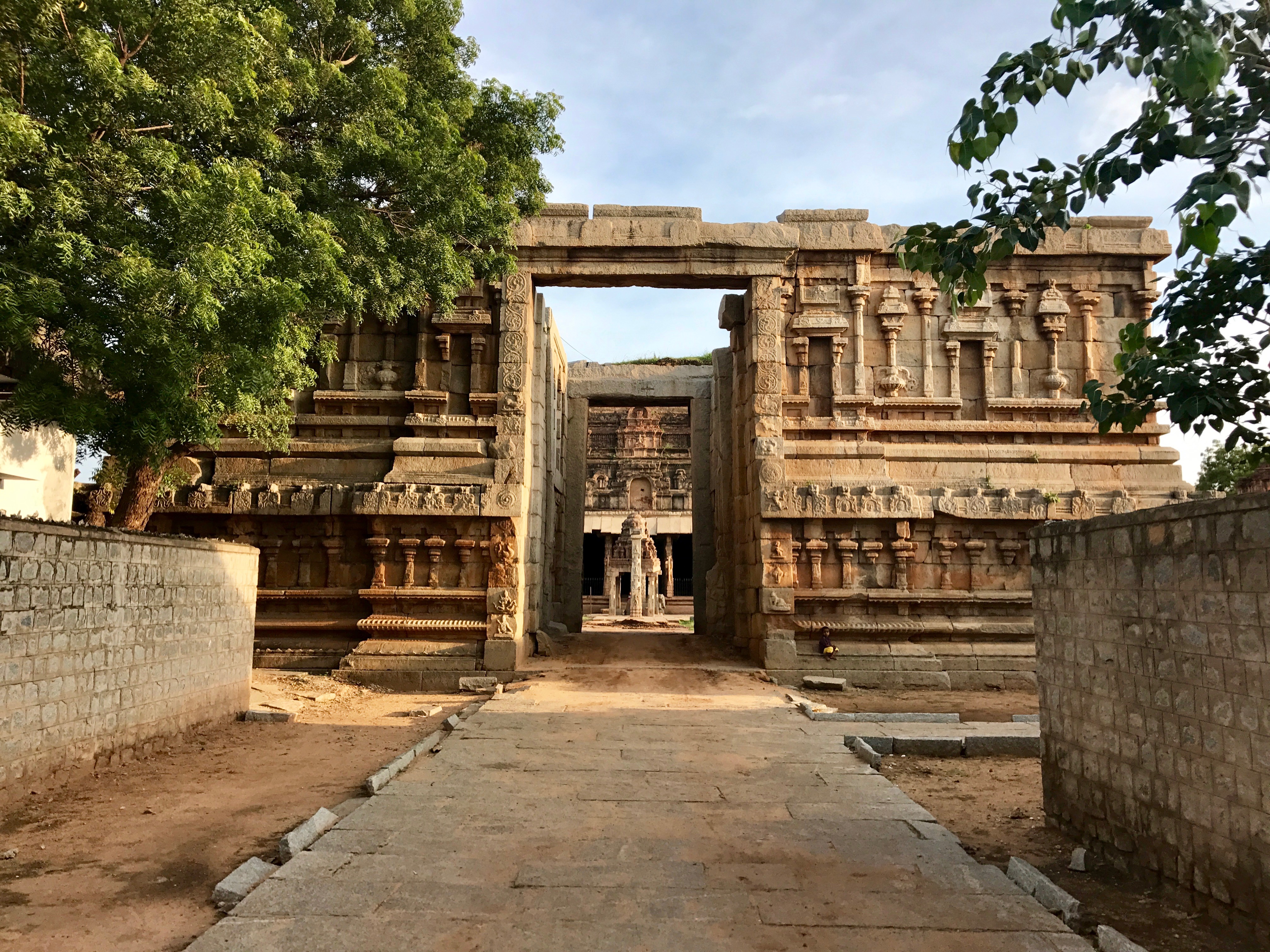
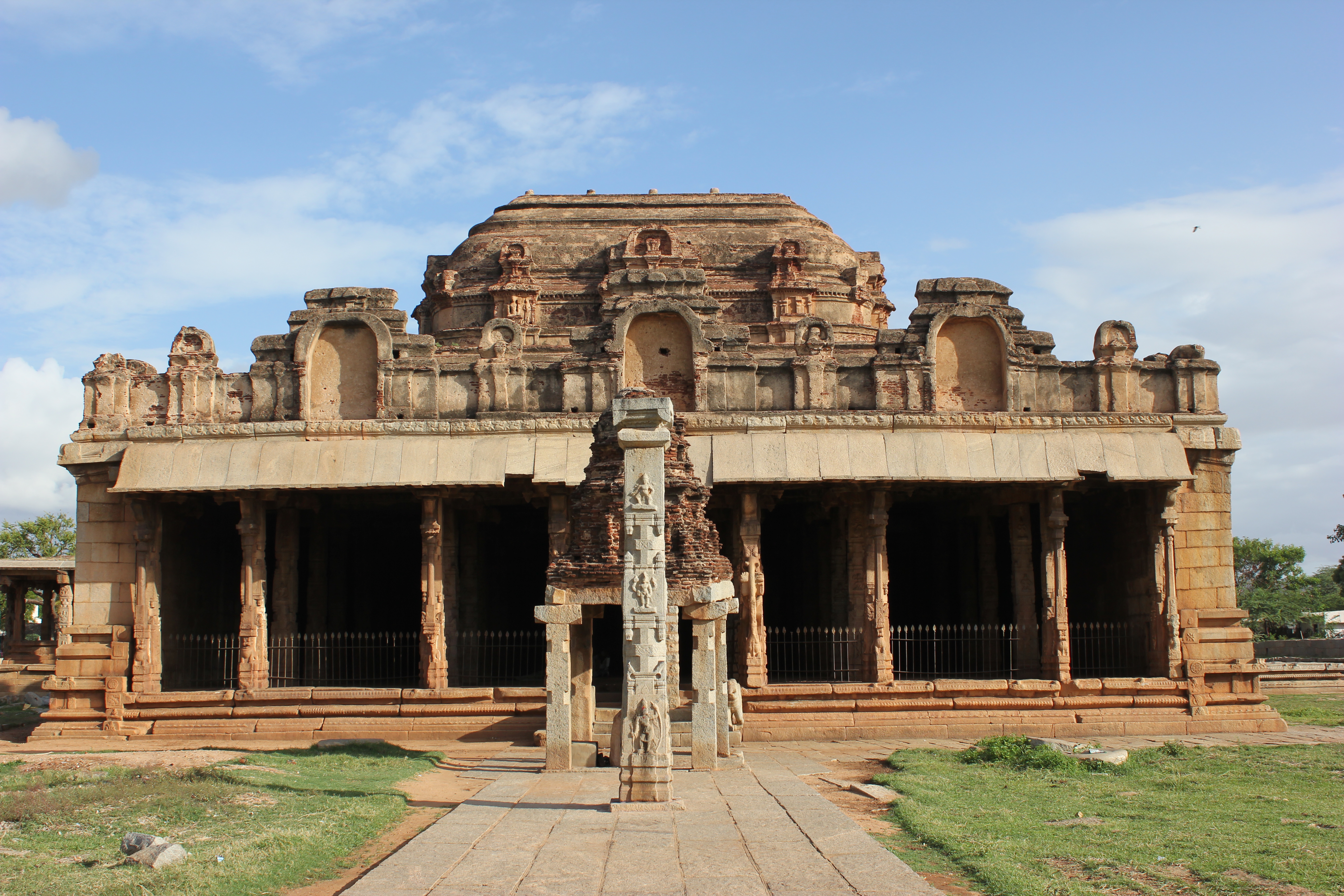
Temples built during this era typically incorporated distinctive architectural features characteristic of the Vijayanagara style, though specific architectural details of this particular temple are not documented in available sources. The empire's temple-building program reflected a sophisticated understanding of how sacred spaces could reinforce royal authority while simultaneously expressing genuine religious commitment.
Visiting the Temple
The temple is located at coordinates 15.278055555556, 76.407222222222 in Ananthasayanagudi village. Visitors planning a trip should note that detailed information about current opening hours, darshan timings, and facilities is not available in standard sources. It is advisable to contact local authorities or the Vijayanagara district administration for practical details about access, accommodation nearby, and any specific customs observed at this particular shrine.
As with most Hindu temples, visitors should dress modestly and remove footwear before entering the sanctum. Many temples in Karnataka observe specific protocols for darshan and ritual participation; checking locally about any particular practices at Ananthasayana temple will help ensure a respectful visit.
The Significance of Memorial Temples
Royal memorial temples occupy a particular place in Hindu religious architecture. Built to honor the deceased and secure their spiritual welfare, such temples combine mourning with devotion. The act of constructing a temple transforms personal loss into a lasting religious institution that serves the broader community. Krishnadeva Raya's choice to build this temple for his son reflects both the depth of royal grief and the conviction that sacred architecture could benefit the departed soul.
The temple's dedication to Ananthasayana—the infinite form of Vishnu in repose—suggests theological reflection on themes of eternity and the cyclical nature of existence, concepts central to Hindu philosophy that would have held particular resonance for a grieving parent.
Reaching Ananthasayanagudi
The temple is situated in Vijayanagara district, a region in northern Karnataka with historical significance as the former heartland of the Vijayanagara Empire. The nearest major city is Hospet (also spelled Hosapete), which serves as a transport hub for the region. From Hospet, local transport options typically include buses and auto-rickshaws to reach smaller villages like Ananthasayanagudi.
Visitors traveling to the region should plan their journey through Hospet or other district towns. The area is accessible by road, though specific details about current transport schedules and routes should be confirmed with local travel services before departure.
A Temple of History and Devotion
Ananthasayana temple represents an intersection of personal piety and imperial patronage, a physical manifestation of a ruler's response to loss through the language of sacred architecture. For visitors interested in Vijayanagara history, royal devotional practices, or the architectural heritage of Karnataka, this temple offers a window into a significant period of South Indian civilization. The temple's primary value lies not in elaborate facilities or major festivals documented in widely available sources, but in its historical significance as a 16th-century royal memorial and its role as a continuing place of worship in the Vijayanagara landscape.
How to reach


Temples near Ananthasayana temple
Hazara Rama temple
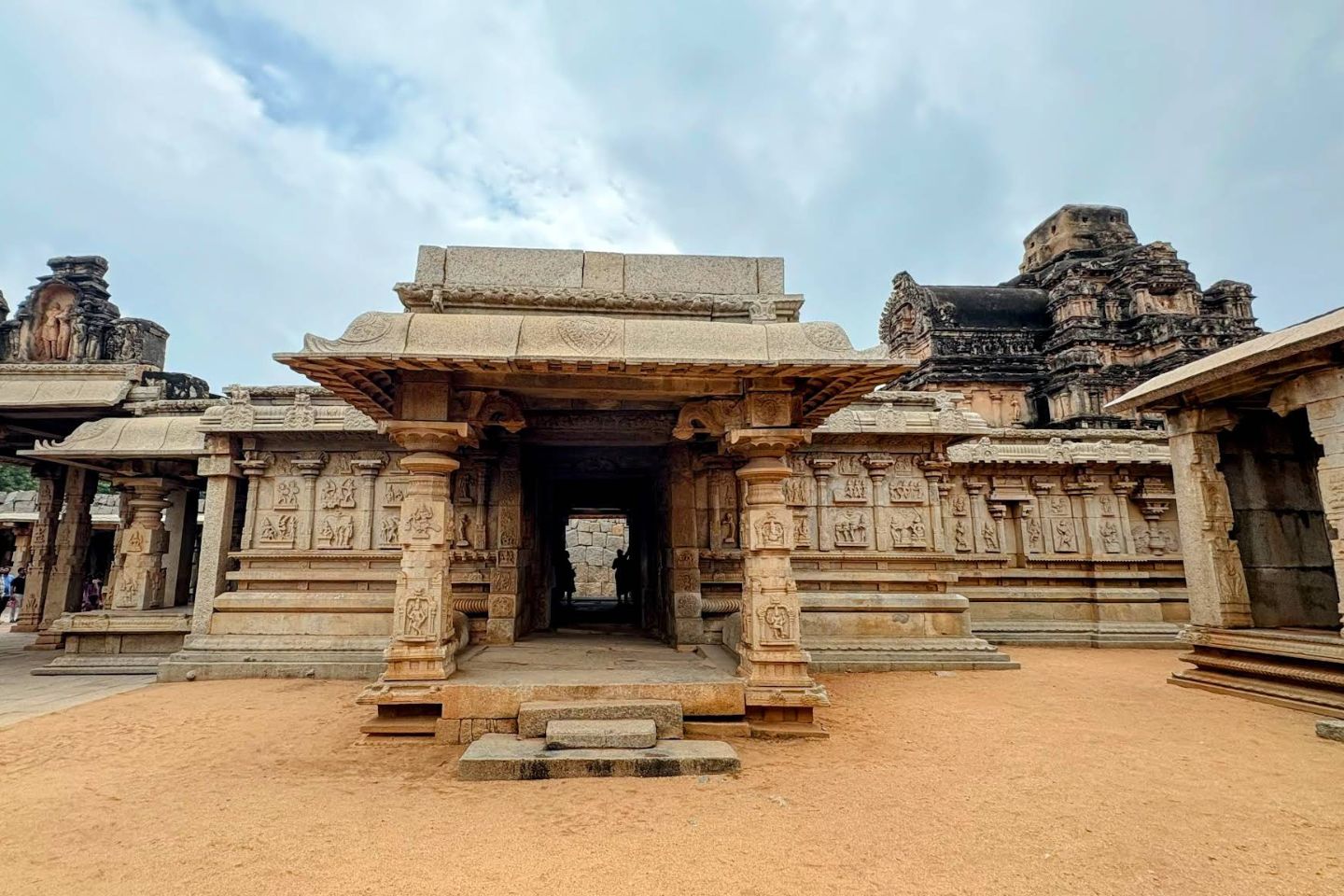
Hazara Rama Temple in Hampi is a 16th-century royal shrine dedicated to Lord Rama, renowned for its intricate Ramayana panels depicting scenes from the Hindu epic across its ext…
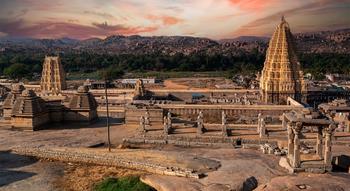
Virupaksha Temple
The Virupaksha Temple in Hampi is a 7th-century shrine dedicated to Virupaksha, a manifestation of Shiva, situated on the banks of the Tungabhadra River and recognized as part o…
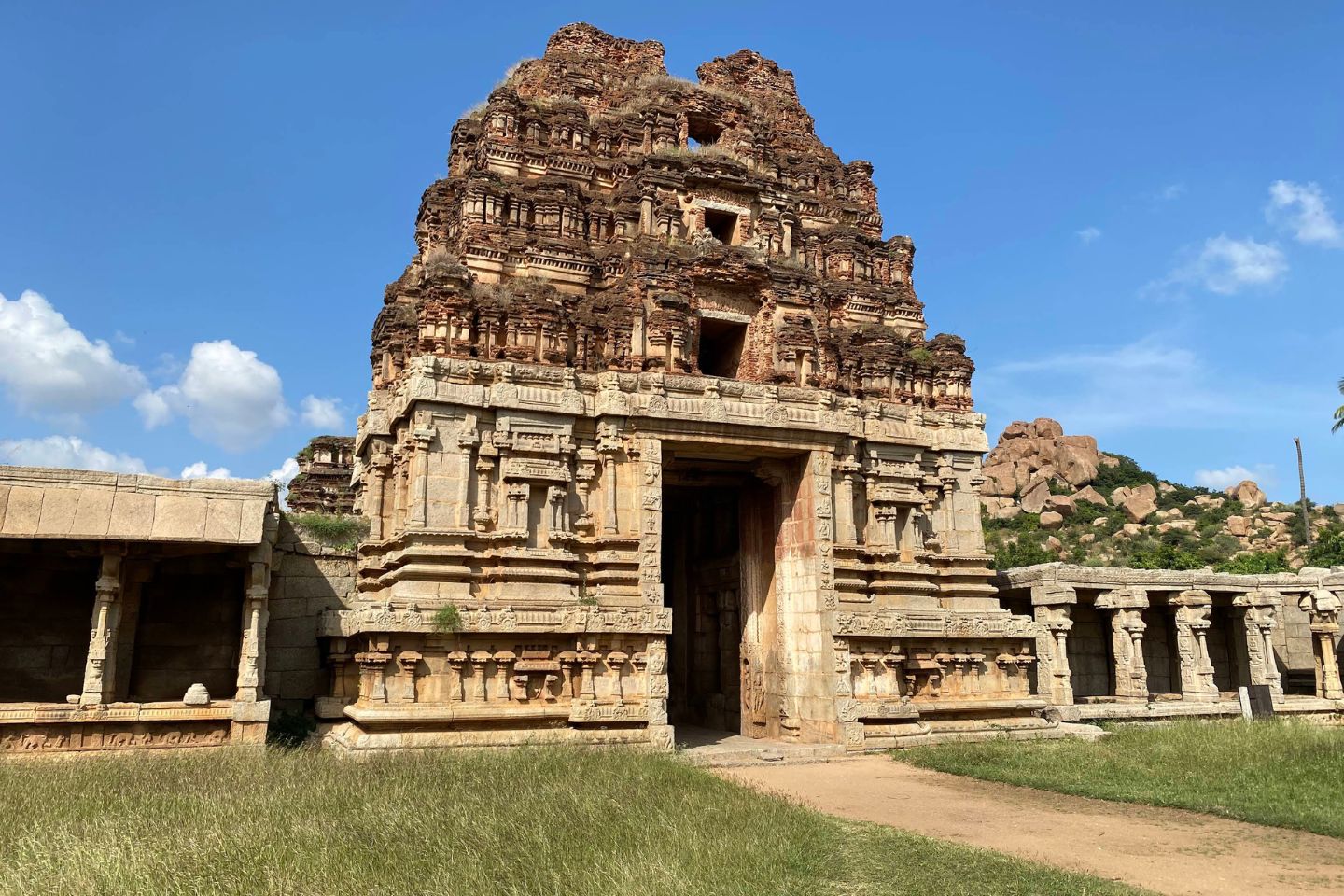
Achyutaraya temple
Achyutaraya Temple is a magnificent Vijayanagara-era monument built in 1534 AD, featuring Lord Tiruvengalanatha (Vishnu) as its primary deity, showcasing exquisite architectural…

Kanakachalapathi Temple, Kanakagiri
The Kanakachalapathi Temple in Kanakagiri is a 16th-century Hindu shrine dedicated to Lord Vishnu, particularly venerated as Lakshmi Narasimha. This Vijayanagara-period monument…
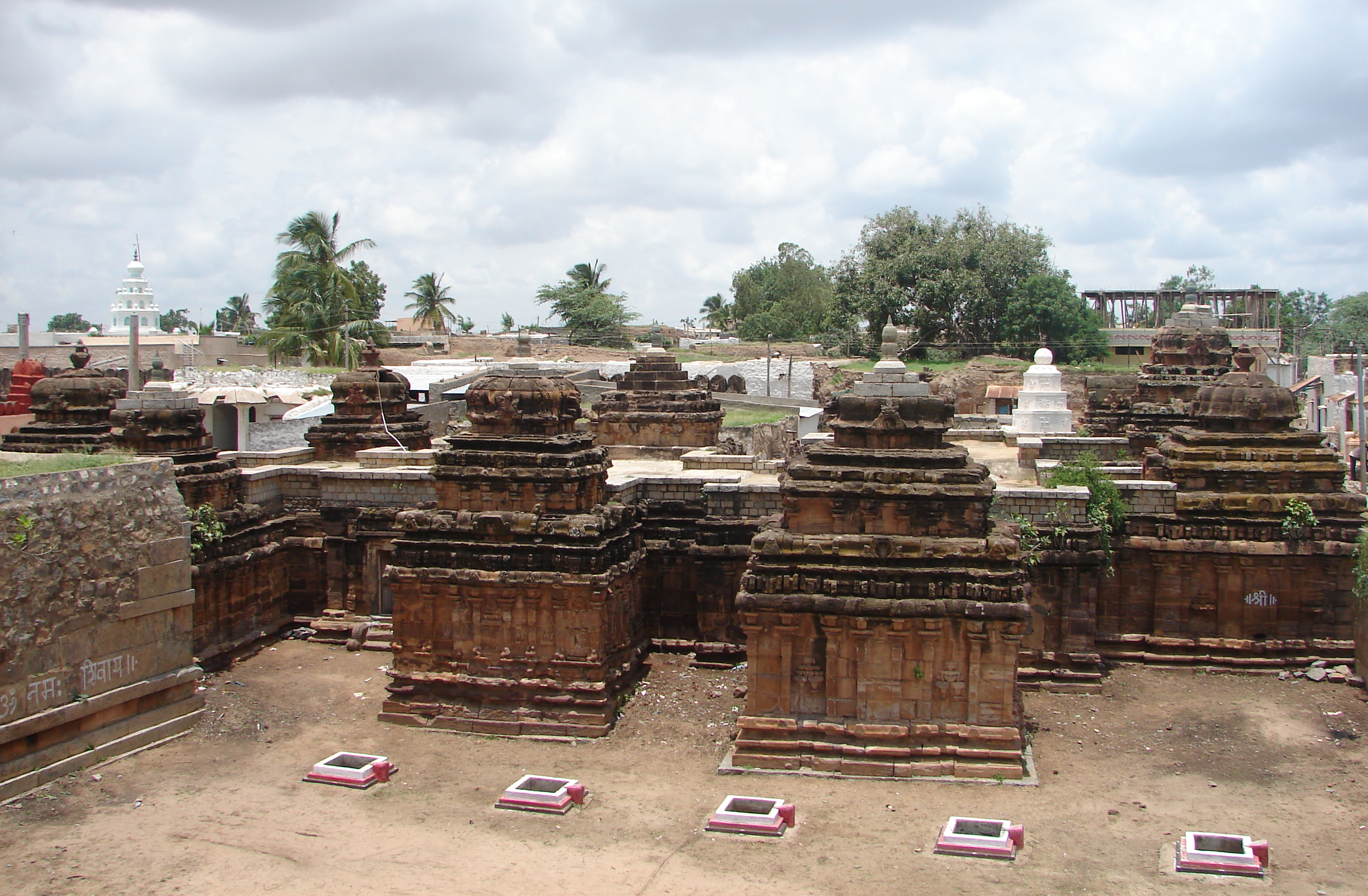
Navalinga Temple
Navalinga Temple is a 9th-century cluster of nine Hindu temples dedicated to Shiva, each housing a linga, located in Kukkanur near Itagi in Karnataka's Koppal district.
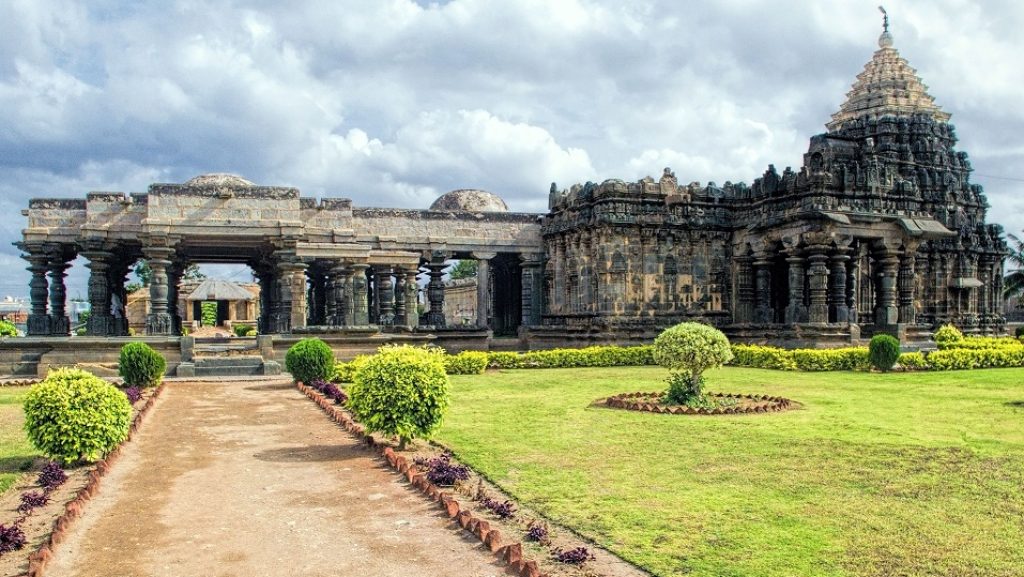
Mahadeva Temple, Itagi
The Mahadeva Temple in Itagi is a 12th-century Vesara-style shrine dedicated to Lord Shiva, built by Mahadeva Dandanayaka under Western Chalukya King Vikramaditya VI and now pro…