Kalika Mata Temple, Chittorgarh Fort
About Kalika Mata Temple, Chittorgarh Fort
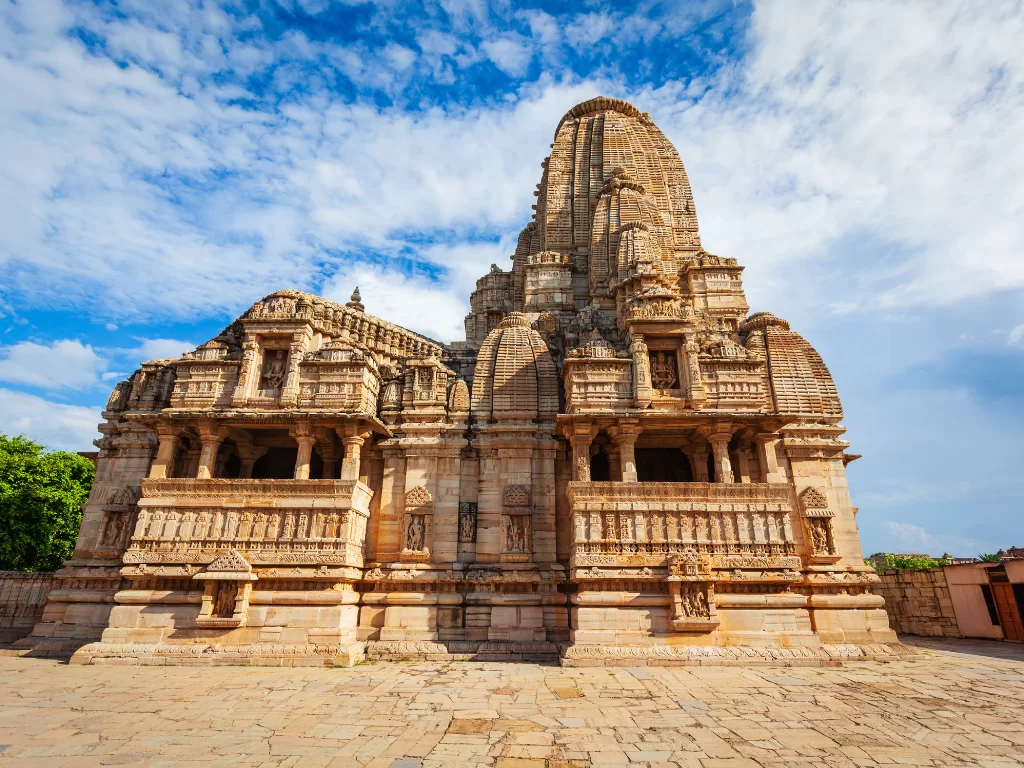
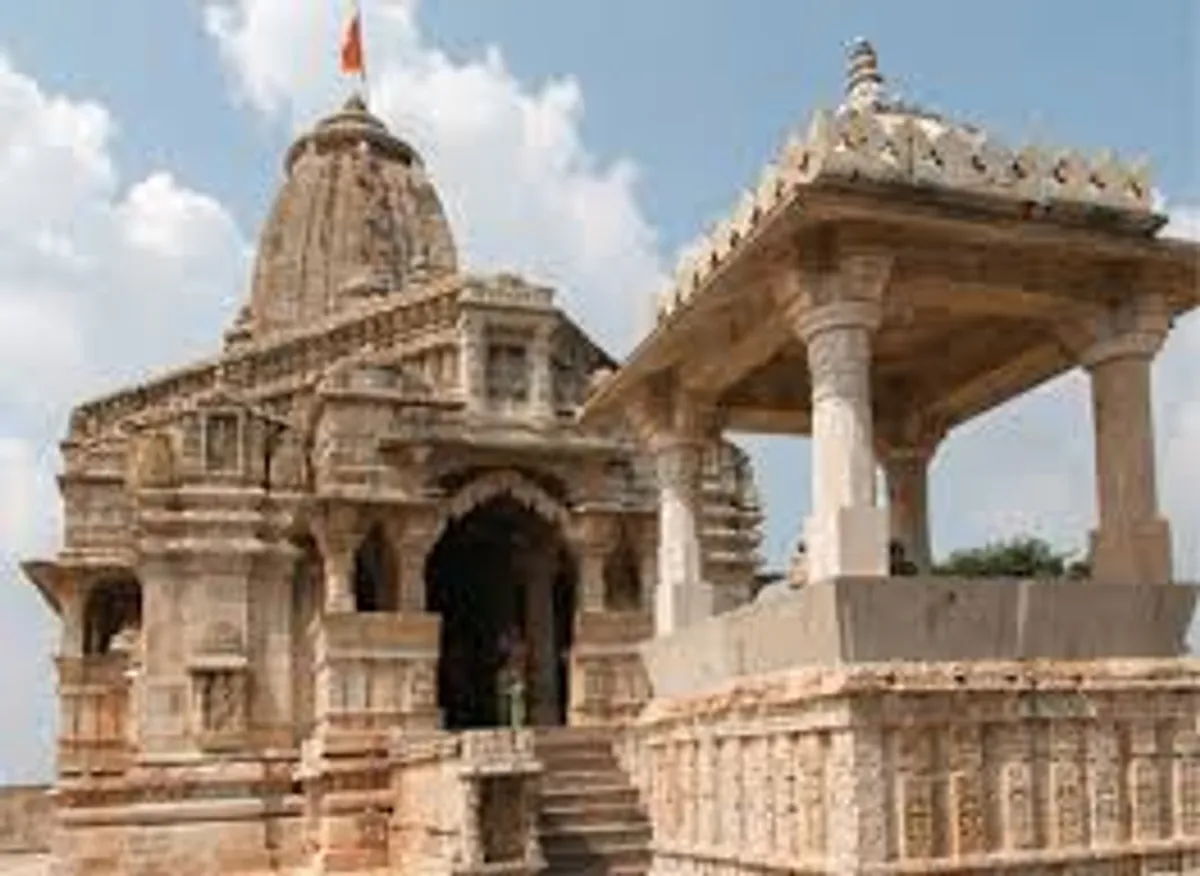
The temple's origins lie in the 8th century, when it was constructed as a Sun temple—a dedication reflected in its architectural vocabulary and in the twelve Adityas (sun deities) depicted in its stone carvings. The structure underwent significant change following the sack of Chittorgarh, when it was partly destroyed. Rana Kumbha later oversaw its reconstruction, redirecting the sacred space toward goddess worship. In the 14th century, Maharana Lakshman Singh installed an eternal lamp known as the Akhanda Jyoti within the temple.
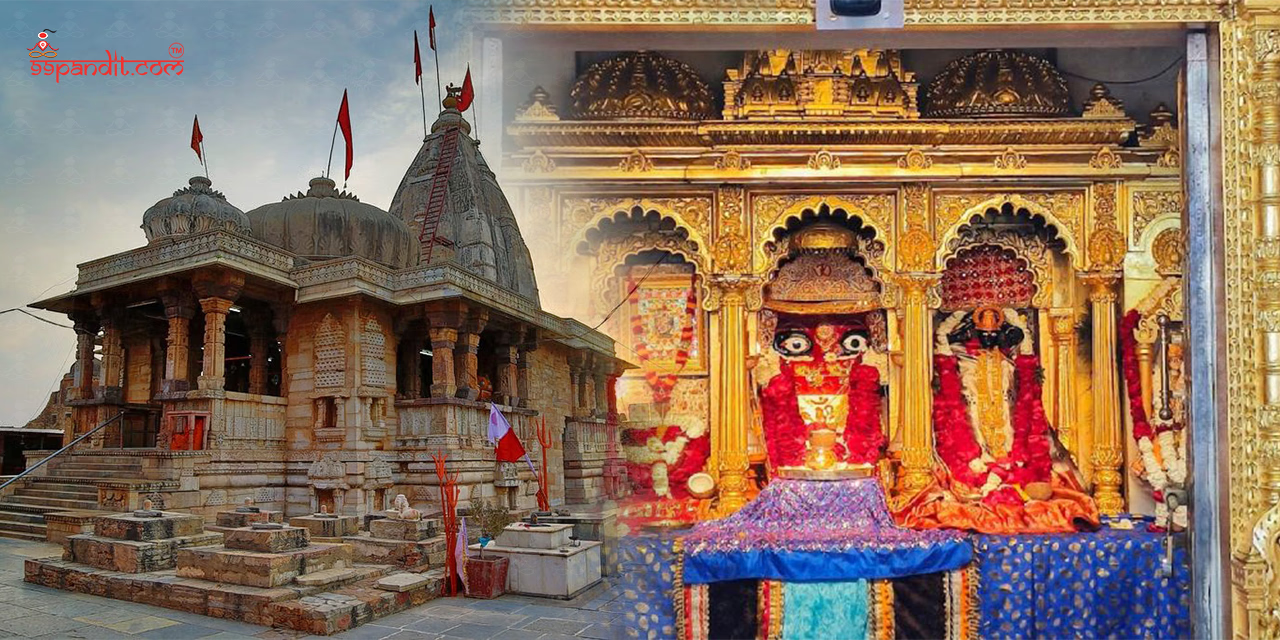
The building showcases Pratihara-style architecture, with a mandapa (hall) and sanctum adorned with intricate relief work. The upper portions of the structure are relatively recent additions. Visitors can observe detailed stone carvings on ceilings and pillars depicting mythological scenes alongside the solar iconography of its original purpose. The temple sits on an elevated plinth between Padmini Palace and the Victory Tower, positioning it as a landmark within the fort's architectural landscape.
Daily Worship and Darshan
The temple opens for darshan in two sessions: morning from 06:00 to 12:00, and afternoon from 16:00 to 20:00. Four aartis (ritual offerings) structure the day: Mangala Aarti at 04:00, Balbhog Aarti at 10:00, Sandhya Aarti at 19:00, and Shayan Aarti at 20:00. The early morning hours between 06:00 and 10:30 offer an optimal experience for witnessing these rituals and observing the temple's architectural details in natural light. The elevated setting creates an open-air atmosphere where the scent of marigolds and incense mingles with the sound of temple bells against ancient sandstone.
Visitors should be prepared for stone steps leading to the temple platform. The site is accessible to most visitors, though those with mobility limitations should note that reaching the main sanctum involves climbing multiple stone steps.
Navaratri and the Festival Calendar
The temple serves as a primary site for Navaratri celebrations, the nine-night festival honouring the goddess in her various forms. During this period, the temple draws significantly larger crowds than at other times of year. Goddess worship is particularly active during festival periods, though daily worship continues throughout the year. Visitors seeking a quieter experience should plan their visit outside the Navaratri season.
Planning Your Visit
The best months to visit are October through March, when Rajasthan's climate is most comfortable for exploration. The temple is located within Chittorgarh Fort, approximately 7 kilometres from Chittorgarh Railway Station. Entry to the fort requires a ticket: ₹40 for Indian nationals and ₹600 for foreign visitors, with the temple included in the composite fort ticket. Parking is available in designated areas within the fort, and auto-rickshaws, taxis, or private vehicles can access the site via the fort's motorable road.
A visit typically requires 20 to 30 minutes. The site is suitable for children and moderately suitable for seniors, though the stone steps require some physical capability. The temple is not wheelchair accessible due to the stepped approach to the sanctum. Photography practices should follow temple etiquette—visitors are advised to observe whether photography is permitted in specific areas and to be respectful of ongoing worship.
How to reach
Temples near Kalika Mata Temple, Chittorgarh Fort
Kalika Mata Temple
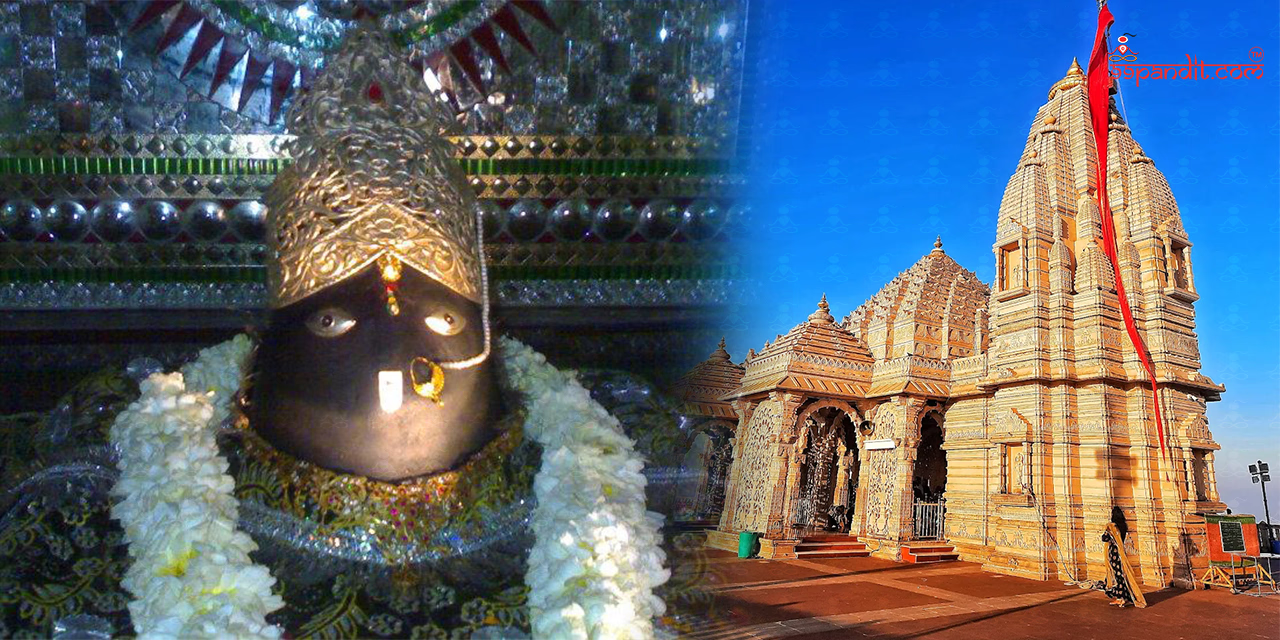
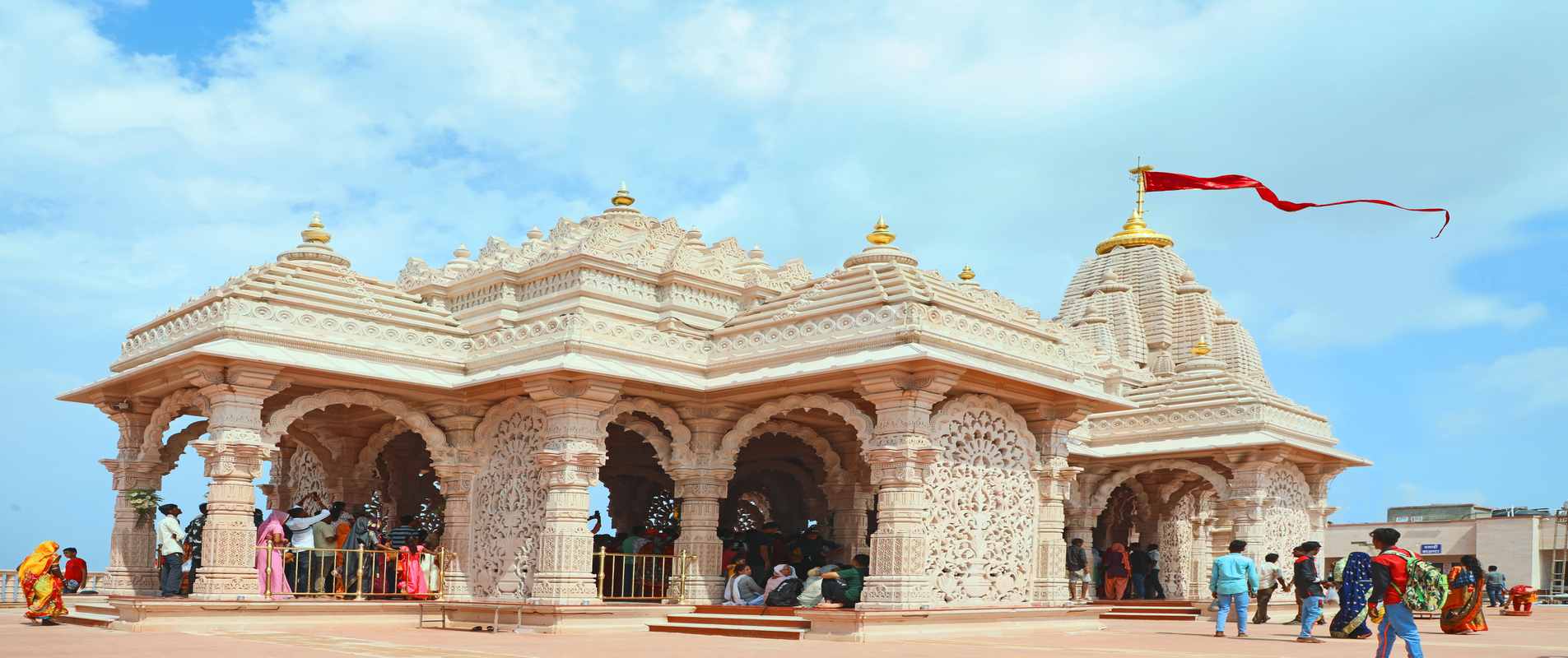
Mahakali Mata Temple crowns Pavagadh Hill in Gujarat's Panchmahal District, a sacred Shakti Peeth where devotees ascend to worship the goddess at an ancient mountain sanctuary.
Mirabai Temple
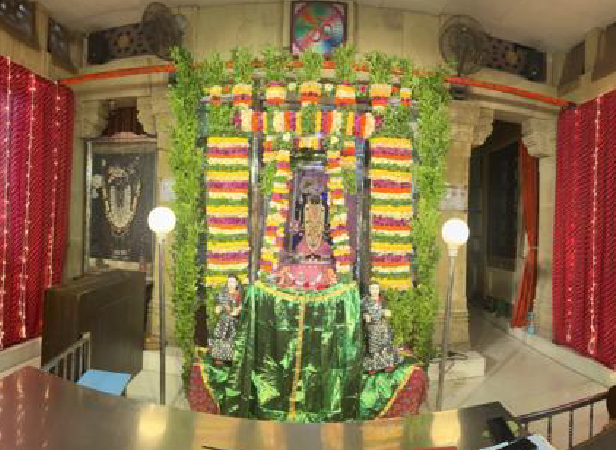
Mirabai Temple in Vrindavan is a sacred shrine dedicated to Saint Meerabai, the renowned devotee of Lord Krishna, housing a Shaligram Shila believed to have been worshipped by M…

Avari Mata temple
Avari Mata Temple in Bhadesar, Chittorgarh district, is a revered shrine dedicated to Goddess Avari Mata, a Rathore Rajput princess. The temple attracts devotees seeking healing…
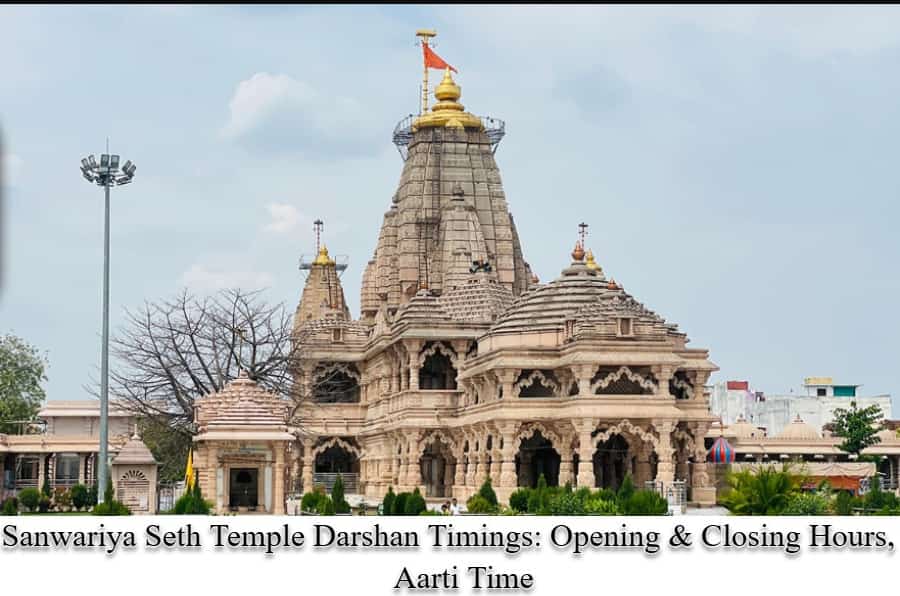
Sawariya Seth Temple
Sawariya Seth Temple is a sacred shrine dedicated to Lord Krishna, located in Chittorgarh district, Rajasthan. The temple is renowned for housing the largest idol of Sawariya Se…

Nava Toran Temple
Nava Toran Temple is an eleventh-century shrine located in Khor village, Neemuch district, Madhya Pradesh, dedicated to Varaha, the third avatar of Vishnu. The temple is disting…

Shrinathji Temple
Shrinathji Temple in Nathdwara, Rajasthan is a major Vaishnavite pilgrimage site dedicated to Lord Krishna in his seven-year-old form, renowned for its eight daily ritualistic d…