
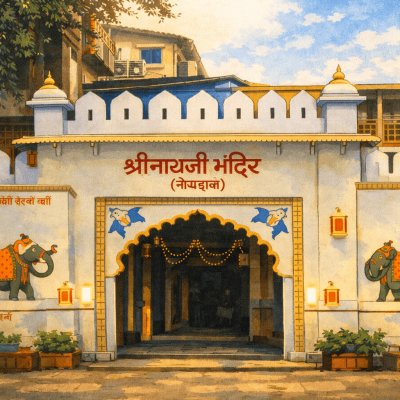
Shrinathji Temple
About Shrinathji Temple
The temple observes a distinctive practice known as Ashtayama, or eight daily darshans, each representing the deity at different moments of the day. These begin with Mangala at 5:30 AM, when the deity is awakened with morning prayers. Shringar follows at 7:15 AM, presenting the deity beautifully dressed and adorned with flowers. The Gwaal darshan at 10:30 AM depicts the Lord returning from tending cows, while the elaborate Rajbhog at 11:30 AM marks the grand midday food offering.
The afternoon brings Utthapan at 4:00 PM, when the deity awakens from rest. Evening worship includes Bhog at 5:45 PM with another food offering, followed by the widely attended Sandhya Aarti at 6:30 PM, an evening lamp worship that draws many visitors. The day concludes with Shayan at 8:45 PM, the final ritual in which the Lord is prepared for rest. Each darshan carries its own significance within the daily cycle of worship, allowing devotees to connect with different aspects of Krishna's divine life.
Visiting Hours and Darshan Timing
The temple opens at 5:30 AM and remains accessible until 10:00 PM on regular days. Morning darshan runs from 5:30 AM to 12:00 PM, encompassing four of the eight daily rituals. The temple closes during midday hours for rituals and cleaning, then reopens for evening darshan from 4:00 PM to 10:00 PM. Visitors planning their visit should note that the early morning hours, particularly between 5:30 and 7:15 AM for the Mangala and Shringar darshans, offer a quieter experience. The Sandhya Aarti at 6:30 PM in the evening draws larger crowds and represents one of the most popular times to visit.
All darshan and aarti services are offered without charge. However, visitors should verify current timings with the temple before traveling, as schedules may shift on festival days or due to special rituals and administrative decisions.
The Pichwai Tradition
Shrinathji Temple is renowned for its association with Pichwai paintings, a distinctive artistic tradition of the region. These elaborate cloth paintings serve as backdrops in the temple and depict scenes from Krishna's life and divine play. The paintings represent a significant cultural heritage linked to the worship practices at Nathdwara, reflecting the deep integration of visual art with devotional practice in the Pushtimarg tradition.
Practical Information for Visitors
The temple is located at Shrinathji Temple, Nathdwara, Rajasthan 313301, India (coordinates: 24.9289935, 73.8150981). Accommodation options are available in Nathdwara starting from modest rates. Visitors should dress respectfully, following the conventions typical of Hindu temples—removing shoes before entering and wearing modest clothing that covers shoulders and knees.
As with most temples, it is advisable to arrive early if you wish to avoid crowds, particularly for the morning darshans. The temple closes between morning and evening darshan sessions, so plan your visit accordingly. Prasadam (blessed food offerings) is typically distributed to devotees, though specific details about availability should be confirmed at the temple.
Getting There
Nathdwara is accessible by road, rail, and air connections to Rajasthan. Visitors should arrange transportation to the temple address in advance. The town itself serves as a pilgrimage hub, and local guides and accommodation providers can assist with directions and logistics for reaching the temple.
How to reach
Temples near Shrinathji Temple
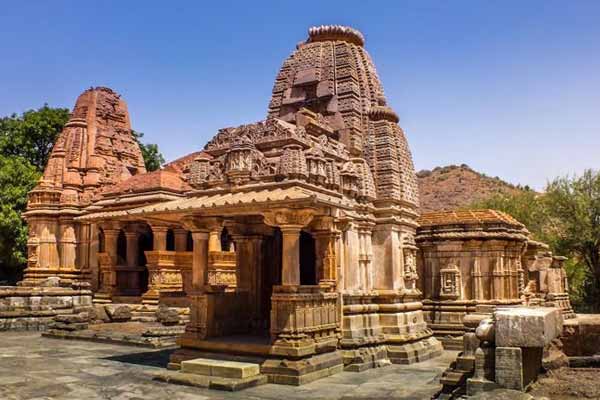
Sahastra Bahu Temples
Sahastra Bahu Temple in Udaipur is a unique dual-shrine complex symbolizing the sacred bond between mother-in-law and daughter-in-law, featuring intricate 10th-century carvings…
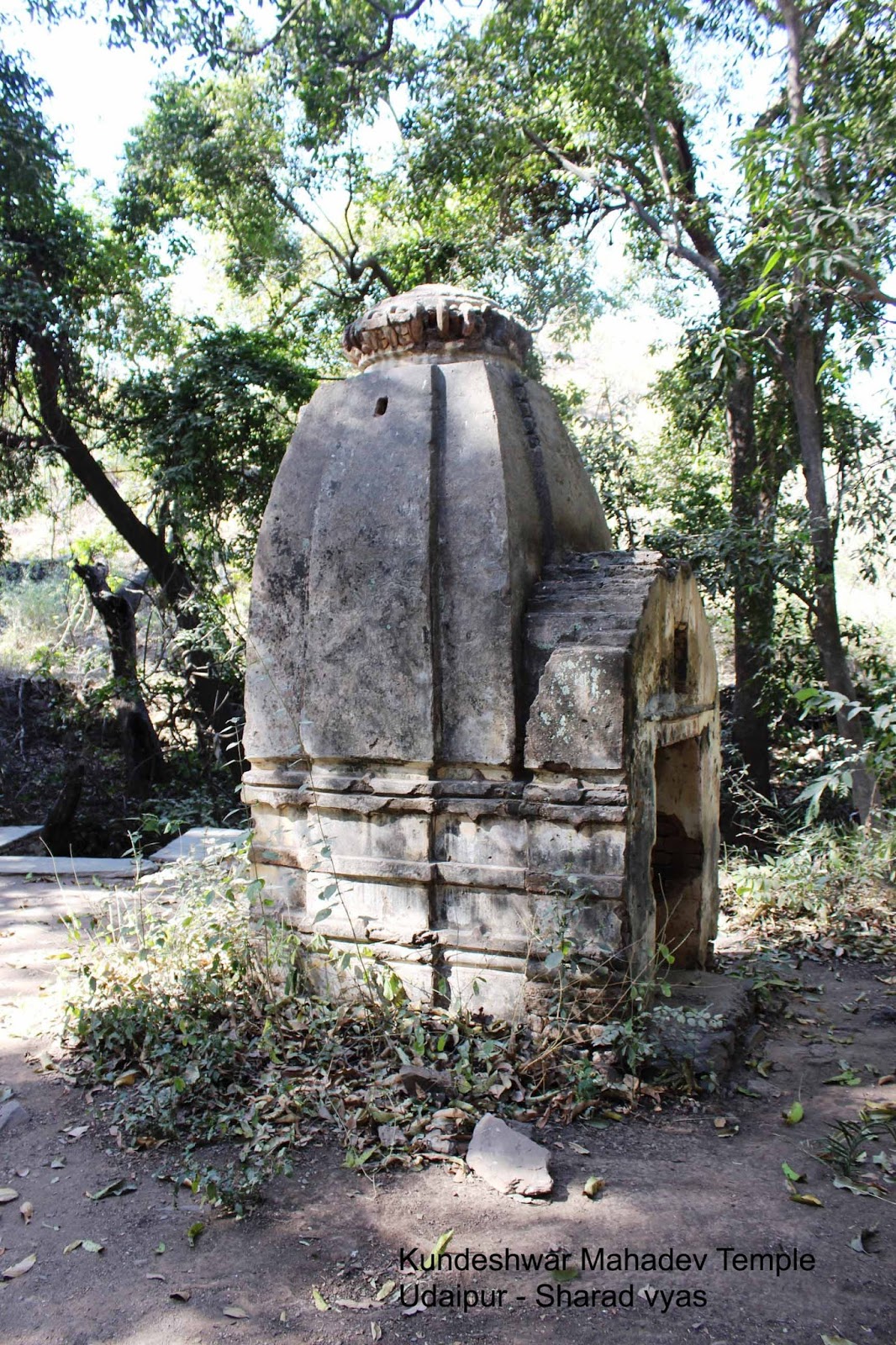
Kukdeswar Ji Mahadev
Kukdeshwar Mahadev Temple is an ancient shrine dedicated to Lord Shiva, built in the 12th–13th century CE using Hemadpanti architectural style. Located near Junnar in Maharashtr…
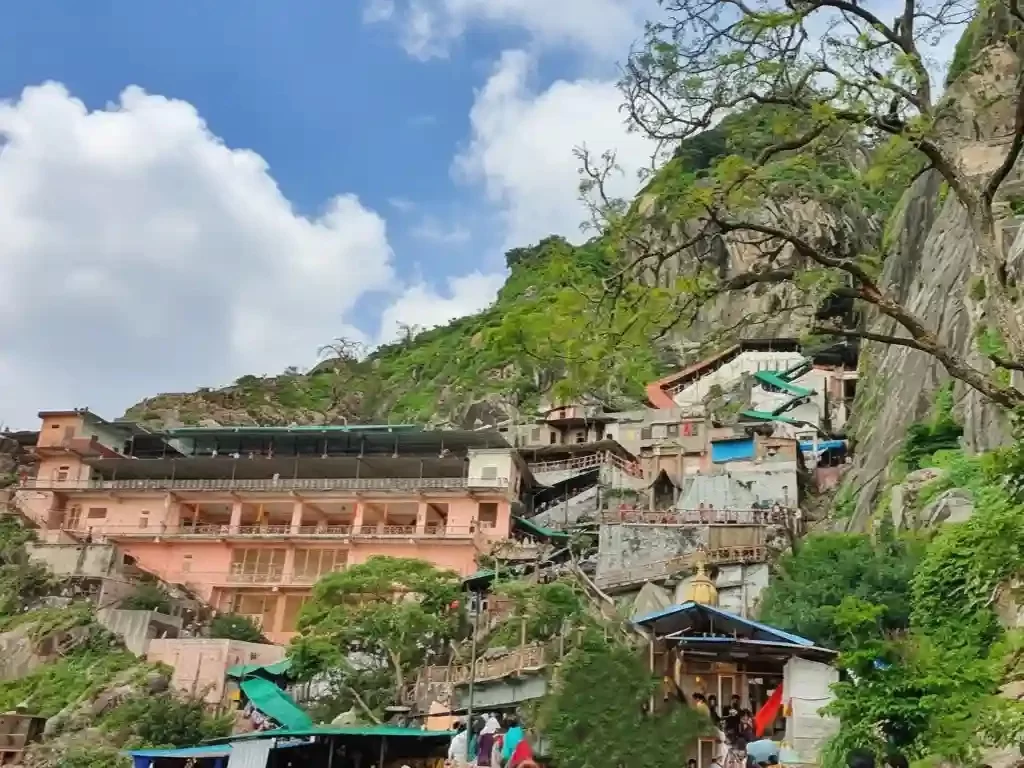
Parshuram Mahadev Temple
Parshuram Mahadev Temple is an ancient cave shrine dedicated to Shiva, nestled on the border of Pali and Rajsamand districts in Rajasthan, approximately 10 kilometers from the h…
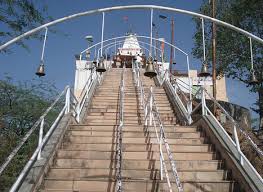
Neemach Mata Temple
Neemach Mata Temple crowns a verdant hill overlooking Fateh Sagar Lake in Udaipur, requiring a 900-metre ascent through forest to reach the shrine of the Maharanas' clan goddess.
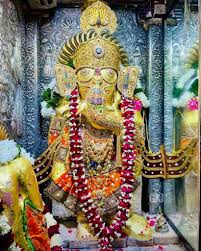
Bohra Ganesh Temple
Bohra Ganesh Temple in Udaipur is a centuries-old shrine dedicated to Lord Ganesh in his dancing form, revered for fulfilling devotees' wishes and removing obstacles.
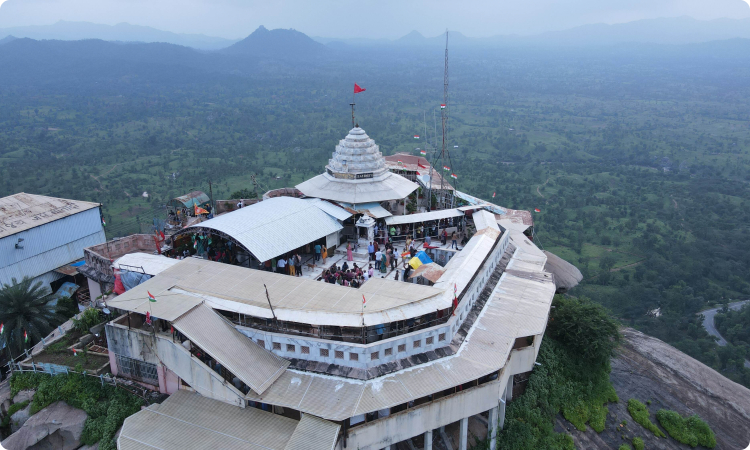
Ambamata Temple
Ambamata Temple in Udaipur is a major Hindu place of worship constructed by Maharana Raj Singh, dedicated to the goddess Amba Mata and revered as a significant spiritual center…