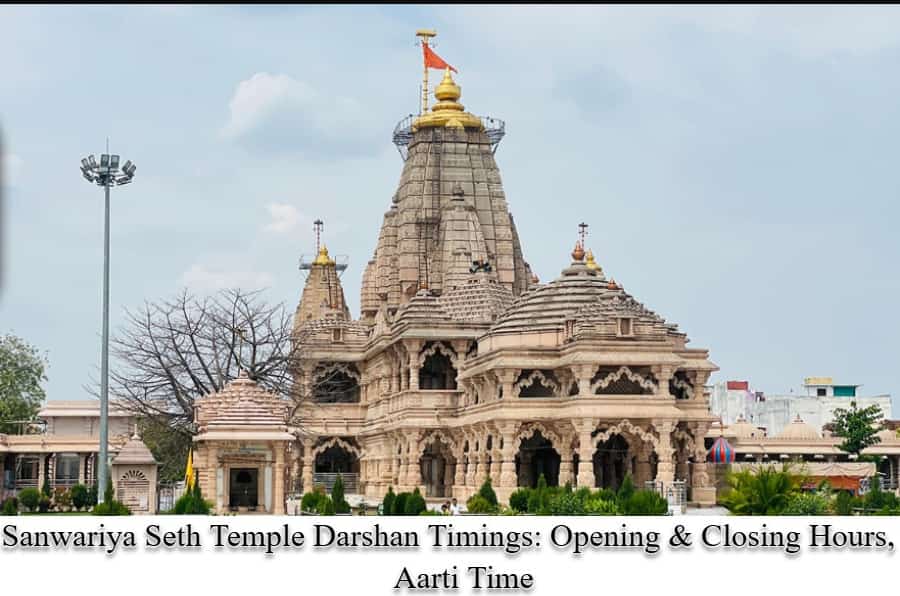
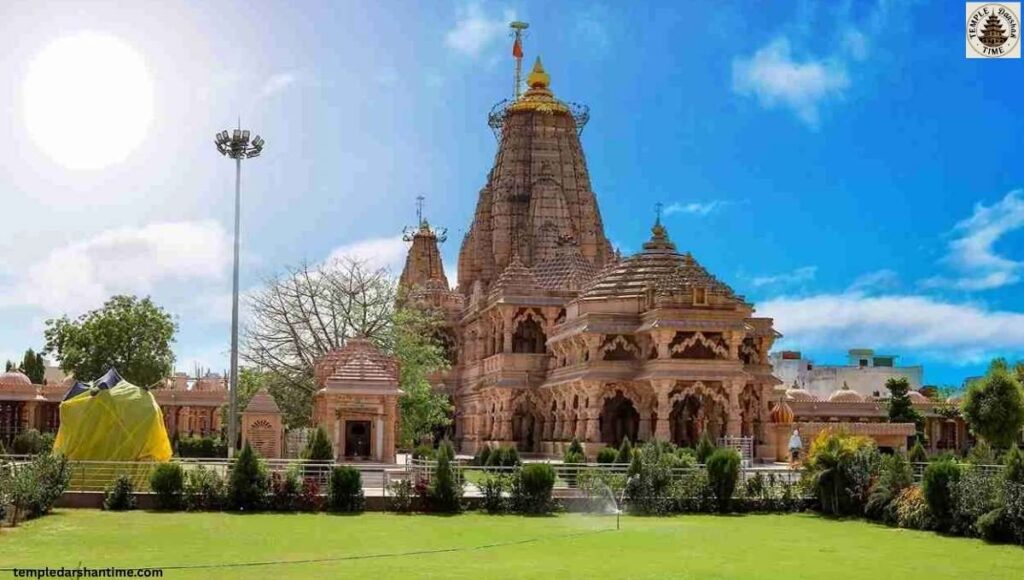
Sawariya Seth Temple
About Sawariya Seth Temple
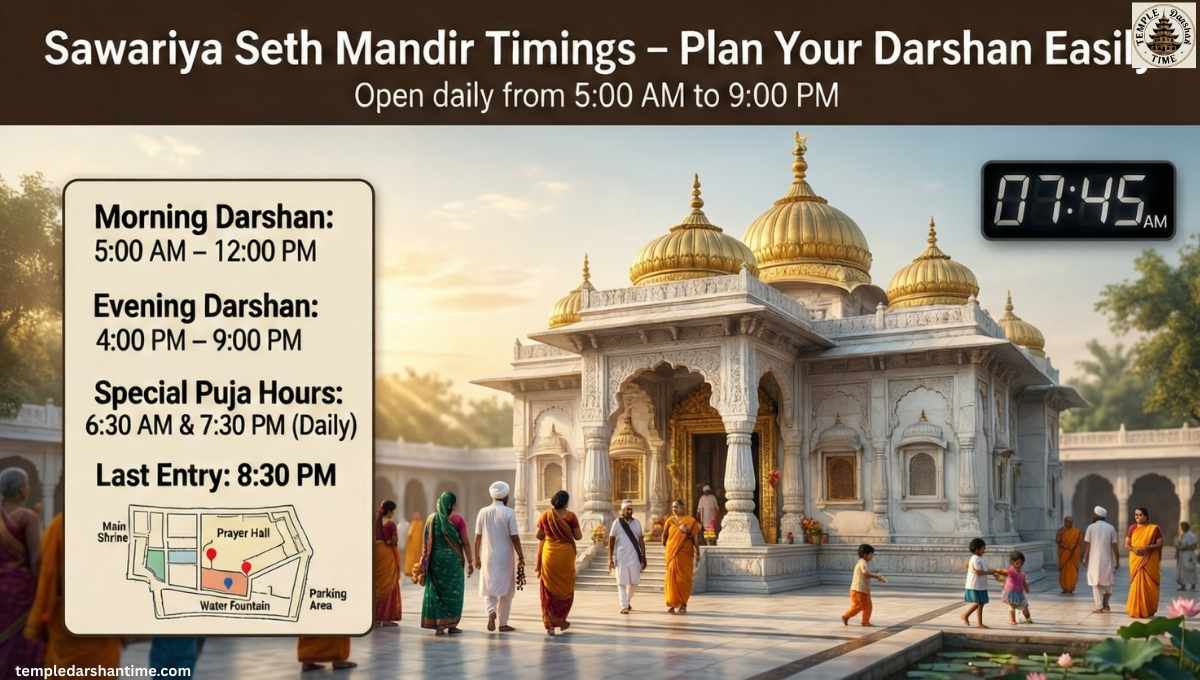
The temple maintains a structured daily routine centred on worship rituals and devotee access. Darshan begins with the Mangala Aarti at 5:30 AM, followed by morning viewing hours until noon. The deity then rests from 12:00 PM to 2:30 PM, during which the temple is closed to visitors. Afternoon darshan resumes at 2:30 PM and continues until 8:00 PM. Evening worship (Pooja) takes place from 8:00 PM to 9:15 PM, followed by devotional singing (Bhajan and Kirtan) from 9:15 PM to 11:00 PM.
The early morning hours between 5:30 AM and 8:00 AM are recommended for those seeking a quieter, more peaceful darshan experience. This timing allows visitors to participate in or witness the Mangala Aarti while avoiding the larger crowds that typically gather during midday and afternoon hours. The temple's schedule reflects traditional Hindu worship practices, with multiple aartis (ritual offerings of light) performed throughout the day.
Festivals and Special Observances
The temple hosts a three-day fair during the lunar month of Bhadrapad, specifically on the tenth and twelfth days of the bright fortnight (Shukla Paksh). This gathering draws additional pilgrims to the site. The temple also observes Krishna Janmashtami, the birthday of Lord Krishna, which is a major festival in the Hindu calendar and typically sees increased devotional activity and larger crowds.
Additional observances include the opening of donation receptacles (Daan Patra) on the fourteenth day of each dark fortnight (Krishna Paksh), and the distribution of blessed food offerings (Mahaprasad) on new moon days (Amavasya) in the evening. These regular observances structure the devotional calendar throughout the year.
Visiting Information and Practical Details
The temple is located at Sanwaliya Ji in Mandfiya, Chittorgarh District, Rajasthan, approximately 41 kilometres from Chittorgarh railway station and 65 kilometres from Dabok Airport. Visitors should plan their journey accordingly, allowing time for travel from nearby cities such as Chittorgarh or Udaipur.
Modest dress is customary when visiting Hindu temples; visitors typically wear clean, conservative clothing that covers shoulders and knees. Shoes are generally removed before entering the inner sanctum, though shoe storage facilities are usually available. Photography policies vary by temple; visitors should inquire about restrictions before taking photographs. The midday rest period (12:00 PM to 2:30 PM) should be avoided when planning a visit, as the temple is closed during these hours.
Accessibility and Nearby Locations
The temple is situated within a region that includes related sacred sites. The sources indicate that temples dedicated to the same deity exist at three locations: Mandfiya, Bhadosoda, and Bagrund. Visitors interested in exploring multiple pilgrimage sites may consider visiting these nearby locations as part of their journey. The Chittorgarh district itself contains numerous historical and religious sites, allowing visitors to combine temple visits with broader regional exploration.
How to reach
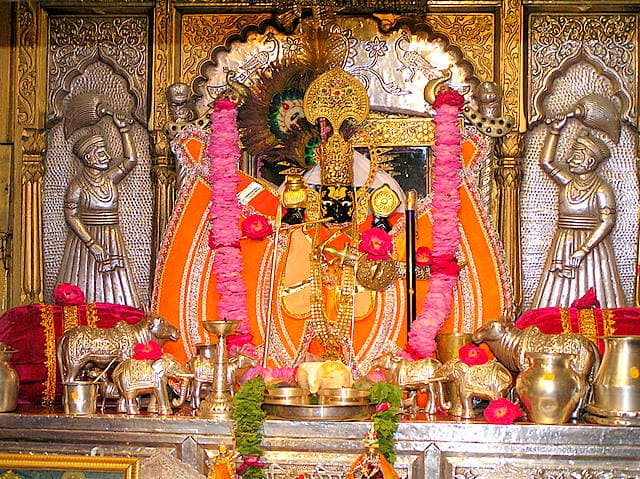
You may also visit
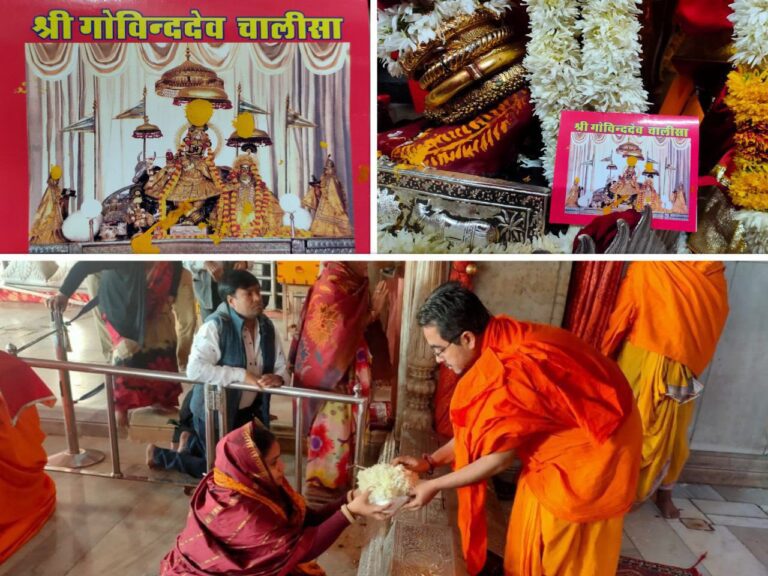
Kalyanji Temple
Kalyanji Temple in Jaipur's Chandpol Bazaar is approximately two centuries old and renowned for displaying the twenty-four avatars of Krishna, visible only twice yearly during Akha Teej and Patottsav festival.
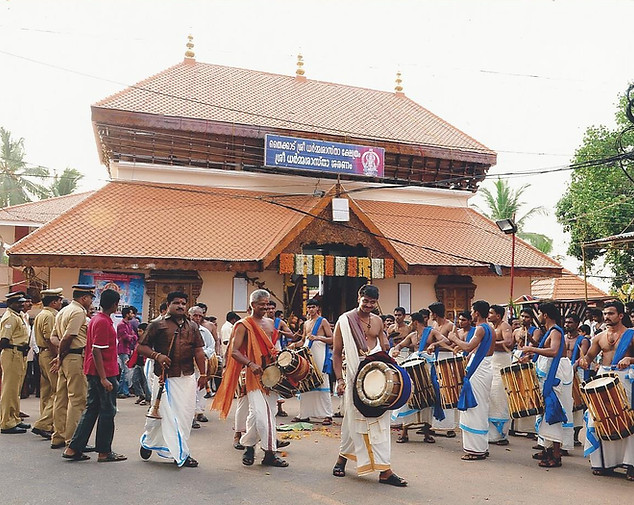
Sastha (Ayyappan) Temple
Sree Dharma Sastha Temple in Thycaud, Thiruvananthapuram, is a centuries-old shrine where the deity manifests as Dhanwanthari, the divine healer, holding the sacred blue lotus.
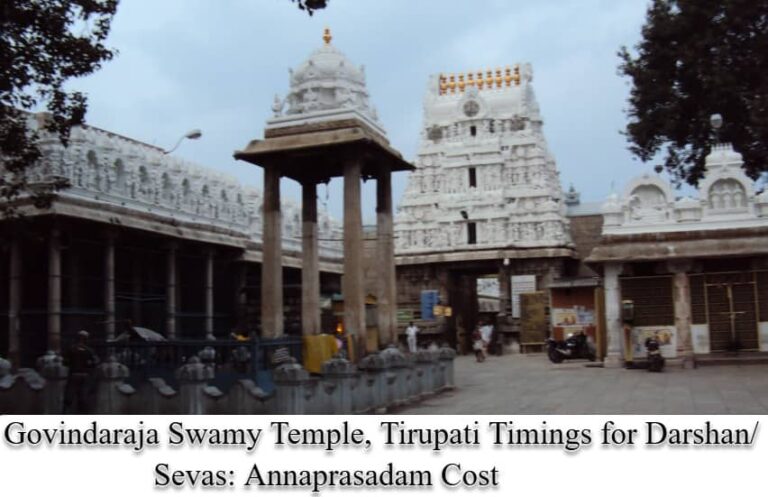
Govindarajaswamy Temple
Sri Govindarajaswamy Temple in Tirupati is an ancient Vaishnavaite shrine consecrated in 1130 AD by Saint Ramanuja, where the presiding deity rests in eternal Yoga Nidra on the serpent Adisesha.