Bhuteshwar Temple
About Bhuteshwar Temple
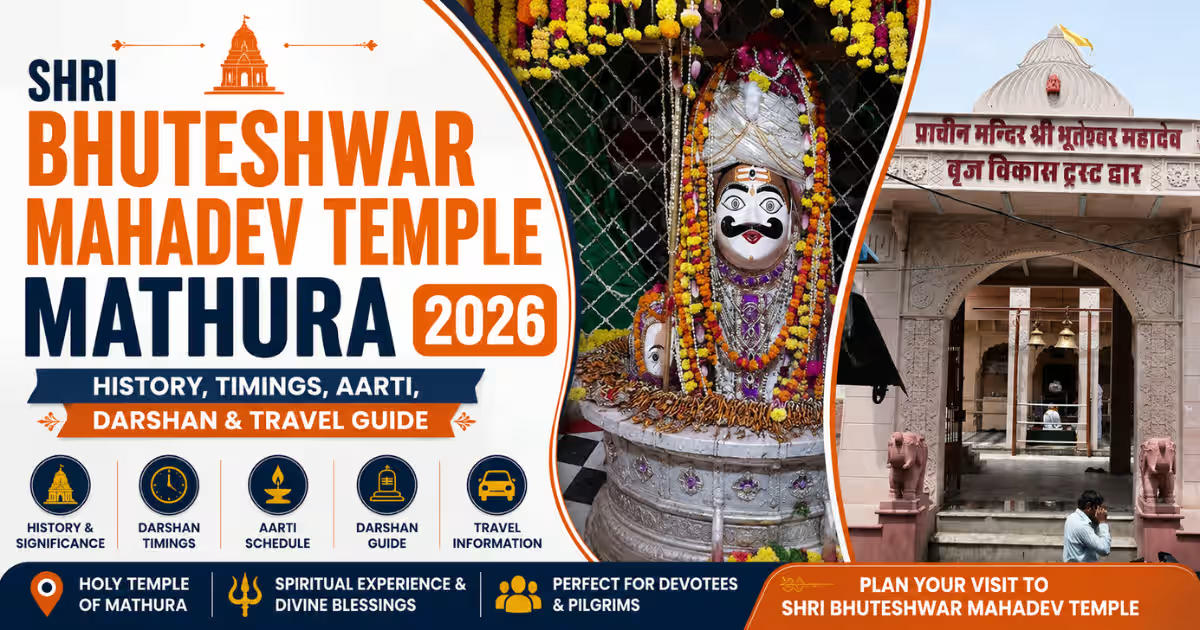
The temple opens early for morning devotions, welcoming visitors from 05:00 until 13:00. Evening darshan resumes at 16:30 and continues until 22:30, accommodating both those who prefer dawn worship and those visiting after daylight hours. Entry to the temple is free, and there are no charges for witnessing the aartis or for darshan itself, though devotees typically make voluntary offerings according to their inclination.
Visitors should observe standard temple etiquette: remove shoes before entering the inner sanctum and avoid bringing leather items into sacred spaces. Quiet reverence during worship periods is expected. The temple does not impose a formal dress code, but respectful clothing appropriate to a place of worship is customary. Those planning to visit during peak seasons should note that timings may vary on festival days, making it advisable to confirm with the temple office before travelling.
Festivals and Peak Seasons
Two periods draw notably larger numbers of devotees to Bhuteshwar. Shravan Maas—the monsoon months of July and August—holds particular significance in Shiva worship traditions, and the temple experiences increased pilgrimage during this time. Maha Shivaratri, the festival honoring Shiva, also brings substantial crowds to the shrine. Visitors planning their journey during these seasons should expect fuller temple grounds and may wish to arrive early to secure a less crowded darshan.
The temple also observes Dussehra and Ugadi among its festival calendar. During these occasions, the temple is notably decorated, and the atmosphere intensifies with heightened ritual activity. Those seeking a quieter visit may prefer to plan their journey outside these peak periods.
Practical Information for Visitors
Bhuteshwar Temple is located at coordinates 29.3141°N, 76.3185°E in Jind, Haryana. The temple office can be reached at +91-7302265809 for inquiries regarding specific timings or ceremonies. The location is accessible to those visiting other sites in the region and serves as a natural point of reference for pilgrims navigating the Kurukshetra area.
Visitors should plan their visit according to the temple's operating hours, keeping in mind that morning sessions end by early afternoon. Those combining Bhuteshwar with other pilgrimage sites in the region should factor in travel time between locations. The temple's position within the Kurukshetra parikrama makes it particularly relevant for those undertaking longer circumambulatory journeys, though it welcomes individual devotees and casual visitors as well.
The Water Tank Shrine
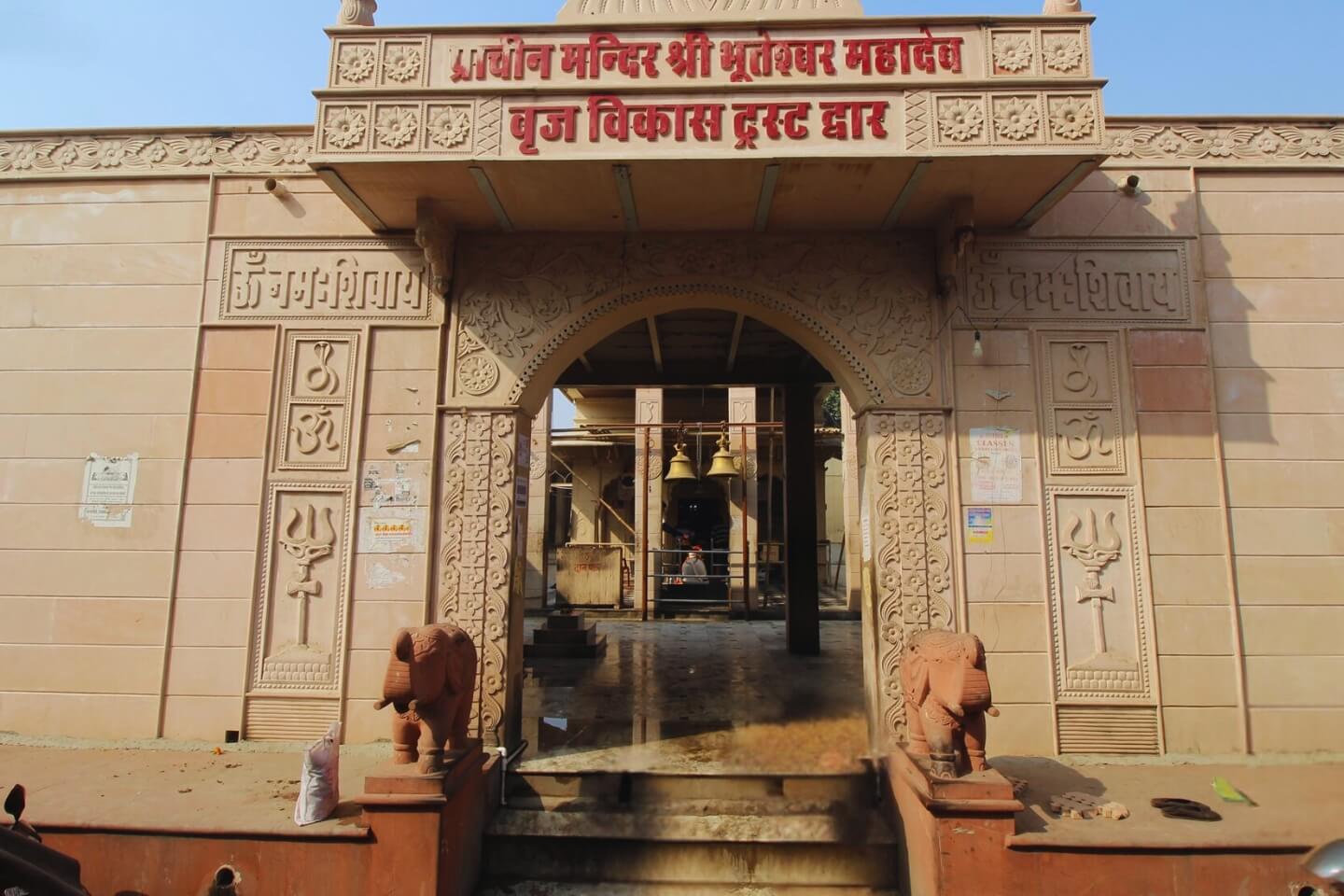
The defining feature of Bhuteshwar Temple is its setting within a large water tank, a characteristic that distinguishes it from many other shrines in the region. This aquatic environment serves multiple functions within Hindu temple practice: water tanks traditionally provide spaces for ritual purification before worship, and they embody the sacred element of water central to Shiva veneration. The tank's presence transforms the temple's physical and spiritual geography, creating a sense of separation and sanctity around the shrine.
The alternate name Rani Talab reflects the local recognition of this water feature as integral to the temple's identity. Visitors approaching the shrine encounter this water element as part of their journey toward the sanctum, making the approach itself a ritualistic passage rather than a simple walk.
How to reach
Temples near Bhuteshwar Temple
Kalayat Ancient Bricks Temple Complex
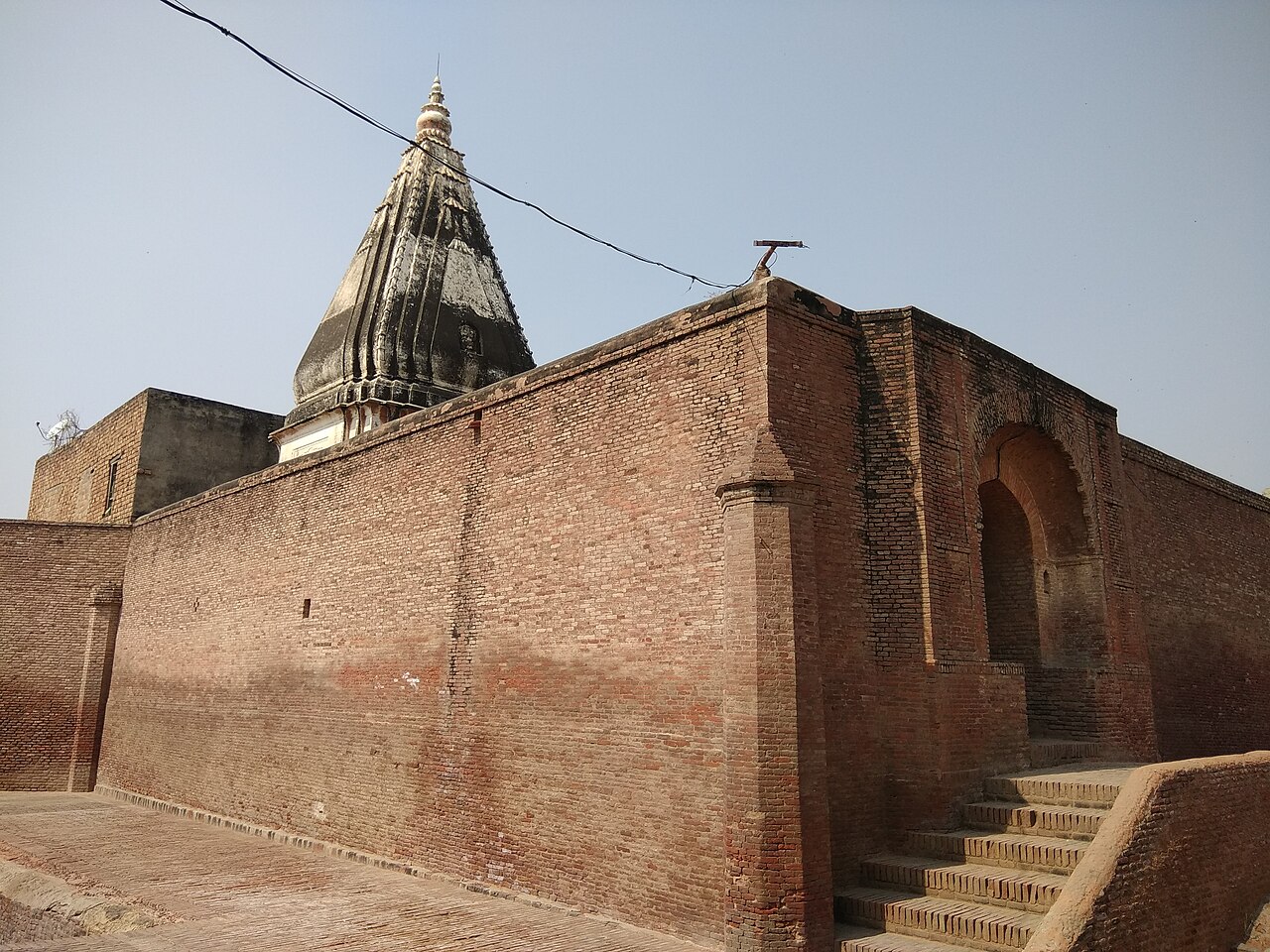
The Kalayat Ancient Bricks Temple Complex is a ruined brick temple sanctuary in Haryana dedicated to Lord Shiva, comprising multiple Hindu temples with two surviving structures…
Agroha Dham
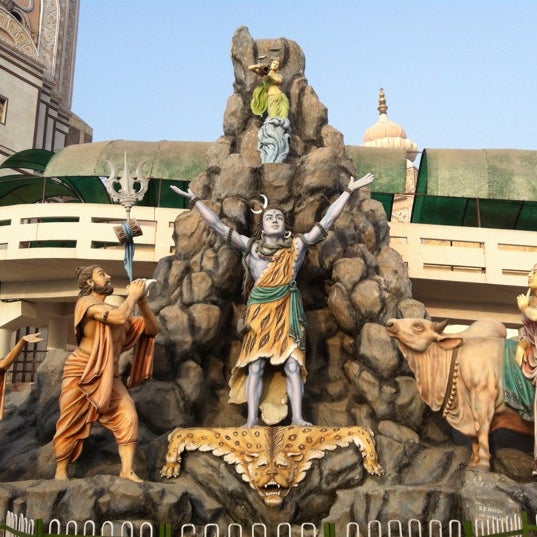
Agroha Dham is a Hindu temple complex in Hisar, Haryana, dedicated to the goddess Mahalakshmi. Constructed between 1976 and 1984, it stands adjacent to the historic Agroha Mound.

Kartikeya Temple, Pehowa
Kartikeya Temple in Pehowa, Haryana is one of North India's oldest shrines dedicated to Lord Kartikeya, distinguished by its unique oil anointing ritual of the sacred Kartikeya…
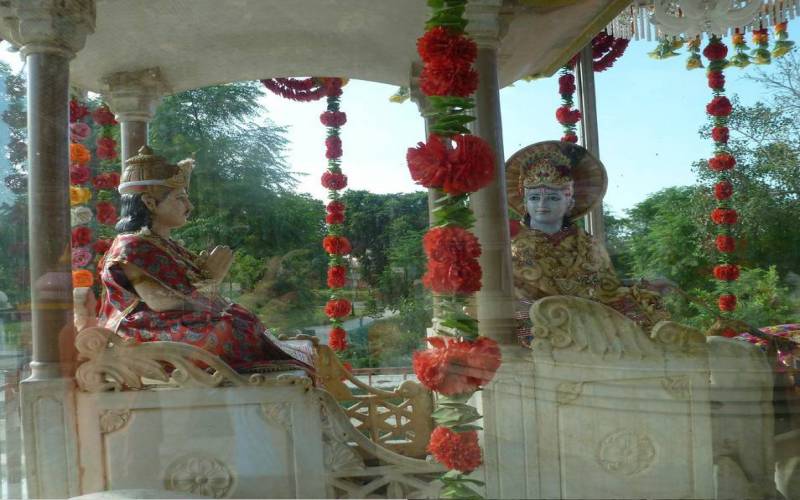
Jyotisar
Jyotisar, also known as Gita Updesh Sthal, is the sacred site in Kurukshetra where Lord Krishna is believed to have delivered the Bhagavad Gita to Arjuna on the battlefield.
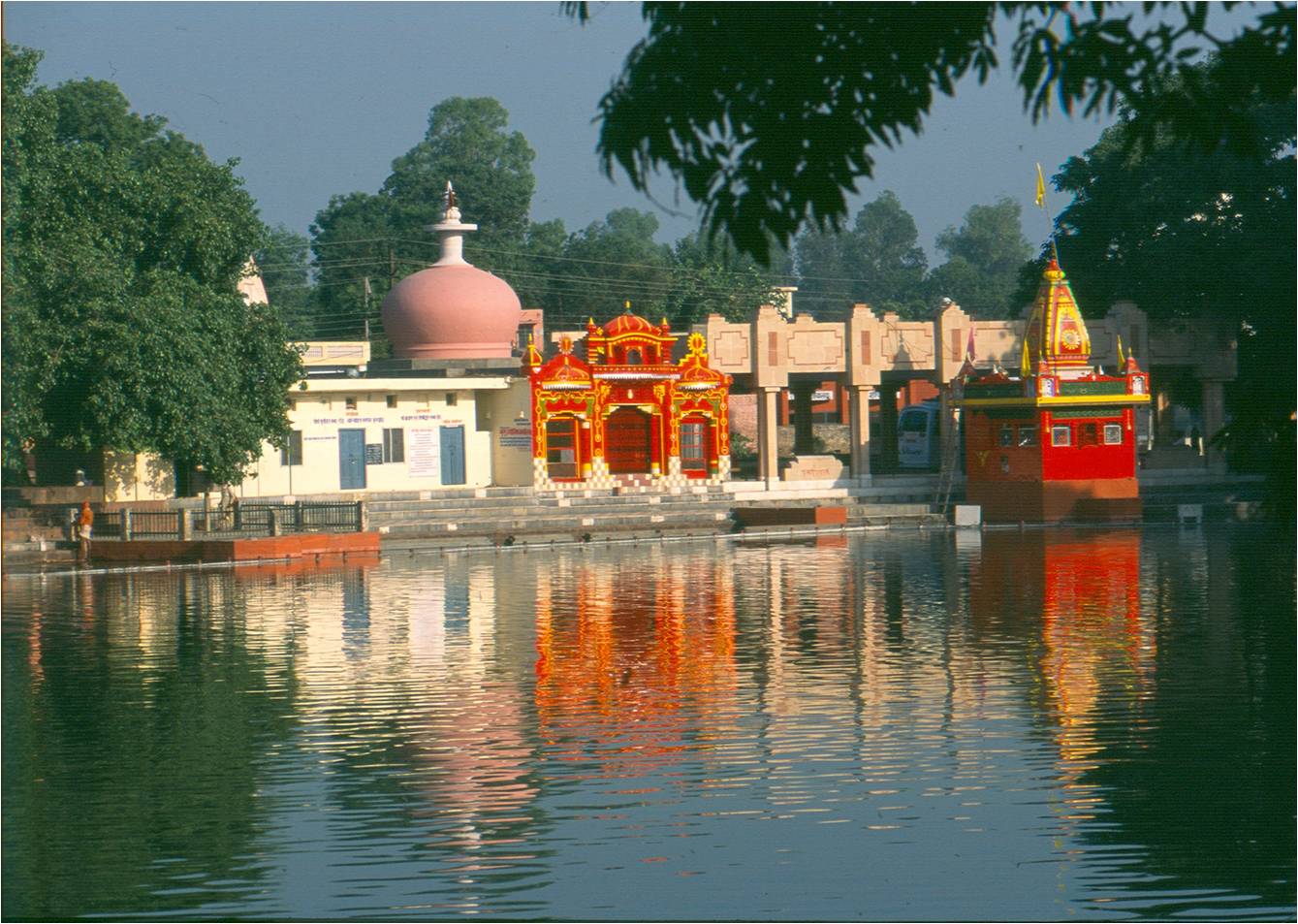
Sannihit Sarovar
Sannihit Sarovar is a sacred pilgrimage tank in Kurukshetra believed to be the meeting point of seven holy rivers, drawing devotees year-round for rituals and spiritual blessings.
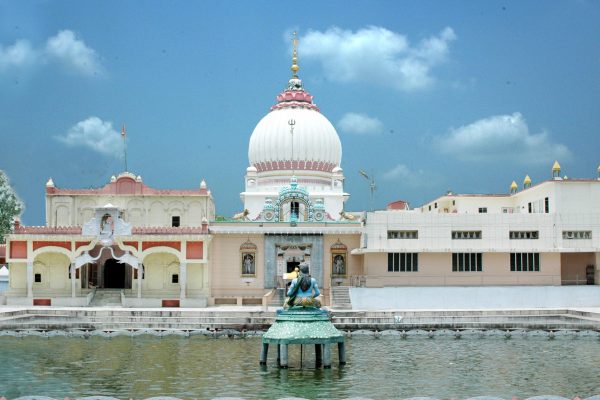
Sthaneshwar Mahadev Temple
An ancient Shiva temple in Kurukshetra where the Pandavas and Krishna are said to have prayed for victory in the Mahabharata war. Located beside the sacred Sthaneshwar tank, it…