


Harshnath Temple
About Harshnath Temple
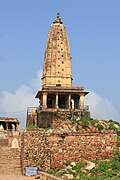
The temple's founding inscription from 973 CE provides rare documentary evidence of its origins during a period when Shaiva ascetics played significant roles in temple patronage and construction across Rajasthan. The original structure reflects the architectural conventions of tenth-century temple building in the region, though the passage of centuries has reduced much of it to fragments. The surviving carved stones reveal the skill of artisans who worked in the medieval period, their work now exposed to view as part of the temple's archaeological character.
The later temple, built from reclaimed materials, represents a practical response to the decay of the original shrine. Rather than replacing the site entirely, the community chose to preserve the ruins while establishing a functioning place of worship. This approach has resulted in a temple complex where history is visibly layered—the old stones incorporated into new structures, the broken pieces left in place as evidence of time's passage.
Daily Worship and Darshan
The temple observes a daily evening ritual, with Sandhya Aarti (the evening prayer ceremony) performed at 19:00. This is the primary scheduled worship time documented for the shrine. Visitors planning to attend should confirm timings in advance, as ritual schedules may vary on festival days or during special observances. The temple maintains traditional dress codes requiring visitors to cover their shoulders—a standard practice at Shaiva temples across India.
For those arriving on foot, the temple provides practical facilities including footwear stands and cloakrooms where shoes and belongings can be left during darshan. These amenities acknowledge the pilgrimage tradition associated with the mountaintop location, where many devotees undertake the ascent as part of their spiritual practice.
Festivals and Pilgrimage Seasons
The temple is most actively celebrated during three major festivals: Guru Purnima in July, Holi in March, and Dhanteras in November. During these observances, the shrine is decorated more elaborately and draws larger numbers of devotees. Guru Purnima, which honors spiritual teachers, holds particular significance at Shaiva shrines. Holi, the festival of colors, and Dhanteras, which marks the beginning of the Diwali season, are widely observed across Hindu temples and communities. These festivals represent the busiest periods for pilgrimage to the temple.
Practical Information for Visitors
Harshnath Temple is located at coordinates 27.49956389, 75.17218333 on Harsh Parvat in Sikar district. The site is accessible by road from Sikar town, approximately 14 kilometers away, or by foot for those undertaking a pilgrimage ascent. Accommodation options including dharamshalas and hotels are available within walking distance of the temple, providing lodging for overnight visitors.
The temple maintains a dress code requiring covered shoulders. Visitors should plan to arrive with sufficient time before the evening aarti at 19:00 if they wish to participate in the daily ritual. It is advisable to contact the temple directly to confirm current timings, particularly if traveling during festival periods when schedules may differ from routine practice.
How to reach


Temples near Harshnath Temple

Khatu Shyam Temple
Khatu Shyam Temple in Sikar, Rajasthan, is dedicated to Khatu Shyam, believed to be Barbareek from the Mahabharata, attracting millions of devotees annually, especially during t…
Salasar Balaji Temple
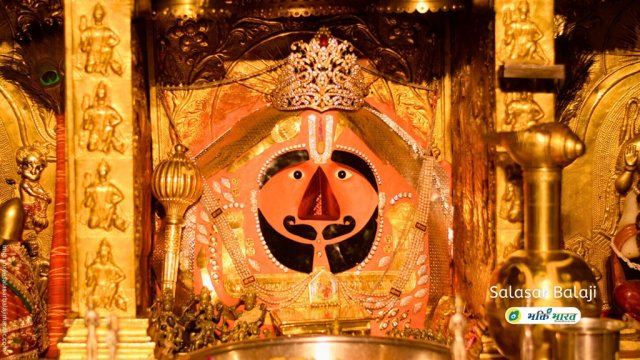
Salasar Balaji Temple in Churu district, Rajasthan, is a revered shrine dedicated to Lord Hanuman, distinguished by its unique depiction of the deity with a round face, beard, a…

Rani Sati Temple
Rani Sati Temple in Jhunjhunu, Rajasthan, is the largest shrine in India dedicated to Rani Sati, a Rajasthani woman revered for her devotion and widely worshipped across the reg…

raghunathji ka mandir
Shri Radha Gopinath Ji Temple in Jaipur's old city is an 18th-century Krishna temple established during Maharaja Sawai Jai Singh II's reign, serving as a living center of devoti…

Kalyaneshwar Mahadev Mandir
Kalyaneshwar Mahadev Mandir is an ancient Shiva temple established by King Janaka in Mithila, located in Kalna village within the Mithila Madhya Parikrama circuit. The temple ho…
Balaji ka mandir
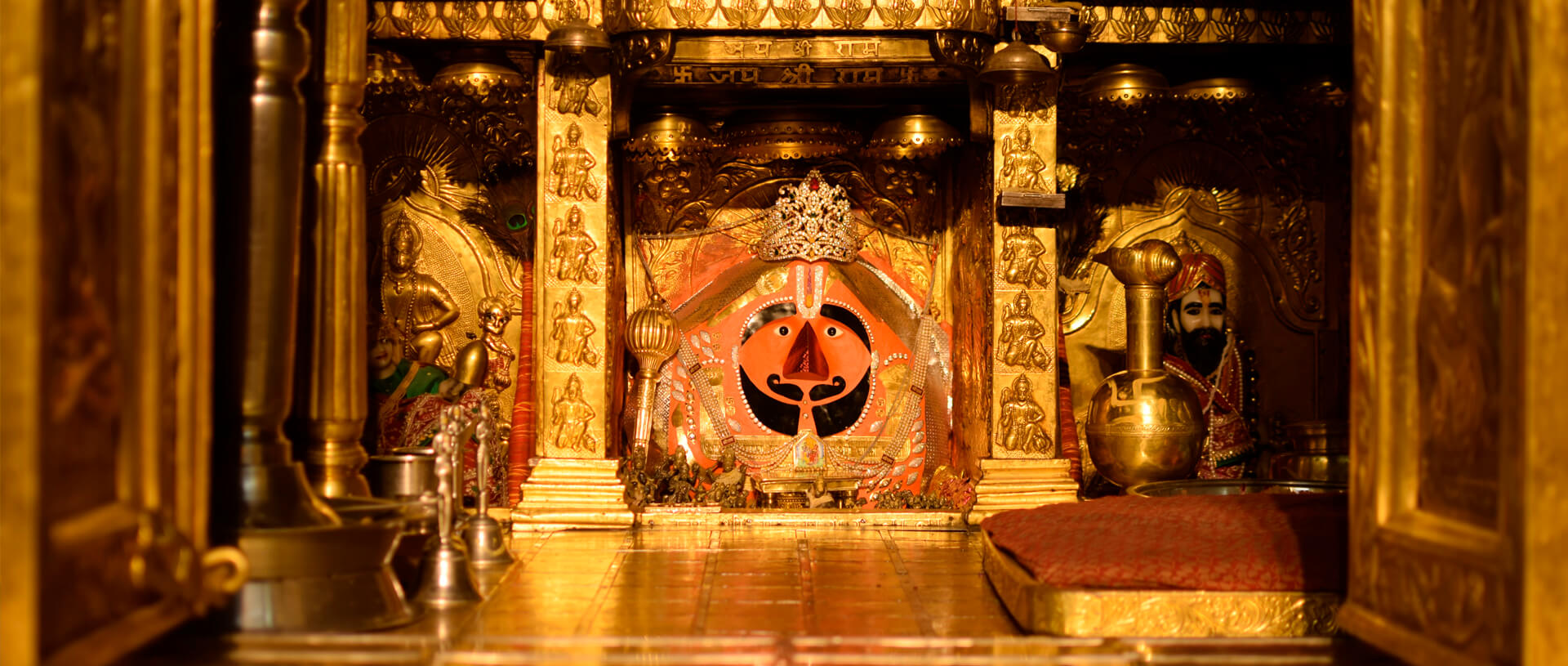
Baad Peepli Balaji Mandir in Jaipur is a revered shrine dedicated to Lord Hanuman, known locally as Balaji, drawing devotees seeking spiritual solace and divine intervention.