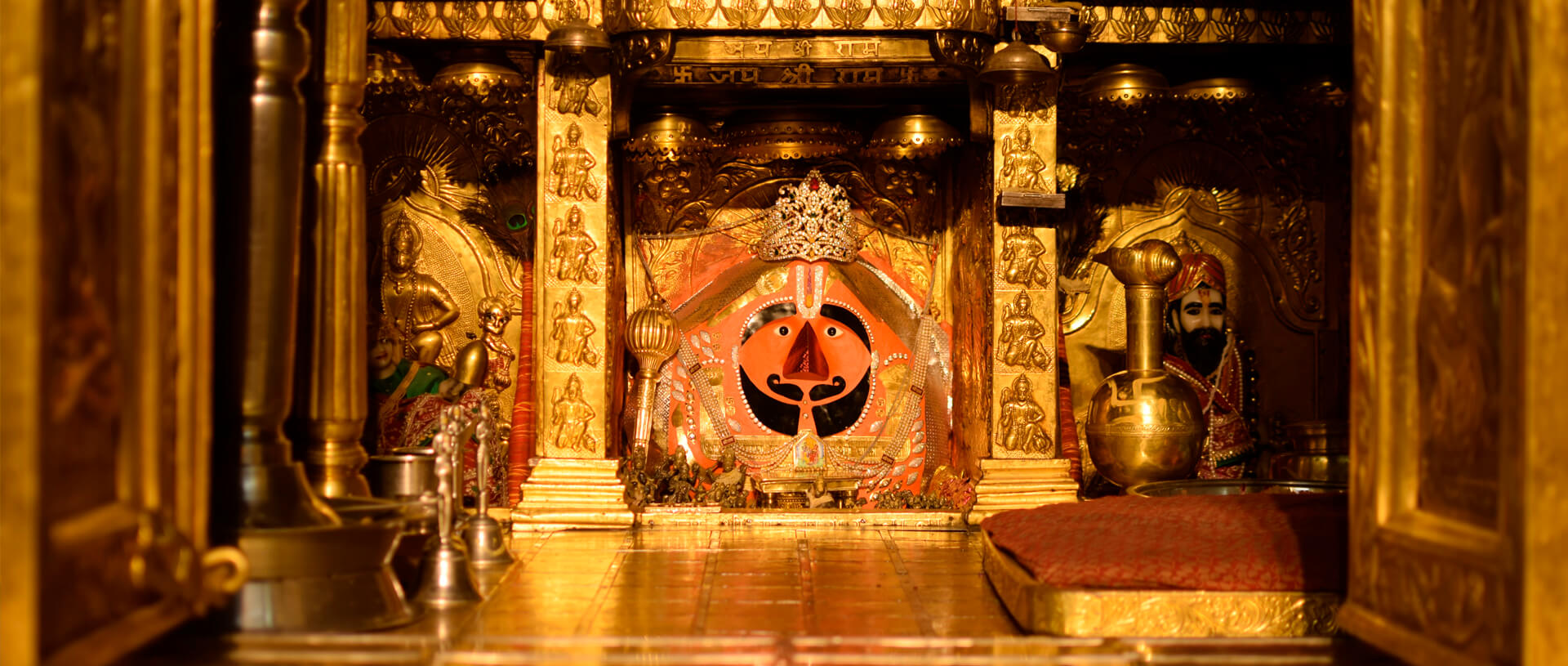
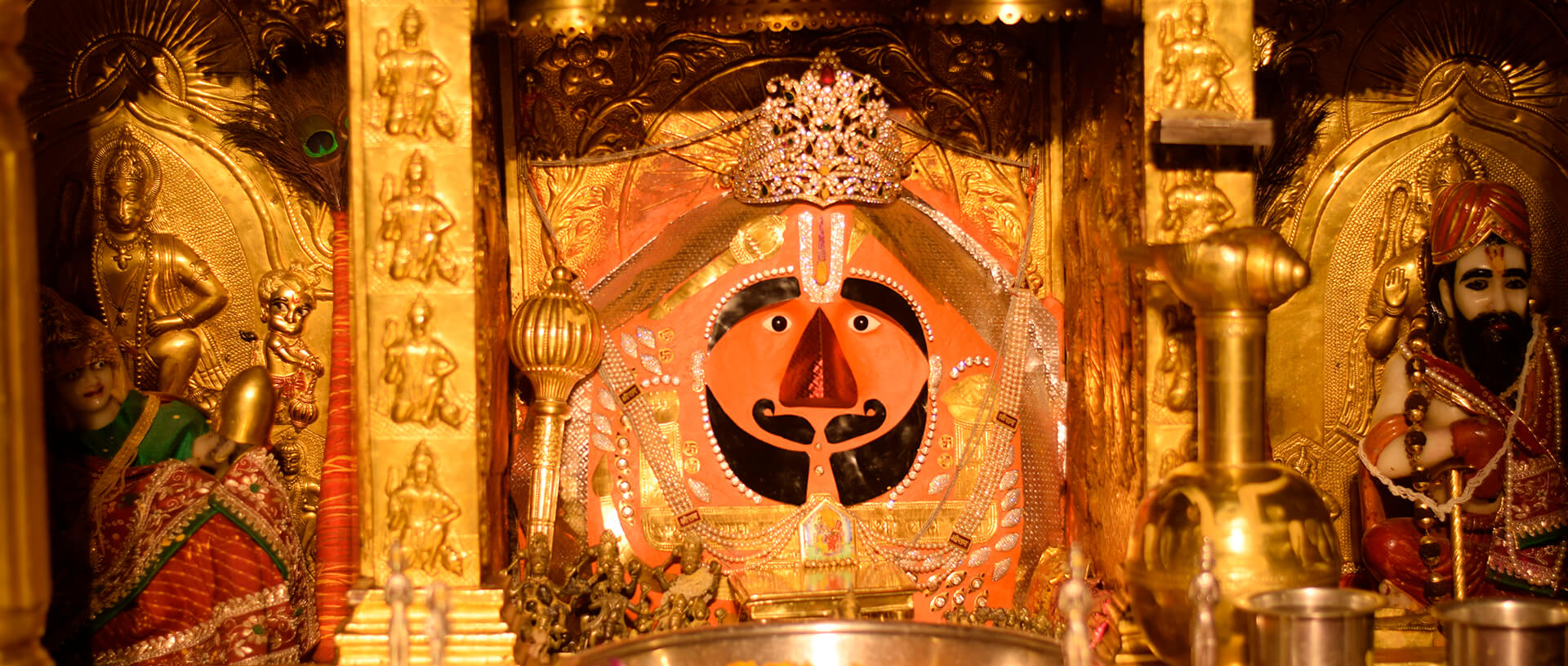
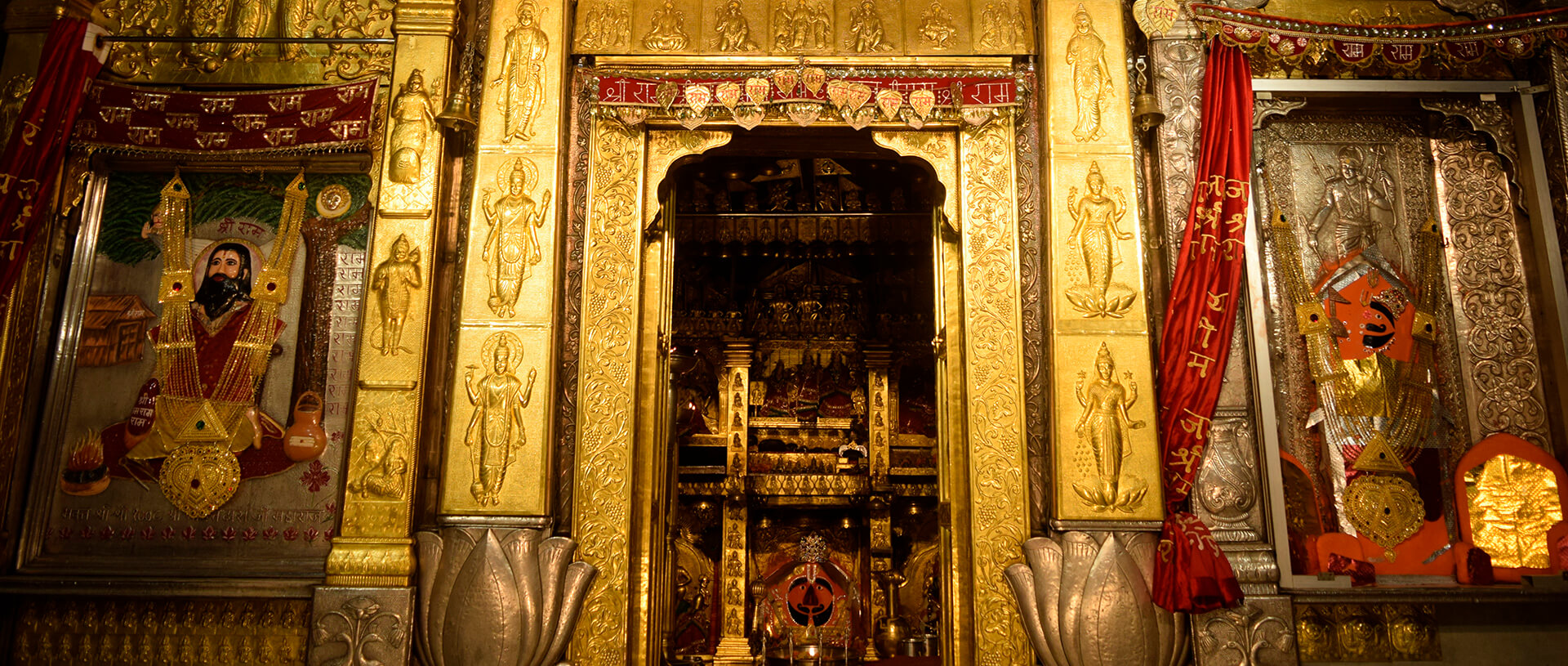
Balaji ka mandir
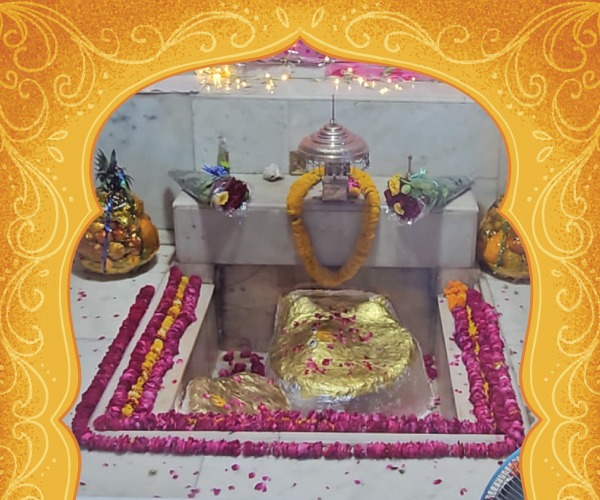
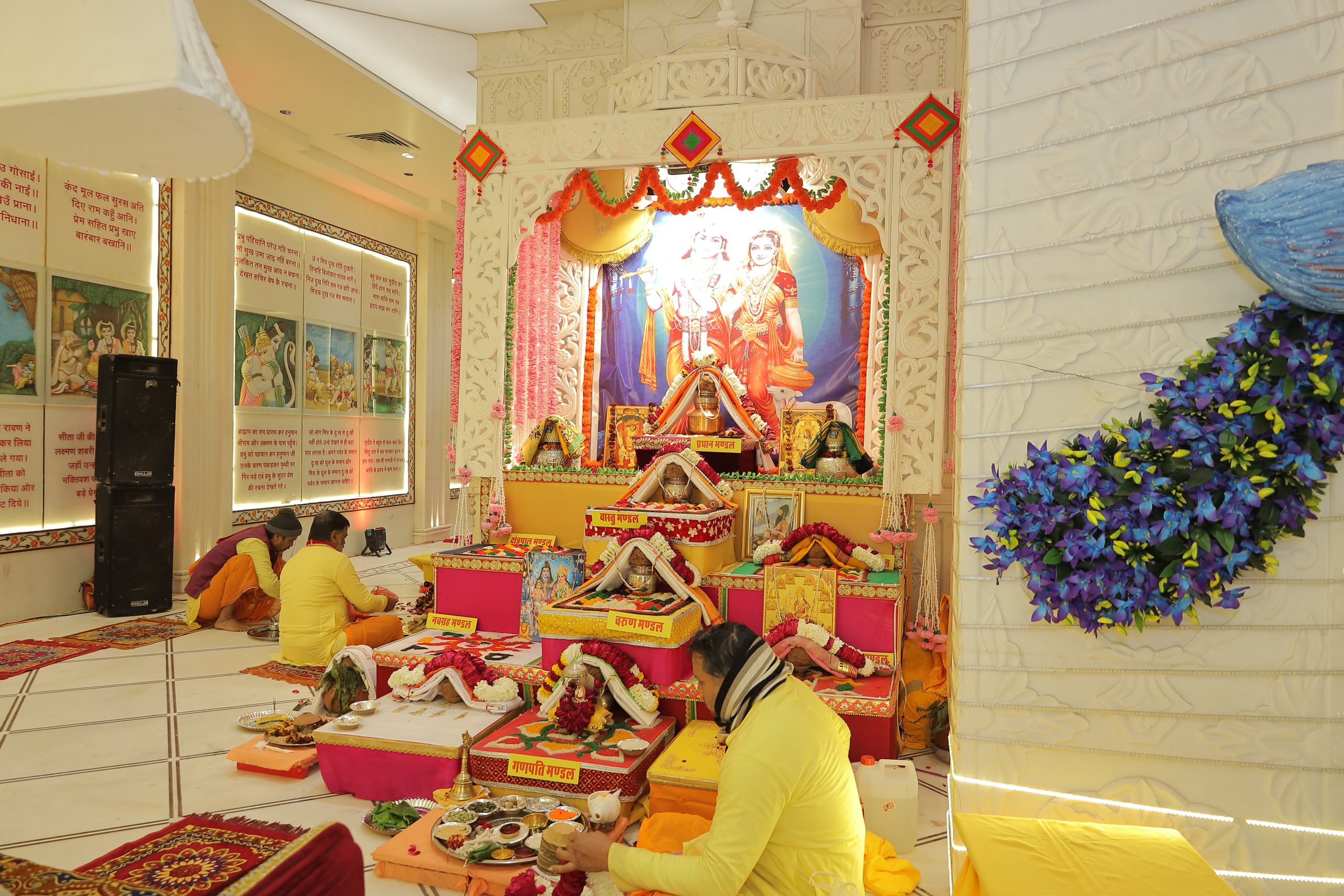
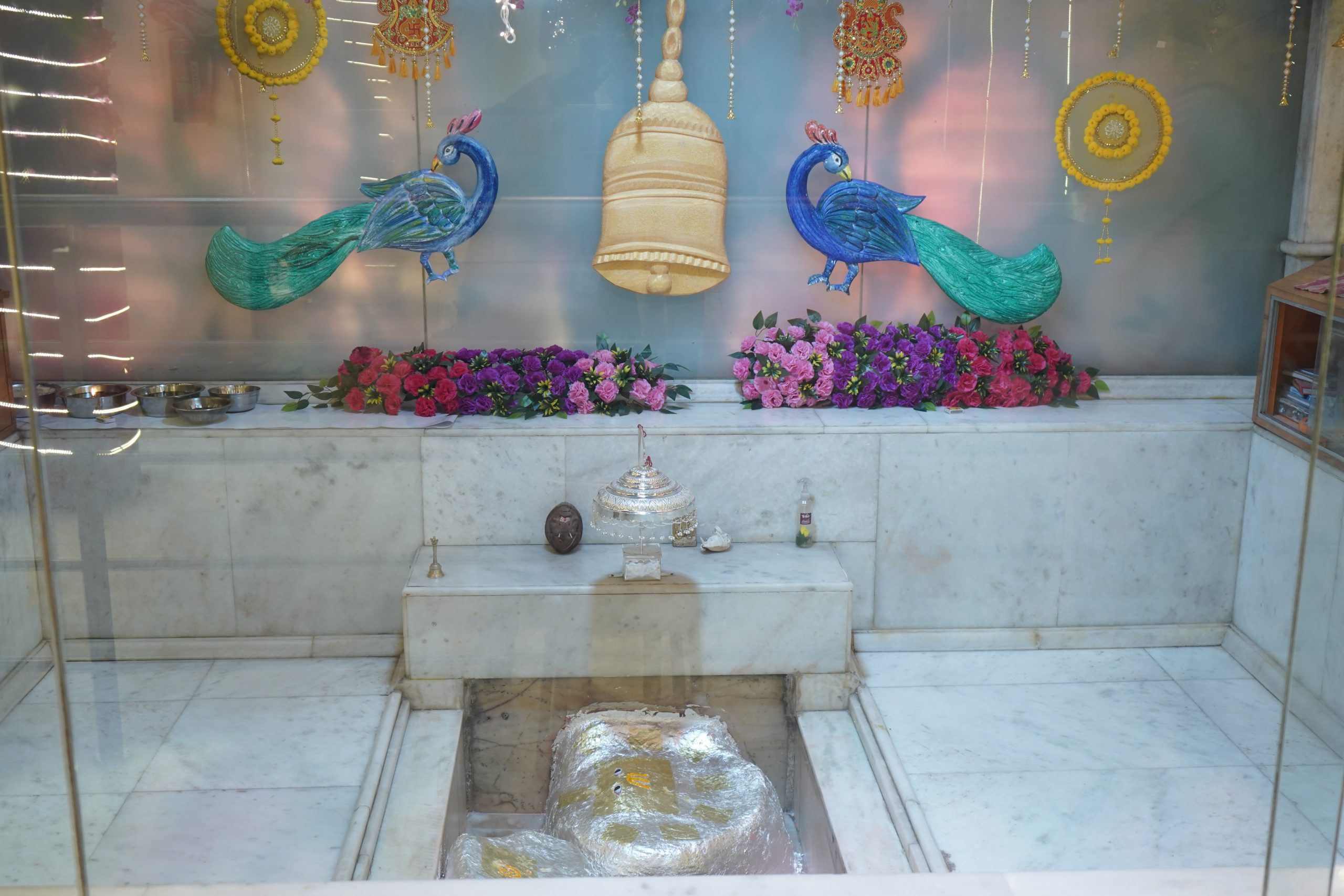
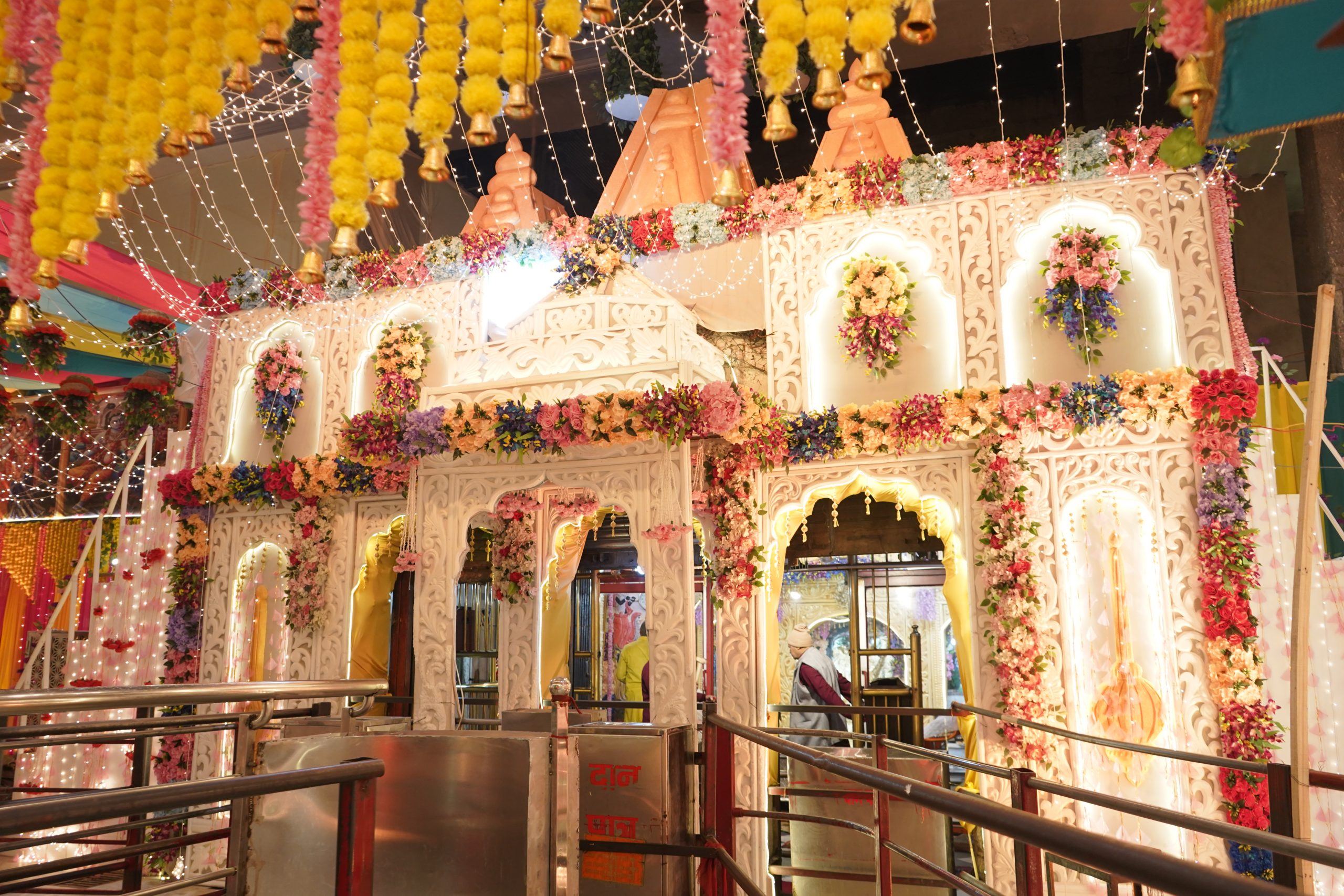
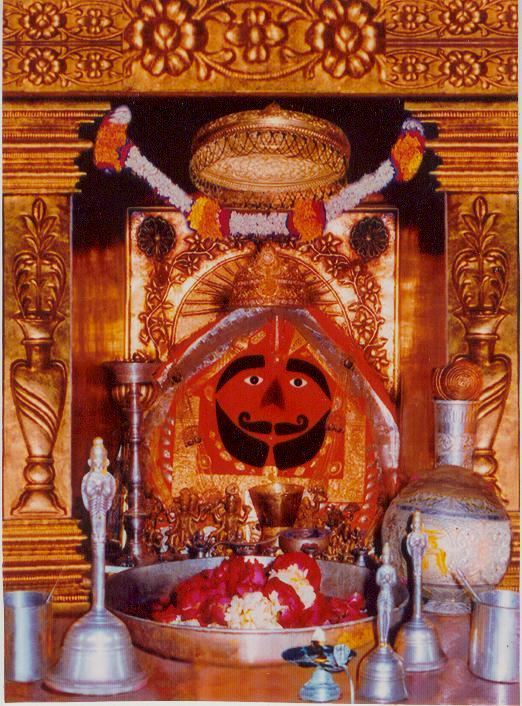
About Balaji ka mandir
Early morning and late evening are the most comfortable times to visit, offering relief from Jaipur's heat while also providing a more contemplative atmosphere with fewer crowds. Tuesdays hold particular significance in the worship of Lord Hanuman and draw increased numbers of devotees on these days. Hanuman Jayanti, the festival celebrating the deity's birth, is an especially auspicious occasion for visiting the temple, though visitors should anticipate larger gatherings during this festival period.
Those planning a visit during festivals or on Tuesdays should be prepared for heightened activity and longer wait times, while still being able to participate in the heightened spiritual energy these occasions bring.
Visitor Conduct and Etiquette
As with temples across the Hindu tradition, visitors are expected to maintain the sanctity of the shrine through respectful behavior. Modest dress is customary—clothing that covers shoulders and knees is appropriate. Shoes are typically removed before entering the inner sanctum, and many temples request their removal at the entrance. Photography policies vary; it is wise to observe what others are doing or ask temple staff before taking photographs.
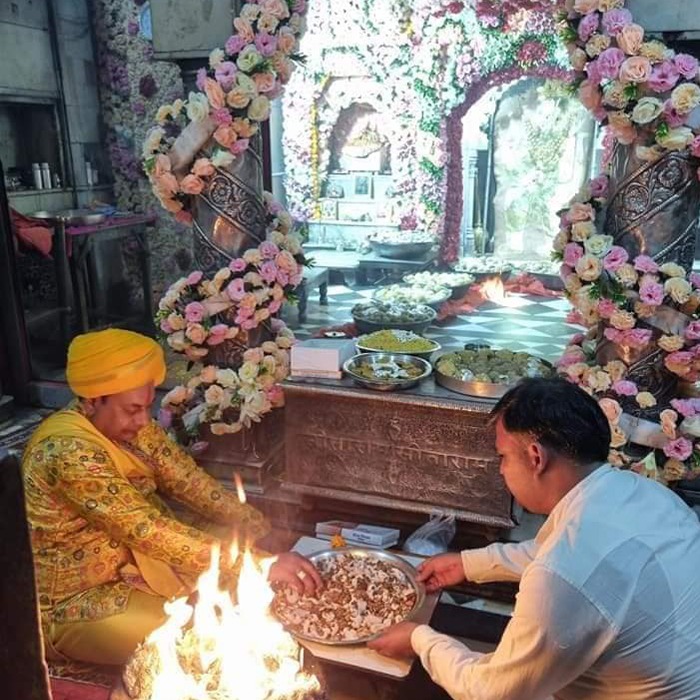
Offerings such as flowers, incense, or coconut may be brought or purchased at the temple. Prasad—blessed food distributed after worship—is typically offered to all visitors as a mark of the deity's grace. Accepting and consuming prasad is considered an important part of the darshan experience.
Location and Access
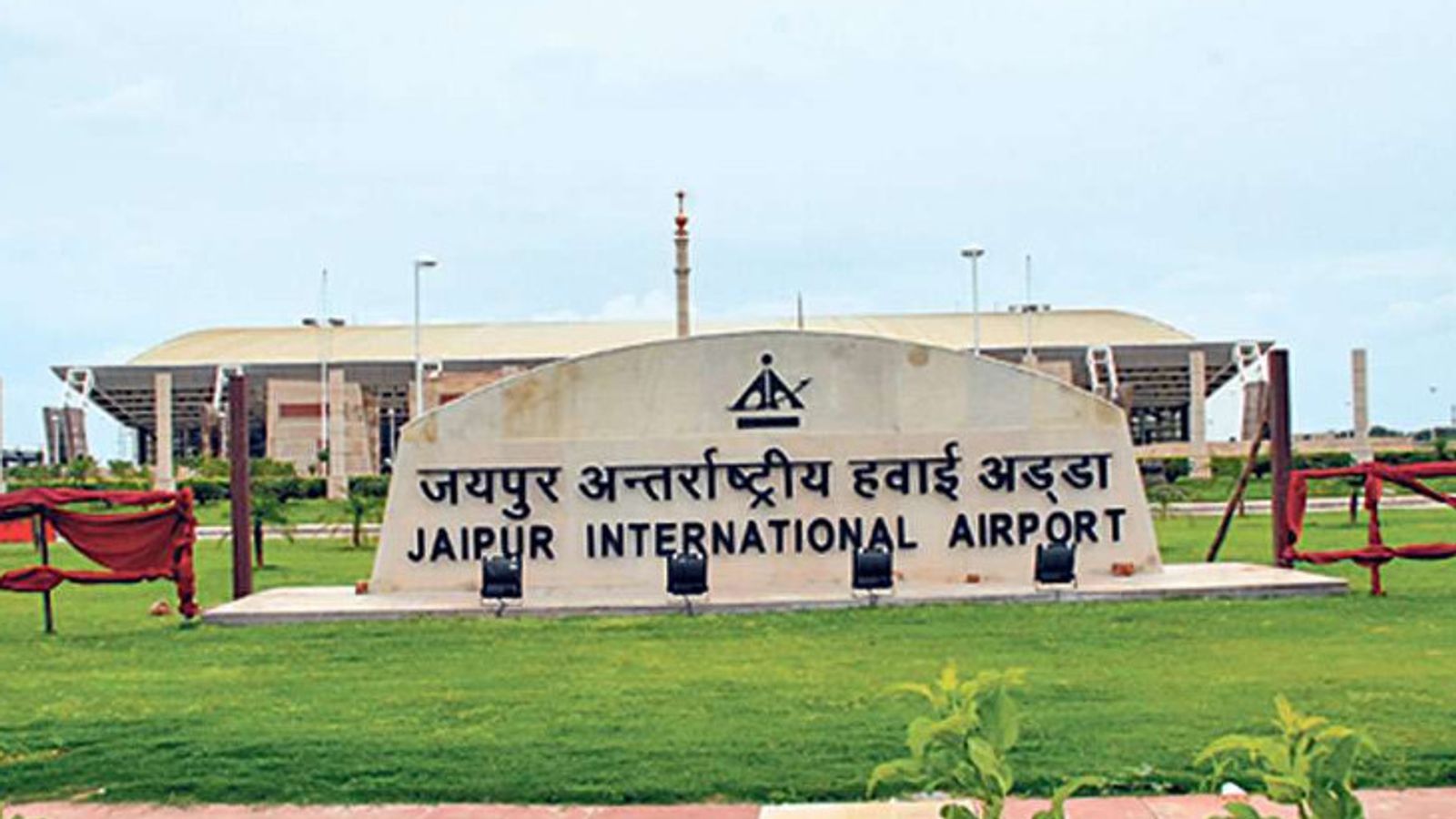
The temple is situated in the Jhotwara Industrial Area of Jhotwara, Jaipur, at coordinates 26.9174711, 75.6933889. Those traveling by vehicle can use these coordinates for navigation. The location within an industrial area means the temple is accessible by road, though visitors should allow time to locate the specific address within the area. Public transportation options to the temple can be confirmed with local Jaipur transport services or through inquiry at your accommodation.
What to Know Before You Visit
The temple operates on a daily schedule suited to both early risers and evening visitors. Those sensitive to crowds should aim for off-peak hours, while those seeking the full experience of communal worship may prefer visiting during aarti times. The temple's accessibility—both in terms of operating hours and parking—makes it a manageable stop within a Jaipur itinerary.
Visitors should carry water, as the industrial area setting may offer limited nearby amenities. The temple's spiritual significance to devotees means maintaining a respectful demeanor throughout your visit, regardless of your own faith background. A visit typically requires 30 minutes to an hour, depending on crowds and your pace of worship.
How to reach
You may also visit
Kalyanji Temple
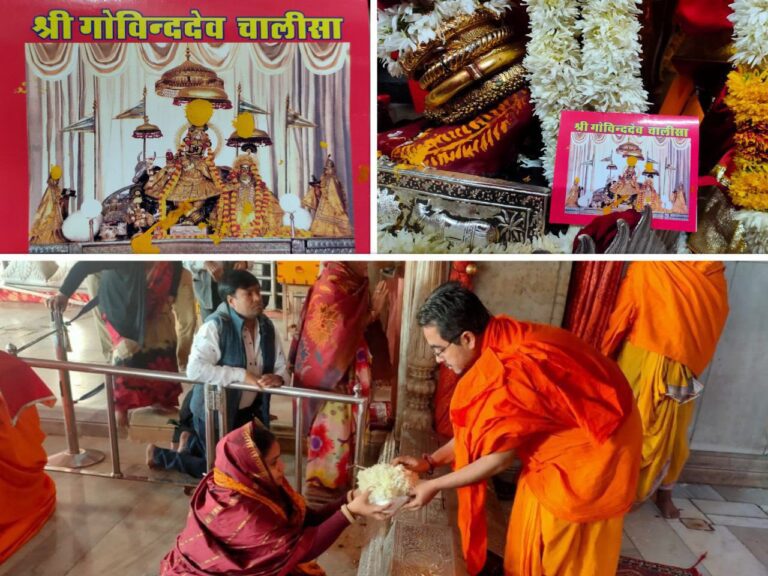
Kalyanji Temple in Jaipur's Chandpol Bazaar is an ancient Krishna shrine established in the 1820s, renowned for its seven daily aartis and special avatar darshan ceremonies during Akha Teej and Patottsav festivals.
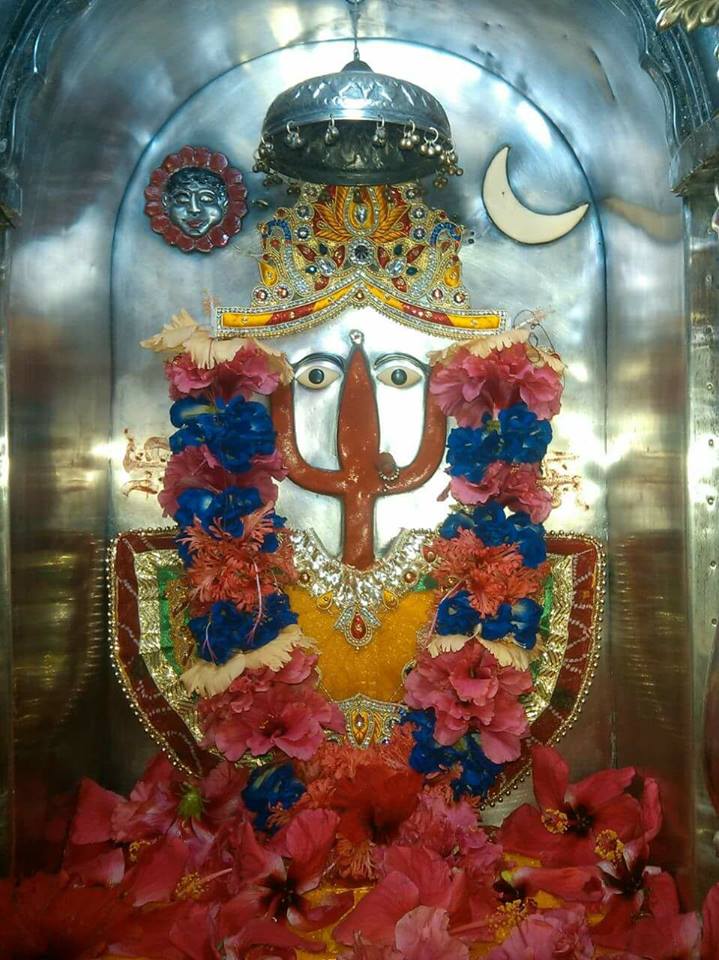
Rani Sati Mandir Mahuda
Rani Sati Mandir in Mahuda, Dhanbad District, is a Hindu temple established in 1992 that serves as a spiritual center for the local community and attracts devotees seeking blessings.
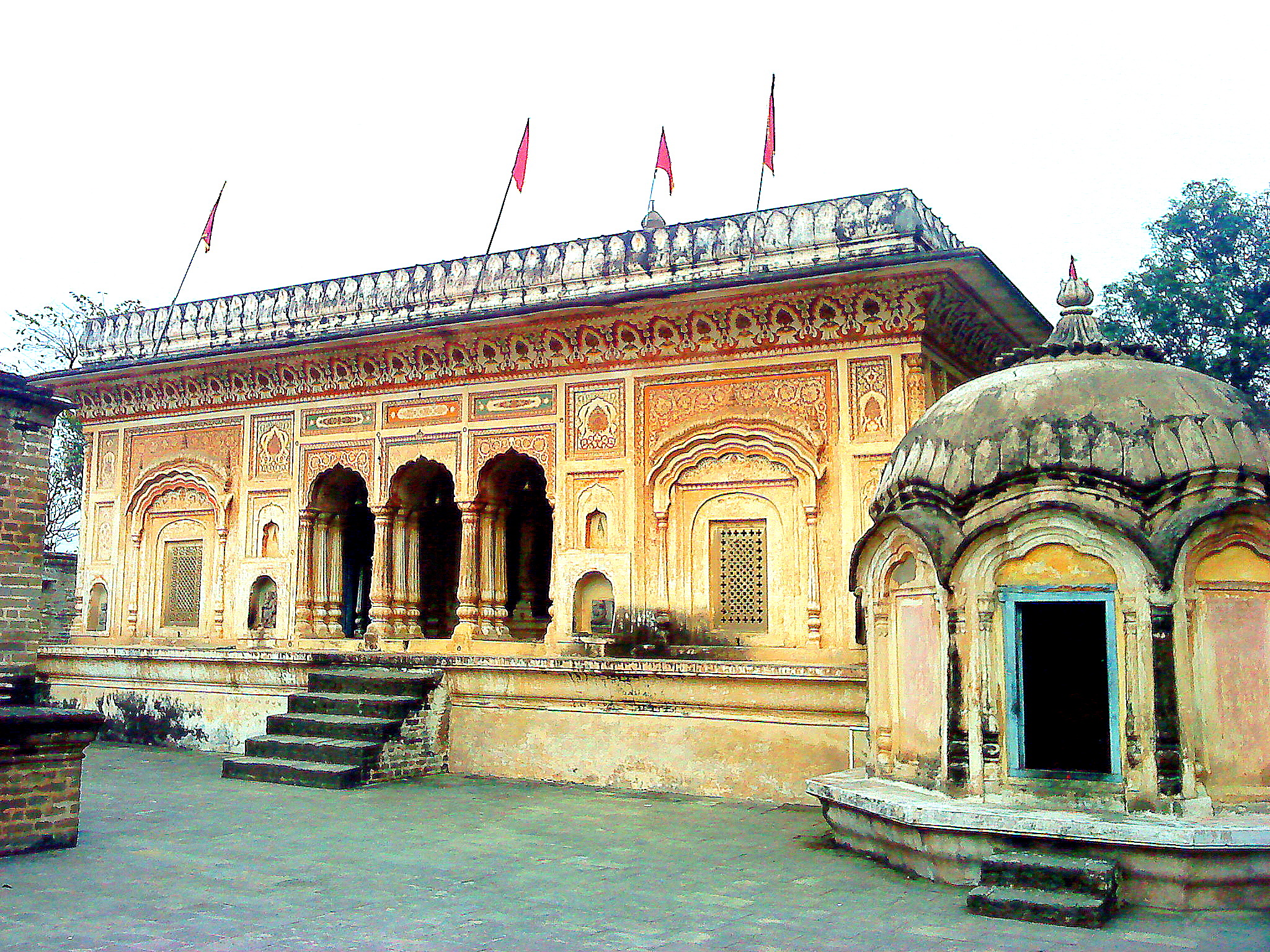
Narbadeshwar Temple
The Narbadeshwar Temple in Hamirpur district, Himachal Pradesh, is a shrine dedicated to Lord Shiva, located in the Sujanpur Tira area.