

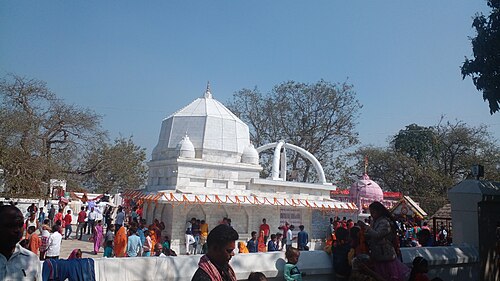
Kalyaneshwar Mahadev Mandir
About Kalyaneshwar Mahadev Mandir
The temple's origins are attributed to the Treta Yuga, the legendary age in Hindu cosmology, though the present physical structure dates to approximately two hundred years ago. This layering of ancient tradition with more recent construction is common among temples that have served as pilgrimage destinations across centuries. The shrine's longevity and continued reverence reflect its importance within the local religious landscape and the broader Mithila pilgrimage network.
Daily Worship and Darshan
As a Shiva temple, Kalyaneshwar Mahadev Mandir follows the ritual patterns typical of shrines dedicated to Mahadev. The Shivling receives daily worship and offerings from devotees. However, specific details regarding daily aarti timings are not consistently documented in available sources. Visitors planning to attend particular worship ceremonies should confirm current darshan and worship schedules directly with the temple before travelling, as these may vary seasonally or on festival occasions.
Temples of this tradition typically observe standard Hindu temple etiquette. Visitors should remove footwear before entering the sanctum, maintain respectful conduct, and follow any instructions provided by temple staff regarding the order of darshan. Modest dress is customary when visiting Hindu temples.
Festivals and Pilgrimage Seasons
The temple observes several significant festivals throughout the year. Mahashivratri, the major festival dedicated to Shiva, draws substantial pilgrimage traffic to the shrine. The month of Sawan (July–August) is noted as a major pilgrimage period, when devotion to Shiva intensifies across many temples in the Hindu tradition, and this temple experiences heightened activity during these weeks.
Beyond these principal observances, the temple celebrates Guru Purnima in July, honouring spiritual teachers and drawing devotees seeking blessings related to learning and guidance. Raksha Bandhan in August, marking the bond between siblings, is also observed at the shrine. Holi, the festival of colours, is celebrated as well. Visitors interested in experiencing the temple during its most vibrant periods should plan their visit around Sawan or Mahashivratri, when the pilgrimage circuit is most active.
Visiting the Temple
The temple is located at coordinates 26.9582162, 75.7077946 in Kalna village, Harlakhi block, Madhubani district, Bihar. The nearest major city is Madhubani. Visitors should plan to confirm current opening hours and darshan timings with the temple directly before travelling, as these details are not consistently documented in available sources and may change with seasons or special occasions.
When visiting, dress modestly and be prepared to remove footwear before entering the sanctum. Carry water and sun protection, as the region experiences significant heat during summer months. The best times to visit are during Sawan (July–August) or around Mahashivratri, when the temple is most active and the pilgrimage atmosphere is strongest, though these periods will also draw larger crowds.
The Mithila Pilgrimage Context
This temple's significance extends beyond its individual shrine. As part of the Mithila Madhya Parikrama circuit, it connects pilgrims to a broader network of sacred sites associated with King Janaka and the ancient kingdom of Mithila. Devotees often visit multiple temples along this circuit as part of a larger spiritual journey. Understanding the temple within this context enriches a visit and connects individual worship to the region's deep religious heritage.
How to reach
Temples near Kalyaneshwar Mahadev Mandir
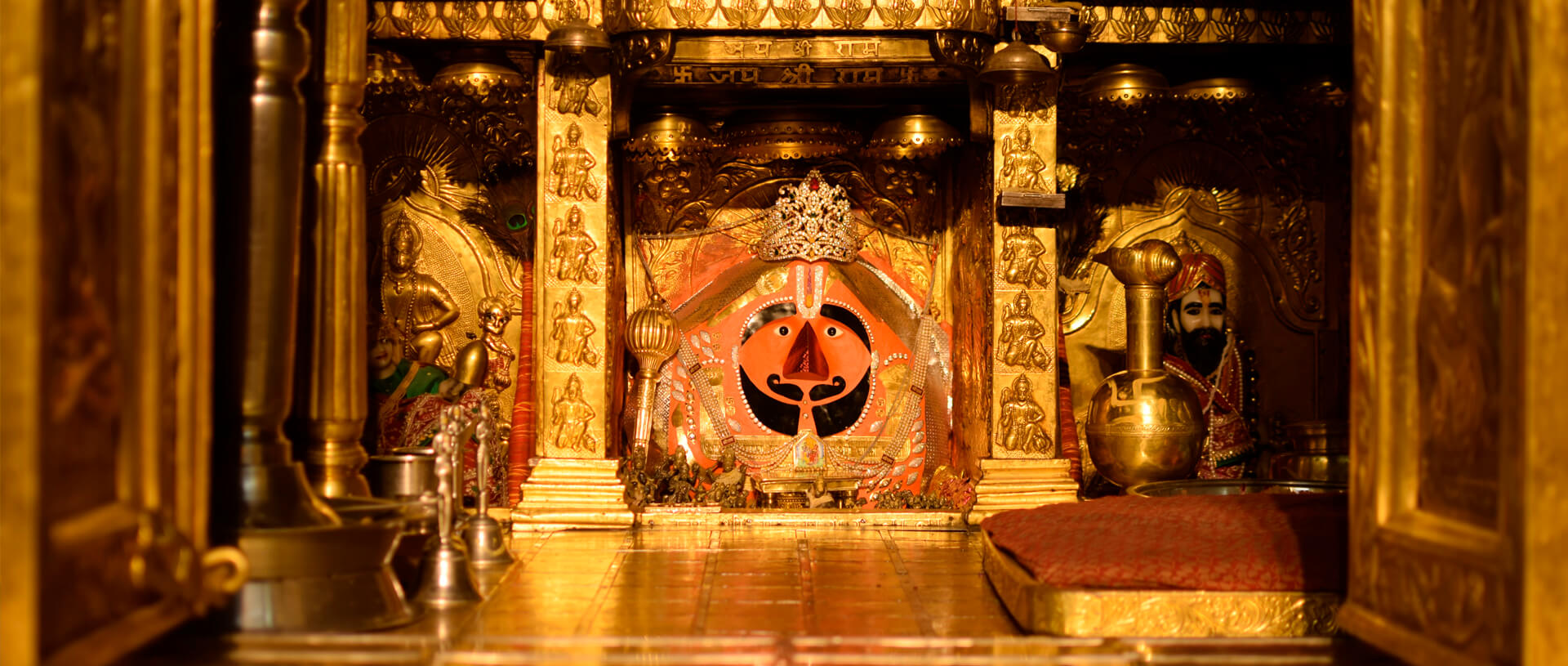
Balaji ka mandir
Baad Peepli Balaji Mandir in Jaipur is a revered shrine dedicated to Lord Hanuman, known locally as Balaji, drawing devotees seeking spiritual solace and divine intervention.
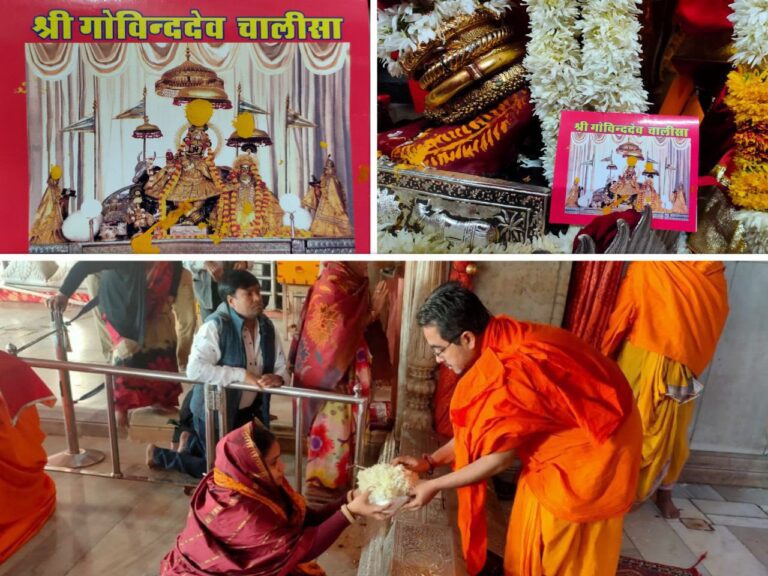
Kalyanji Temple
Kalyanji Temple in Jaipur's Chandpol Bazaar is an ancient Krishna shrine established in the 1820s, renowned for its seven daily aartis and special avatar darshan ceremonies duri…

Jharkhand Mahadev Mandir
Jharkhand Mahadev Mandir in Jaipur is a prominent Shiva temple featuring Dravidian architectural elements, drawing thousands of devotees daily who seek blessings through worship…
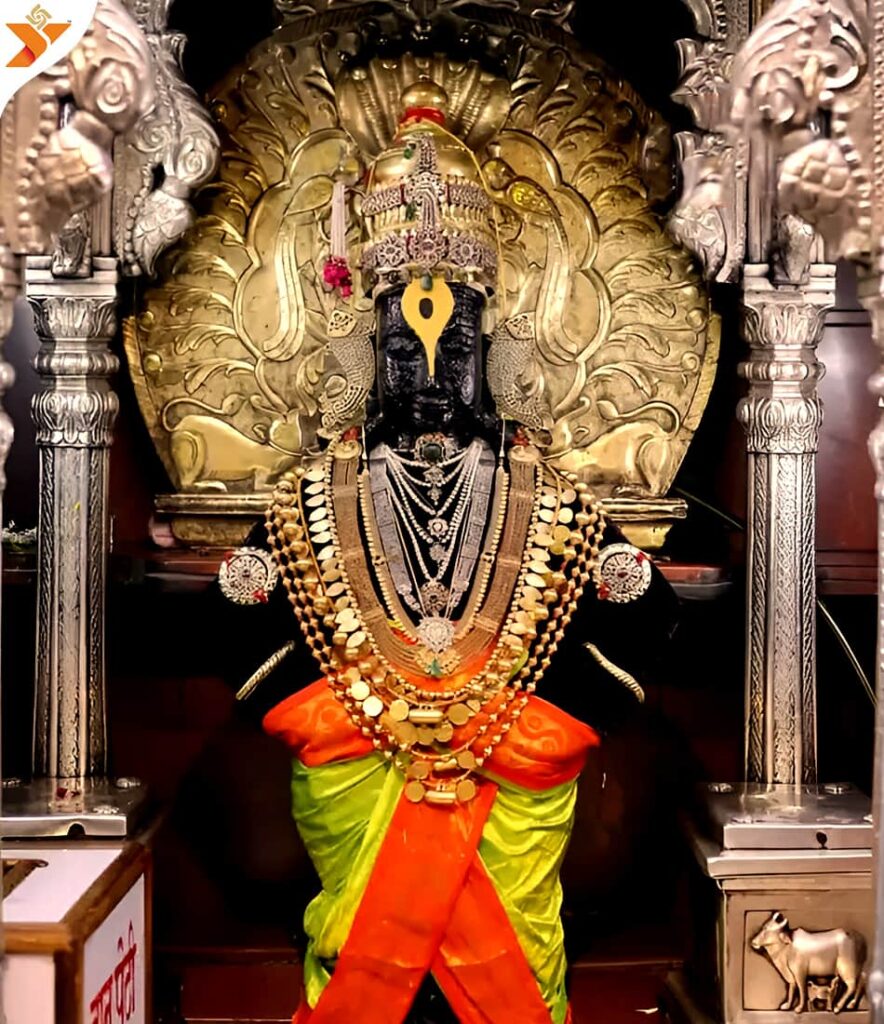
Akshardham-Mandir Temple
Akshardham-Mandir Temple in Jaipur is a serene Hindu shrine dedicated to Lord Narayan, built in pink sandstone under the Swaminarayan tradition and known for its intricate archi…

raghunathji ka mandir
Shri Radha Gopinath Ji Temple in Jaipur's old city is an 18th-century Krishna temple established during Maharaja Sawai Jai Singh II's reign, serving as a living center of devoti…
Charan Mandir
Charan Mandir is an ancient Krishna temple in Jaipur's Nahargarh Reserve Forest, revered for preserving the sacred footprints of Lord Krishna believed to have appeared at this s…