
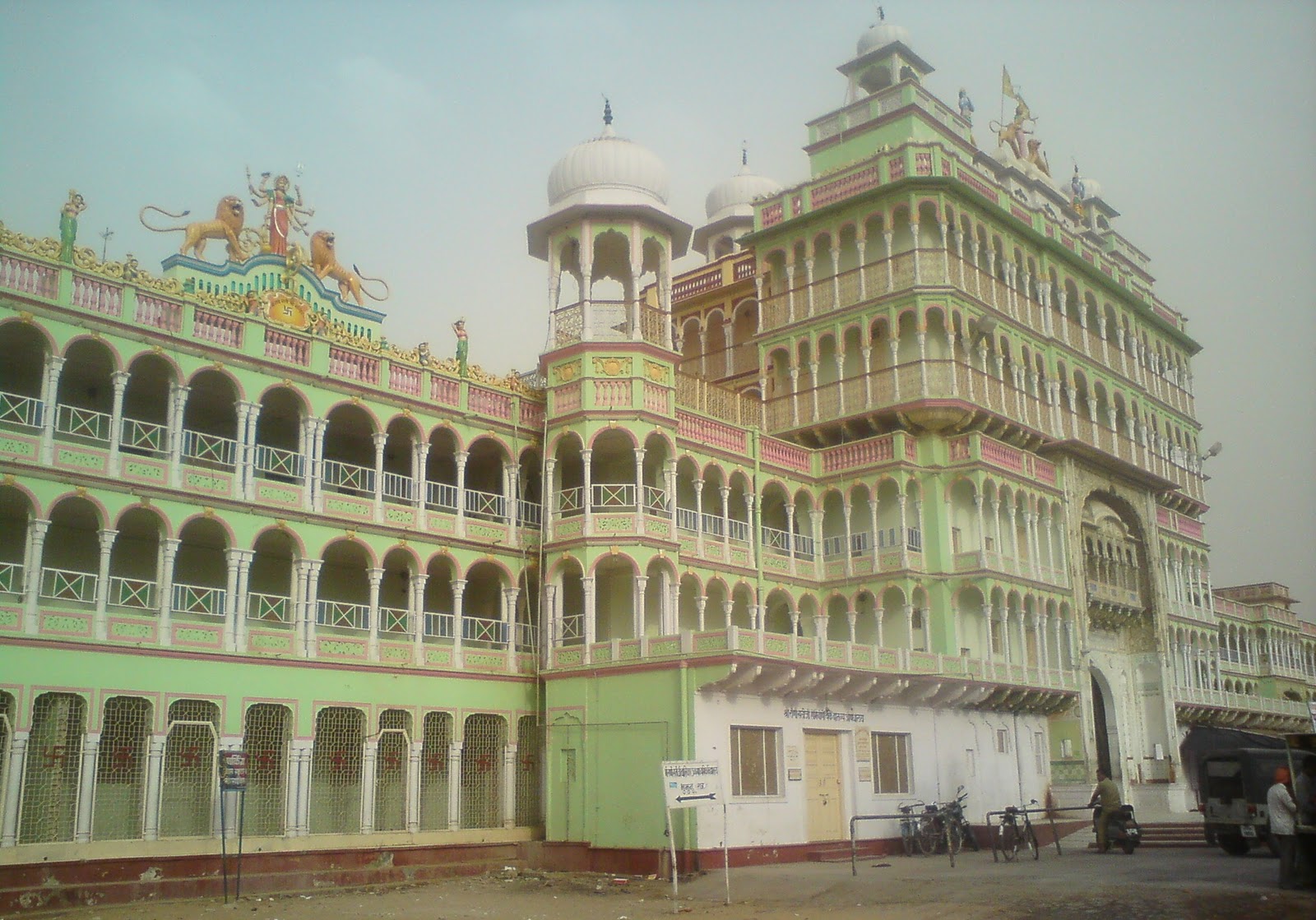
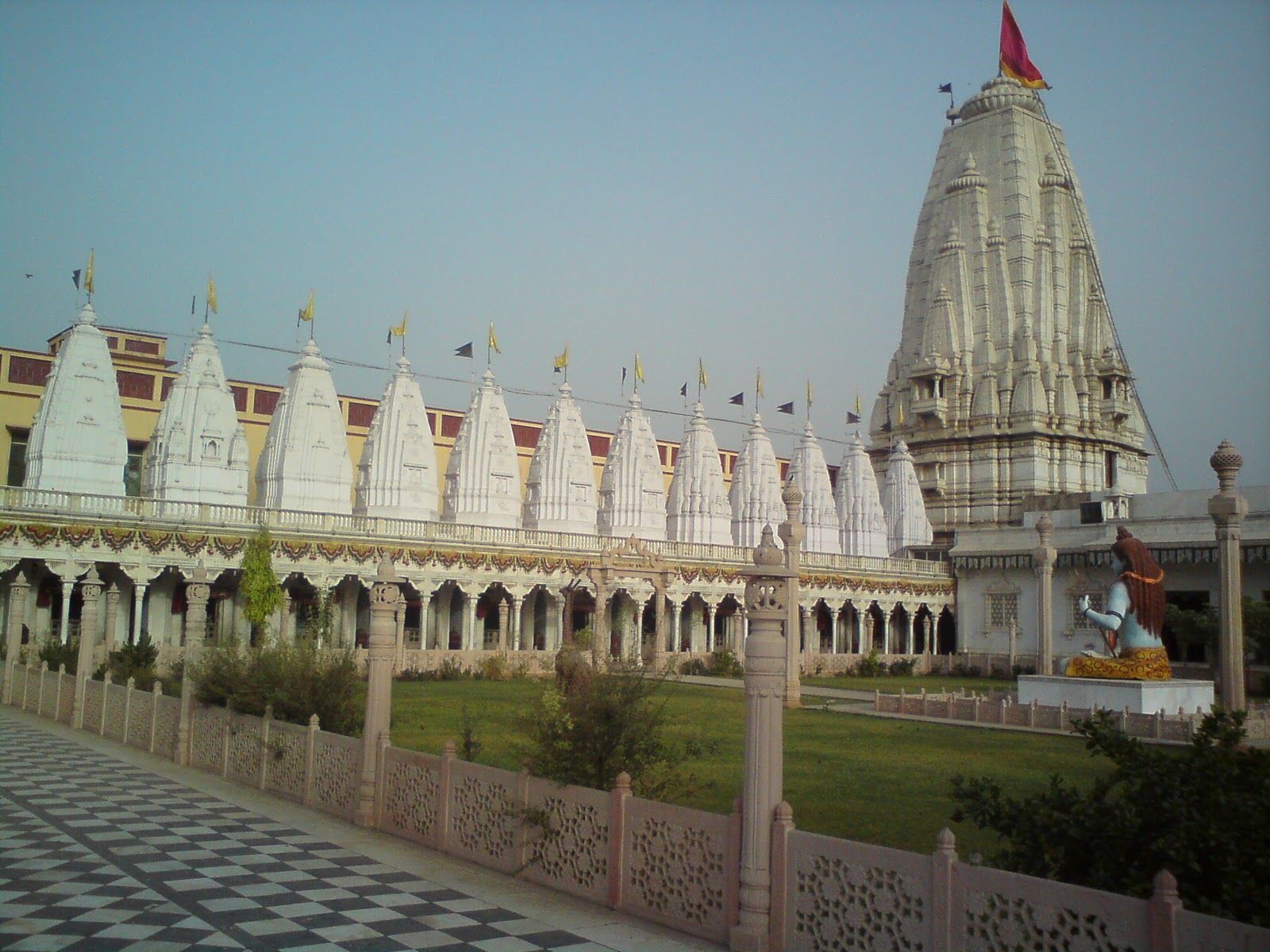
Rani Sati Temple
About Rani Sati Temple
The temple maintains regular hours for devotees throughout the day. Morning worship begins at 06:00 with the Mangala Aarti, an auspicious ritual performed at dawn. The temple remains open during morning hours until 13:00, then reopens in the afternoon and evening from 15:00 until 22:30. The Sandhya Aarti takes place at sunset, marking another significant moment of daily worship when the deity is honoured as daylight transitions to evening.
Visitors may participate in these aartis or simply offer their respects during open hours. The rhythm of daily worship creates opportunities for both formal ritual participation and personal devotion according to individual preference and circumstance.
Festival Observance
The temple observes special worship during Bhadra Amavasya, the new moon day falling in the dark half of the Bhadra month according to the Hindu lunar calendar. This occasion draws heightened devotional activity and is considered an auspicious time for worship at the shrine. Pilgrims planning their visit around this festival period may experience the temple at a time of particular spiritual significance and congregational gathering.
Visiting Information
The temple is located at Rani Sati Mandir, Chobari Mandi Colony, Jhunjhunu, in Rajasthan's Jhunjhunu district. Visitors should plan their visit according to the temple's operating hours: 06:00 to 13:00 in the morning, and 15:00 to 22:30 in the afternoon and evening. The temple closes during midday hours.
As with most Hindu temples, visitors are expected to dress modestly and respectfully. Shoes are typically removed before entering the inner sanctum. Photography policies may vary; it is courteous to ask permission before photographing. The temple welcomes pilgrims of all backgrounds, though visitors unfamiliar with Hindu worship customs may wish to observe quietly and follow the example of other devotees present. Those wishing to make offerings or participate more formally in worship may do so according to their inclination and the guidance of temple staff.
Location and Access
Jhunjhunu lies in the Shekhawati region of Rajasthan, accessible by road from major cities in the state. The temple's precise coordinates are 28.13527778, 75.40361111, which may assist those using GPS navigation. Local transport within Jhunjhunu can direct visitors to Chobari Mandi Colony. Those travelling from outside the region should plan their journey in advance, as temple timings are fixed and the midday closure means careful timing of arrival is advisable for those with limited time.
How to reach
You may also visit
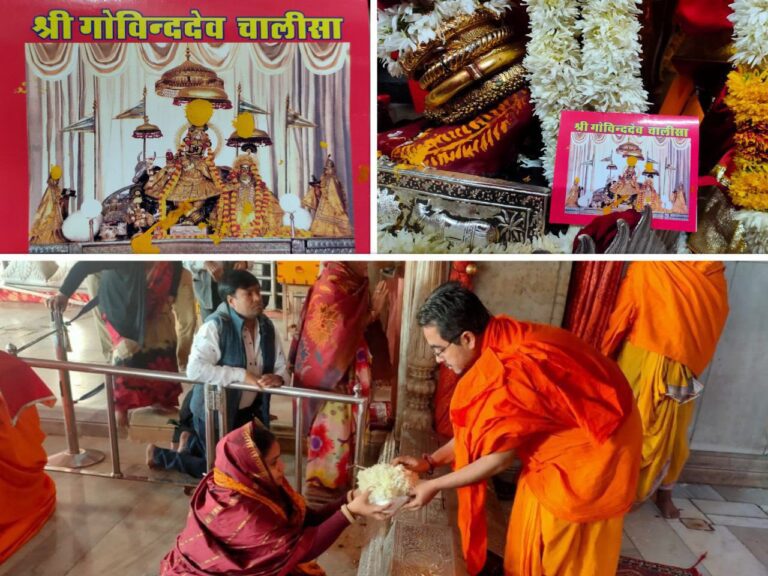
Kalyanji Temple
Kalyanji Temple in Jaipur's Chandpol Bazaar is approximately two centuries old and renowned for displaying the twenty-four avatars of Krishna, visible only twice yearly during Akha Teej and Patottsav festival.
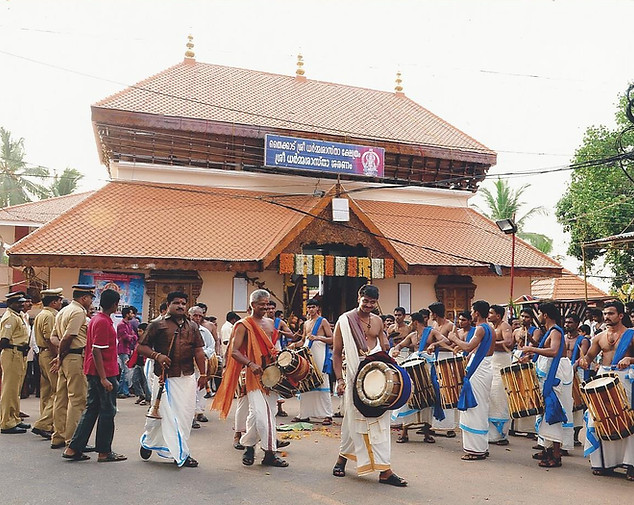
Sastha (Ayyappan) Temple
Sree Dharma Sastha Temple in Thycaud, Thiruvananthapuram, is a centuries-old shrine where the deity manifests as Dhanwanthari, the divine healer, holding the sacred blue lotus.
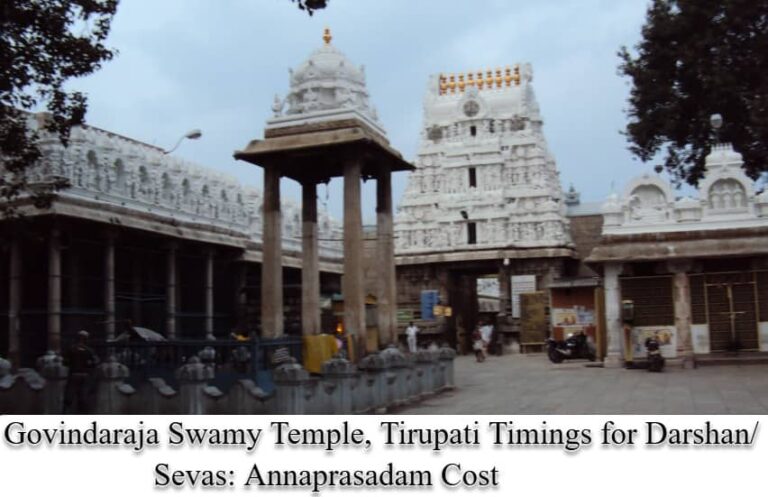
Govindarajaswamy Temple
Sri Govindarajaswamy Temple in Tirupati is an ancient Vaishnavaite shrine consecrated in 1130 AD by Saint Ramanuja, where the presiding deity rests in eternal Yoga Nidra on the serpent Adisesha.