Gopinatha Perumal Temple
About Gopinatha Perumal Temple
The temple observes several festivals throughout the year. Sharad Navaratri, the nine nights of the Goddess in autumn, draws larger crowds and sees the temple decorated with particular care. Vasant Panchami in January marks the onset of spring and includes Saraswati puja. Chhath Puja in November, a festival honouring the sun deity, is also celebrated here. On festival days, darshan timings may shift, so confirmation with the temple before travelling is advisable.
When to Visit
The ideal seasons are April through June, when summer weather prevails, and July through August during the monsoon months. In these periods the surrounding landscape becomes lush and green, enhancing the natural beauty of the Himalayan setting. However, the climate at this elevation can shift rapidly and unpredictably. Visitors should arrive prepared for variable weather conditions, bringing layers and rain protection even during supposedly dry seasons.
Early morning hours are considered particularly auspicious for darshan and offer the practical advantage of lighter crowds and cooler temperatures during warmer months.
Practical Information for Visitors
The temple is accessible by road from nearby cities including Rishikesh and Dehradun, with taxi or cab hire available for the journey. Parking is available at the site. Accommodation options for pilgrims include the GMVN guest house and Kund Colony, both located nearby and offering basic rest facilities for travellers.
The temple's sacred areas present challenges for those with mobility difficulties, as steps and uneven terrain are features of the site—a characteristic common to many mountain temples in this region. Sturdy footwear and physical preparation are advisable. The Himalayan environment and the temple's location on sloped terrain mean that visitors should assess their own fitness before undertaking the pilgrimage.
Dress and Conduct
As a Shiva temple, Gopinath follows worship practices traditional to shrines dedicated to this deity. Visitors should dress modestly and respectfully when entering the temple precincts. The temple remains an active place of worship for local devotees, and visitors are expected to conduct themselves with appropriate reverence. Modest clothing that covers shoulders and knees is standard practice at Hindu temples and is particularly important in this mountain community where the temple serves the local population.
How to reach
You may also visit
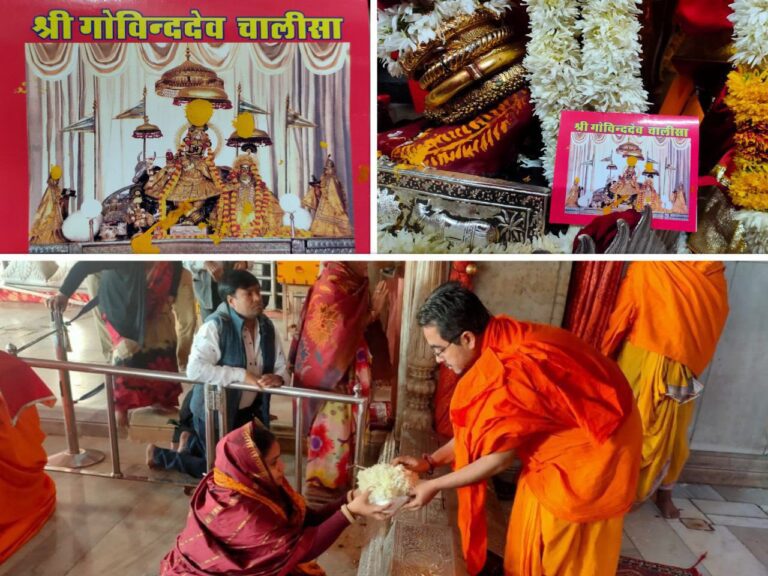
Kalyanji Temple
Kalyanji Temple in Jaipur's Chandpol Bazaar is approximately two centuries old and renowned for displaying the twenty-four avatars of Krishna, visible only twice yearly during Akha Teej and Patottsav festival.
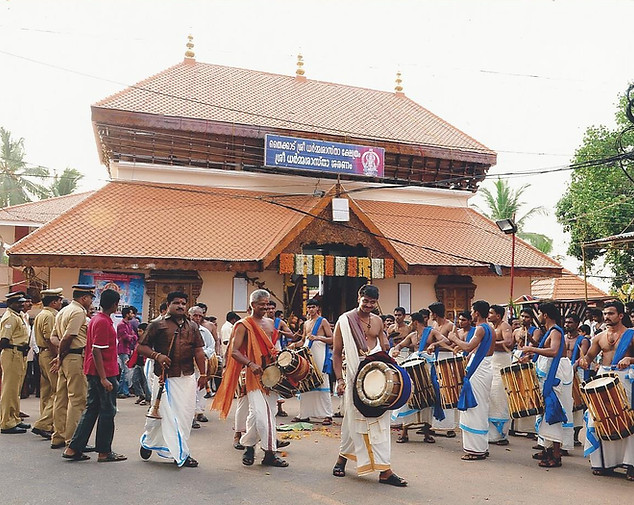
Sastha (Ayyappan) Temple
Sree Dharma Sastha Temple in Thycaud, Thiruvananthapuram, is a centuries-old shrine where the deity manifests as Dhanwanthari, the divine healer, holding the sacred blue lotus.
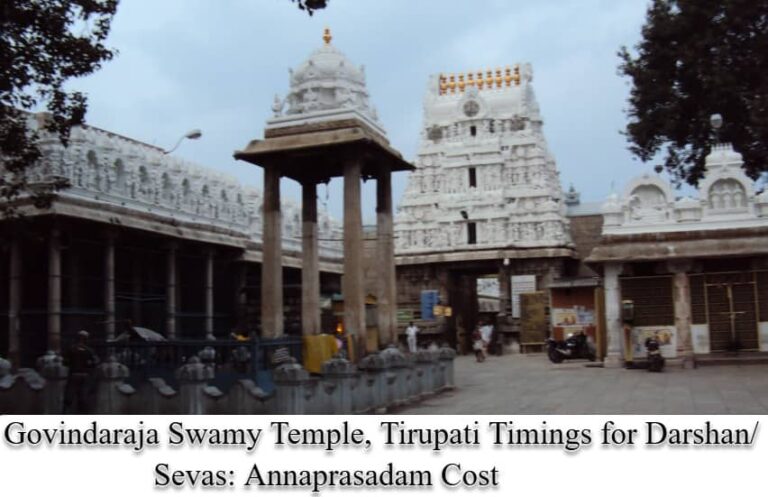
Govindarajaswamy Temple
Sri Govindarajaswamy Temple in Tirupati is an ancient Vaishnavaite shrine consecrated in 1130 AD by Saint Ramanuja, where the presiding deity rests in eternal Yoga Nidra on the serpent Adisesha.