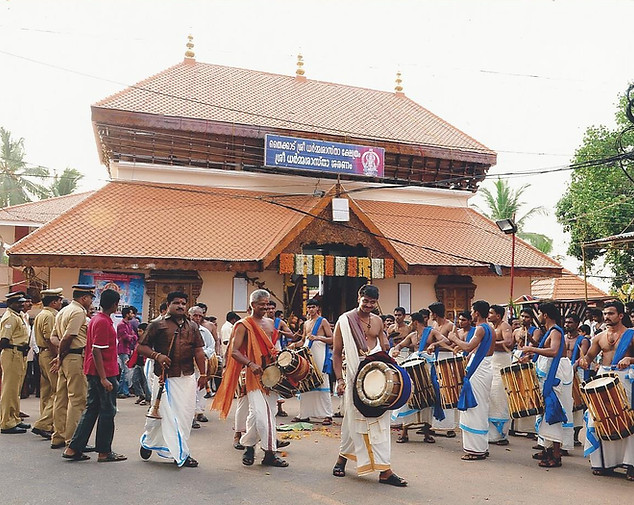
Parasunathar Temple
About Parasunathar Temple
At the heart of Parasunathar Temple lies a Beejakshara Linga, a form of Shiva's representation that carries specific spiritual meaning within Hindu practice. The temple's architecture and ritual life center on this sacred form, which devotees approach during darshan—the viewing of the deity that forms the core of temple worship. As a Shiva temple, Parasunathar follows the liturgical patterns typical of such shrines, where daily worship, offerings, and the presence of the deity structure the devotional experience for visitors and regular worshippers alike.
Visiting Hours and Darshan
The temple opens for darshan during two periods each day: morning hours from 6:00 to 11:00 and evening hours from 16:00 to 20:00. Visitors planning their journey should arrange arrival within these windows. The specific protocols for darshan—whether queuing systems exist, whether photography is permitted, or whether particular areas are restricted—are not detailed in available sources, so arriving early or contacting the temple directly will help clarify current practices. As is customary in Tamil Nadu temples, modest dress is expected; visitors should cover shoulders and knees. Women may encounter requests to remove certain metal ornaments before entering the inner sanctum, depending on local custom.
Festivals and Auspicious Times
Three periods stand out as particularly significant for visiting Parasunathar Temple. Akshaya Tritiya, falling in April or May, marks an auspicious day in the Hindu calendar. Mahasivaratri, observed in February or March, holds special importance as a festival dedicated to Shiva, drawing devotees seeking his blessings. Margazhi Tiruvadhirai, celebrated in December or January, represents another occasion when the temple draws heightened devotional attention. These festivals align with the broader rhythms of Tamil Nadu's religious calendar, though specific details about special rituals, processions, or ceremonies at this temple are not available from current sources.
Reaching Muzhaiyur
Muzhaiyur lies in Thanjavur district near Kumbakonam, a town well-connected by road and rail networks. Kumbakonam serves as the nearest major hub for transport; from there, local transport or taxi services can carry visitors to Muzhaiyur village. The temple's GPS coordinates—10.92522, 79.35392—enable navigation via mapping applications for those traveling by personal vehicle. Visitors arriving by train may use Kumbakonam railway station as their reference point. The exact distance from Kumbakonam to Muzhaiyur and precise travel times are best confirmed through local inquiry, as transport options and conditions may vary. Those unfamiliar with the area should seek current local guidance upon arrival in the region.
Practical Information
Specific details regarding visitor facilities, accommodation, parking, and formal darshan procedures are not documented in available sources. Visitors should contact the temple directly or seek information from local residents upon arrival to confirm current opening hours, any entry requirements, and available amenities. The temple's location in a village setting suggests that facilities may be limited compared to larger urban temples, so planning accordingly—including bringing water and arranging transport in advance—is advisable. As with most Hindu temples, a respectful approach to the sacred space and its rituals is expected from all visitors.
How to reach
Temples near Parasunathar Temple
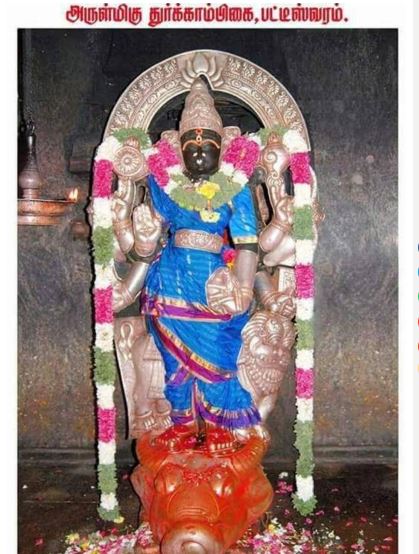
Durgai Amman Temple, Patteeswaram
Durgai Amman Temple in Patteeswaram near Kumbakonam is a Hindu shrine dedicated to Goddess Durga, featuring a celebrated graceful idol of the deity.
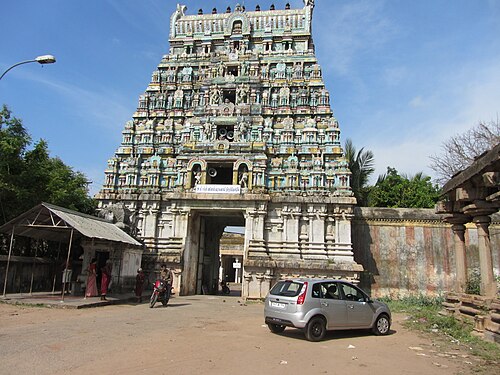
Sakthivanesvara Temple
Sakthivanesvara Temple in Thirusakthimutram near Kumbakonam, Tamil Nadu, is dedicated to Shiva in his form embraced by his consort Parvati, believed to grant devotees their desi…
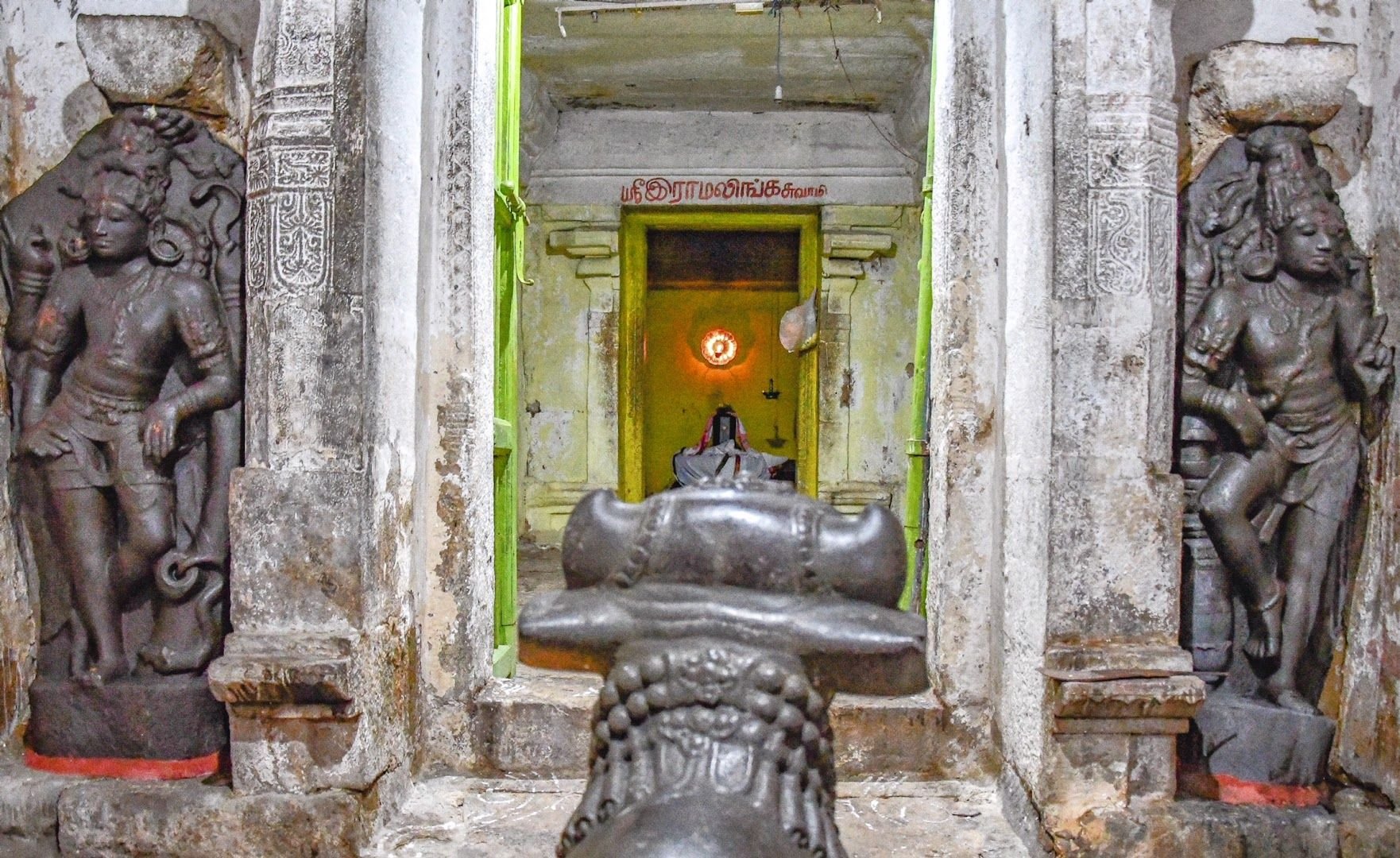
Panchavan Madeviyar Pallippadai Temple
A Chola-era memorial temple dedicated to Queen Panchavan Madeviyar, built by Rajendra Chola atop her cremated remains, housing a Shiva lingam within its sanctum.
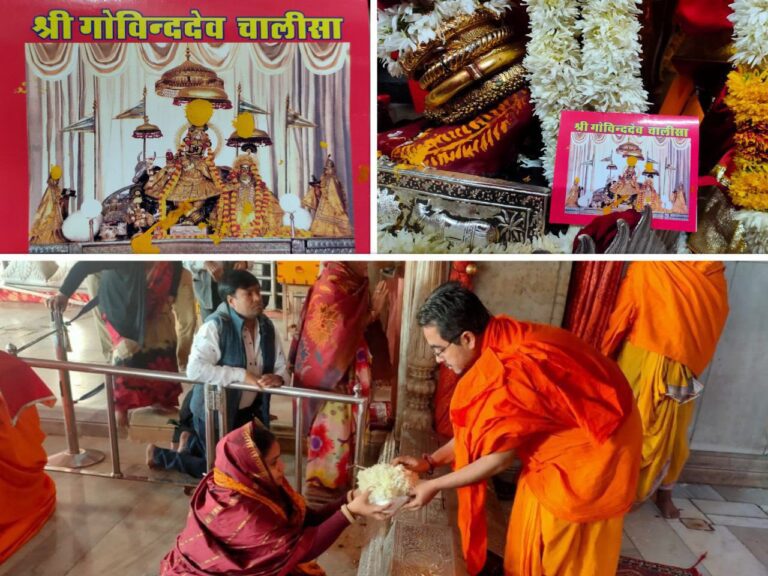
Gopinatha Perumal Temple
Gopinatha Perumal Temple in Vrindavan, Uttar Pradesh is an ancient shrine dedicated to Lord Shiva, established between the 6th–9th centuries CE. The temple draws devotees year-r…
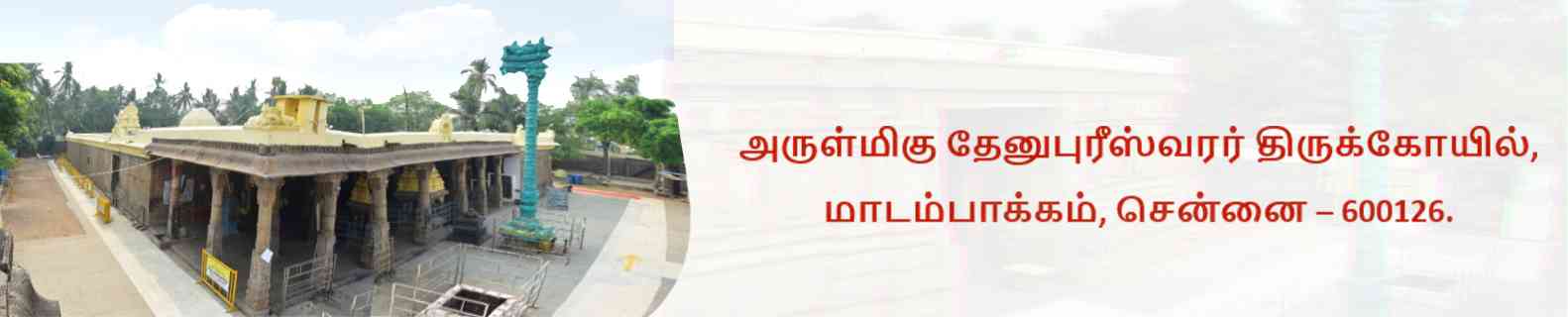
Thenupuriswarar Temple
Thenupuriswarar Temple in Patteeswaram, Tamil Nadu, is an ancient Shiva shrine revered in the 7th-century Tevaram and associated with the saint Sambandar. The presiding deity is…
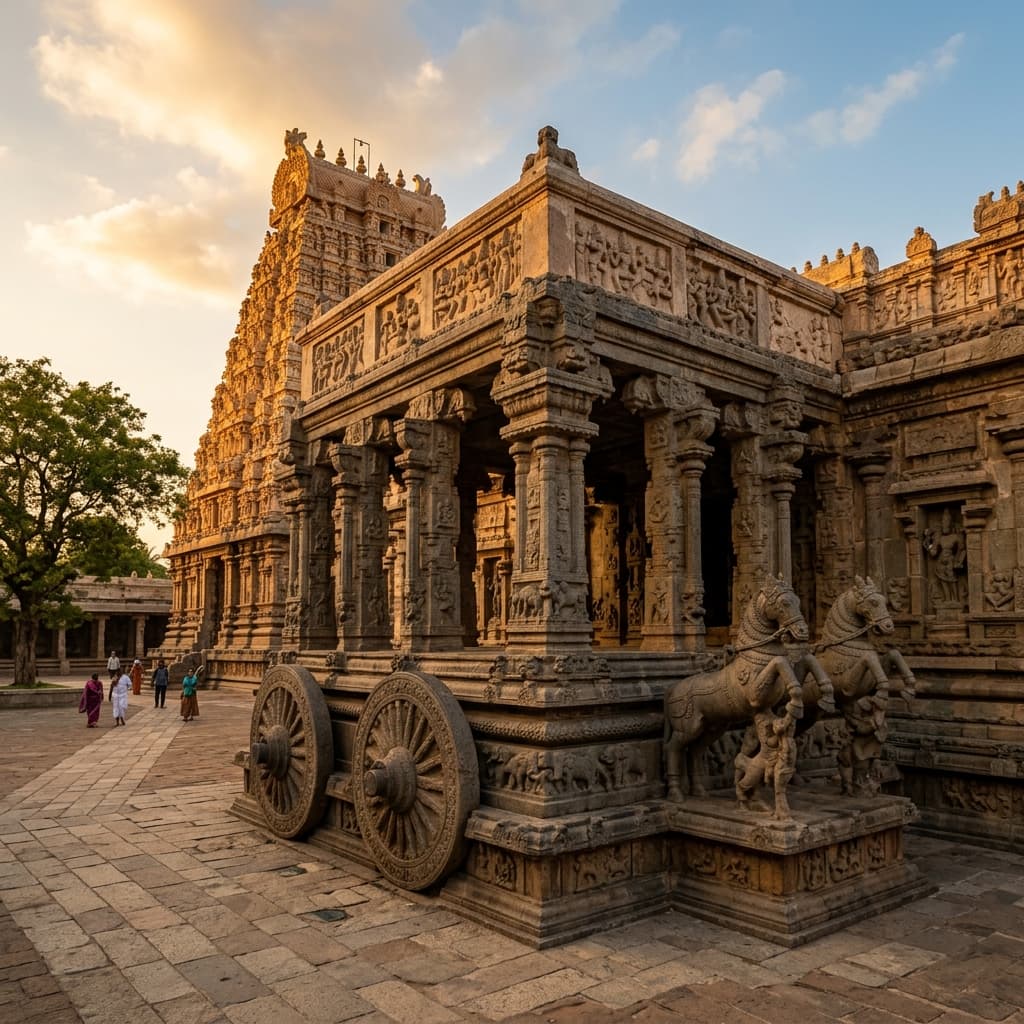
Airavatesa temple
The Airavatesvara Temple at Darasuram is a 12th-century Chola masterpiece dedicated to Lord Shiva, renowned for its stone chariot and musical steps. Built by Rajaraja Chola II b…