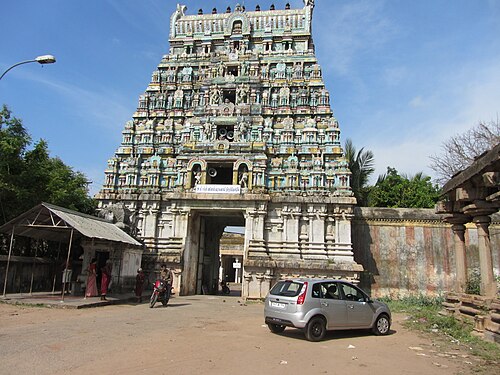
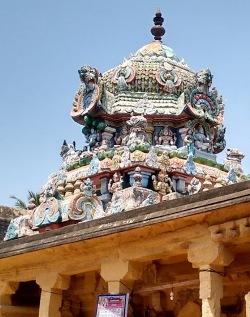
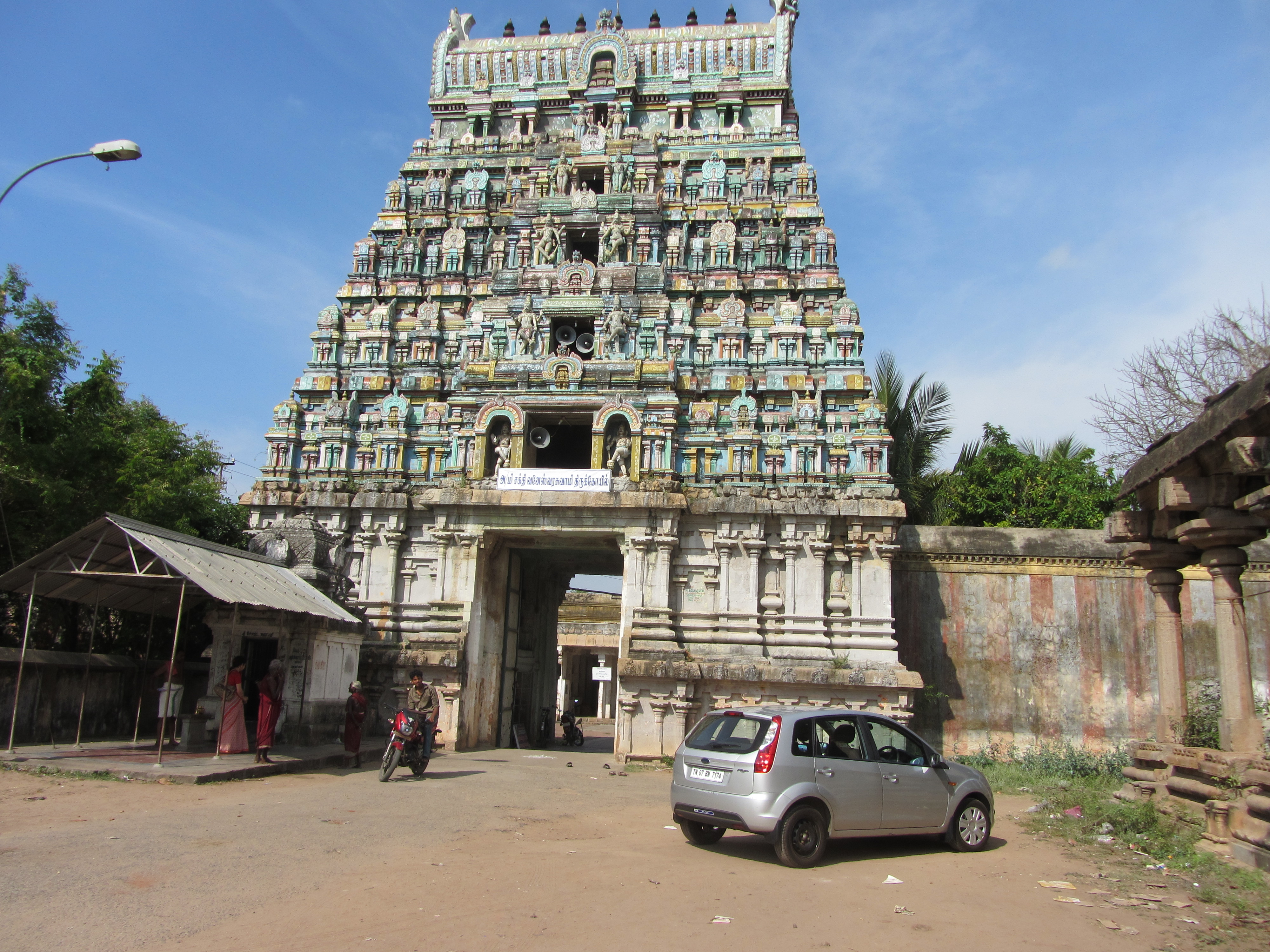
Sakthivanesvara Temple
About Sakthivanesvara Temple
The temple stands in the small village of Thirusakthimutram, approximately seven kilometres from Kumbakonam, a significant religious centre in Tamil Nadu. The nearest major town is Kumbakonam, which serves as the primary reference point for visitors. The temple's coordinates are 10.9267°N, 79.3436°E, and it can be located using standard mapping applications.
Kumbakonam itself is well-connected by road and rail, making it a practical base for visiting the temple. From Kumbakonam, local transport options should be arranged to reach Thirusakthimutram. Visitors planning their journey should allow time for the seven-kilometre journey from the town centre.
Darshan and Daily Worship
The temple observes regular darshan timings, though these may vary on festival days. Visitors are advised to confirm current timings with the temple before travelling, as schedules can shift seasonally or during special observances. The temple conducts aarti (ritual worship with lamps) at set times throughout the day, which form the focal points of worship for both resident priests and visiting devotees.
Temples dedicated to Shiva typically follow established patterns of daily worship, with multiple aartis marking significant hours. Visitors should plan their visit around these timings to experience the temple's worship atmosphere fully. It is customary to remove footwear before entering the sanctum and to maintain respectful silence during active worship.
Festivals and Celebrations
The temple observes several festivals throughout the year. Hanuman Jayanti, celebrated on 1 April, marks the birth of Hanuman and draws devotees. Diwali, observed on 8 November, is celebrated with the festival of lights and Lakshmi puja. Kartik Purnima, falling on 24 November, is also observed at the temple. During these festivals, the temple is decorated more elaborately than usual, and worship becomes more intensive.
On festival days, the temple experiences increased footfall and heightened ceremonial activity. Visitors should expect larger crowds and may wish to plan their visit accordingly. The temple's appearance and atmosphere transform noticeably during these celebrations, offering a richer experience for those able to time their visit to coincide with major observances.
Practical Information for Visitors
Visitors should dress modestly when entering the temple, following the conventions of Hindu sacred spaces. This typically means covering shoulders and knees. The temple is located in a rural village setting, so visitors should be prepared for limited commercial facilities nearby. It is advisable to carry water and any necessary provisions from Kumbakonam.
Photography policies and specific rules regarding offerings should be confirmed at the temple entrance. Visitors seeking matrimonial blessings often make offerings as part of their devotion, and temple staff can advise on appropriate practices. Those planning to visit should check current timings before departure, as schedules may vary unexpectedly.
The Temple's Sacred Tradition
Sakthivanesvara Temple belongs to the tradition of Paadal Petra Sthalams—temples celebrated in classical Tamil devotional literature. This classification places the temple within an important lineage of sacred sites that have been honoured in Hindu religious texts and poetry for centuries. The temple's connection to this broader tradition adds to its spiritual significance beyond its local importance.
The worship of Shiva in his form united with Parvati represents a particular theological emphasis within Hindu practice, one that celebrates divine partnership and the complementary nature of masculine and feminine principles in the cosmos.
How to reach
Temples near Sakthivanesvara Temple
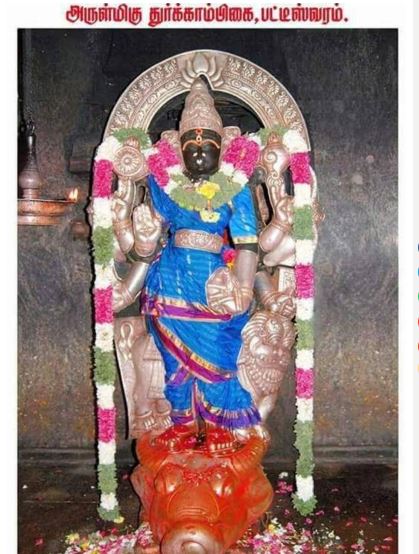
Durgai Amman Temple, Patteeswaram
Durgai Amman Temple in Patteeswaram near Kumbakonam is a Hindu shrine dedicated to Goddess Durga, featuring a celebrated graceful idol of the deity.
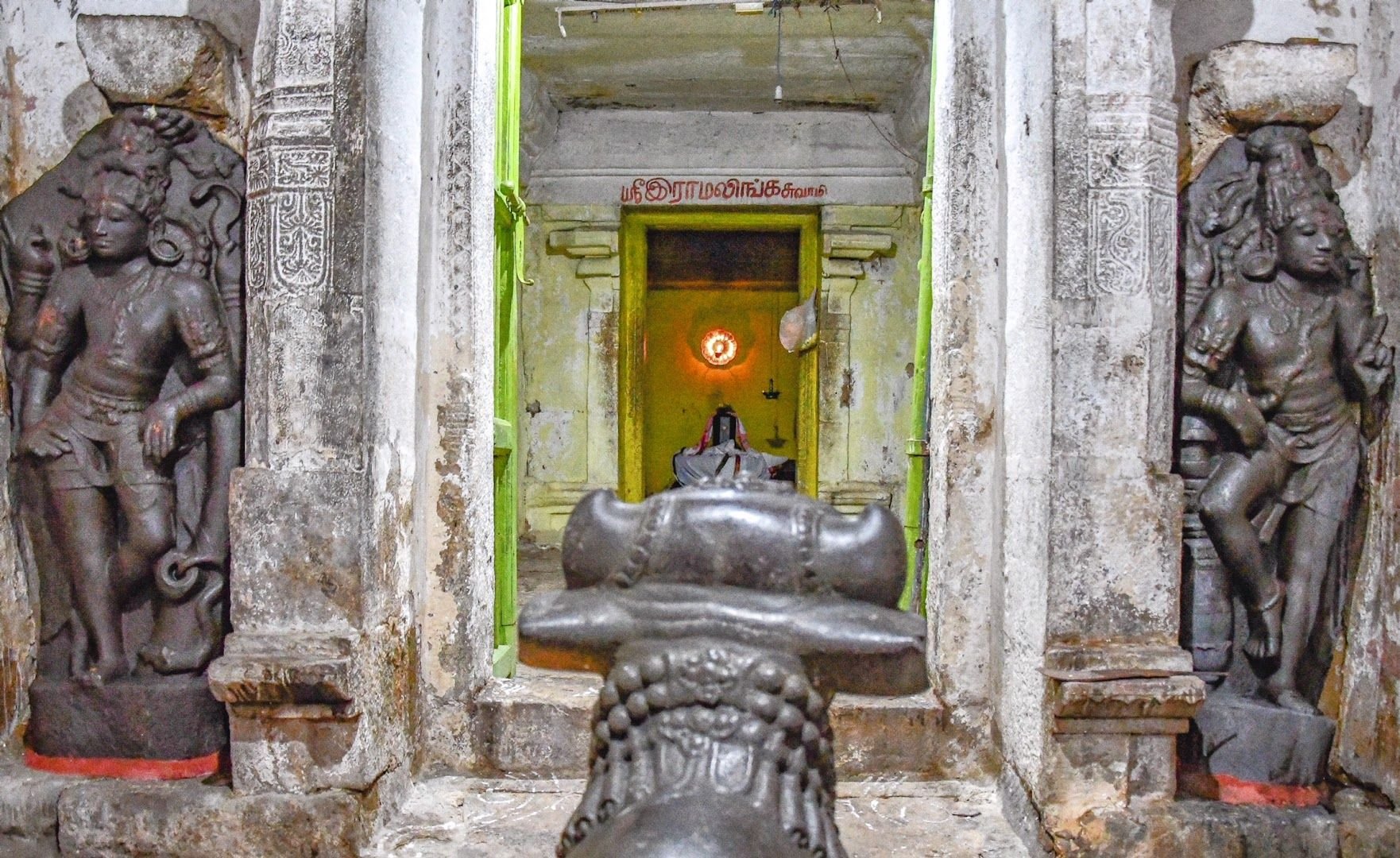
Panchavan Madeviyar Pallippadai Temple
A Chola-era memorial temple dedicated to Queen Panchavan Madeviyar, built by Rajendra Chola atop her cremated remains, housing a Shiva lingam within its sanctum.
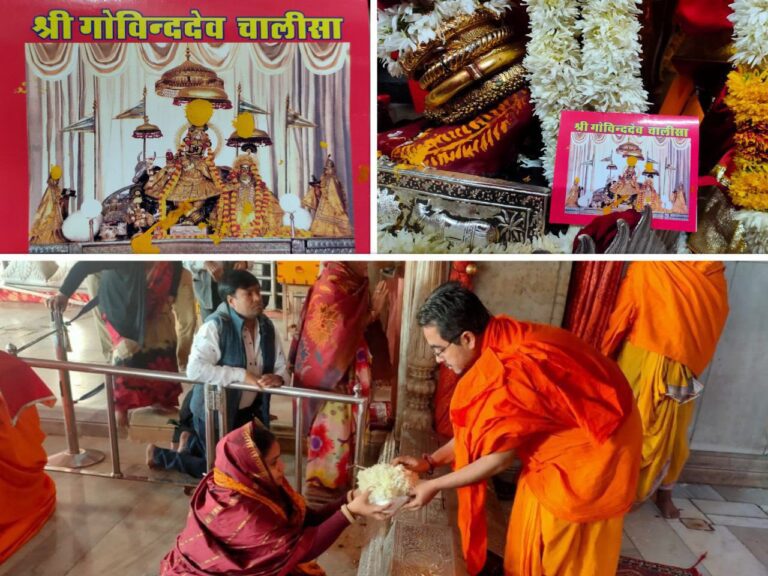
Gopinatha Perumal Temple
Gopinatha Perumal Temple in Vrindavan, Uttar Pradesh is an ancient shrine dedicated to Lord Shiva, established between the 6th–9th centuries CE. The temple draws devotees year-r…
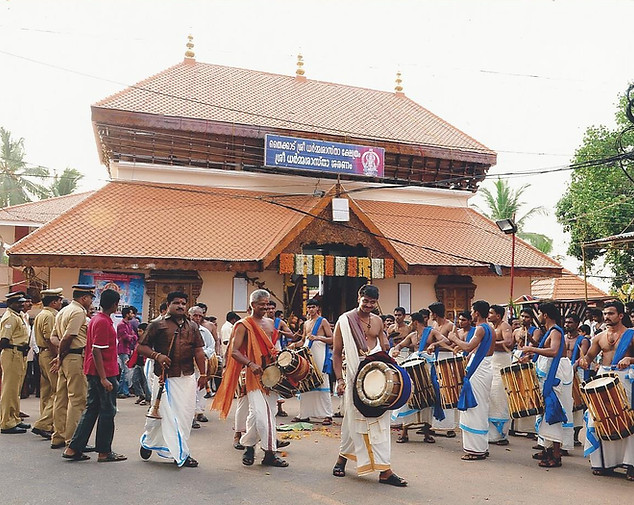
Parasunathar Temple
Parasunathar Temple is a Hindu shrine dedicated to Lord Shiva located in Muzhaiyur village near Kumbakonam in Thanjavur district, Tamil Nadu. It is one of the 275 Paadal Petra S…
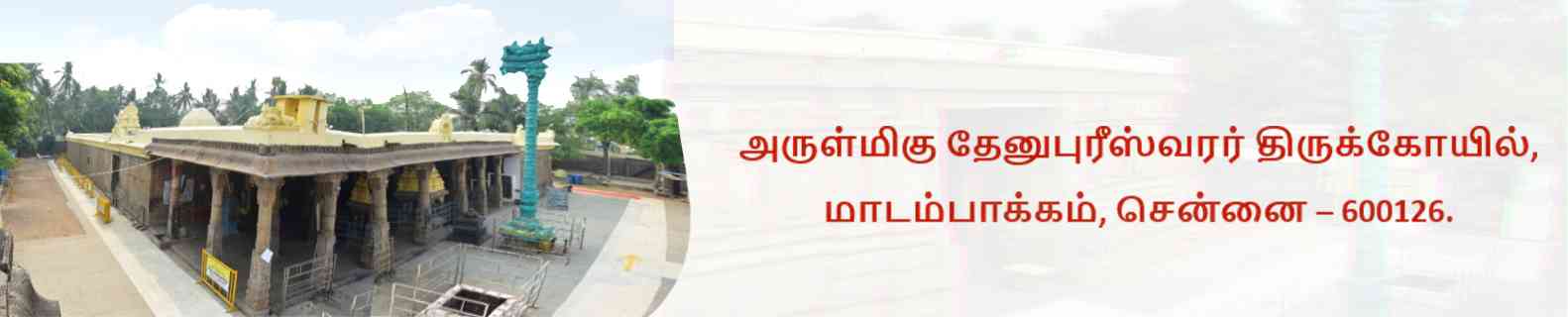
Thenupuriswarar Temple
Thenupuriswarar Temple in Patteeswaram, Tamil Nadu, is an ancient Shiva shrine revered in the 7th-century Tevaram and associated with the saint Sambandar. The presiding deity is…
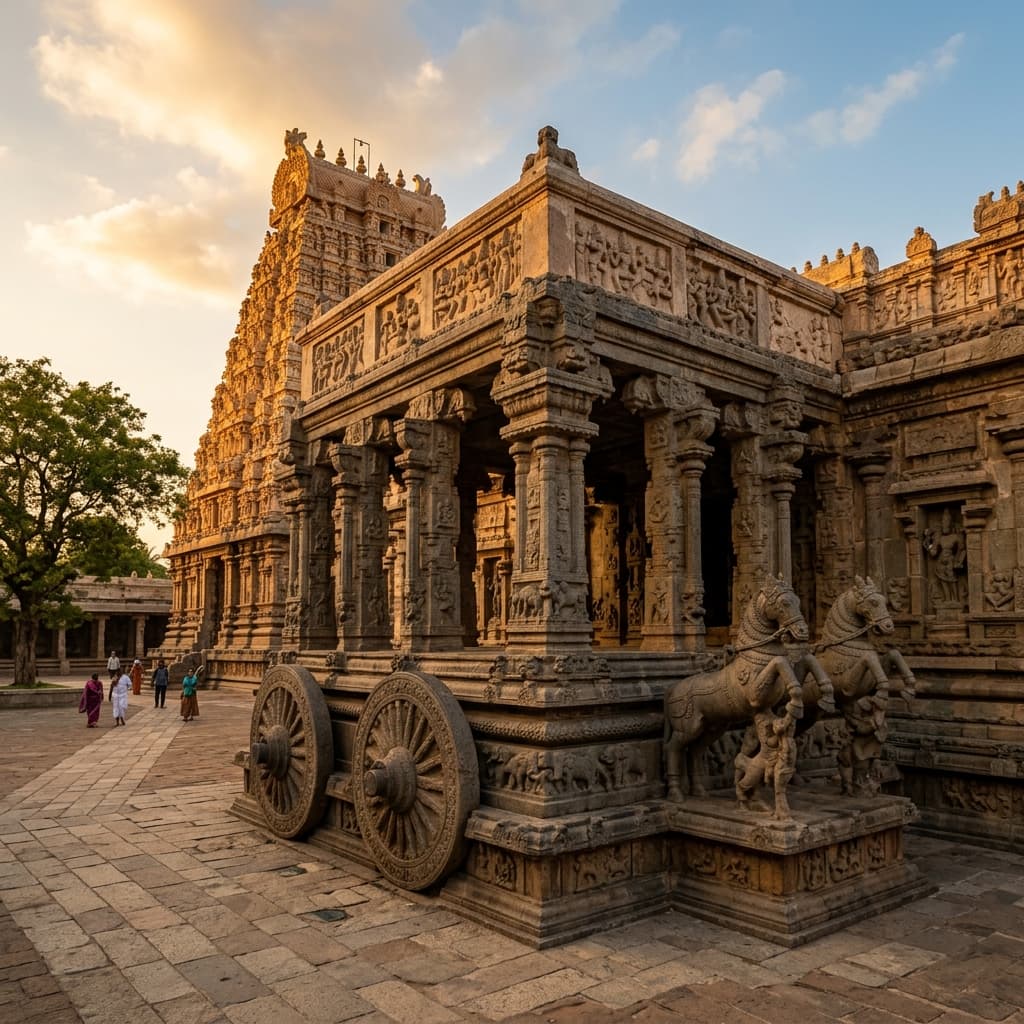
Airavatesa temple
The Airavatesvara Temple at Darasuram is a 12th-century Chola masterpiece dedicated to Lord Shiva, renowned for its stone chariot and musical steps. Built by Rajaraja Chola II b…