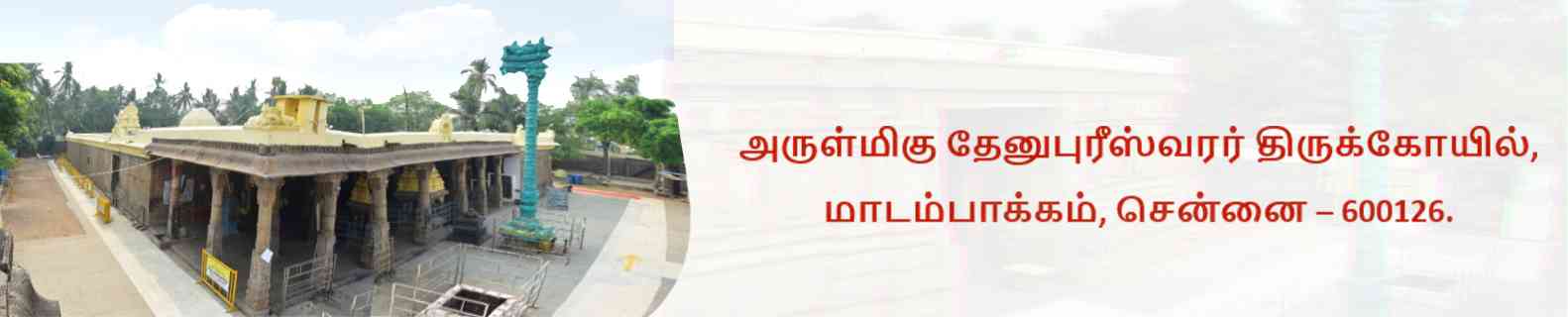
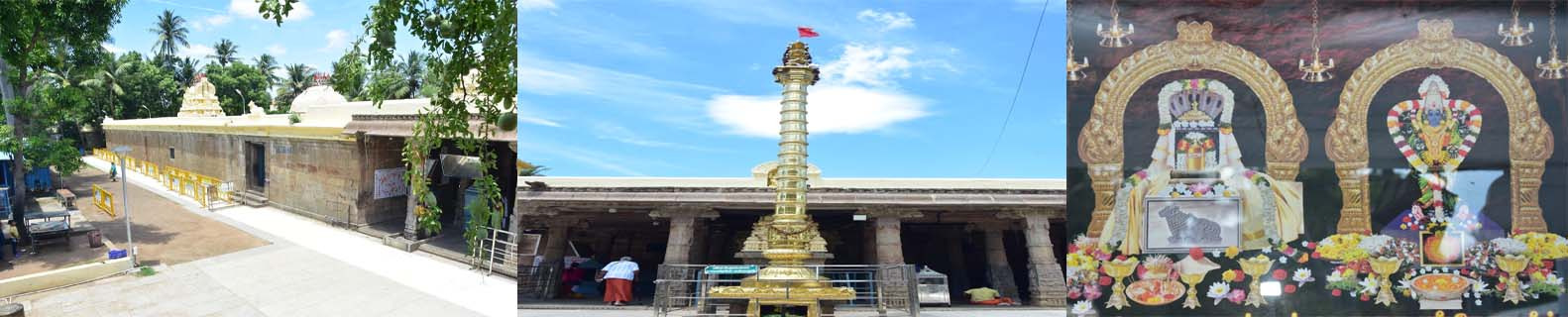
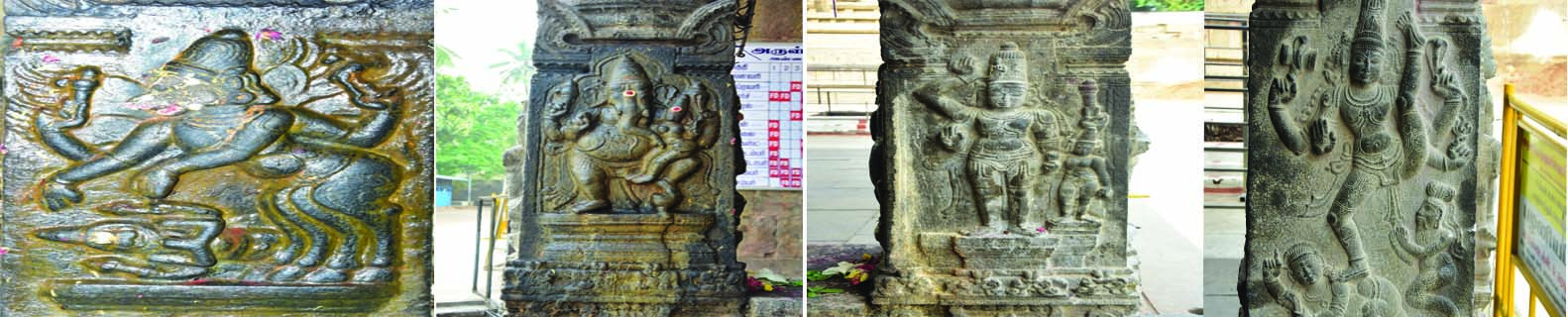
Thenupuriswarar Temple
About Thenupuriswarar Temple
The temple was established in the 7th century CE, making it a structure of considerable antiquity. Its age places it within the early medieval period of Tamil Nadu, a time when Shaiva devotionalism was flourishing and major temples were being built or renovated across the region. The temple's inclusion in the Tevaram—a work composed during this same era—suggests that Thenupuriswarar held religious importance from its earliest documented period. The shrine remains an active place of worship and pilgrimage, maintained as part of Tamil Nadu's heritage temple network.
Daily Worship and Darshan
The temple opens at 6:00 AM and closes at noon, then reopens at 5:00 PM until 8:30 PM. These timings accommodate both early morning worship and evening darshan. The morning hours, particularly the earliest part of the session, tend to offer a quieter atmosphere suited to contemplative worship. The evening period provides another opportunity for devotees to visit before the temple closes for the night. Visitors should confirm timings before planning a visit, as schedules may vary on festival days and special occasions.
Worship at the temple centers on the lingam, the symbolic form through which Shiva is venerated. Regular poojas are conducted throughout the day, aligned with the temple's opening hours. Devotees typically offer prayers and flowers as part of their worship. For specific details about particular poojas and their exact timings, it is best to contact the temple directly.
Festivals and Sacred Occasions
The temple observes several significant festivals throughout the year. Maha Shivaratri, the great night dedicated to Shiva, is celebrated with particular reverence and draws devotees for special worship. Panguni Uthiram, a spring festival, is also marked as an important date in the temple's calendar. Additionally, the Muthupandal festival is celebrated at the temple and is associated with the legend of Sambandar. Pradosham—the twilight period sacred to Shiva that occurs twice monthly—also draws worshippers for special observances. These festivals represent key moments in the rhythm of Shaiva worship across Tamil Nadu. Visiting during these occasions offers the opportunity to participate in special rituals, though the temple will be more crowded than on regular days.
Visiting the Temple: Etiquette and Practicalities
Modest dress is customary when visiting Hindu temples. Footwear should be removed before entering the inner sanctum, and visitors should follow the directions of temple staff regarding movement through the shrine. Photography policies vary; it is advisable to ask permission before taking photographs inside the temple. The temple is maintained by the Hindu Religious and Charitable Endowments (HR & CE) Department of Tamil Nadu, which oversees many heritage shrines across the state.
Basic facilities are typically available, though visitors should not expect extensive amenities. It is wise to carry water and plan visits during the cooler parts of the day, particularly during summer months. The temple's location in a village setting means that nearby services may be limited, so visitors should prepare accordingly.
Getting There
Thenupuriswarar Temple is located in Patteeswaram, Tamil Nadu, at coordinates 10.9167°N, 79.3333°E. The village is accessible by local transport. Those traveling by private vehicle can use the coordinates to locate the temple. For current information about bus routes and schedules connecting Patteeswaram to nearby towns and cities, it is best to check with local transport authorities before traveling.
How to reach
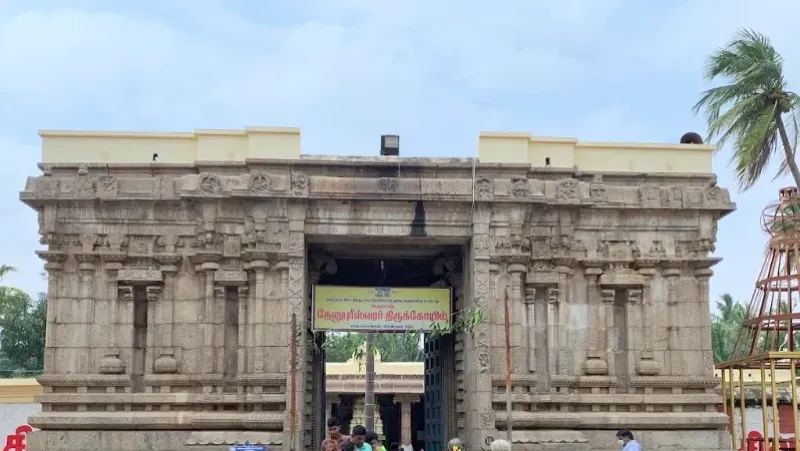
You may also visit
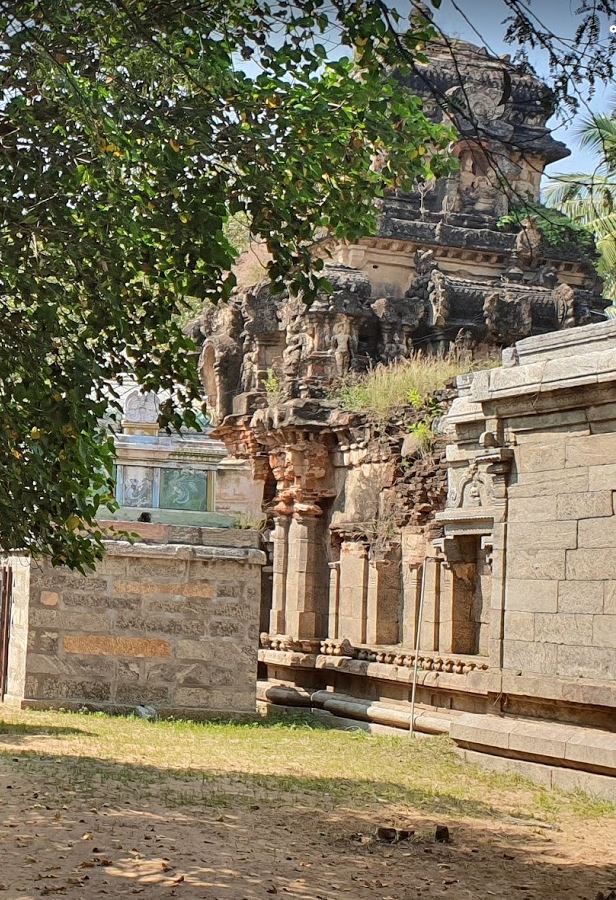
Agatheeswarar Temple, Karur
Agatheeswarar Temple in Thirumukkudalur, Karur district, is an ancient Hindu shrine dedicated to Shiva, situated at the sacred confluence of three rivers and believed to be over 1000 years old.
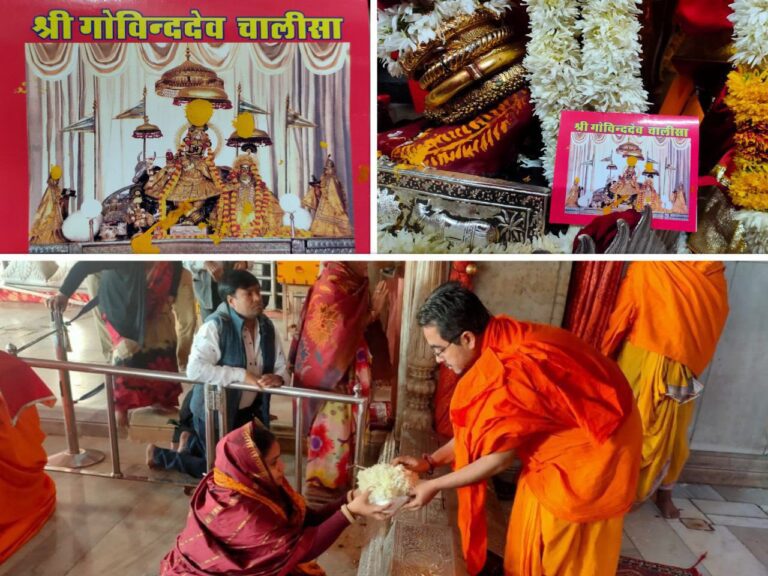
Kalyanji Temple
Kalyanji Temple in Jaipur's Chandpol Bazaar is an ancient Krishna shrine established in the 1820s, renowned for its seven daily aartis and special avatar darshan ceremonies during Akha Teej and Patottsav festivals.
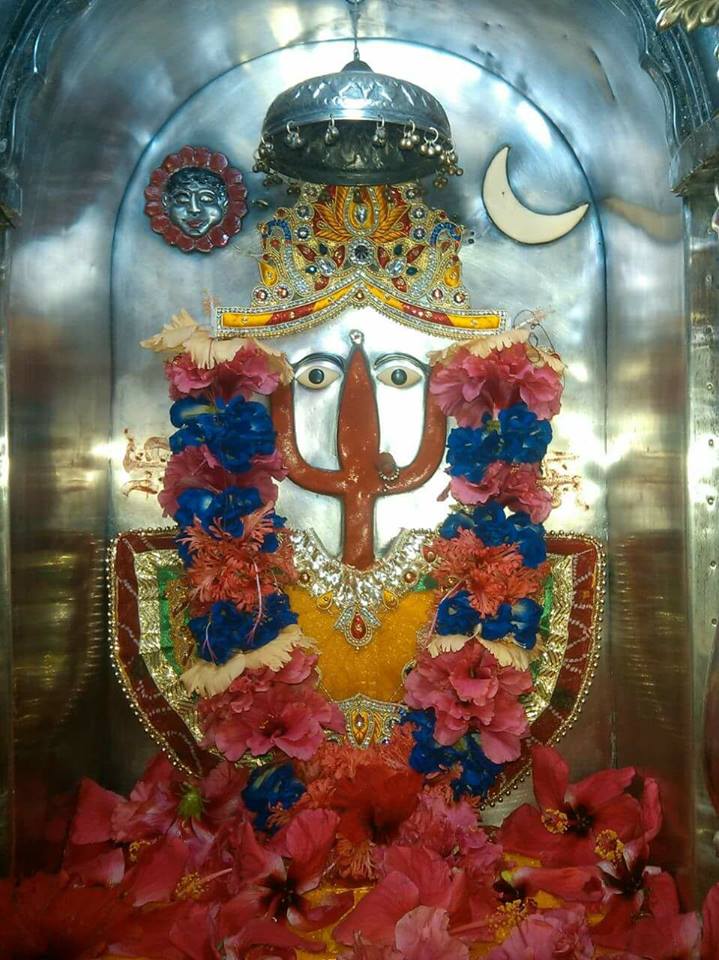
Rani Sati Mandir Mahuda
Rani Sati Mandir in Mahuda, Dhanbad District, is a Hindu temple established in 1992 that serves as a spiritual center for the local community and attracts devotees seeking blessings.