Surya Temple, Katarmal
About Surya Temple, Katarmal
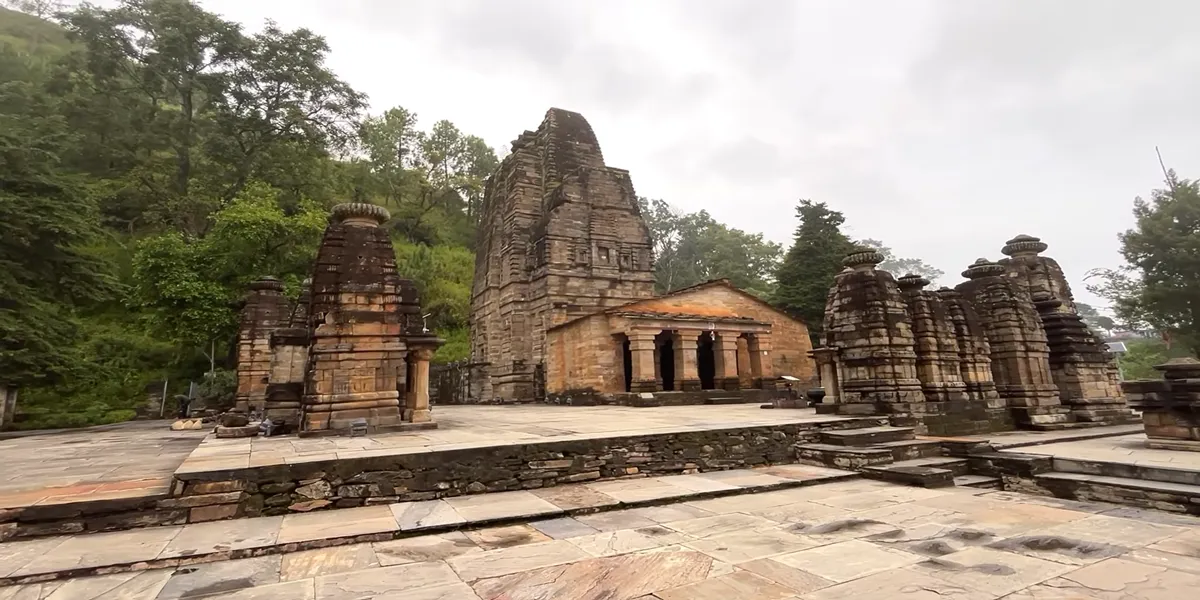
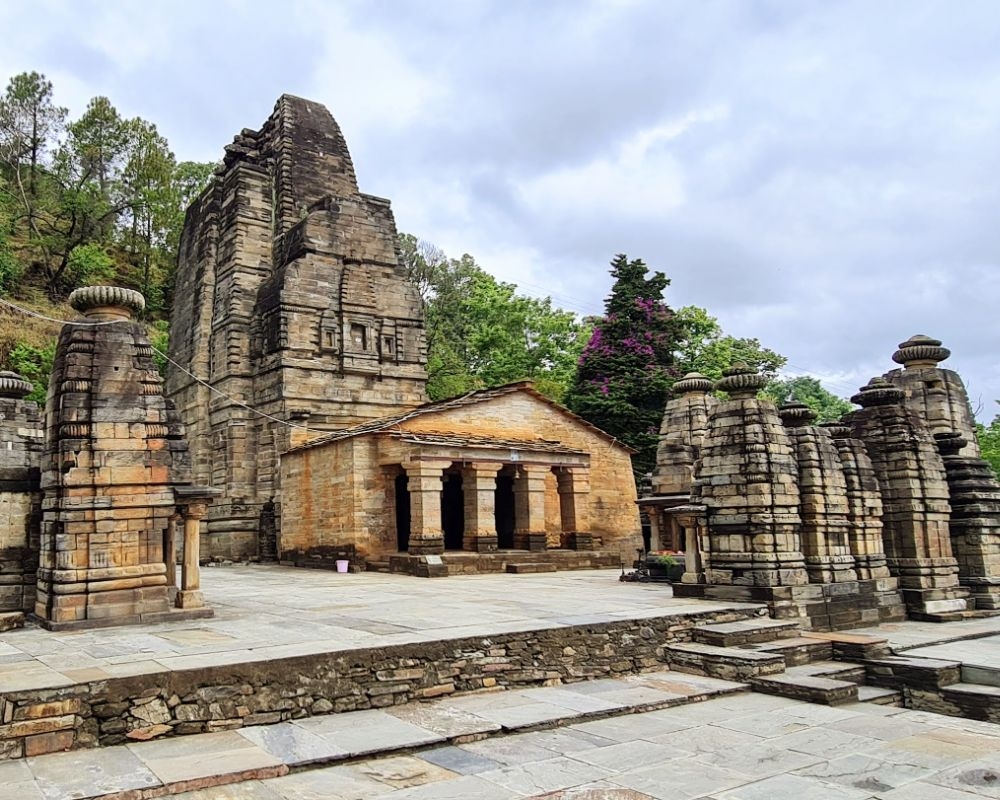
The temple's establishment dates to the 6th through 9th centuries, a period of considerable temple construction across the Himalayan foothills. According to local tradition, King Katarmal of the Katyuri dynasty commissioned the temple's construction. The Katyuri rulers traced their lineage to the Shalivahana dynasty of Ayodhya, known as Suryavanshi—descendants of the sun god—which may explain the royal patronage of this solar shrine. Local legend recounts that the decision to build the temple was made overnight, and by sunrise the following day, part of the main temple's spire had already been completed, though the main structure remains partially in ruins today.
The temple experienced significant loss during the 10th century when an idol was stolen from the sanctuary. The ornate wooden gate of the sanctum sanctorum, a notable example of carved temple art, was subsequently removed and is now housed in the National Museum in Delhi. Despite these losses, the temple has endured as a pilgrimage site for over a millennium.
Architecture and Layout
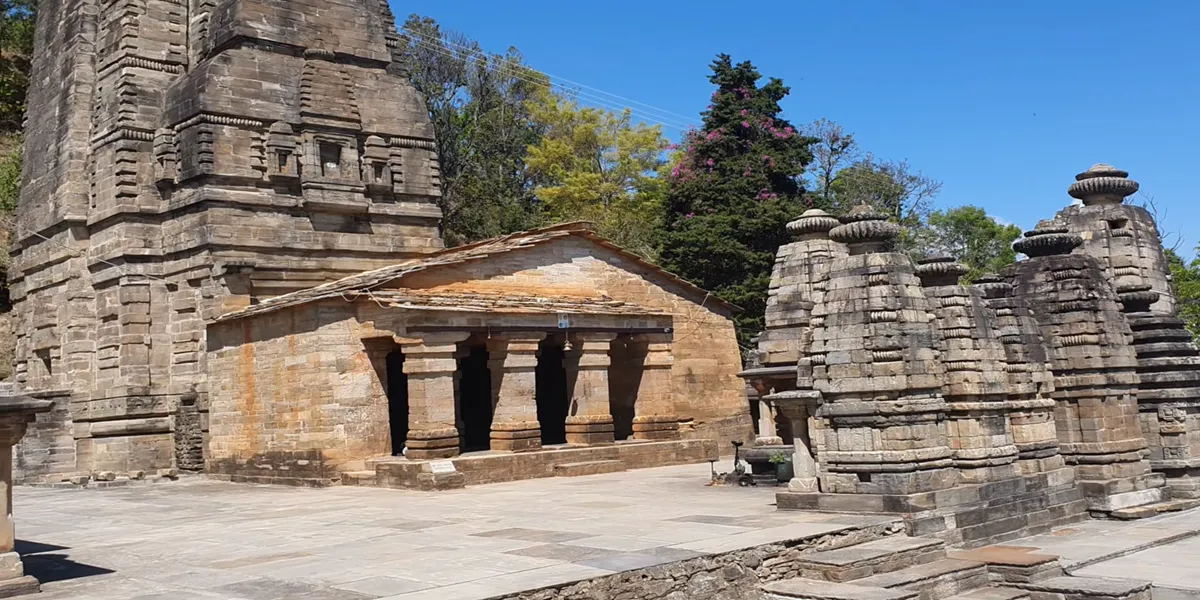
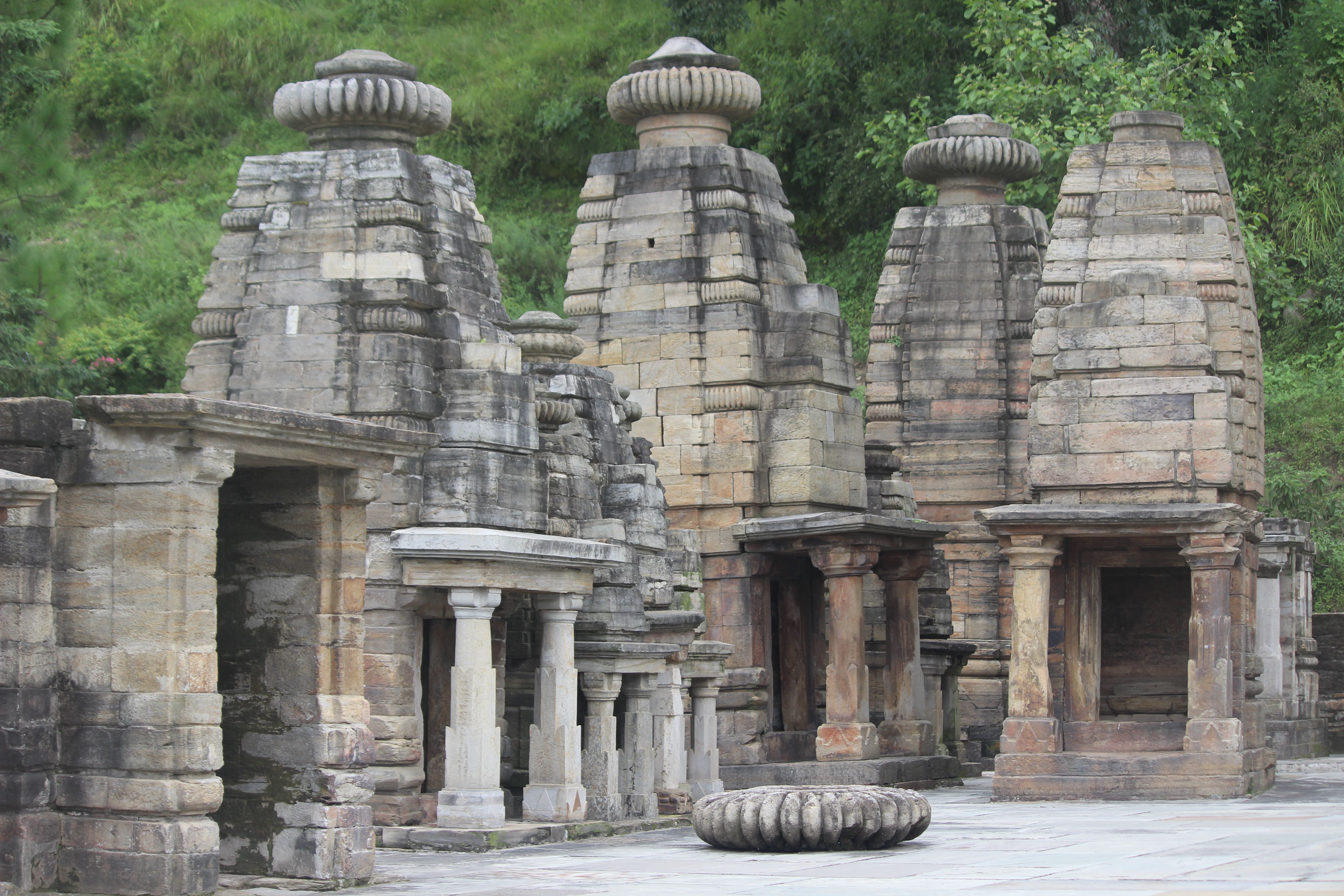
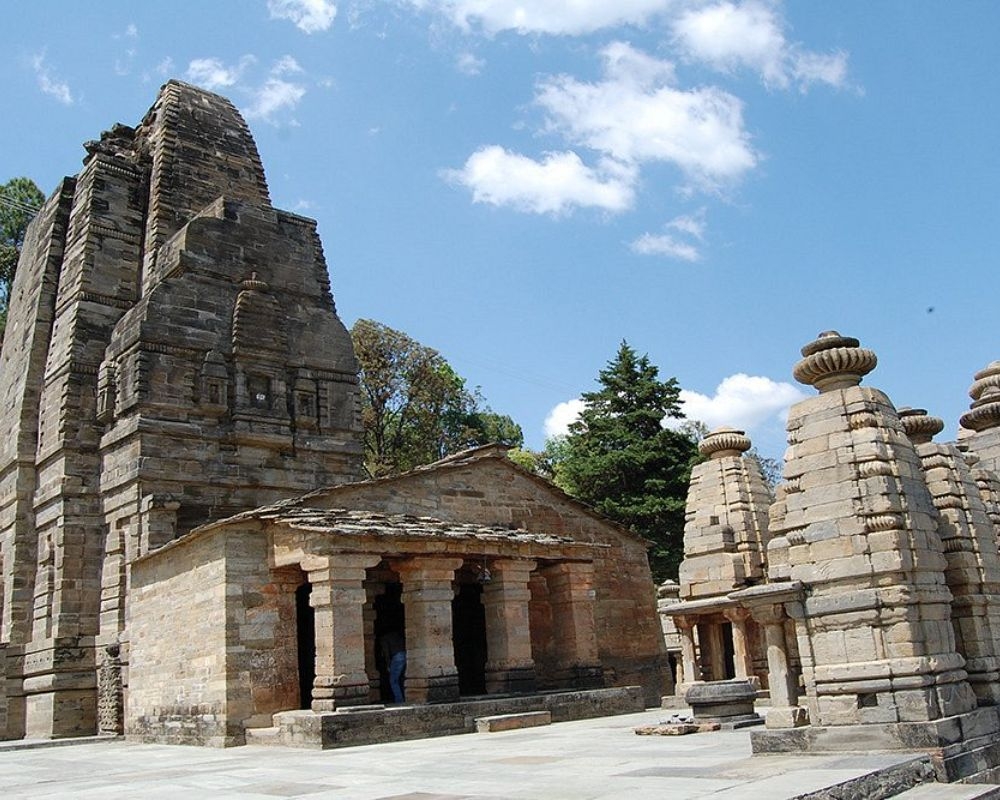
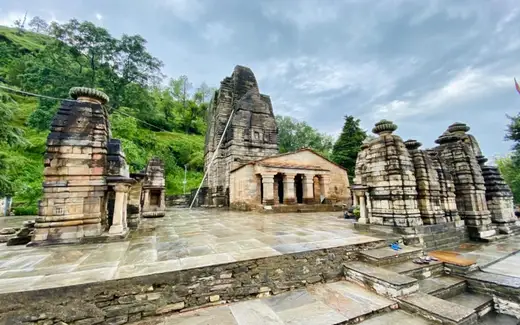
The temple complex demonstrates the architectural traditions of Kumaon hill temples. The main shrine faces east, aligned with the rising sun—a conventional orientation for Surya temples. The complex encompasses approximately 45 smaller temples in addition to the primary structure, creating a substantial sacred precinct. The temple's position on sloping terrain and its integration into the natural landscape are characteristic of Himalayan shrine design, where topography shapes both the physical layout and the devotional experience.
Daily Worship and Darshan
The temple maintains two daily darshan periods: morning hours from 6:00 AM to 12:00 PM, and afternoon hours from 3:00 PM to 7:00 PM. Morning and evening aartis (ritual worship ceremonies) are performed daily. Visitors seeking the most peaceful experience and clearest mountain light should plan to arrive during early morning hours, between 5:00 and 8:00 AM, or during the late morning period before noon.
The temple functions as an active pilgrimage site where devotees come to offer prayers for blessings and positive outcomes in their lives. Visitors should dress modestly, covering shoulders and knees, as is customary at Hindu temples. Shoes are typically removed before entering the inner sanctum. Photography policies may vary; it is advisable to inquire with temple staff before photographing the sanctum or ritual activities.
Best Times to Visit
The optimal season for visiting extends from October through March, when the Kumaon hills experience cooler temperatures and clearer skies. This period offers comfortable conditions for the journey and the best visibility of the surrounding valley landscape. The early morning hours provide not only the most serene atmosphere for worship but also the most favourable light for appreciating the temple's architectural details and the natural setting.
Reaching the Temple
The temple is situated in Katarmal village within Almora district. Almora is accessible by road from major cities in Uttarakhand and neighbouring regions. From Almora city, the temple lies approximately 18 kilometres away. Visitors should confirm current road conditions and transport options before travelling, as mountain roads can be affected by seasonal weather. Local inquiry services can assist with arranging transport and confirming exact darshan timings, which may vary with festivals and seasonal changes.
How to reach
Temples near Surya Temple, Katarmal
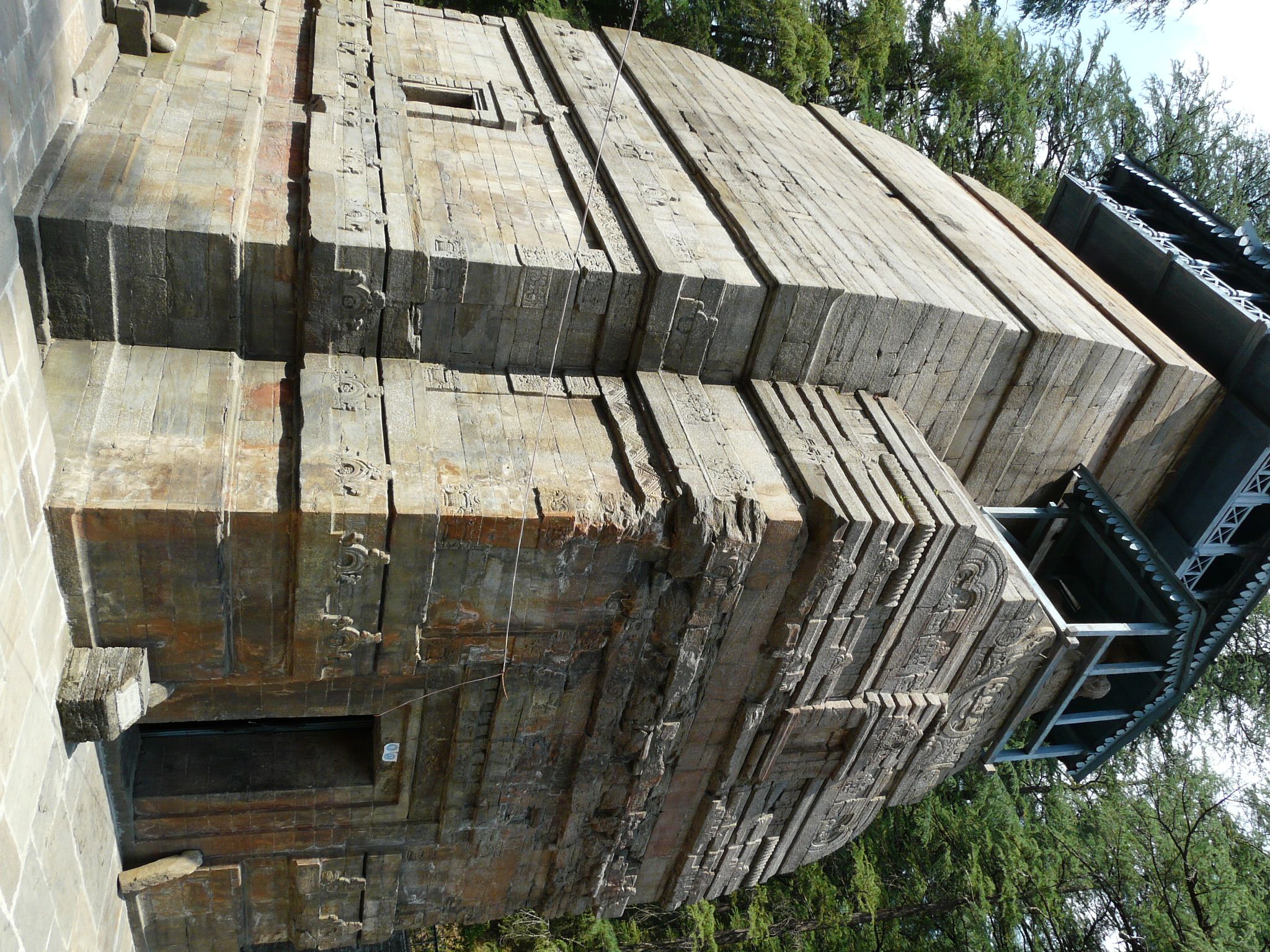
Dandeshwar Group of Temples
Dandeshwar Group of Temples in Almora, Uttarakhand, is a recognized Monument of National Importance featuring a significant shrine dedicated to Lord Shiva within the sacred Jage…
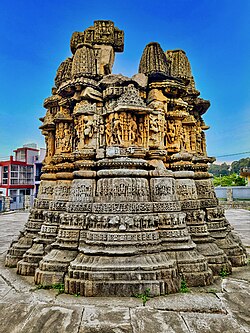
Gujjar Deva Group of Temples, Dwarahat
Gujjar Deva Group of Temples in Dwarahat is an ancient temple complex in the Kumaon hills of Uttarakhand, part of the region's rich architectural heritage built during the medie…

Badrinath Group of Temples, Dwarahat
Badrinath Temple is one of India's most sacred shrines dedicated to Lord Vishnu as Badrinarayan, located in the Himalayas of Uttarakhand. It forms part of the Char Dham pilgrima…

Kainchi Dham
Kainchi Dham, also known as Neem Karoli Ashram, is a revered spiritual complex in Uttarakhand's Kumaon region dedicated to Lord Hanuman and founded by the saint Neem Karoli Baba.
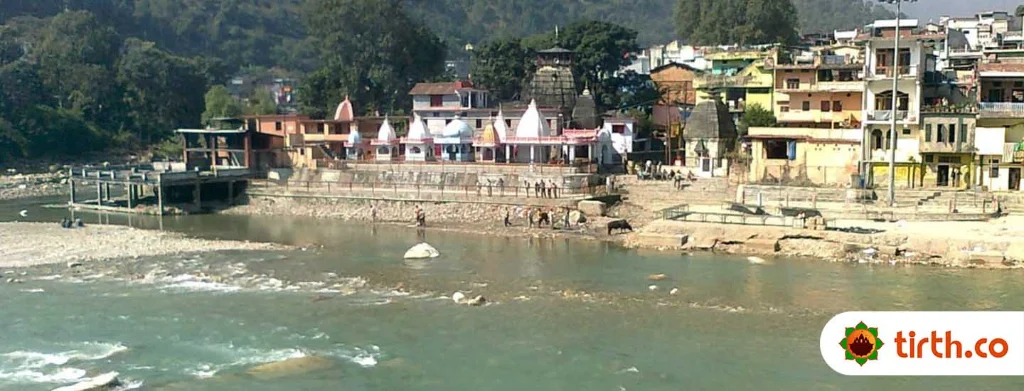
Bagnath Temple
Bagnath Temple is an ancient shrine dedicated to Lord Shiva situated at the confluence of the Sarayu and Gomati rivers in Bageshwar, Uttarakhand. The temple is renowned for its…
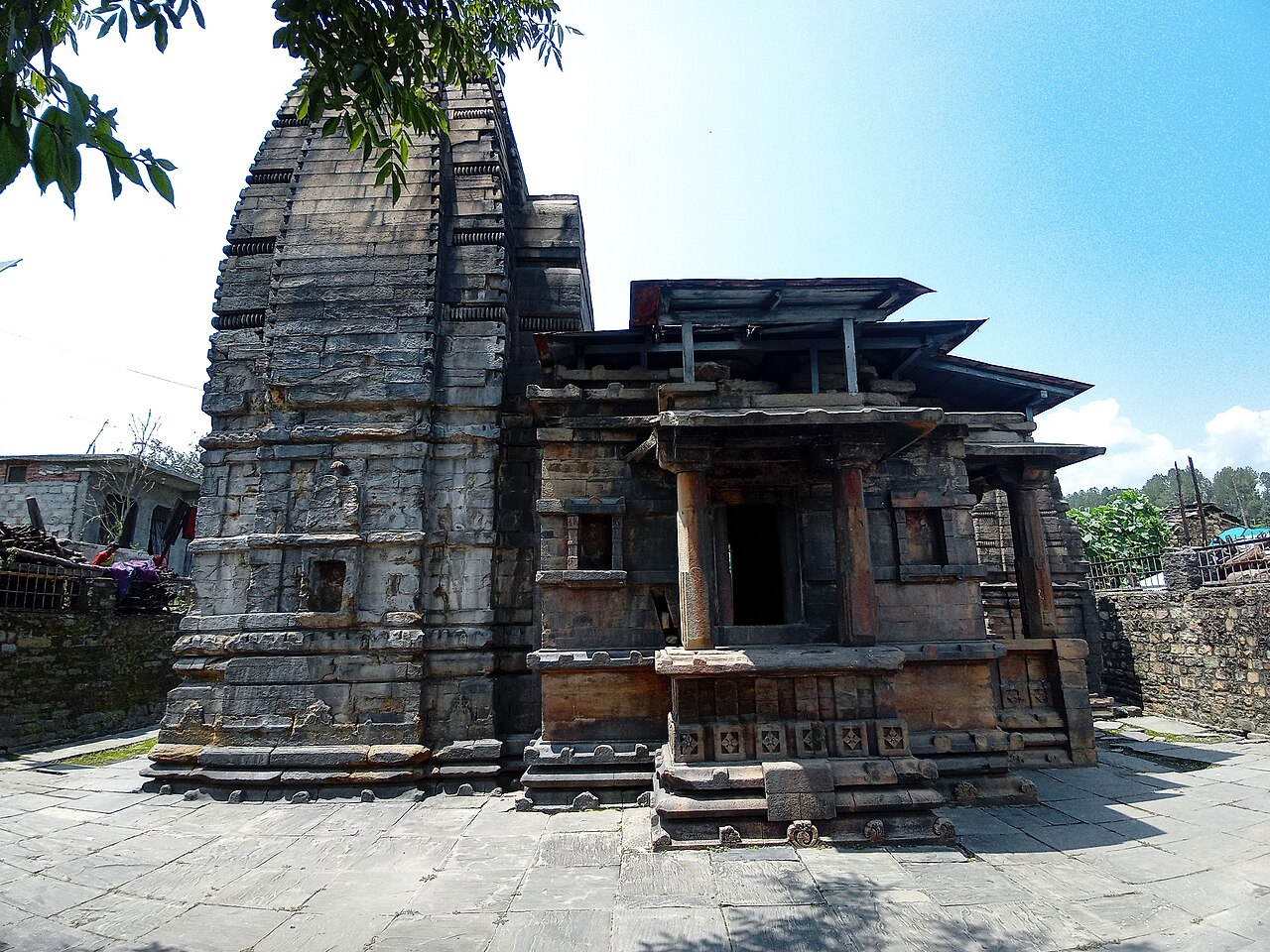
Tallihat group of temples and Katyuri mound, Uttarakhand
The Tallihat group comprises three Indo-Aryan shikara-style temples dating to the 11th–13th centuries, located near Baijnath in Bageshwar district. Designated a Monument of Nati…