


Bhaktajaneswarar temple
About Bhaktajaneswarar temple
This temple belongs to an ancient and distinguished category of Shaiva shrines. Established in the 7th century, Bhaktajaneswarar is classified as a Paadal Petra Sthalam—one of the temples glorified in the Tevaram, the canonical Tamil Saiva hymns composed by the nayanmars, the revered Tamil saint-poets. The temple's inclusion in this sacred list reflects its enduring spiritual significance within Tamil Shaivism. The shrine is particularly associated with Sundarar, one of the foremost nayanmars, who is believed to have attained spiritual grace at this location. This connection to the devotional poetry and lives of the nayanmars places Bhaktajaneswarar within a living tradition of Tamil religious expression that has persisted for over thirteen centuries.
Daily Darshan and Evening Worship
The temple remains open throughout the day for darshan—the viewing and worship of the deity. Visitors may approach the shrine according to their own schedules, a flexibility typical of Shaiva temples in Tamil Nadu. However, the most significant communal worship occurs during the Sandhya Aarti, the evening ceremony performed between 19:00 and 19:30. This ritual marks the transition from day to night with formal offerings and prayers to Shiva, and represents the most auspicious time to experience the temple's devotional atmosphere. Those seeking to participate in structured worship should plan their visit around this evening ritual.
Festivals and Celebrations
The temple observes three major festivals throughout the year. Makar Sankranti, celebrated on 14 January, marks a harvest festival and the sun's entry into Capricorn. Ram Navami on 26 March commemorates the birth of Lord Rama. Raksha Bandhan on 28 August celebrates the bond between siblings. During these occasions, the shrine becomes more elaborately decorated, special pujas are performed, and larger numbers of devotees gather. Festival days typically alter regular timings and schedules, so visitors planning to attend celebrations should confirm exact dates and timings with the temple in advance, as these may shift from year to year.
Visiting Practicalities and Etiquette
Modest dress is customary at Shaiva temples in Tamil Nadu; visitors should cover shoulders and knees. Footwear must be removed before entering the sanctum, with stands typically provided for this purpose. Those unfamiliar with temple etiquette may observe other devotees to understand appropriate behaviour during darshan and ritual times. Photography rules vary; it is advisable to ask before taking images inside the shrine. The sources do not detail specific facilities such as water, rest areas, or prasad distribution, so visitors should confirm these practical arrangements directly with the temple before travelling, particularly if visiting during festivals or peak hours.
Location and Access
Bhaktajaneswarar Temple is situated in Thirunavalur village, Viluppuram district, Tamil Nadu, on the Panruti-Kedilam road. The precise coordinates (11.75875°N, 79.39875°E) can be entered into mapping applications such as Google Maps for navigation. Visitors should plan their journey with local transport options in mind and allow adequate travel time to and from the site. Confirmation of current timings with the temple before travelling is advisable, especially if visiting during a festival or on a day when special observances may alter regular schedules.
How to reach
Temples near Bhaktajaneswarar temple

Apathsahayeswra Temple and gateway with Horses, Sendamangalam
Abatsahayeswarar Temple in Sendamangalam is a 13th-century Shaivite shrine built during the Kadava period, featuring distinctive sculptural elements and an abandoned stone horse…
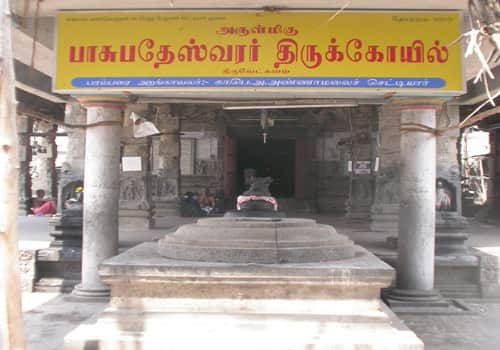
Tiruvamur Pasupadeeswarar Temple
Pasupadeeswarar Temple in Tiruvetkalam, Chidambaram is an ancient Shiva shrine where Lord Shiva is believed to have granted the Pasupatha missile to Arjuna, praised in Thevaram…

Sivalokanathar temple, Gramam
Sivalokanathar temple in Gramam, Villupuram district, is an ancient Shaiva shrine where Shiva is worshipped as Sivalokanathar through the lingam, with his consort Parvati depict…

Kripapureeswarar Temple
Kripapureeswarar Temple in Thiruvennainallur is a 7th-century Shiva shrine revered in the Tevaram and closely associated with the saint Sundarar, who began composing his sacred…
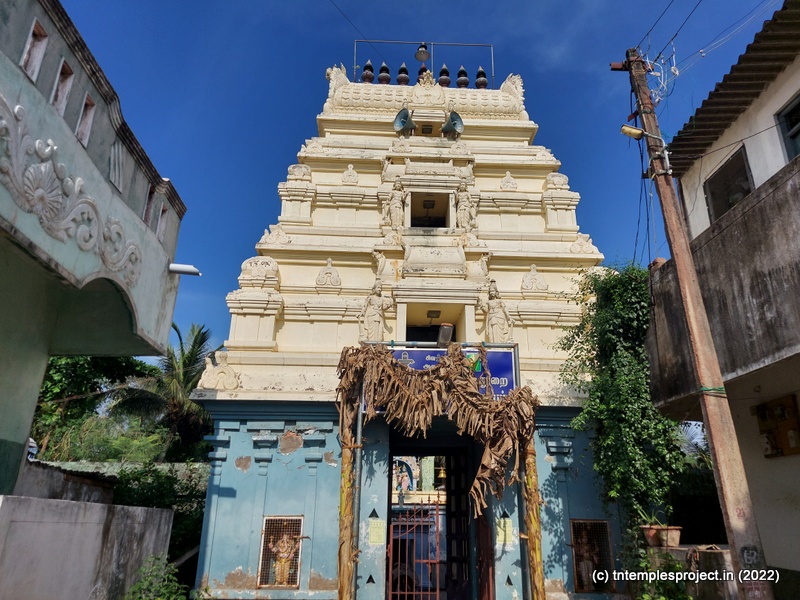
Chidambaresvarar Temple, Kotlambakkam
Chidambaresvarar Temple in Kotlambakkam is an ancient Shaiva shrine dating to the 9th century Chola period, renowned as the site where the saint Sundarar received divine blessin…
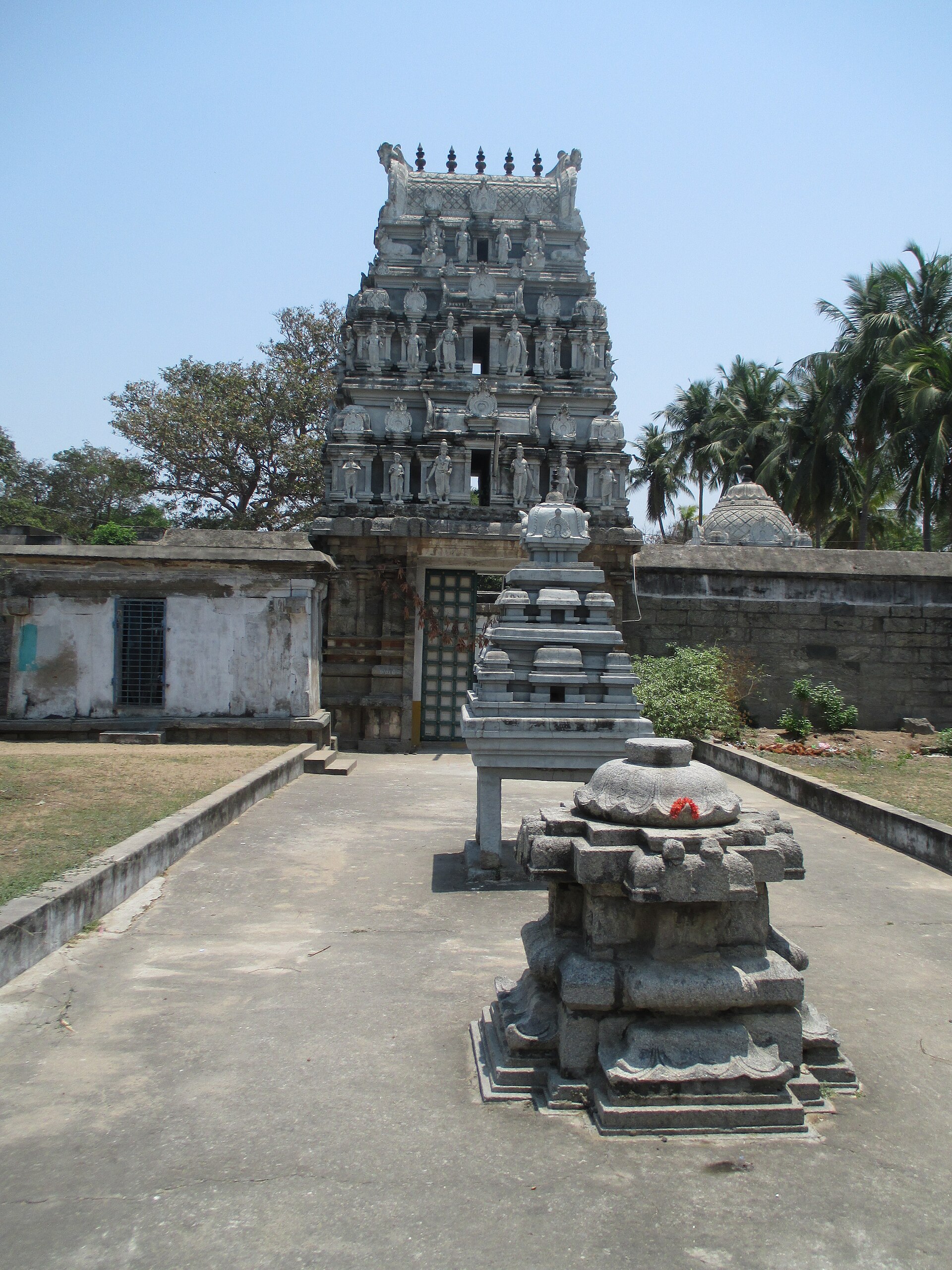
Marundeeswarar Temple, T. Edayar
Marundeeswarar Temple in Thiruvanmiyur, Chennai, is an ancient Shiva temple with roots in the Chola period, expanded in the 11th century and later renovated by Vijayanagar ruler…