


Kripapureeswarar Temple
About Kripapureeswarar Temple
The temple's construction history spans multiple dynasties. Originally built before the 7th century during the Pallava period, it was later reconstructed in stone by the Cholas and subsequently expanded by the Vijayanagara and Chalukya rulers. Inscriptions from the Pallava, Chola, Pandya, Chalukya, Vijayanagara, and Sambuvaraya dynasties document endowments and contributions for rituals and maintenance, indicating sustained royal patronage. During the reign of Rajaraja Chola I and his successors, the temple received land, cows, and lamps for upkeep and rituals, and was referred to in inscriptions as Rajendra Chozha Valanattu Thirumunaipadi Thiruvennainallur.
The temple complex houses three lingas: the Vijaya Linga, associated with Arjuna's worship seeking a child boon; the Sundaralingam, worshipped by Devendra; and the Sankaralingam, worshipped by Lord Vishnu. A separate shrine dedicated to Goddess Mangalambikai stands within the temple grounds. The Panchayat Mandapa, located on the north side of the right entrance, commemorates the legendary dispute between Sundarar and Lord Shiva, which was resolved through divine judgment at this site. The temple's most distinctive relic is the Padukas—the divine footwear—said to have been left by Lord Shiva at the entrance to the sanctum sanctorum and preserved for the darshan of devotees. The main gopuram is currently under construction.
Daily Worship and Rituals
The temple observes a structured daily worship schedule. Morning worship runs from 6:00 a.m. to 12:00 p.m., while evening worship extends from 4:00 p.m. to 8:00 p.m. (some sources indicate 5:00 p.m. to 8:00 p.m. for evening hours). Four principal aartis—ceremonial offerings of light—punctuate the day: Kalasanthi Poojai, Utchikala Poojai, Sayaratchai Poojai, and Palliyarai Poojai. These rituals follow the conventions of Shaiva temple worship, in which the deity is awakened, bathed, dressed, and offered food and flowers at prescribed times. Devotees may participate in darshan during these hours, viewing the presiding deity and receiving the sanctified ash or flowers distributed after worship.
Visiting Information
Entry to the temple is free of charge. Visitors should plan their visit according to the temple's operating hours: morning darshan between 6:00 a.m. and 12:00 p.m., or evening darshan from 4:00 p.m. to 8:00 p.m. As is customary in Hindu temples, modest dress is expected—covered shoulders and knees are appropriate. Shoes are typically removed before entering the inner sanctum. Photography policies vary; it is advisable to inquire with temple staff before photographing the sanctum or rituals. The temple is situated on the banks of the Then Pennai River in Thiruvennainallur, a panchayat town in Villupuram District, Tamil Nadu 607203.
Location and Access
Thiruvennainallur lies in Villupuram District, approximately 140 kilometers southwest of Chennai. The town is accessible by road from Chennai and other major towns in the region. The precise coordinates of the temple are 11.86027778, 79.36638889. Local bus routes serve the town; inquiries at the temple or with local transport authorities will provide current schedules and routes. The temple's location on the Then Pennai River adds to its geographical and spiritual significance within the landscape of Tamil Nadu's sacred sites.
How to reach
You may also visit
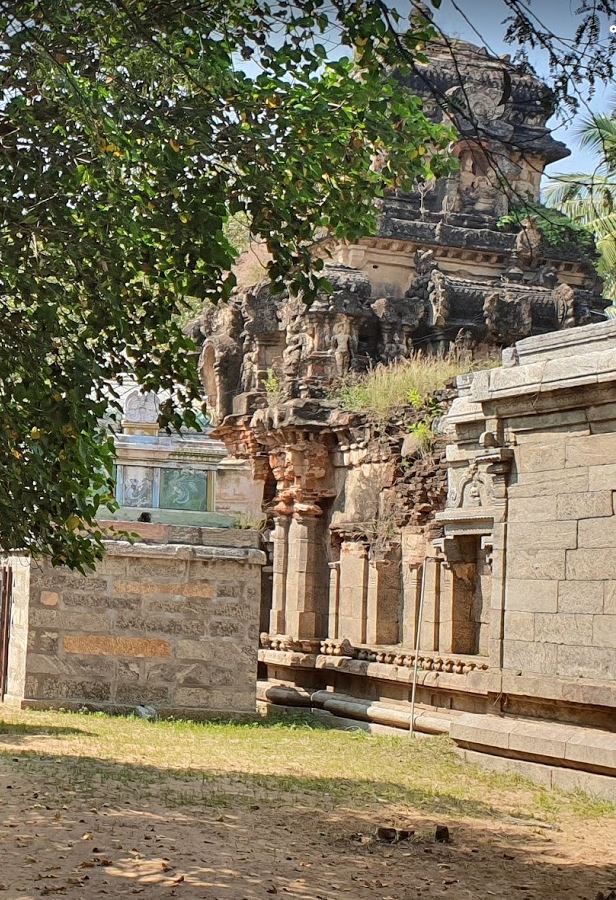
Agatheeswarar Temple, Karur
Agatheeswarar Temple in Thirumukkudalur, Karur district, is an ancient Hindu shrine dedicated to Shiva, situated at the sacred confluence of three rivers and believed to be over 1000 years old.
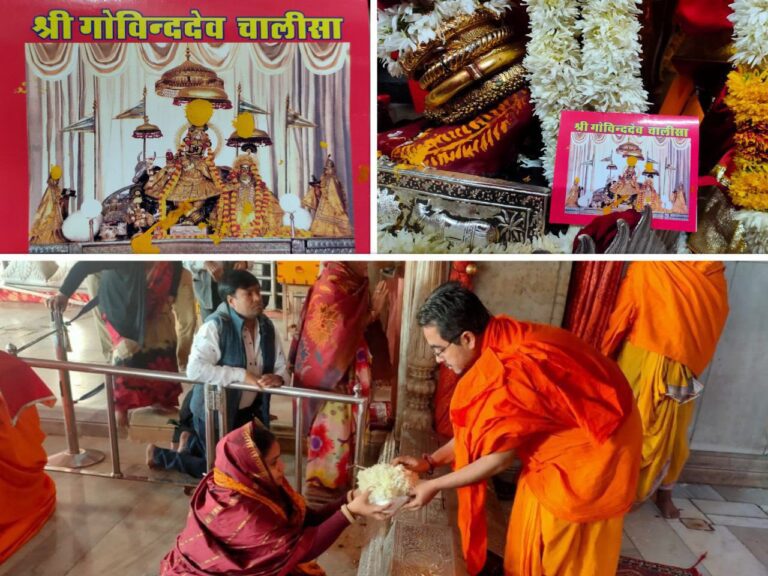
Kalyanji Temple
Kalyanji Temple in Jaipur's Chandpol Bazaar is an ancient Krishna shrine established in the 1820s, renowned for its seven daily aartis and special avatar darshan ceremonies during Akha Teej and Patottsav festivals.
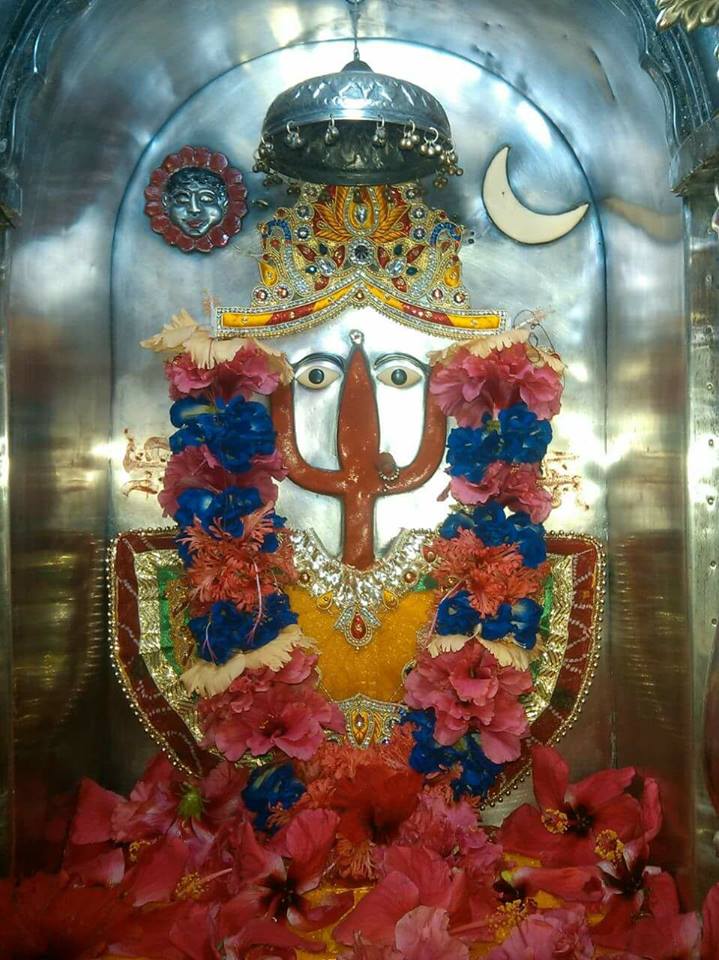
Rani Sati Mandir Mahuda
Rani Sati Mandir in Mahuda, Dhanbad District, is a Hindu temple established in 1992 that serves as a spiritual center for the local community and attracts devotees seeking blessings.